The Calm Before the War
In the high-octane world of Formula 1, silence is often louder than the screaming V6 engines. Usually, the preseason is filled with predictable platitudes: drivers “hoping” for a good package, team principals managing expectations, and a general sense of cautious optimism. But at the recent launch of the Mercedes W17, the silence was shattered not by a roaring engine, but by a few quietly spoken sentences from George Russell.
There was no table-flipping, no trash talk, and no theatrical drama. Yet, to the trained ear, Russell’s comments were nothing short of a declaration of war. By calmly asserting his readiness to fight Max Verstappen “head-to-head” for the 2026 World Championship, Russell didn’t just throw his hat in the ring; he effectively signaled the end of the psychological deference that has shielded Red Bull for the past era.
The “bomb” wasn’t an insult. It was something far more dangerous: Intent.
For the first time in years, a Mercedes driver didn’t sound like a challenger hoping for a lucky break. He sounded like an architect who knows the blueprints of the future favor him. And with the seismic shifts coming in the 2026 regulations, he might just be right.
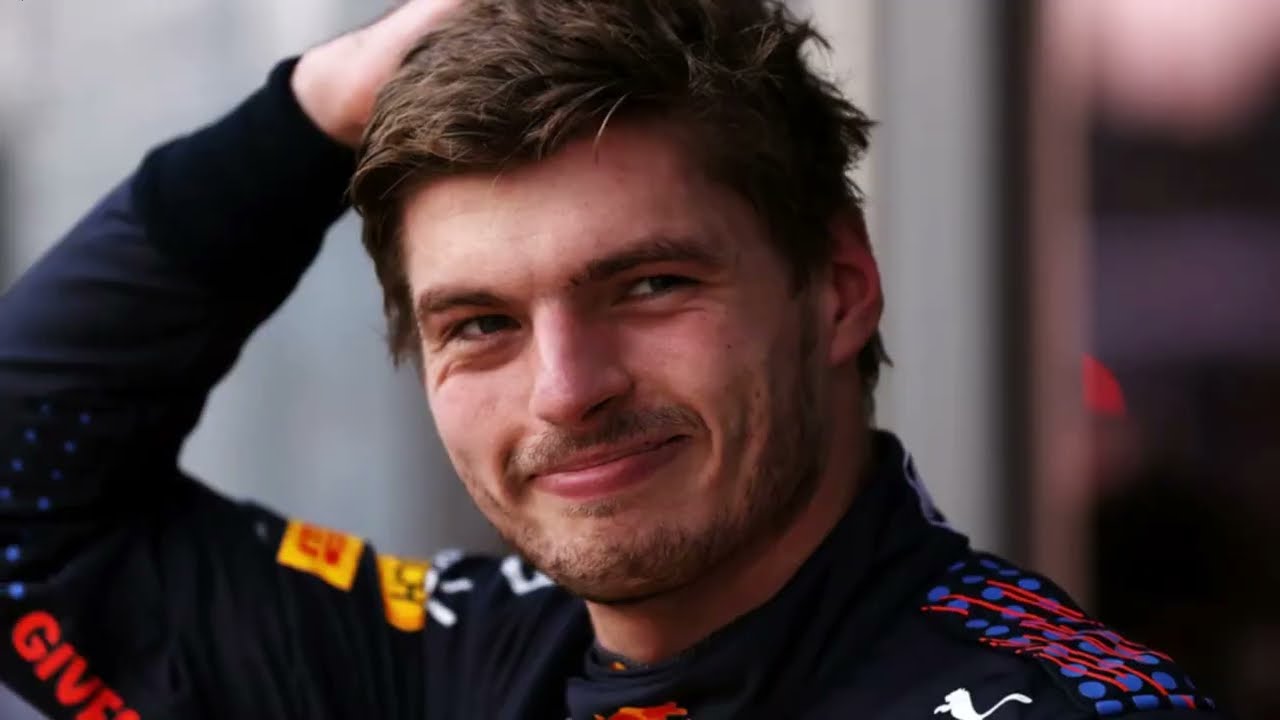
The Great Reset: Why 2026 Is Different
To understand the weight of Russell’s words, you have to understand the battlefield he is stepping onto. The 2026 season isn’t just “next year”; it is a “Hard Reset” for the sport. It represents the most significant overhaul of technical regulations in over a decade, fundamentally rewriting the DNA of a Formula 1 car.
The headlines are dominated by the new Power Unit regulations, which see a monumental shift to a 50/50 split between the Internal Combustion Engine (ICE) and electrical power. The complex MGU-H is gone, replaced by a kinetic motor (MGU-K) that has tripled in output to 350kW. The cars will be smaller, lighter by 30kg, and stripped of the Drag Reduction System (DRS) in favor of a new “Overtake Mode” and “Manual Override” system that rewards strategic energy deployment.
This is no longer just about who has the best raw aerodynamic efficiency—an area where Red Bull and Adrian Newey reigned supreme. This is about energy management, system integration, and efficiency. It is a formula that demands a manufacturer to understand how the engine and chassis breathe together as a single organism.
And this is where history begins to whisper in Mercedes’ favor.
The “Architects” vs. The “Incumbents”
When George Russell says he is “ready,” he is leaning on a historical truth that terrifies the paddock: Mercedes wins resets.
The last time Formula 1 underwent a major engine overhaul was the dawn of the turbo-hybrid era in 2014. While others struggled with reliability and integration, Mercedes arrived with a package so dominant it secured eight consecutive Constructors’ Championships. They didn’t just build a fast car; they built a superior system.
In contrast, Red Bull is entering 2026 in a position of unprecedented vulnerability. For the first time in their modern history, they are not a customer team. They are a manufacturer. The Red Bull Powertrains (RBPT) project, in partnership with Ford, is a massive undertaking. They are building a complex hybrid power unit from scratch, without the decades of institutional knowledge held by Mercedes or Ferrari.
Russell’s confidence suggests that Mercedes’ internal data is already showing that they have mastered the new “energy equation.” When he praises Red Bull’s new engine as “impressive,” he isn’t backtracking—he’s twisting the knife. He is acknowledging their strength and then saying, “It doesn’t matter. I’m still coming for you.”
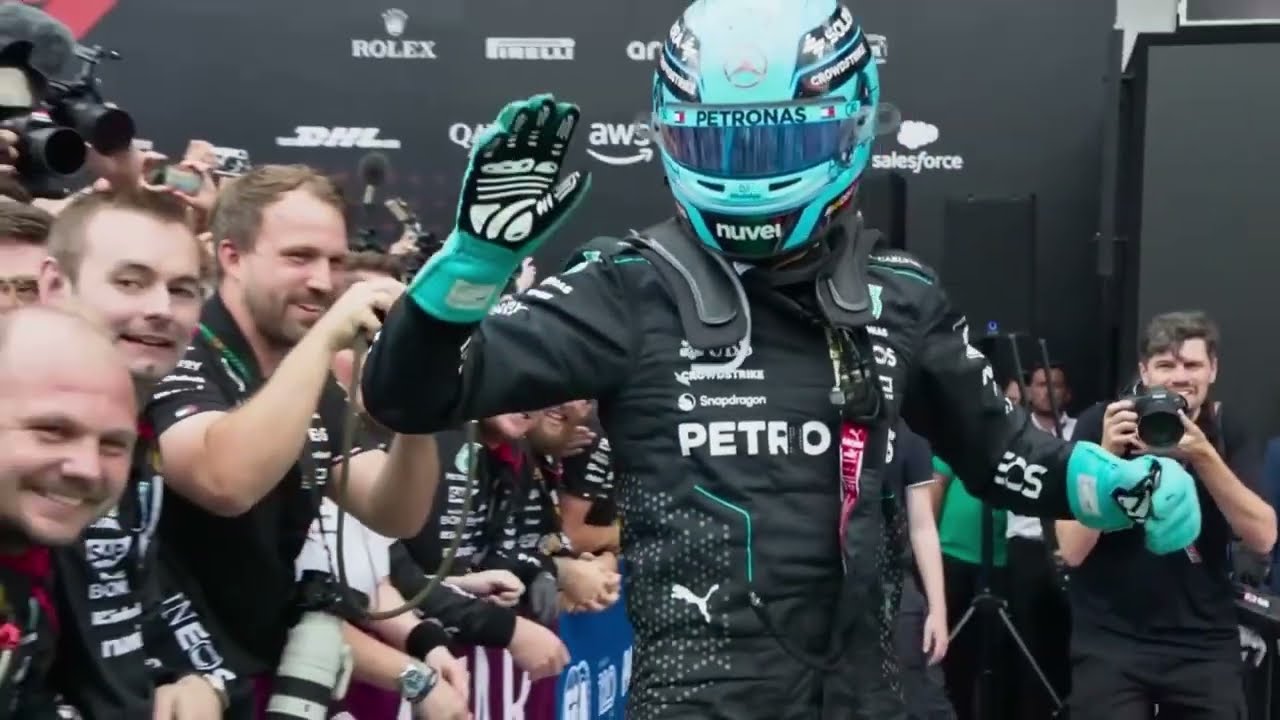
The Newey Factor: A Shield Removed
Perhaps the most glaring omission in the public narrative—but one that Russell is acutely aware of—is the absence of Adrian Newey. The design genius who penned Max Verstappen’s championship-winning machines is no longer at Milton Keynes, having moved to Aston Martin.
For over a decade, Newey was Red Bull’s cheat code. He could visualize airflow in ways computers couldn’t. But 2026 is a regulation set defined less by pure aerodynamic downforce and more by active aero and power unit integration. Max Verstappen is undoubtedly the best driver on the grid, but he has never entered a regulation reset without Newey’s safety net.
Russell knows this. His comments challenge the “inevitability” of Max’s success. For years, the grid assumed that if Max had a car, he would win. That assumption was built on the stability of the Red Bull-Newey ecosystem. With that ecosystem fractured and the rules rewritten, the inevitability is gone.
The Psychology of Belief
“I do want to go head-to-head with Max… it should never be easy.”
This quote is the crux of Russell’s psychological offensive. In elite sports, the moment a rival stops fearing you, your dominance is in decay. Russell isn’t approaching 2026 with the hope of stealing a win; he is approaching it with the expectation of a title fight.
This shift in tone is destabilizing for Red Bull. They are used to being the hunters or the untouchable leaders. Now, they are the “Incumbents” defending a legacy against “Architects” who have spent years preparing for this specific moment.
If Mercedes starts the 2026 season on equal footing with Red Bull, the dynamic changes instantly. Max Verstappen thrives under pressure, but the Red Bull organization has shown cracks when stressed (as seen in the internal power struggles of recent years). Russell is betting that a competitive Mercedes will widen those cracks.
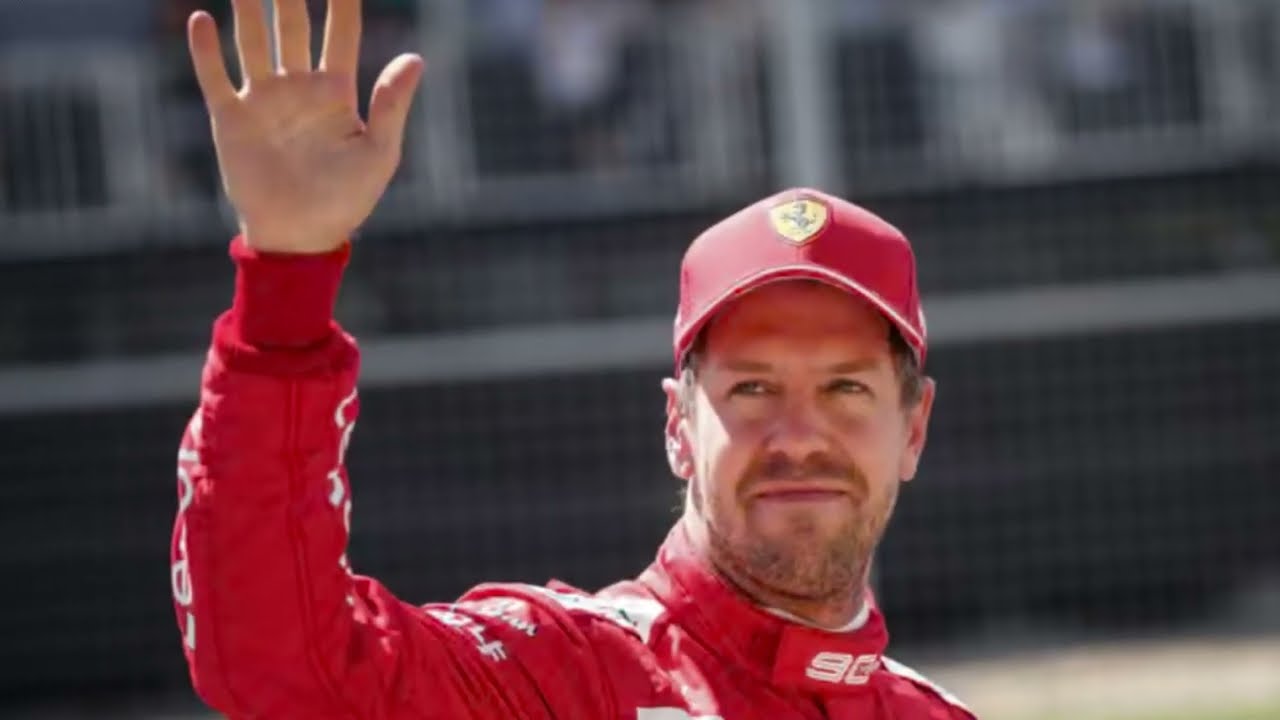
The Verdict: Is Russell Right?
Is George Russell’s confidence premature? Perhaps. It is, after all, only preseason. But in Formula 1, drivers are rarely this calm without data to back it up. Russell has been “burned by optimism” before with the difficult “zeropod” concept of 2022. He knows what false hope feels like. The fact that he is speaking this openly, this early, suggests that the W17 is not just “not a turd” (as Toto Wolff colorfully put it), but a genuine weapon.
The “bomb” has been dropped. The shockwaves are already moving through the paddock. Max Verstappen is still the man to beat, but for the first time in a long time, the man in the other garage isn’t just chasing him. He’s waiting for him.
Buckle up. The 2026 season hasn’t even started, and the war is already underway.
News

Inside Shane Richie’s love life: Drug – fuelled orgy with six blondes; real reason he split from Coleen Nolan; six-year ‘affair with fan’
Inside Shane Richie’s love life: Orgy with six blondes; real reason he split from Coleen Nolan; six-year ‘affair with fan’ He’s popular with the ladies… Shane Richie…

SH0CKING REVELATI0N:A sh0cking behind-the-scenes secret revealed about Lizzie Rizzini, the woman replacing Carol Kirkwood on the 6pm weather bulletin
BBC viewers still reeling from the departure of Carol Kirkwood got another surprise last night when presenter Lizzie Rizzini appeared to flash her black lace stockings on…

HEARTBREAKING: Peter Andre’s Tearful Message to Son Junior After SHOCKING Revelation About How He Truly Feels Toward Mum Katie Price — Katie Price’s reaction scares fans.
Peter Andre’s emotional message to son Junior after it’s revealed how he really feels about mum Katie Pri… PETER Andre has shared an emotional message to his…

Ben Shephard opens up about the devastating health battle his wife is facing: “She wakes up crying every single morning…”
Inside This Morning Ben Shephard’s Life Including Rarely Seen Wife and Health Battle Ben Shephard is a name synonymous with British television, renowned for his engaging presentation…

🚨 LIVE TV HEARTBREAK: Good Morning Britain Host Announces ‘Devastating’ Dɘath of Guest Minutes Into Show
Viewers of Good Morning Britain were met with heartbreaking news just minutes into Friday’s (January 30) episode, as co-hosts Kate Garraway and Ranvir Singh reported the tragic…

Emmerdale legend Cain Dingle will never be the same again after a shock cancer diagnosis turns his world upside down
FROure Desk. Full Terms and conditions are available on the website http://www.itv.com/presscentre/itvpictures/terms Emmerdale wouldn’t be Emmerdale without the glowering, grunting embodiment of manliness that is Cain Dingle (Jeff Hordley) But…
End of content
No more pages to load






