Blog

  • Ferrari’s $400 Million Gamble: Why 2026 Is the “Now or Never” Moment That Will Define Lewis Hamilton’s Legacy and Charles Leclerc’s Future

    Ferrari’s $400 Million Gamble: Why 2026 Is the “Now or Never” Moment That Will Define Lewis Hamilton’s Legacy and Charles Leclerc’s Future

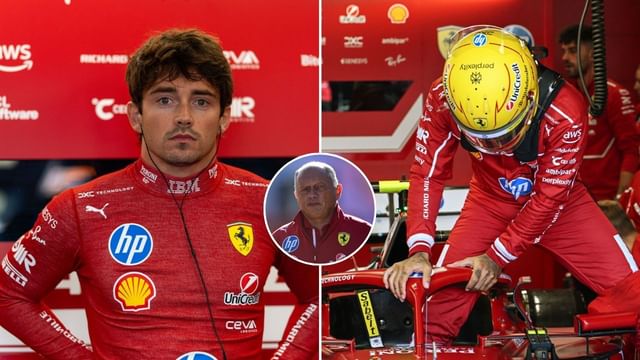
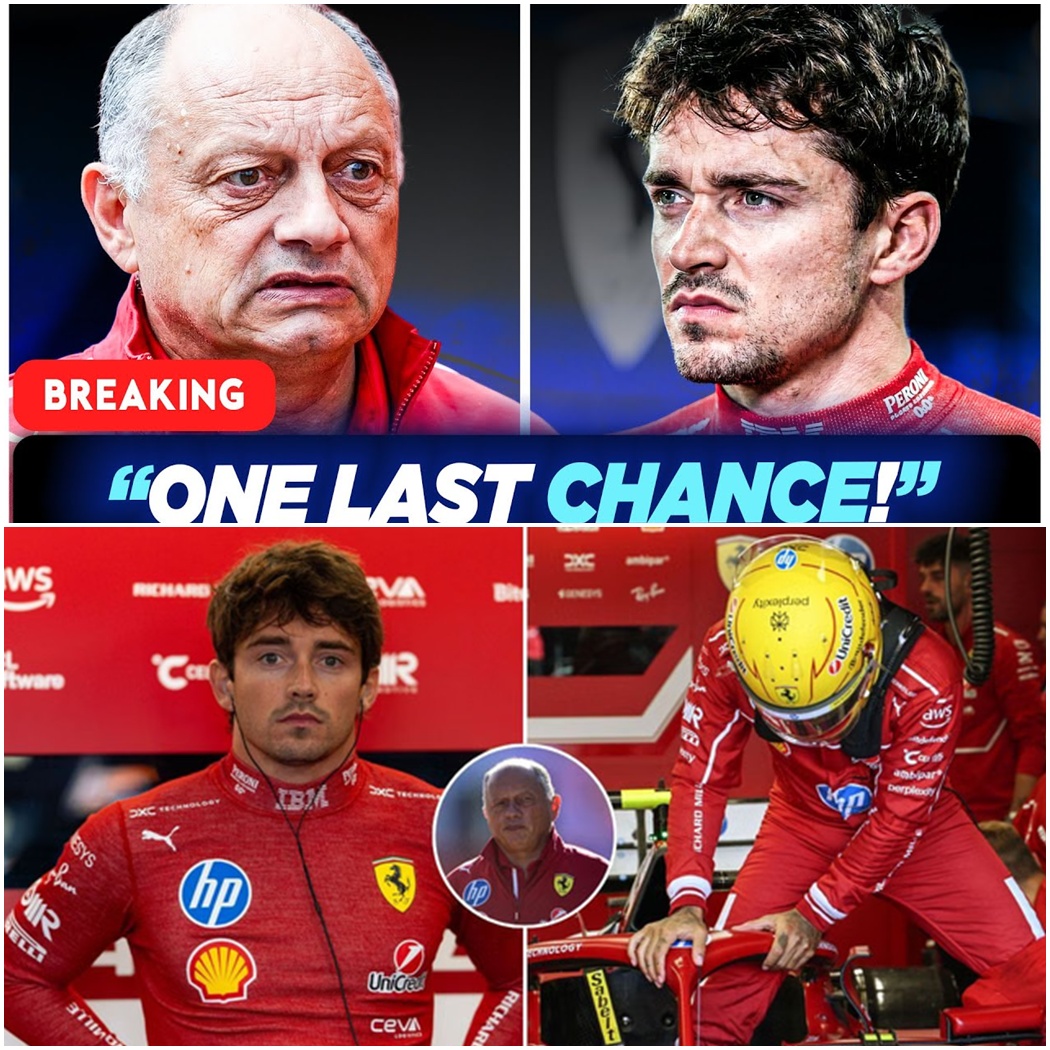
    The silence in Maranello is deafening, but it is not the silence of peace; it is the breathless quiet of a storm about to break. As the Formula 1 world turns its gaze toward the dawn of the 2026 season, the Scuderia Ferrari finds itself standing on a precipice. The launch of their new challenger, the SF26, scheduled for January 23rd, is not just another car reveal. It is a verdict. It is the culmination of a high-stakes gamble that has cost them a year of humiliation and could, if it fails, cost them their two superstar drivers and their team principal.

    For the Tifosi, the memories of 2025 are fresh and painful. But for the men inside the factory, the pressure is far worse. This is no longer just about racing; it is about survival.
    The Nightmare of 2025: A Year to Forget

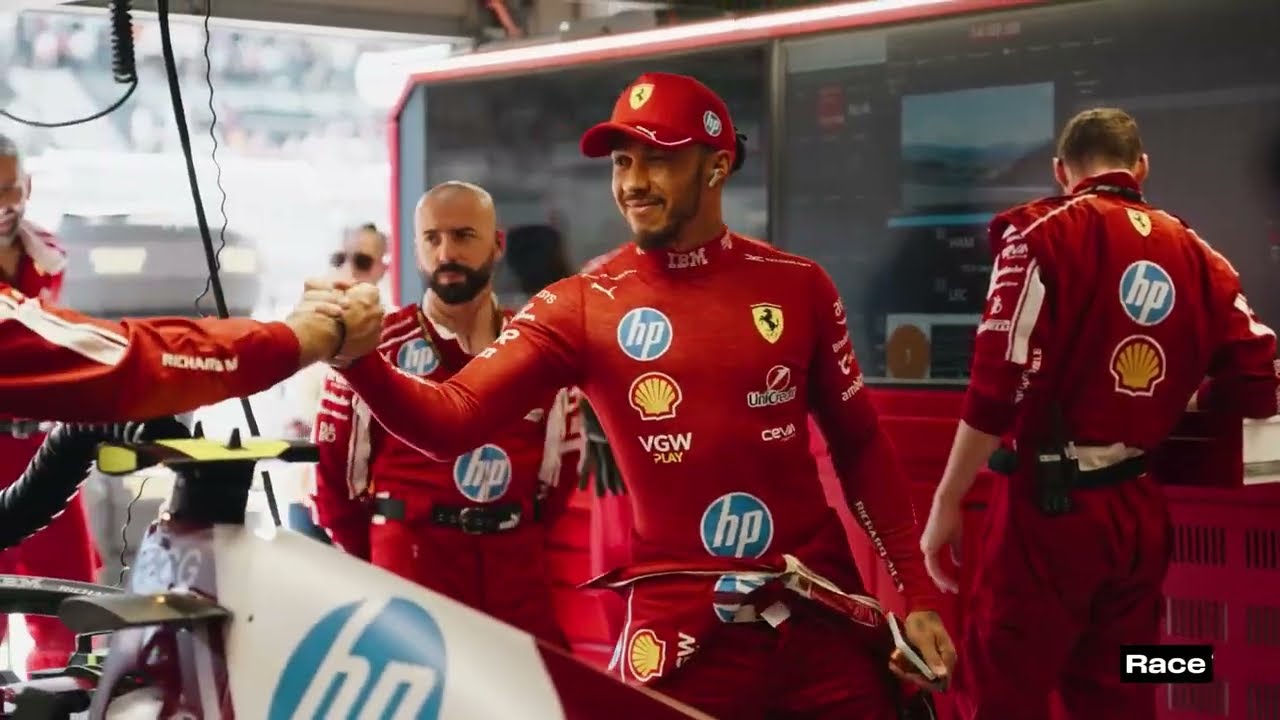
    To understand the immense weight resting on the carbon-fiber shoulders of the upcoming SF26, one must first revisit the “brutal” campaign that was 2025. It was supposed to be the year the dream team finally assembled. Lewis Hamilton, the seven-time World Champion, donned the legendary red suit, joining forces with the prince of Maranello, Charles Leclerc. The world expected fireworks. Instead, they got a damp squib.

    The statistics are damning. Ferrari finished a distant fourth in the Constructors’ Championship, a result that would be disappointing for a midfield team but is catastrophic for the most successful outfit in history. More shockingly, the team failed to win a single Grand Prix.

    For Lewis Hamilton, the 2025 season was a personal nadir. For the first time in his illustrious 19-year career, Hamilton completed a season without standing on the podium even once. Not a single champagne celebration. Not a single trophy raised. The man who is tied with Michael Schumacher for the most world titles found himself driving a car that he described as a “nightmare” and an “emotional rollercoaster.” While his teammate Leclerc managed to wrestle the unruly SF25 to seven podiums and a pole position, Hamilton struggled to find any harmony with the machine, frequently exiting in Q1 and looking visibly dejected.

    But this failure was, in a twisted sense, by design.

    The Great Sacrifice: Vasseur’s All-In Bet

    By April 2025, Ferrari Team Principal Fred Vasseur made a decision that sent shockwaves through the paddock: Ferrari would effectively surrender. Realizing that their car concept was fundamentally flawed and unable to compete with the likes of McLaren and a resurgent Red Bull, Vasseur ordered a cessation of aerodynamic development for the 2025 car.

    Every ounce of wind tunnel time, every hour of CFD simulation, and every euro of the budget cap was diverted to 2026.

    It was a cold, calculated gamble. Vasseur knew that 2026 brought with it the most significant regulatory overhaul in recent history. The new cars would be lighter, narrower, and powered by units relying on 50% electrical energy and fully sustainable fuels. It was a blank slate—a chance to replicate the jump Ferrari made at the start of the 2022 ground-effect era.

    “We were at a technical disadvantage from the first race,” Leclerc admitted, reflecting on the psychological toll of driving a dead-end car. “There wasn’t much point in putting all our resources into trying to take third or second place… at the cost of next year.”

    The logic is sound, but the risk is astronomical. Ferrari has burned the boats. They sacrificed the first year of Hamilton’s contract to build a monster for his second. If the SF26 is not a championship contender immediately, that sacrifice will have been in vain.
    Leclerc’s Ultimatum: The Clock is Ticking

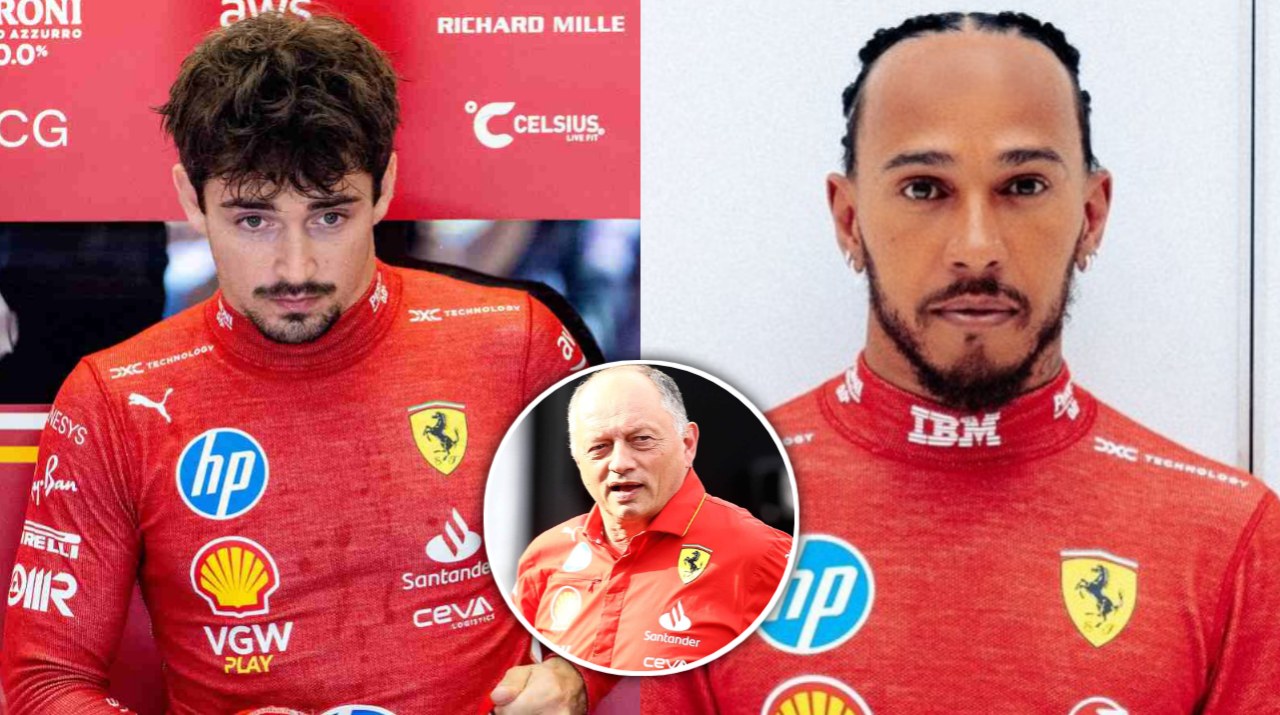
    While Hamilton chases his eighth title, Charles Leclerc is chasing assurance that he hasn’t wasted his prime. The Monegasque driver has been the face of Ferrari’s “next generation” for years, but patience is a finite resource.

    Leclerc has made his position crystal clear: the first six to seven races of 2026 will determine his future. “It’s now or never,” he stated bluntly in a recent interview. “I really hope that we will start this new era on the right foot because it’s important for the four years after.”

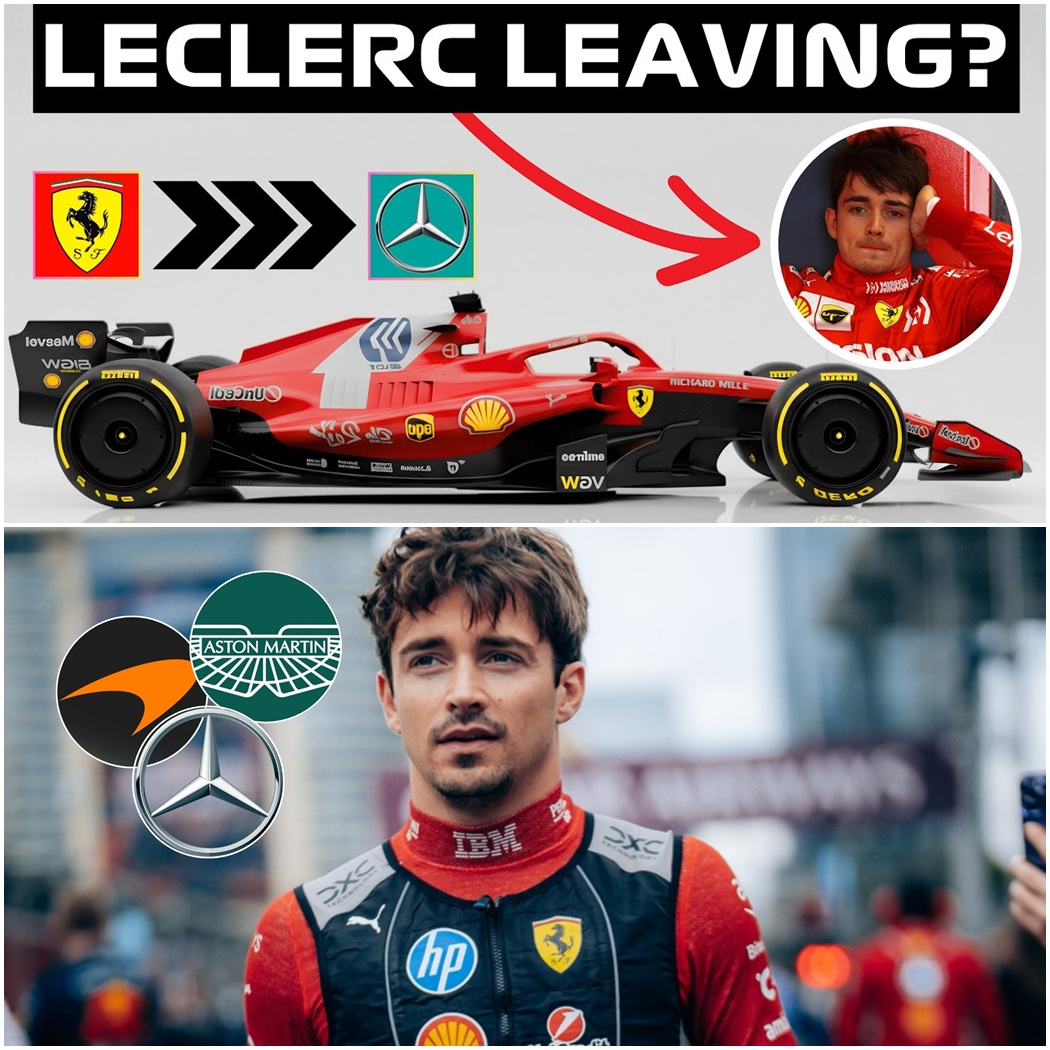
    The implication is terrifying for Ferrari management. If the SF26 is a dud, Leclerc knows he cannot afford to stay. Rumors are already swirling that rival teams are circling. Aston Martin is looking for a future leader to replace Fernando Alonso, and Mercedes always keeps a watchful eye on top talent. If Ferrari falters, they risk losing their homegrown star.

    Leclerc’s loyalty has been tested by strategic blunders and mechanical failures for half a decade. He has publicly supported the team, posting optimistic messages on social media promising to “give absolutely everything for 2026.” But as insiders note, what a driver says on a curated Instagram feed and what he tells his manager behind closed doors are often two very different things. The “ground effect” era was tough on him; another failed era could be the breaking point.

    Hamilton’s Final Shot at Immortality

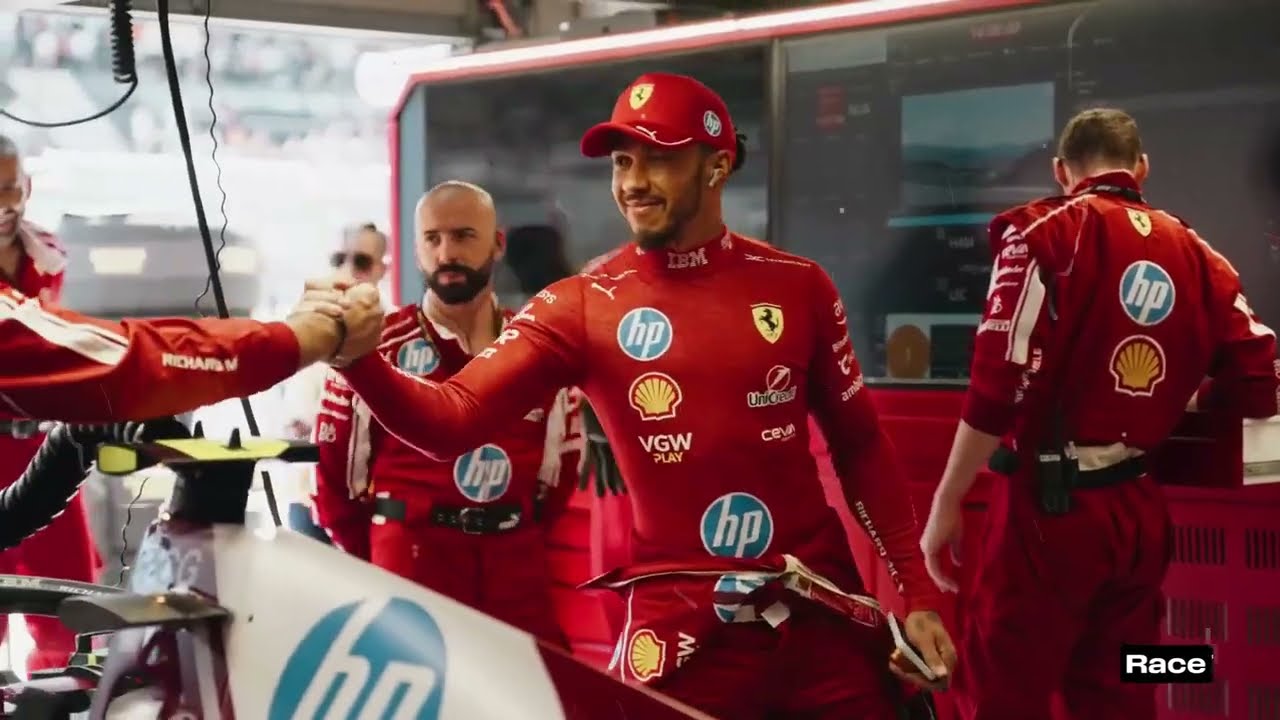
    At 41 years old, Lewis Hamilton knows time is his greatest enemy. The SF26 represents perhaps his final realistic chance to break the tie with Schumacher and stand alone as the undisputed greatest of all time with eight World Championships.

    His move to Ferrari was a romantic quest for glory, but the romance died quickly in the gravel traps of 2025. Now, it is strictly business. Hamilton needs a car that responds to his touch, a machine that can fight at the front. The new regulations, with their emphasis on electrical power and nimble chassis dynamics, could suit his driving style perfectly—or they could introduce new gremlins that plague the team for months.

    If the car is competitive, Hamilton has shown time and again that he can defy age. But if he is forced to endure another season of fighting for P8, questions about his motivation and retirement will transition from whispers to shouts. The paddock chatter suggests that if Hamilton doesn’t show his old “magic” early in 2026, Ferrari might already be looking at a completely new driver lineup for 2027.
    The Technical Revolution

    The battlefield for this drama is the 2026 technical regulations. These changes are designed to shake up the grid, and history shows that major rule changes often crown new kings. Mercedes aced the 2014 hybrid era; Red Bull mastered the 2022 ground effect era. Ferrari is betting the house that they will be the ones to master 2026.

    The new cars will require a different driving approach, managing the increased electrical deployment and the behavior of sustainable fuels. The “aggressive flexing front wing” concepts and floor designs of the past are gone, replaced by new aerodynamic philosophies. Ferrari’s early pivot means they have had more time than anyone else to optimize these systems.

    However, time does not guarantee success. As the team found out in 2022, starting strong is one thing; winning a development war is another. The “infamous TD39” directive and the simulator correlation issues of 2024 are ghosts that still haunt the halls of Maranello. They cannot afford to misinterpret the data again.

    The Verdict Awaits

    As the January 23rd launch date approaches, the atmosphere in Italy is a mix of hope and dread. The SF26 is more than a car; it is a vessel for the hopes of a nation and the legacies of two legends.

    Fred Vasseur’s job is on the line. Charles Leclerc’s loyalty is on the line. Lewis Hamilton’s record-breaking eighth title is on the line.

    The first test in Barcelona will reveal the truth. Will the SF26 sound the charge of a new dynasty, or will it be the siren song of a wasted era? As Leclerc said, “By race 6 or 7, I think we’ll have a good idea.” But for the fans, the waiting is the hardest part. The “crunch time” isn’t coming; it is already here. And for Ferrari, there are no more excuses left.
  • 2026 F1 Power Rankings: Ferrari’s Shock Drop, Cadillac’s Debut, and the New Kings of the Grid

    2026 F1 Power Rankings: Ferrari’s Shock Drop, Cadillac’s Debut, and the New Kings of the Grid

    The anticipation for the 2026 Formula 1 season is reaching a fever pitch. As the sport enters a new era of regulations, the machinery is changing, but the most critical variable remains the humans behind the wheel. We don’t yet know which engineer has cracked the code for the fastest car, but we do know the quality of the drivers sitting in the cockpits.

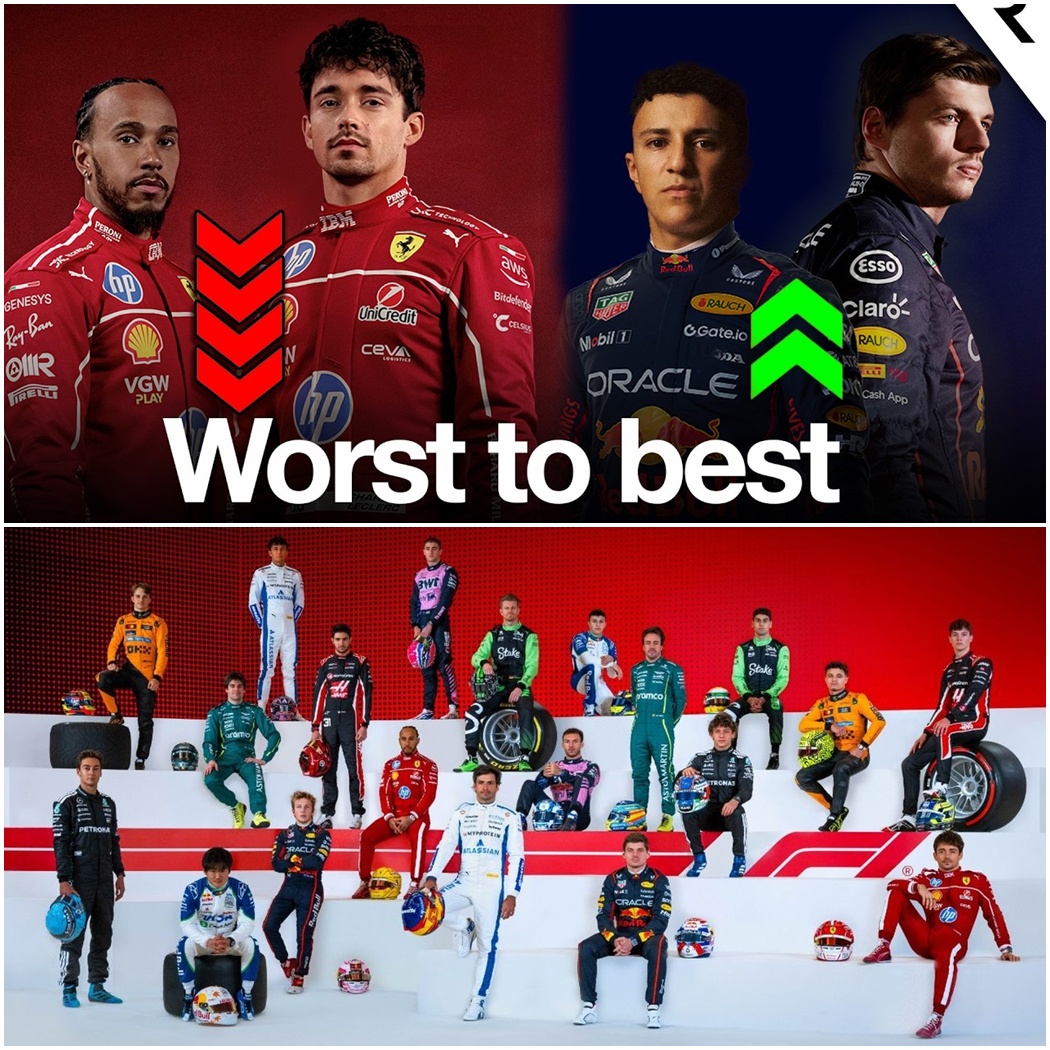
    Following a tumultuous and revealing 2025 season, the driver market has settled into a fascinating mix of legendary veterans, hungry rookies, and shocking team switches. Based on recent form, raw data, and the brutal reality of last year’s results, we’ve ranked every single driver line-up on the 2026 grid from worst to best. Buckle up—there are some massive surprises.

    The Back of the Pack: Growing Pains and Question Marks

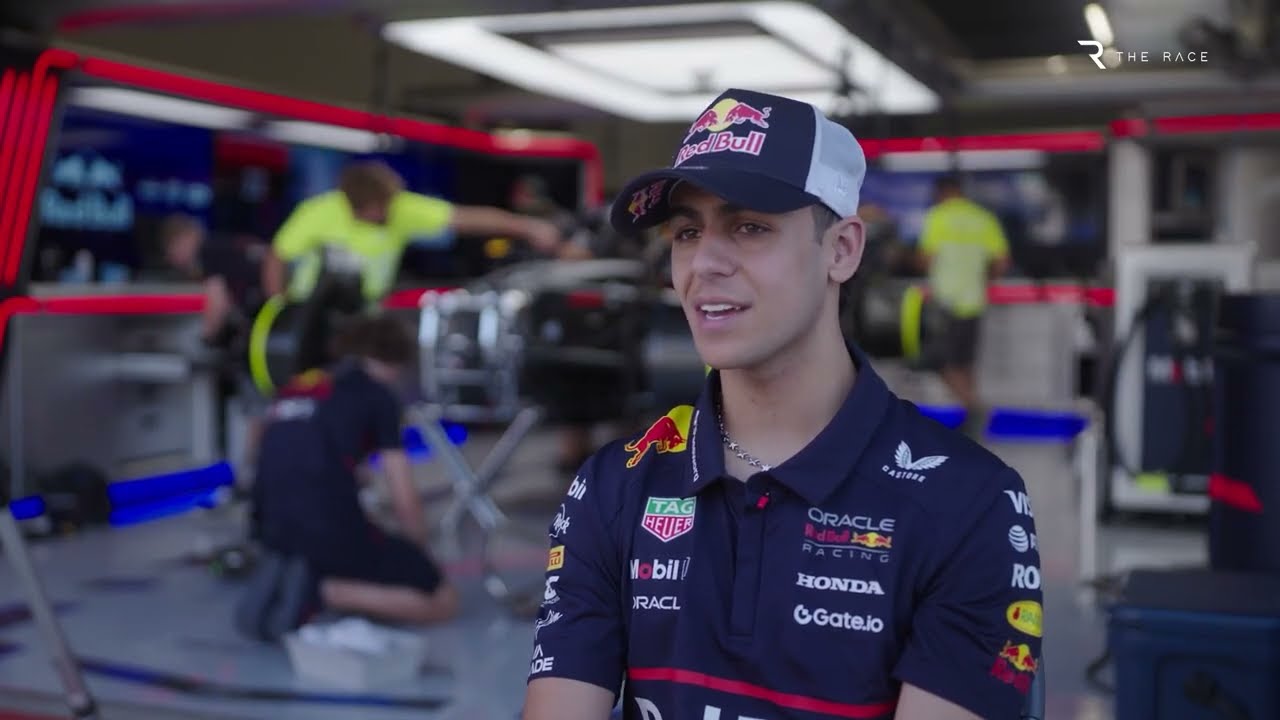
    11. Racing Bulls: Liam Lawson & Arvid Lindblad Kicking off our list at the bottom is the Racing Bulls duo. It’s a harsh reality for Liam Lawson, who showed flashes of brilliance in 2025 as a midfield star. However, his performance was too sporadic to be considered a consistent team leader. He is joined by 18-year-old Arvid Lindblad, the only true rookie of 2026. While Red Bull rates him highly, Lindblad faces a mountainous learning curve after a patchy Formula 2 season. With question marks over Lindblad’s readiness and Lawson’s consistency, this pair currently ranks as the weakest on the grid.

    10. Alpine: Pierre Gasly & Franco Colapinto Just ahead of them is Alpine. Pierre Gasly performed heroics in 2025, dragging the grid’s worst car to points and scoring all of the team’s 22 units. He is a known quantity and a solid leader. The doubt lies with his teammate, Franco Colapinto. After a shaky start replacing Jack Doohan, Colapinto struggled to match Gasly’s pace. While he did enough to save his seat, the gap between the two drivers suggests that if Alpine does produce a better car this year, only one driver might be capable of maximizing it.

    The Wildcards: New Entries and Old Favorites

    9. Cadillac: Sergio Perez & Valtteri Bottas The most hyped new entry, Cadillac, hits the grid with arguably the most experienced “Number 2” driver lineup of the 21st century. Sergio Perez and Valtteri Bottas share 16 Grand Prix victories and a wealth of knowledge. However, both drivers dropped off the grid after 2024, and their return feels like a lifeline. While they bring dependability and stability—crucial for a brand-new team—the question remains: can they shake off the rust? It’s a safe lineup, but perhaps one lacking the raw, cutting-edge speed of their prime years.

    8. Audi: Nico Hulkenberg & Gabriel Bortoleto Audi (formerly Sauber) enters its second year with this pairing. Nico Hulkenberg remains one of the midfield’s most effective operators, finally shedding his podium curse in 2025. However, he can still go missing on certain weekends. His teammate, Gabriel Bortoleto, had a strong rookie start but faded in the second half of the year. It’s a perfectly solid lineup, but it lacks the relentless consistency found in the teams ranked higher.

    The Underperformers: One-Man Shows

    7. Aston Martin: Fernando Alonso & Lance Stroll It is no secret who is carrying the weight at Aston Martin. At 44, Fernando Alonso defies time, routinely punching above the weight of his disappointing car and scoring 72% of the team’s points over three seasons. Conversely, Lance Stroll is coming off arguably his weakest season yet, with a dismal qualifying record against Alonso. Until Stroll can close that gap, Aston Martin’s ranking is severely capped by having only one driver performing at an elite level.

    6. Haas: Ollie Bearman & Esteban Ocon Haas climbs to sixth thanks to the revelation that is Ollie Bearman. In 2025, Bearman was arguably the fastest rookie, hauling the Haas to impressive finishes and handling the car’s instability better than his experienced teammate, Esteban Ocon. While Ocon struggled initially, he ended the year on a high note. This blend of explosive youthful talent and recovered veteran form makes Haas a surprisingly well-rounded duo entering 2026.

    The Shock of the Season: The Fall of the Prancing Horse

    5. Ferrari: Charles Leclerc & Lewis Hamilton Here is the headline shocker. No team has fallen further in the rankings than Ferrari, and the blame does not lie with Charles Leclerc. The Monegasque driver had a superb 2025, proving himself championship-ready. The drop is entirely due to the underwhelming start of Lewis Hamilton’s Ferrari chapter.

    Hamilton’s 2025 was marred by inconsistency, zero podiums compared to Leclerc’s seven, and weekends where he looked completely lost, even suggesting he should be replaced. While we saw flashes of the old magic at Monza and Austin, he couldn’t string it together. Unless the 2026 regulations unlock something missing in Hamilton, this “dream team” looks more like a one-man army led by Leclerc.

    The Top Tier: Title Contenders

    4. Williams: Alex Albon & Carlos Sainz Williams has quietly assembled a “midfield super team.” Carlos Sainz was a revelation in the second half of 2025, securing giant-killing podiums and outscoring his Ferrari replacement, Hamilton. Alex Albon, despite a late-season dip, remains a top-tier performer. If Albon can recapture his early 2025 form to match Sainz’s momentum, Williams has a lineup capable of threatening the big three.

    3. Mercedes: George Russell & Kimi Antonelli George Russell has solidified his status as the best driver on the grid not named Max Verstappen. His 2025 campaign proved he is ready for a title fight. His young teammate, Kimi Antonelli, had a rocky middle to his rookie season but turned it around spectacularly with podiums in Brazil and Vegas. While Antonelli isn’t yet matching Russell week-in, week-out, his trajectory suggests Mercedes has a lethal combination brewing for the future.

    2. Red Bull: Max Verstappen & Isack Hadjar The reigning champion keeps Red Bull near the top. Max Verstappen remains the benchmark, the absolute best driver in the world right now. His new teammate, Isack Hadjar, was the standout rookie of 2025, looking far more convincing than previous Red Bull second drivers. Hadjar shows signs of breaking the “second driver curse,” but until he proves he can consistently handle the pressure of sharing a garage with Max, they sit just shy of the top spot.

    1. McLaren: Lando Norris & Oscar Piastri Taking the crown for the best driver lineup in F1 2026 is McLaren. While you might pick Verstappen as an individual, you cannot beat the collective strength of Lando Norris and Oscar Piastri.

    Both are proven race winners and title contenders. Piastri showed immense maturity to control the championship in the first half of 2025, and Norris bounced back with a dominant second half to take the title. No other team possesses two drivers operating at such an elite level simultaneously. With the internal demons silenced and the championship lessons learned, McLaren’s duo enters 2026 as the unstoppable force of the grid.

    Final Thoughts The 2026 season promises to be a reset, but the human element remains constant. Ferrari has work to do to rehabilitate Hamilton’s form, while McLaren sits in the driver’s seat with the most balanced attack. As the lights go out, all eyes will be on whether the rankings hold up or if a new surprise emerges from the chaos.

  • LEAKED: Red Bull’s “Aggressive” RB22 Secret Testing Plan Just Sent a Shockwave Through Formula 1

    LEAKED: Red Bull’s “Aggressive” RB22 Secret Testing Plan Just Sent a Shockwave Through Formula 1

    While the rest of the Formula 1 world was slowly shaking off the winter hibernation, enjoying the quiet lull of January, a massive shockwave was quietly building behind the gates of Milton Keynes. A significant leak has exposed Red Bull Racing’s private testing strategy for their 2026 challenger, the RB22, and the message it sends to the paddock is nothing short of terrifying: The champions are not waiting for anyone.

    The silence of the off-season is usually broken by rumors and gossip, but this time, it’s concrete intelligence. While teams like Audi were quietly filming in Barcelona and others were prepping for flashy livery reveals, Red Bull was executing a strategy that had been locked in for months. According to leaked information, the team is skipping the “soft launch” approach entirely. Instead, they are going “all out” with an aggressive testing plan that suggests they are already miles ahead of the competition in their preparation for the chaotic new era of 2026.

    The “Aggressive” Barcelona Surprise

    The most shocking detail of the leak centers on Red Bull’s approach to the upcoming private winter test in Barcelona. Conventionally, teams use these early sessions to shake down the car, often running “placeholder” parts or safe, basic aerodynamic packages to verify that the engine runs and the wheels turn. It is a time for caution, hiding secrets, and gathering baseline data.

    Red Bull, however, is reportedly flipping the script.

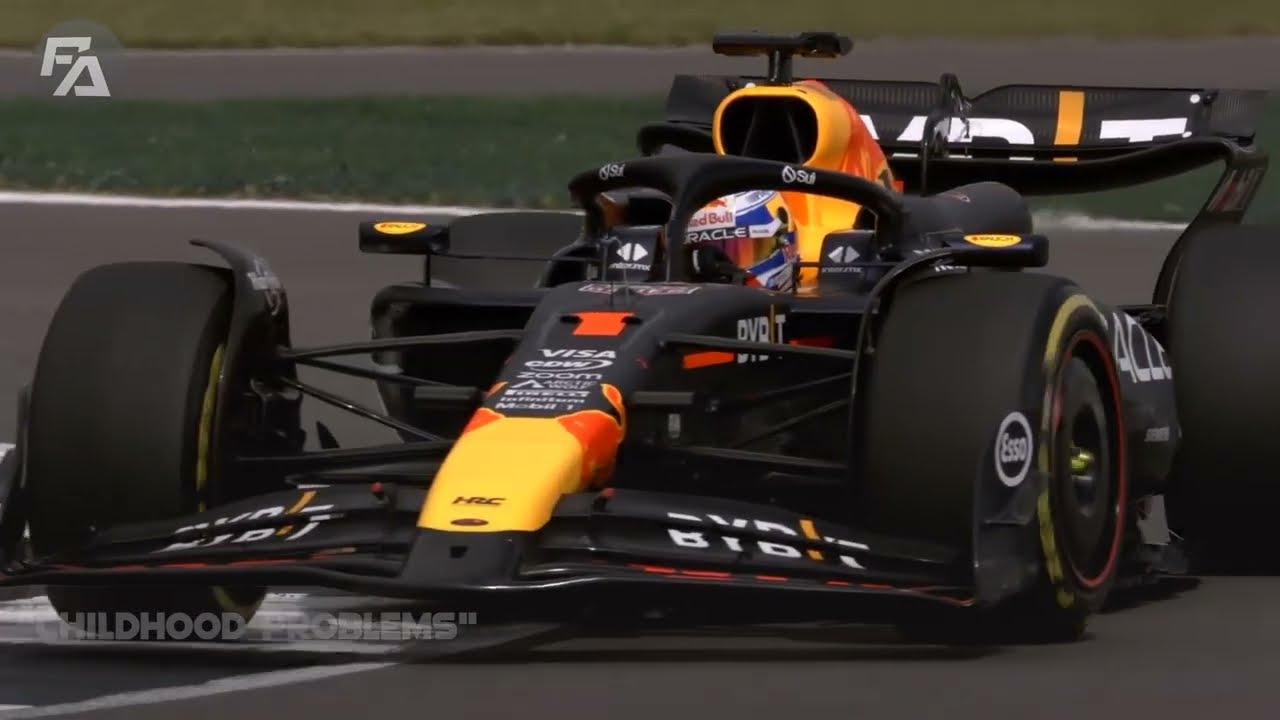
    Sources indicate that the RB22 hitting the track in Spain will not be a rough draft or a Frankenstein “mule” car. It will be a “fairly definitive aerodynamic version” of their 2026 contender. This is a massive deviation from the norm. By bringing a near-final spec car this early, Red Bull is signaling that they have absolute confidence in their simulation data. They aren’t going to Spain to see if their concepts work; they are going there to prove they already work.

    This “aggressive” stance is designed to make rivals uncomfortable. While Ferrari, Mercedes, and McLaren might be tiptoeing into the new regulations, guarding their designs and second-guessing their wind tunnel numbers, Red Bull is kicking down the door. They are skipping the “learning phase” and jumping straight into functional mastery—testing electronic systems, active aerodynamics, and energy management on a chassis that is already close to race-ready.

    Calculated Chaos: The Strategy Behind the Speed

    Why the rush? Why show your hand so early? The answer lies in the terrifying complexity of the 2026 regulations. This isn’t just about bolting on a new engine; it’s about mastering a volatile ecosystem of active aero, battery deployment, and power unit splits.

    Red Bull anticipates that 2026 will be a year of mechanical chaos. Systems will fail. Batteries will overheat. The complex dance between the active wings and the engine will trip up even the best engineers. By bringing a definitive car to Barcelona, Red Bull is treating these tests not as warm-ups, but as dress rehearsals for disaster management. They want to know exactly how the car behaves when things go wrong, and they want to solve those problems before the lights go out at the first Grand Prix.

    The leak also reveals a fascinating development strategy. After the Barcelona test, Red Bull plans to introduce very limited new parts for the official Bahrain testing. The initial concept seen in Spain will serve as the “benchmark.” Every future upgrade must beat this baseline. This method eliminates the panic of “chasing ghosts” mid-season. Instead of reacting to rivals, Red Bull will be following a pre-meditated roadmap of rapid updates, locked in months ago, waiting for the green light.

    The Human Element: Building a Fortress

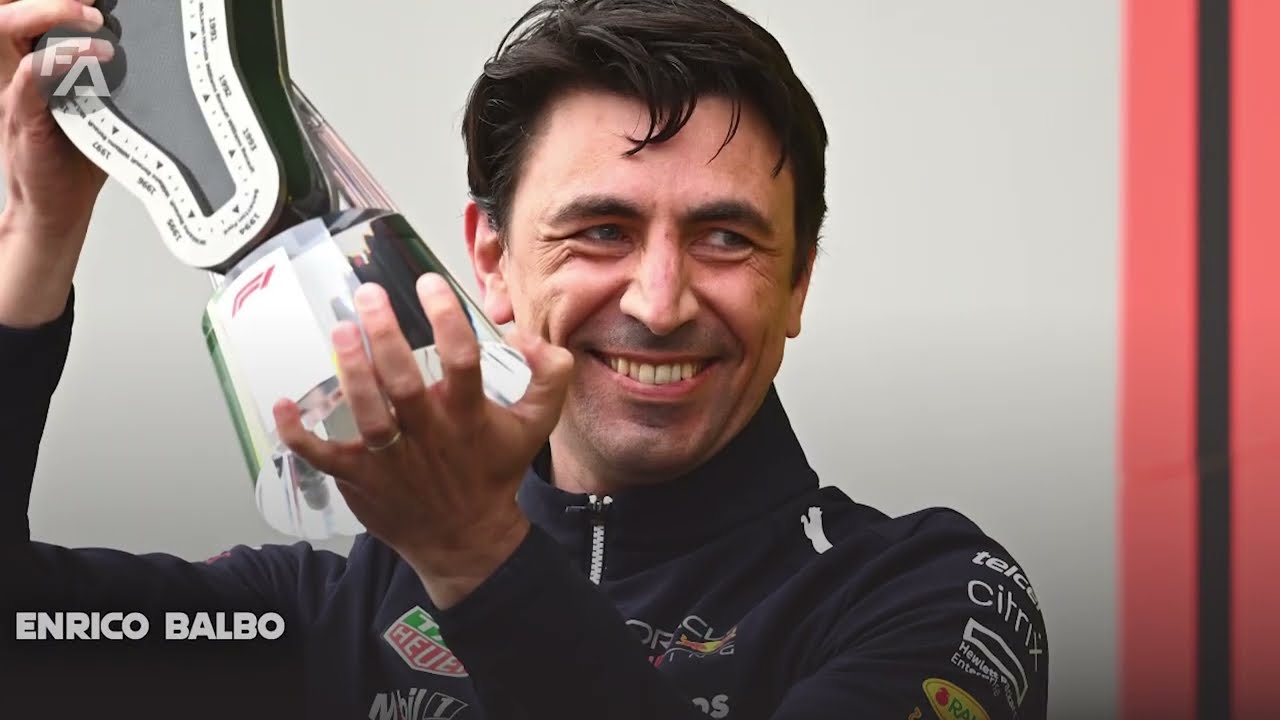
    This confidence doesn’t just appear out of thin air; it is engineered. The leak highlights a massive, under-the-radar recruitment drive led by Enrico Balbo, the head of Red Bull’s aerodynamic department. While the world focused on Newey’s departure or Horner’s headlines, Balbo has been quietly assembling a “super-team” of specialists.

    They have hired experts in dynamic simulation, CFD (Computational Fluid Dynamics), and data analysis from all over the industry. These aren’t just general engineers; they are people whose entire job is to find speed in the invisible margins. With their state-of-the-wind-tunnel still under construction, Red Bull has doubled down on human talent to bridge the gap. They are betting that a superior team can out-simulate a superior facility.

    The 2026 Engine Gamble

    The elephant in the room for Red Bull has always been the 2026 power unit—their first-ever in-house engine. Skeptics have long argued that without Honda, Red Bull would struggle against manufacturing giants like Mercedes and Ferrari.

    However, this leaked plan suggests a brilliant counter-strategy. Red Bull knows their engine might have “teething problems.” They expect power deficits or reliability issues. But instead of fearing this, they are building a car designed to absorb these faults.

    By aggressively refining the aerodynamics and system integration now, they are creating a chassis so efficient that it can compensate for a lack of raw horsepower. If the engine is down on power, the active aero will reduce drag to compensate. If the battery is inefficient, the chassis will be slippery enough to save energy. They aren’t betting the house on the engine; they are betting on the package.

    A Warning to the Grid

    When you strip away the technical jargon, this leak is a psychological blow to the rest of the grid. In a sport defined by secrecy and paranoia, Red Bull’s plan screams certainty. They aren’t testing to find answers; they are testing to confirm what they already know.

    If this aggressive early approach pays off—if the data from the track matches the data from their simulations—Red Bull will start the 2026 season not just running, but sprinting. While other teams are spending the first half of the season trying to understand their new cars, Red Bull will already be refining theirs.

    The question facing Toto Wolff, Fred Vasseur, and the rest of the team principals is no longer “What is Red Bull doing?” The leak has answered that. The real question is: “Is it already too late to stop them?”

    As the winter frost melts and the engines fire up, one thing is clear: Red Bull isn’t just participating in the 2026 revolution. They are planning to dictate it.

  • The SF26 Verdict: Inside Ferrari’s “Point of No Return” and the Radical Machine That Will Decide Lewis Hamilton’s Fate

    The SF26 Verdict: Inside Ferrari’s “Point of No Return” and the Radical Machine That Will Decide Lewis Hamilton’s Fate

    In the high-octane world of Formula 1, the line between genius and madness is often measured in milliseconds. But as the paddock prepares for the dawn of the 2026 regulations, Ferrari has stopped chasing milliseconds and started chasing miracles. The Prancing Horse has unveiled a strategy so aggressive, so uncharacteristically reckless, that insiders are calling it a “point of no return.”

    The SF26 is not just a new challenger; it is a terrifying gamble that carries the weight of Maranello’s entire future on its carbon-fiber shoulders. For Lewis Hamilton, the sport’s most decorated knight, this machine represents the final crossroads: a glorious eighth world title or a catastrophic end to a legendary career.

    The Ashes of 2025: A Historic Humiliation

    To understand the sheer desperation driving the SF26 project, one must first look at the wreckage of the season that preceded it. The 2025 campaign was not merely a disappointment for Ferrari; it was a historic humiliation. For the most famous team in racing to go an entire calendar year without a single win—or even a podium—shook the foundations of the Scuderia.

    Lewis Hamilton’s arrival, heralded as the start of a new golden era, quickly spiraled into a nightmare. Finishing sixth in the championship and suffering the indignity of three Q1 knockouts, Hamilton looked like a shadow of his former self, wrestling with a car that lacked both rhythm and soul. The psychological toll was immense, triggering a “now or never” ultimatum from Charles Leclerc that reverberated through the factory halls like a political earthquake.

    It was in this crucible of failure that Team Principal Fred Vasseur made a decision that many considered heresy. In April 2025, while rivals clawed for points, Vasseur ordered a complete development freeze on the current car. He effectively sacrificed the season, accepting short-term public flogging for a shot at long-term dominance.

    Project 678: The Weapon Built in Silence

    While the world watched Ferrari struggle on track, the real work was happening behind closed doors under the codename “Project 678.” This wasn’t a refurbishment; it was a revolution. The first warning shot to rivals came quietly when the new chassis passed FIA crash tests before the 2025 season had even concluded—a clear signal that Ferrari was already living in the future.

    But the true terror of the SF26 lies in its engineering philosophy. Ferrari has abandoned the safety of convention for an extreme, uncompromising design.

    Technical Heresy: The Steel Heart

    Perhaps the most shocking revelation is found deep within the power unit. In a sport dominated by lightweight aluminum, Ferrari has committed a “technical heresy” by switching to steel cylinder heads. Collaborating with the expert firm AVL, engineers realized that with the new 2026 regulations raising the minimum engine weight to 150kg, they were going to be heavy regardless.

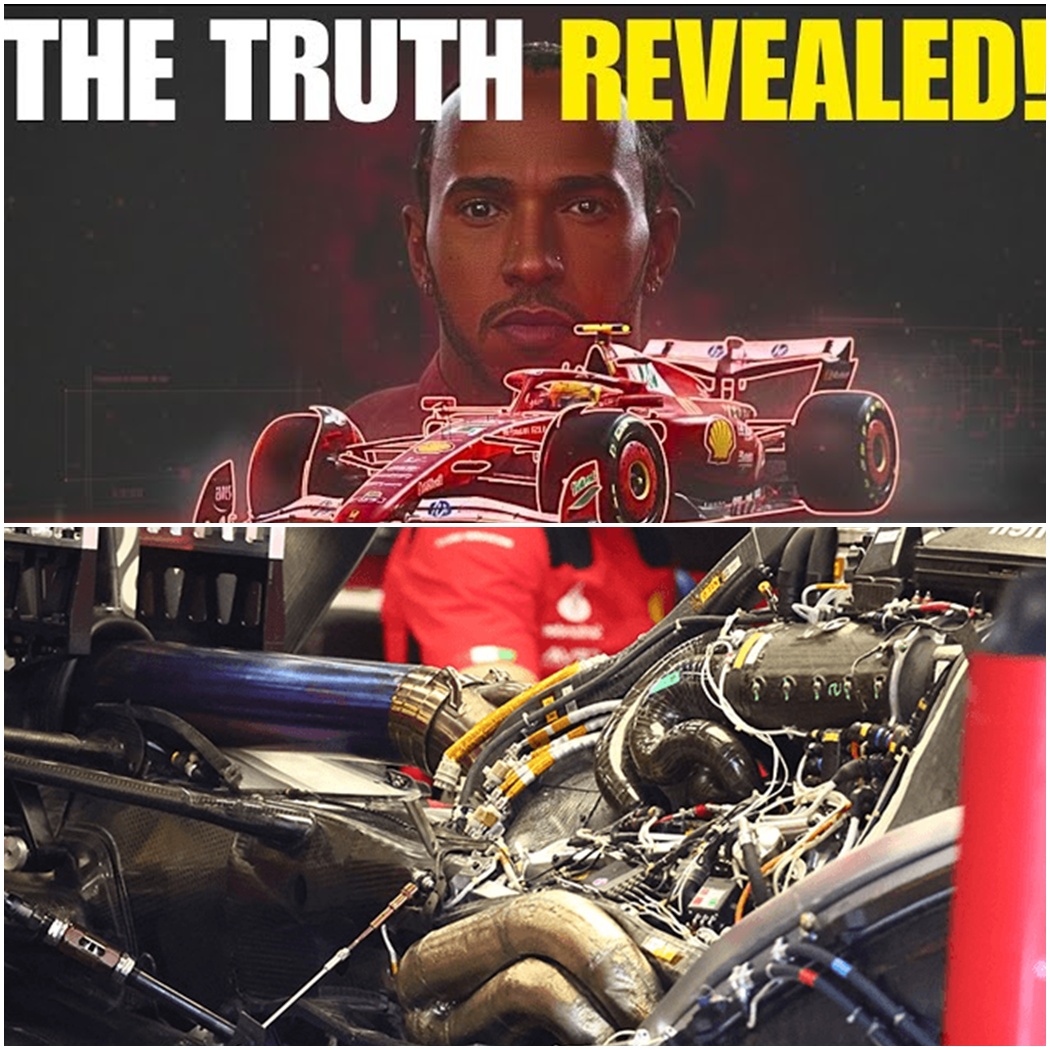
    Their solution? Embrace the weight. By using steel, the engine can withstand significantly higher temperatures and pressures, granting the SF26 a massive thermal advantage. On paper, it is a masterstroke of efficiency. On the track, it is a ticking time bomb. Steel is durable, but if the calculations are even slightly off, the engine could become a heavy, unreliable anchor, dragging the car—and Hamilton—to the back of the grid.

    Suspension: A Slave to the Air

    The radicalism doesn’t end with the engine. For decades, Ferrari prioritized mechanical stability, giving drivers a predictable platform. That era is dead. The SF26’s suspension has been redesigned to be a “slave to aerodynamics.”

    The front suspension is rigid, designed solely to lock the car into a precise ride height that maximizes airflow, sacrificing driver comfort entirely. At the rear, the suspension is incredibly compact, allowing for a monstrous diffuser to suck the car to the tarmac. This creates a vehicle with immense peak grip but zero tolerance for error. It is a “high-stakes machine” that turns a minor gust of wind or tire degradation into a potential spin. It is no longer a friend to the driver; it is a challenge.

    Hamilton’s Final Test

    This is where the narrative shifts from engineering to human drama. Ferrari didn’t just sign Lewis Hamilton for his marketing appeal; they signed him because he is a “precision pilot.” The SF26 is an unfriendly beast, and Maranello is betting that a seven-time world champion is one of the few humans alive capable of taming its aggression.

    To aid him, Ferrari has developed two distinct chassis specifications—one for high-speed circuits and another for street tracks—adding layers of logistical complexity to an already fragile situation. Hamilton is currently trapped in a pressure cooker. If the simulation data aligns with reality, he could lead Ferrari back to the promised land. If not, the “unfriendly” nature of the SF26 could expose him to further embarrassment.

    Win or Collapse

    There is no Plan B. Ferrari has gambled its leadership, its technical reputation, and its internal stability on this single vision. If the SF26 fails to perform from the first race, the scrutiny from the relentless Italian press could cause the Vasseur regime to crumble.

    The SF26 is a high-precision weapon, but like all such weapons, it is dangerous to the handler. Ferrari has built a car to dominate, not just to compete. As the lights go out in 2026, the world will find out if they have built a masterpiece or a monster. For Lewis Hamilton, and for Ferrari, it is quite simply all or nothing.

  • Ferrari’s Breakup with Haas Ignites a Political Firestorm: Is Colton Herta the First Casualty of Cadillac’s New Alliance?

    Ferrari’s Breakup with Haas Ignites a Political Firestorm: Is Colton Herta the First Casualty of Cadillac’s New Alliance?

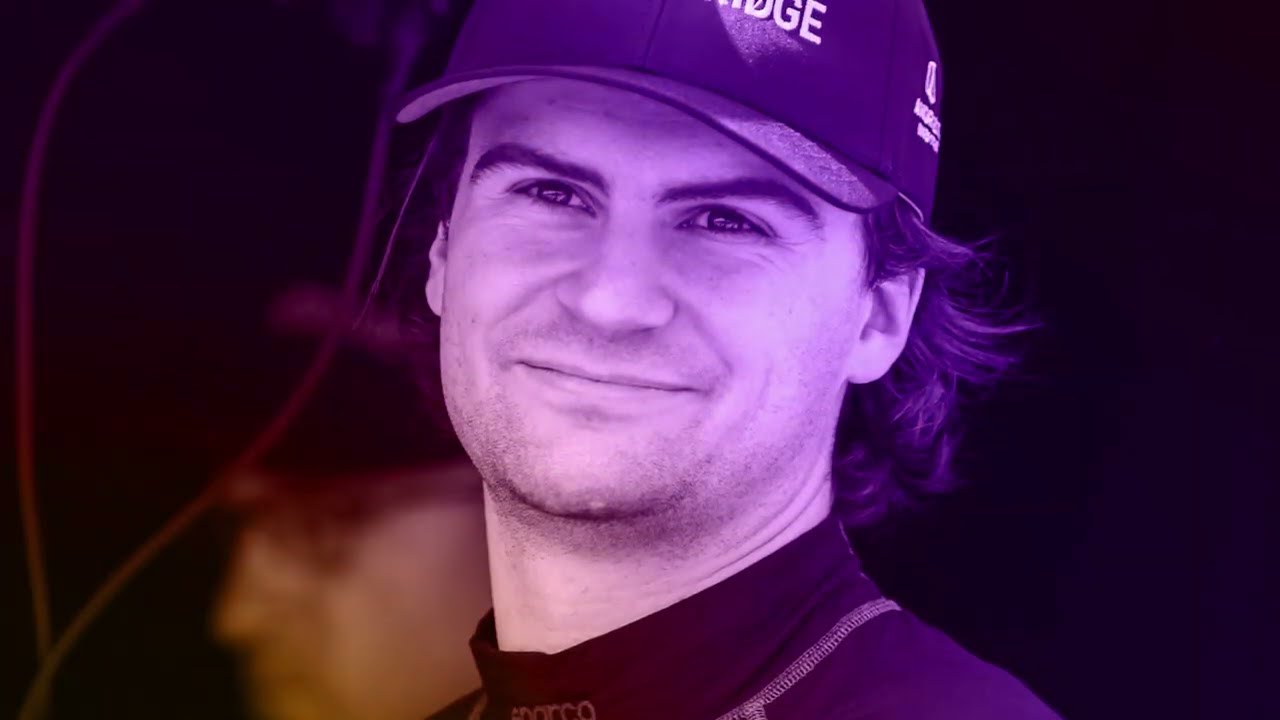
    The world of Formula 1 is rarely just about who drives the fastest car. It is a high-stakes chessboard of political alliances, manufacturer backroom deals, and brutal strategic pivots. As the 2026 season approaches, a seismic shift is occurring in the paddock—one that has left American hopeful Colton Herta fighting for his professional survival while cementing the future of China’s Zhou Guanyu.

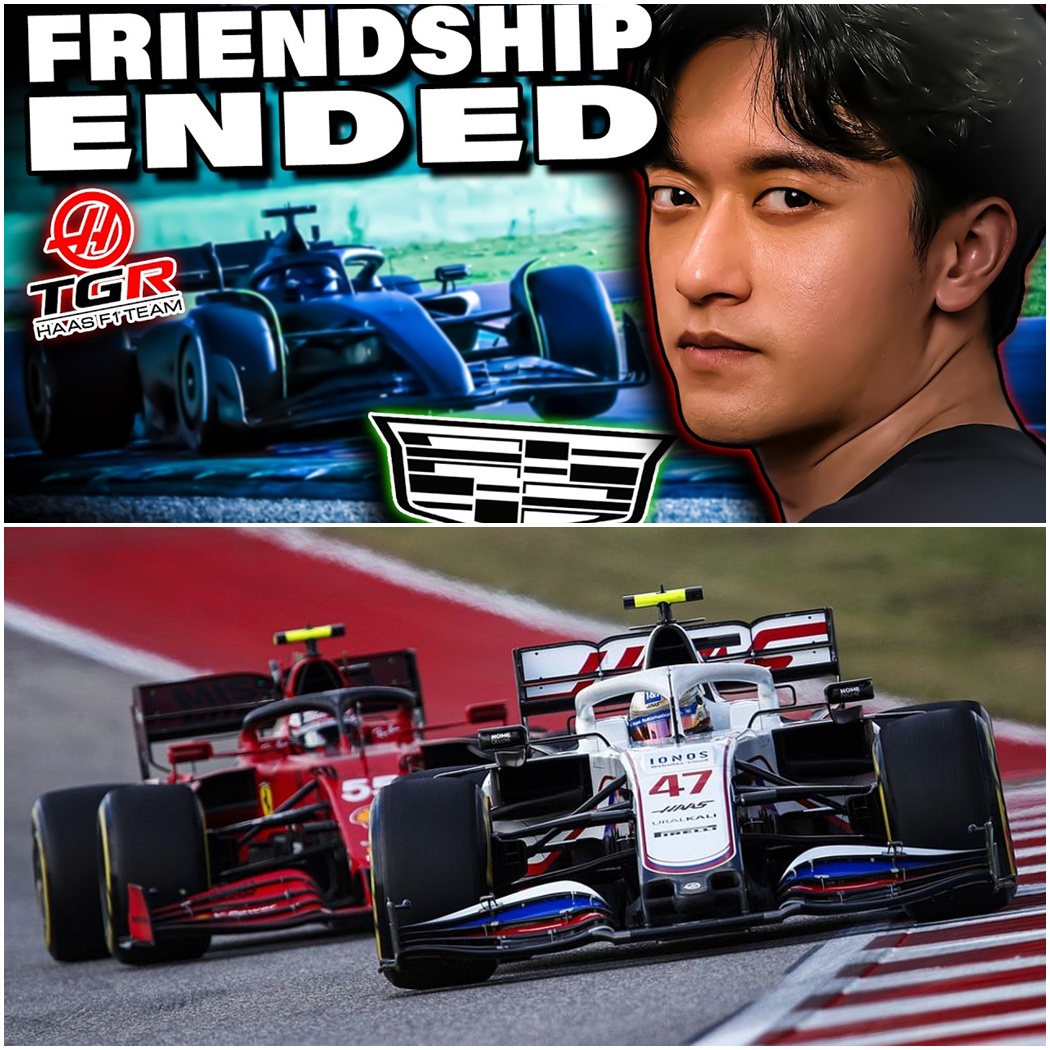
    The catalyst for this upheaval is the quiet but definitive “breakup” between Ferrari and its long-time customer team, Haas. For years, Haas served as a de facto junior squad for the Scuderia, a place to park developing talent and share technical know-how. But with Haas drifting toward a new, powerful partnership with Toyota Gazoo Racing (TGR), Ferrari found itself in need of a new loyalist. Enter Cadillac, Formula 1’s newest and arguably most ambitious entrant.

    The “American Dream” Meets a Rude Awakening

    For fans of American motorsport, the arrival of General Motors’ Cadillac brand was supposed to be the moment the Stars and Stripes finally conquered F1. The narrative was perfect: an American manufacturer bringing an American superstar, Colton Herta, to the global stage. But the reality has proven far harsher.

    While Herta has indeed joined the Cadillac fold, it is not as the race driver many hoped for, nor even as the primary reserve. Instead, Herta has been designated a “Test Driver” and sent to Formula 2—the junior feeder series—to earn his stripes. At 26 years old, Herta is older than several established F1 race winners, making his presence in a junior category a high-pressure, public audition that feels dangerously mistimed.

    To make matters worse, Cadillac recently confirmed Zhou Guanyu as their official Reserve Driver. Technically, this places the Chinese driver above Herta in the pecking order. If a race driver were to fall ill, it is Zhou, not Herta, who would likely step into the cockpit.

    The Zhou Advantage: Experience and Connections

    On paper, Zhou’s appointment makes perfect strategic sense. He brings three years of race experience with Sauber and a recent stint as Ferrari’s reserve driver. With Cadillac running Ferrari power units for their first three seasons, Zhou’s intimate knowledge of the Maranello systems is a “plug-and-play” asset that a newcomer like Herta simply cannot match. Cadillac’s primary goal in 2026 is survival—avoiding the embarrassment of mechanical failures—and Zhou is a safe pair of hands to help develop the car.

    However, deeper digging reveals a connection that has raised eyebrows in the paddock. Zhou’s long-time manager is none other than Graeme Lowdon, the newly appointed Team Principal of Cadillac F1. While Lowdon insists the decision was based purely on merit, the optics of a team boss hiring his own client have added a layer of intrigue to the announcement. It signals to Herta that talent alone may not be enough to break through the political ceiling of Formula 1.

    The Proxy War: GM vs. Toyota

    Perhaps the most fascinating element of this saga is playing out in the Formula 2 garage of Hitech Grand Prix. In a twist of fate that seems almost scripted, Colton Herta has been paired with Japanese driver Ritomo Miyata.

    This is not just a teammate rivalry; it is a corporate proxy war. Herta represents General Motors and Cadillac. Miyata is a factory driver for Toyota, placed there as part of the Japanese giant’s encroach into F1 via Haas.

    With Haas pulling away from Ferrari to embrace Toyota, and Cadillac stepping in to fill the void as Ferrari’s new close partner, the Hitech garage has become a microcosm of the grid’s future power struggle. Herta is under immense pressure to beat Miyata. If he fails to outperform a Toyota-backed driver in equal machinery, his claim to a future Cadillac seat weakens significantly. Conversely, if Miyata dominates, it validates Toyota’s push and could see Haas prioritizing Toyota talent over Ferrari juniors in the future.

    Ferrari’s Strategic Pivot

    For Ferrari, the rise of Cadillac could not have come at a better time. The Italian manufacturer needs a committed partner. The relationship with Haas has soured as the American team asserts its independence through the Toyota deal. Ferrari needs a team that will buy its engines, use its wind tunnel, and potentially field its junior drivers.

    Cadillac fits this role perfectly. By agreeing to use Ferrari engines until at least 2028, Cadillac has effectively become the new “B-team” that Haas used to be. This relationship might extend even further. While GM has plans to build its own engine for 2029, the looming possibility of a regulation change in 2031 (rumored to involve a return to V8s or synthetic fuels) could convince GM to delay their engine program. Why spend hundreds of millions developing a complex turbo-hybrid engine that might be obsolete in two years?

    If GM decides to stick with Ferrari power for the long haul, the bond between the two giants will only strengthen. This creates a powerful bloc: Ferrari and Cadillac on one side, facing off against the burgeoning alliance of Haas and Toyota.

    Colton Herta’s Fight for Survival

    Caught in the middle of these shifting tectonic plates is Colton Herta. His move to Formula 2 is a gamble of the highest order. He is leaving the security and stardom of IndyCar for a “shark tank” where he is expected to dominate immediately.

    If he succeeds, he proves that American talent can translate to European circuits and keeps the Cadillac dream alive. But the path is rigged with obstacles. He is fighting against a younger generation of drivers, a Toyota-backed rival in the same team, and a political structure at Cadillac that has already placed an experienced F1 veteran ahead of him in the queue.

    The 2026 season is shaping up to be a cold war of engines and influence. Ferrari has found a new American partner, but for the American driver at the center of it all, the dream of Formula 1 has never looked more like a distant, uphill battle.

  • Red Bull’s High-Stakes Gamble and Honda’s Alarm Bells: The Chaotic Road to 2026

    Red Bull’s High-Stakes Gamble and Honda’s Alarm Bells: The Chaotic Road to 2026

    The anticipation for the 2026 Formula 1 season has reached a fever pitch, and for good reason. We are standing on the precipice of one of the most significant regulatory overhauls in the sport’s history. With new power units, revised aerodynamics, and a complete reshuffling of the competitive order, the paddock is buzzing with rumors, leaks, and nervous energy. However, recent reports have shed light on a fascinating divergence in strategy among the top teams, specifically highlighting a bold, aggressive, and potentially risky approach from Red Bull Racing, contrasted sharply against the backdrop of concerning admissions from their former engine partner, Honda.

    As the grid prepares to descend on Barcelona and Bahrain for pre-season testing, the curtain is being pulled back on the secret preparations of F1’s giants. What is emerging is a picture of a season that could be defined by massive performance gaps, daring technical gambles, and a race against time to solve the “weight crisis” plaguing the new generation of cars.

    Red Bull’s Aggressive “All-In” Strategy

    In the world of Formula 1 testing, the standard operating procedure has long been one of deception and conservatism. Teams typically arrive at the first test with a “launch spec” car—a basic iteration designed to check systems and reliability—before introducing their true aerodynamic packages later in the pre-season or even at the first race. This strategy, often referred to as “sandbagging,” serves to hide technical secrets from rivals for as long as possible.

    However, reports indicate that Red Bull Racing is throwing this conventional wisdom out the window for 2026.

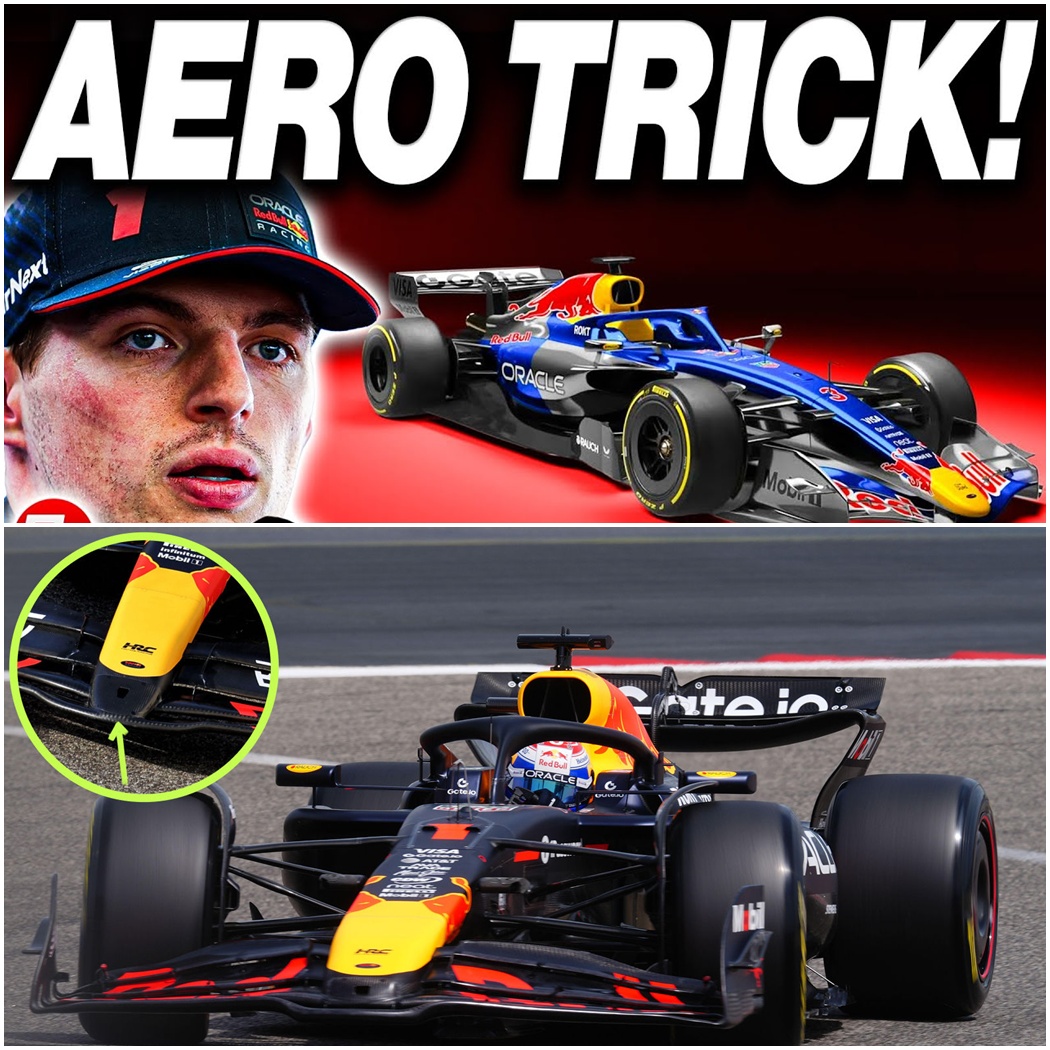
    According to emerging details, the Milton Keynes-based squad plans to arrive in Spain with a “fairly definitive” version of their 2026 contender, the RB22. Unlike their rivals, who are expected to roll out cars in various stages of evolution (Spec A, Spec B, etc.), Red Bull is reportedly going “very aggressive and very early.” The team intends to put their fastest available components on the track immediately, eschewing the game of hide-and-seek in favor of gathering crucial correlation data.

    This is a high-stakes gamble. By showing their hand so early, Red Bull risks giving rival aerodynamicists weeks to analyze and potentially copy their innovations before the lights go out in Melbourne. But the logic behind the decision is rooted in the immense challenge of the new regulations. In a year where everything changes, real-world data is worth more than secrecy. Red Bull appears to believe that understanding their own car’s behavior—specifically how it correlates with their simulator tools—is more valuable than hiding a clever floor edge or sidepod design from Ferrari or Mercedes.

    However, this strategy places immense pressure on the team’s design department. Without the legendary Adrian Newey steering the ship, the technical team must deliver a car that works right out of the box. If Red Bull hits the track in Barcelona with a fully developed aerodynamic package and it proves to be slow or unstable, they will have little time to pivot. They are effectively betting their season on their initial concept being correct. If they aren’t looking good early on, it signals a profound problem, as they won’t have a “Spec B” waiting in the wings to save them.

    The Honda Alarm: “Not Everything Is Going Well”

    While Red Bull plots its aerodynamic assault, a shadow has been cast over the power unit side of the 2026 equation. Honda, the manufacturer that powered Max Verstappen to his dominance, has issued a surprisingly candid and worrying update regarding their 2026 power unit project.

    In a sport where PR statements usually paint a picture of “sunshine and rainbows,” the President of Honda Racing Corporation (HRC) has admitted that, frankly, “not everything is going well.” While he clarified that no “fatal” errors have occurred, the admission that they are struggling in multiple areas is a stark contrast to the confident noises coming from other manufacturers.

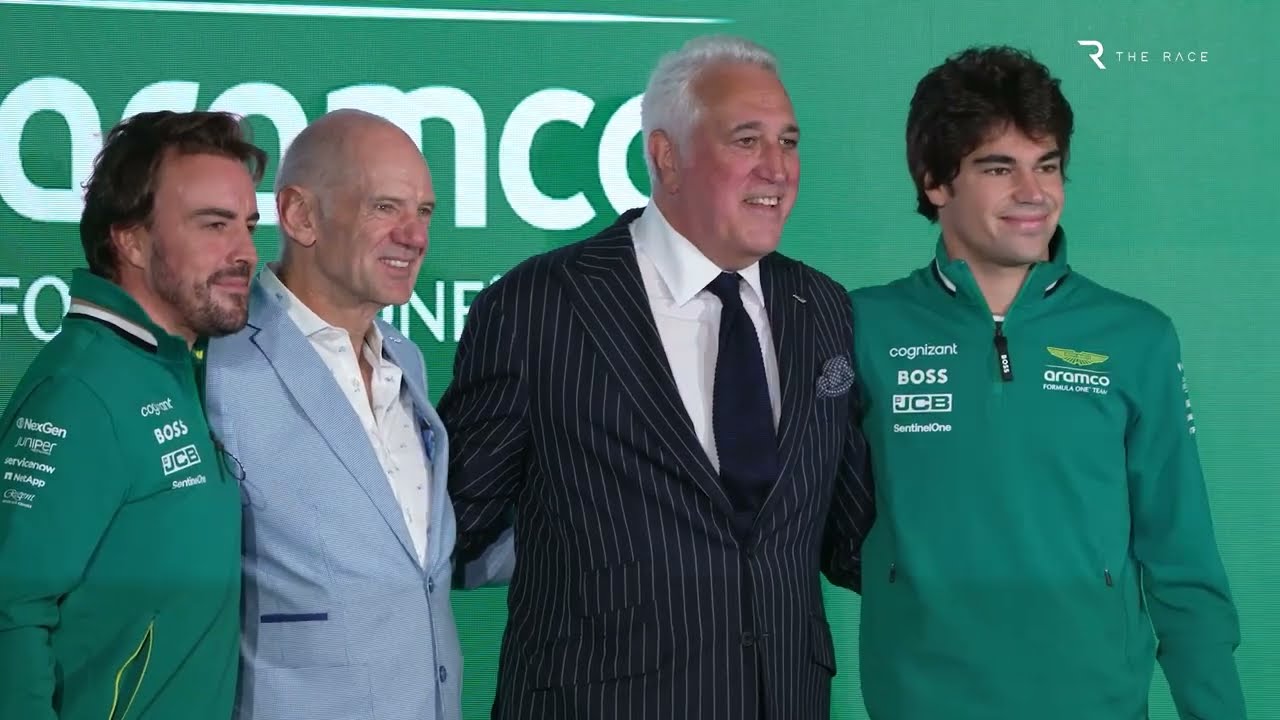
    This revelation sends shockwaves not just through the Honda camp, but directly toward Aston Martin. The Silverstone-based team has bet its future on becoming the factory Honda works team for the new era. They have assembled a “super team” on paper, acquiring Adrian Newey, building a state-of-the-art factory, and retaining Fernando Alonso. Yet, in Formula 1, you are only as fast as your engine allows you to be.

    The 2026 power unit regulations involve a massive shift, with a 50/50 split between the internal combustion engine and electrical power. It is a complex engineering challenge, and rumors suggest the performance spread between the best and worst engines could be enormous—potentially as much as half a second per lap. If Honda is indeed on the back foot, Aston Martin could find themselves with the best aerodynamicist in history designing a car that is simply powerless on the straights.

    Honda’s history in the turbo-hybrid era is a tale of two extremes: the disastrous early years with McLaren and the triumphant partnership with Red Bull. This new hesitation brings back memories of the former, raising valid concerns about whether they can deliver a competitive package immediately against the likes of Ferrari, Mercedes, and the nascent Red Bull Ford Powertrains effort.

    Audi’s Debut and the Suspension Debate

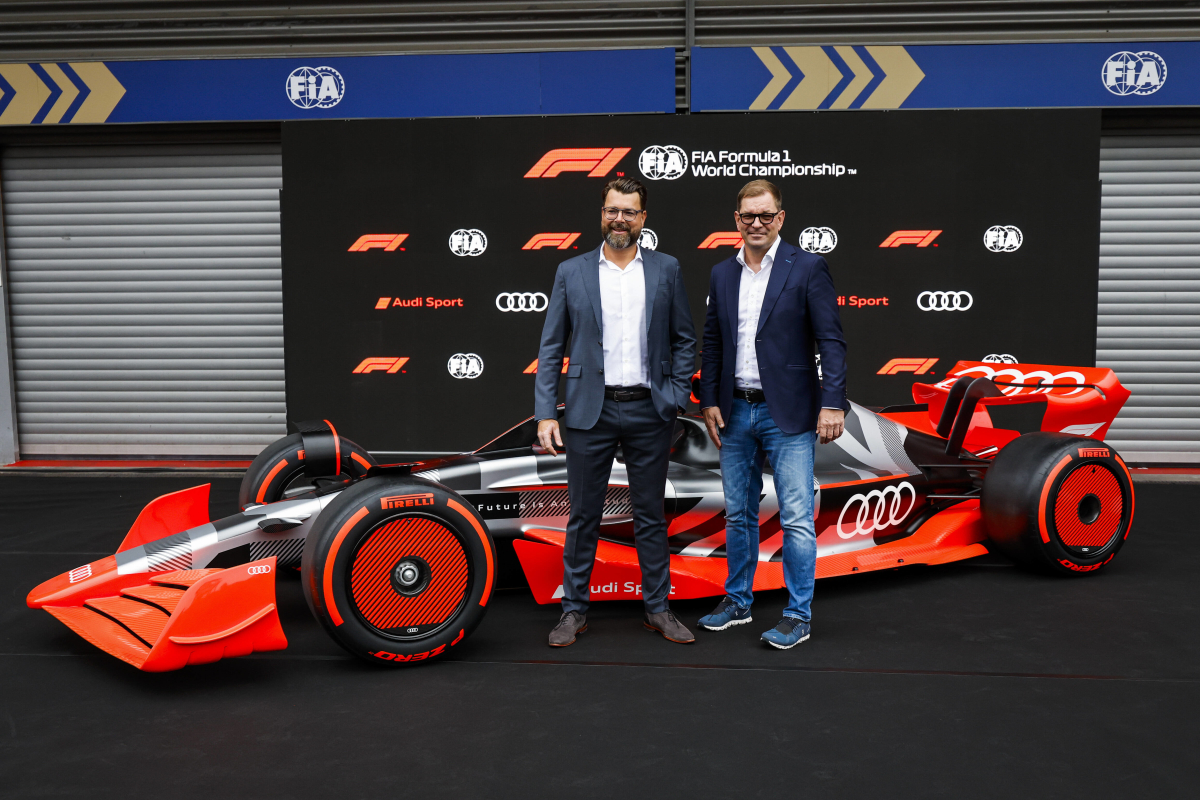
    Amidst the drama of the established giants, a new challenger has officially hit the tarmac. Audi, taking over the Sauber entry, recently completed a shakedown of their first-ever Formula 1 car. While the images circulating online have been a mix of blurry spy shots and AI-generated fakes, legitimate details have begun to surface.

    The most notable technical takeaway from Audi’s debut is their suspension choice. It appears the German manufacturer has opted for a push-rod front suspension setup, aligning themselves with the vast majority of the grid. This marks a departure from the pull-rod philosophy that Red Bull utilized to devastating effect during the ground-effect era. The consensus seems to be that while pull-rod offered aerodynamic advantages in the previous regulation set, the 2026 rules may favor the mechanical simplicity and packaging of a push-rod system.

    Furthermore, those present at the track noted a distinct difference in the sound of the Audi power unit. With the increased reliance on electrical energy, the auditory signature of the cars is changing. The engine note is described as having a different character, dominated more by the electrical whine and deployment noises than the guttural roar of the past. It serves as a visceral reminder that the sport is entering a new technological age.

    The Weight Crisis and Field Spread

    One of the less glamorous but most critical battles being fought in the factories is the war on weight. The FIA has mandated a significant reduction in the minimum weight of the cars for 2026—cutting it by approximately 30kg. However, achieving this is proving to be a nightmare for engineers.

    The 2026 cars are naturally heavier due to the larger batteries required for the hybrid system and more stringent crash test safety standards. To strip 30kg out of a car that is naturally inclined to be heavier than its predecessor is an engineering Herculean task. Ferrari, for instance, is reportedly obsessing over gearbox optimization and shedding grams wherever possible, knowing that weight is lap time.

    Experts estimate that 10kg of weight is roughly equivalent to three-tenths of a second per lap. If a team like Ferrari or Red Bull can hit the minimum weight while others are 10-20kg over, they will have a massive inherent advantage before aerodynamics even come into play.

    This disparity in weight, combined with the potential variances in engine performance, has led to grim predictions about the competitiveness of the field in the early stages of 2026. Unlike the incredibly tight margins we see today, where the entire grid is often separated by a second in qualifying, 2026 could see a field spread of three to four seconds. We may return to an era where the backmarkers are lapped multiple times, and the difference between the “haves” and “have-nots” is cavernous.

    Conclusion: A Season of Unknowns

    As we look toward the 2026 season, the only certainty is uncertainty. Red Bull is taking a massive risk by revealing their hand early, betting that their design quality will outweigh the disadvantage of showing their cards. Honda is battling technical gremlins that could derail Aston Martin’s super-team dream before it begins. And Audi is stepping into the ring as a complete unknown.

    The first test in Barcelona will not just be a practice run; it will be a revelation. We will see who has mastered the weight limits, who has built a rocket ship of an engine, and who has fumbled the biggest regulation change in a generation. For the fans, the “silly season” of technical drama has only just begun.

  • Heartbroken dad of Jules Bianchi in public plea after tragic F1 star’s last-ever go-kart stolen in shocking robbery

    Heartbroken dad of Jules Bianchi in public plea after tragic F1 star’s last-ever go-kart stolen in shocking robbery

    Thieves also took other motor goods belonging to relatives

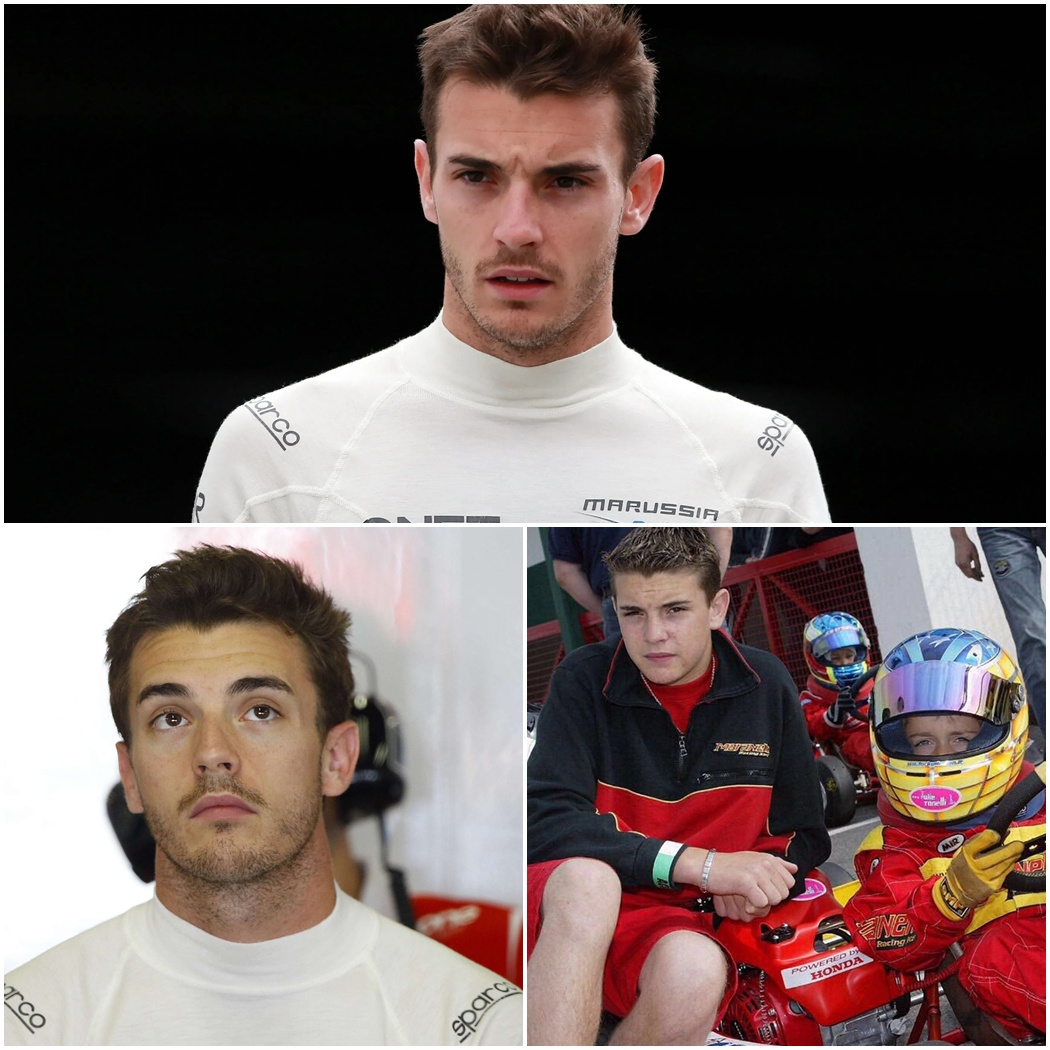
    JULES BIANCHI’S heartbroken dad issued a public plea after the tragic F1 star’s last-ever go-kart was stolen in a shocking robbery.

    Bianchi was just 25 years old when he sadly passed away in 2015.
    Jules Bianchi’s heartbroken dad issued a public plea after his last-ever go-kart was stolenCredit: PA:Press Association
    The ace was racing in the 2014 Japanese Grand Prix for Maruissa when he lost control of his car.

    Bianchi crashed into a recovery vehicle and suffered severe head damage, placing him in a coma for nine months.

    His legacy continues to this day, with safety in F1 continuing to paramount for drivers.

    But now, Bianchi’s dad Philippe has revealed that his son’s last go-kart has been stolen in a shocking robbery.

    Philippe told fans that nine karts were pinched by audacious thieves.

    And one of them included Bianchi’s treasured final motor.

    The brazen robbers even took mini karts belonging to Philippe’s grandkids.

    He has now issued a heartfelt plea on social media for any help in finding the stolen karts.

    Philippe said: “Dear friends, tonight I am addressing my karting family.

    “Last night we were burgled and the unscrupulous thieves made off with nine JB17 Forever chassis.

    “Even worse, they stole Jules’ last kart, a KZ 125 ART GP model, as well as my grandsons’ mini karts.

    “Apart from the value of the machines, it is the sentimental value that hurts us.

    “If you see any JB17 karts in circulation, please let me know. Thank you in advance.”

  • Ferrari in Crisis Mode: Leaked Reports Allege ‘Chaos’ and Critical Delays Ahead of 2026 Revolution, While Russell Exposes ‘Brutal’ Safety Cover-Up

    Ferrari in Crisis Mode: Leaked Reports Allege ‘Chaos’ and Critical Delays Ahead of 2026 Revolution, While Russell Exposes ‘Brutal’ Safety Cover-Up

    The Formula 1 world is holding its collective breath. As the sport stands on the precipice of its most significant regulatory overhaul in a decade, the tension in the paddock is palpable. The 2026 season isn’t just a new chapter; it is an entirely new book, featuring lighter cars, active aerodynamics, and a radical shift in power unit regulations. But while fans dream of a grid reset that could topple the existing hierarchy, alarming reports emerging from Maranello suggest that the sport’s most iconic team, Ferrari, might be stumbling before the race has even begun.

    Simultaneously, as we close the door on the controversial “ground effect” era that defined the sport from 2022 through 2025, shocking revelations from Mercedes driver George Russell have cast a dark shadow over what drivers were forced to endure. In a candid and disturbing admission, Russell has revealed that the physical battering drivers faced was considered too dangerous for their own engineers to experience—even in a virtual simulator.

    Panic at the Prancing Horse?

    The headline story dominating the news cycle this week concerns the state of readiness at Scuderia Ferrari. Following a disappointing 2025 campaign where the team slid to fourth in the Constructors’ Championship, hopes were pinned entirely on the 2026 reset. With seven-time World Champion Lewis Hamilton joining Charles Leclerc, the expectations for the Italian outfit are stratospheric. However, according to explosive new reports from AutoRacer and Racing News 365, the atmosphere inside the Gestione Sportiva is far from celebratory.

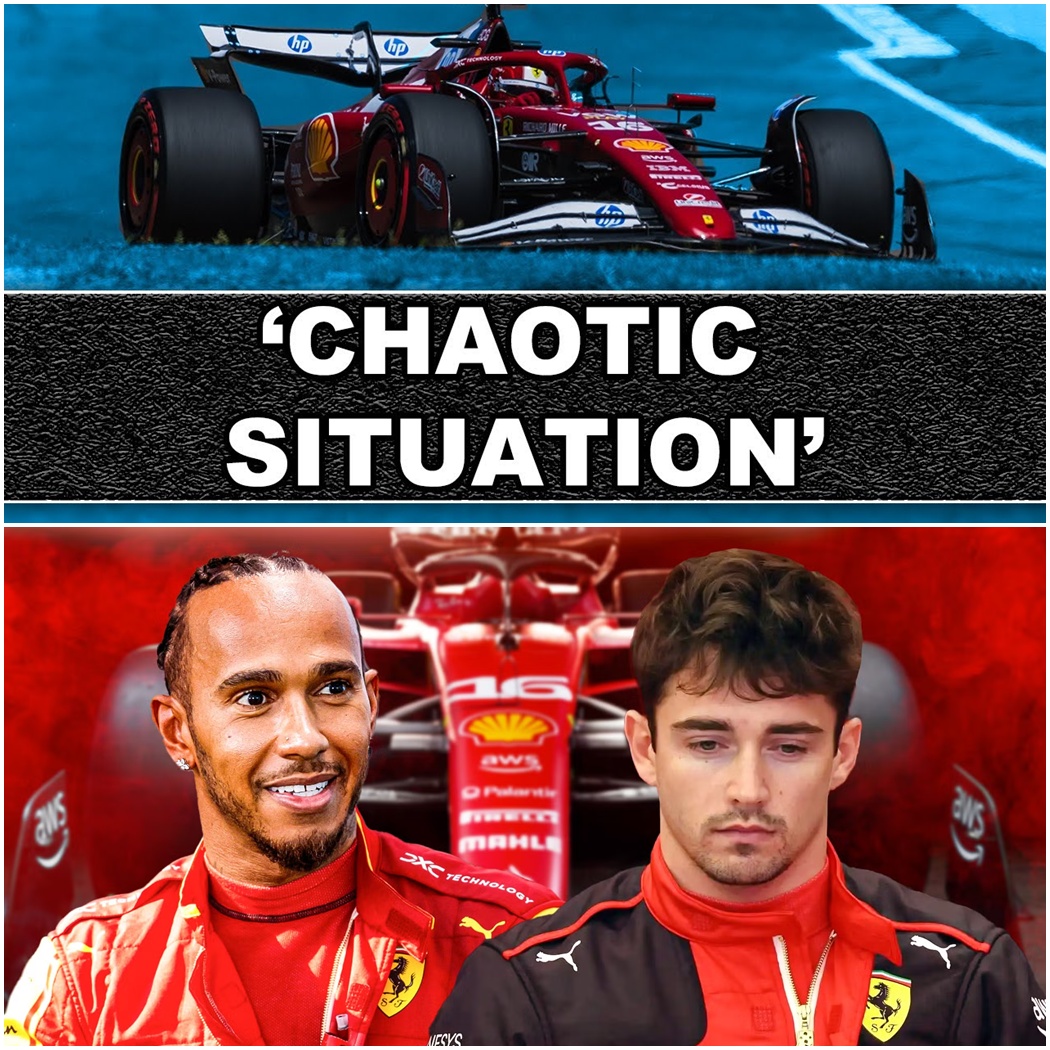
    Sources describe the current situation regarding the 2026 car’s development as “chaotic.” While the chassis design has reportedly been signed off and both Hamilton and Leclerc have completed their necessary seat fittings, a critical milestone has been missed: the fire-up.

    In the world of Formula 1 car production, the “fire-up”—the moment the engine is ignited within the chassis for the first time—is a pivotal moment. It breathes life into the machine and allows engineers to check for leaks, system integration issues, and cooling efficiency. Typically, this milestone is reached weeks before the car is due to hit the track. Yet, with the first pre-season test in Barcelona looming at the end of January, reports indicate that Ferrari has not yet fired up their 2026 challenger.

    This delay is raising serious red flags. A delayed fire-up eats into the precious buffer time teams have to troubleshoot the inevitable “teething problems” of a new car. If an issue is discovered now, the team has almost zero margin for error before the trucks leave for Spain.

    Ferrari Team Principal Frederic Vasseur has attempted to manage expectations, noting that while the specific aerodynamic flaws of the SF25 are gone, the radical new rules guarantee that teams will face an entirely new set of problems.

    “I think the philosophy of the car in 2026 will be completely different,” Vasseur admitted, hinting at the massive undertaking the team is facing. “Mainly because half of the car won’t be the same. The issue that we had all of last season won’t be there, but we’ll have other issues for sure.”

    The decision to schedule the car’s public reveal just two days before the first test suggests a team pushing its deadlines to the absolute limit. Is this an aggressive strategy to maximize development time, or a frantic scramble to assemble a delayed machine? For the Tifosi, and indeed for Lewis Hamilton, the silence from the engine bay is becoming deafening.

    “Too Dangerous” for the Simulator

    While Ferrari fights the clock, George Russell has chosen this moment of transition to speak out about the physical toll of the era we have just left behind. The ground effect regulations, introduced in 2022, brought with them the phenomenon of “porpoising”—violent, high-frequency bouncing caused by the car stalling and re-attaching its aerodynamic seal to the track.

    Drivers frequently complained of back pain and headaches, but Russell’s latest anecdote reveals just how severe the forces really were. He disclosed that he and his former teammate, Lewis Hamilton, wanted to show the Mercedes design team exactly what they were dealing with. Their plan was simple: put a chief designer in the team’s advanced simulator and run a replay of a lap around the bumpy Baku City Circuit, replicating the suspension movements they felt in the cockpit.

    The response from the team’s Health and Safety officer was a flat, non-negotiable “no.”

    “The health and safety officer said it was too dangerous,” Russell revealed. “So it just gives a bit of perspective. You’re driving around for an hour and a half, you’re shaking all over the place—your back, your body, your eyes.”

    The implication is staggering. The very people designing the cars were forbidden from experiencing a simulation of the ride quality because it could cause injury, yet the drivers were sent out to race in those conditions for two hours every Sunday for four years.

    Russell painted a terrifying picture of the dangers involved, specifically referencing the Las Vegas Grand Prix. “I remember the first year I went to Vegas, I couldn’t see the brake marker boards because the car was hitting the ground so aggressively,” he said. “I was doing 240 mph and you couldn’t see it.”

    This admission highlights a period of Formula 1 where driver welfare arguably took a backseat to aerodynamic philosophy. Russell’s relief at the end of this era is palpable. “Glad we’re moving away from this now,” he stated, echoing the sentiments of half the grid who suffered similar issues.

    A Shock to the Order?

    Looking ahead, the 2026 regulations offer a glimmer of hope for teams that have been languishing in the midfield. The new power unit regulations, which place a greater emphasis on electrical power, have fueled rumors that Mercedes has produced a monster of an engine.

    If the speculation is true, this could not only propel the factory Mercedes team back to the front but also revitalize their customer teams. Russell hinted that we could see a major shake-up in the competitive order.

    “It wouldn’t surprise me to see Williams and Alpine be up there this year,” Russell speculated. Such a resurgence would be a fairy tale for Williams, a team that has spent much of the last decade fighting for survival, and a much-needed boost for Alpine.

    As we count down the days to the Barcelona test, the narratives are set. On one side, we have the human relief of drivers escaping the brutal ground effect cars. On the other, we have the technical suspense of a new era. And right in the center of the storm is Ferrari—a team with the sport’s biggest stars, the highest pressure, and, if reports are to be believed, a car that is currently sitting silent in the garage.

    The 2026 season hasn’t started yet, but the drama is already redlining.

  • Audi Silences the Doubters: The Secret “Shakedown” That Just Upended the 2026 F1 Pre-Season

    Audi Silences the Doubters: The Secret “Shakedown” That Just Upended the 2026 F1 Pre-Season

    In the high-stakes, adrenaline-fueled world of Formula 1, silence is rarely a good sign. For nearly four years, the silence surrounding Audi’s highly anticipated entry into the sport was deafening, filled only by the nervous murmurs of skeptics and the frustrated sighs of fans. Was the German automotive giant getting cold feet? Was the project in Hinwil falling apart behind closed doors? But in a single, decisive afternoon, the narrative shifted violently. Audi didn’t just break the silence; they shattered it with the roar of a proprietary engine and the confident stride of a team that has finally arrived.

    The “Ghost” Comes to Life

    For the better part of a year, the F1 community has been awash with rumors. The transition from Alfa Romeo to the interim “Stake” branding felt chaotic, a neon-green purgatory that left many wondering if the team was serious about its future. But whoever made the call to authorize Audi’s recent “shakedown”—a private test session held weeks before the official pre-season schedule—deserves not just a raise, but a standing ovation.

    Before a single livery has been officially launched for the 2026 season, Audi has managed to become the talk of the town. This wasn’t just a technical exercise; it was a statement of intent. The headline news? The car didn’t explode. It sounds like a low bar, but in the complex world of new engine regulations, reliability is the holy grail. For the first time in the history of the Sauber team, they are not relying on a customer engine from Ferrari, BMW, or Mercedes. This is a homegrown, Hinwil-built beast, and it ran without a hitch.

    The Binotto Effect: Confidence in a Coat

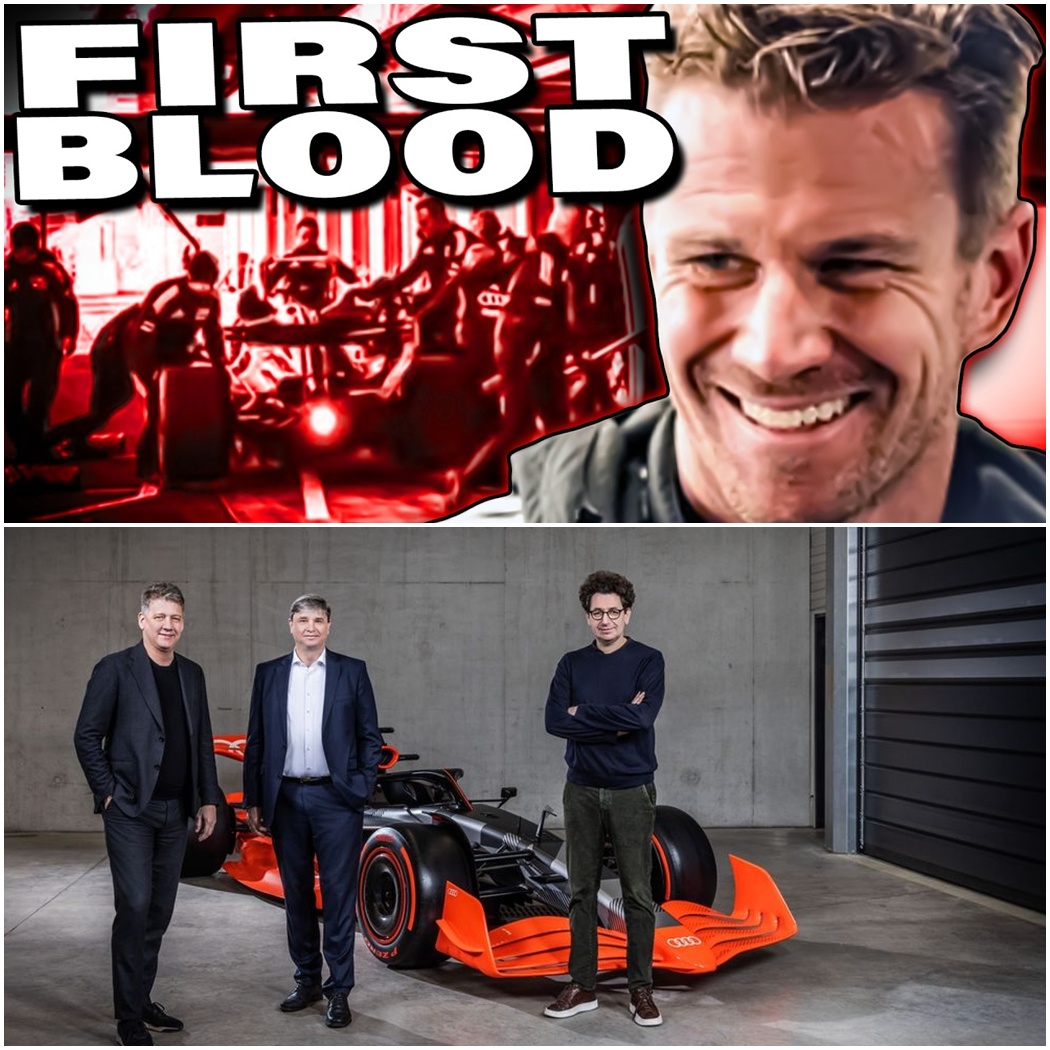
    Central to this transformation is Mattia Binotto. The former Ferrari boss, once the face of the Scuderia’s strategic blunders, has been reborn as the architect of Audi’s rise. Images from the shakedown showed Binotto in a long, stylish coat, exuding a level of calm confidence that was visibly absent during his final days at Maranello. He didn’t look like a man worried about thermal degradation or turbo failures; he looked like a man who had successfully overseen a miracle.

    The psychological impact of this cannot be overstated. Since Binotto took the reins, the project has shifted from a nebulous corporate promise to a tangible racing operation. His presence, alongside the incoming Jonathan Wheatley from Red Bull, has given the Audi project a solid foundation. This is no longer a team of “what ifs.” It is a team of “here we are.” The “rough weather” fans—those loyal souls who stuck by the team through the dismal Stake era—are finally seeing the sun break through the clouds.

    Breaking the 30-Year Chain

    To understand the magnitude of this shakedown, one must look at the history of the Hinwil-based squad. For nearly three decades, they have been the “customer,” the “partner,” the team that takes what is given. Whether it was the Ferrari power units of recent years or the BMW partnership of the late 2000s, they were always dependent on external suppliers.

    That era is over. Audi has successfully implemented their own power unit into their own chassis. They have plugged their own heart into the car, filling the void left when Ferrari took their “toys” and went home to Maranello. This compatibility check—ensuring the engine talks to the chassis, the electronics communicate with the pit wall, and the cooling systems actually cool—is a monumental engineering feat. By doing this successfully on their first try, and doing it weeks ahead of the competition, Audi has gained a massive strategic advantage. While other teams are still running simulations, Audi has real-world data. They are no longer humming and hawing; they are revving.

    The Aesthetics of Competence

    Let’s talk about the look. Formula 1 is as much about image as it is about speed, and the “Stake” era was, to put it politely, an aesthetic disaster for many purists. The loud, chaotic green branding felt unprofessional—a stop-gap solution for a backmarker team.

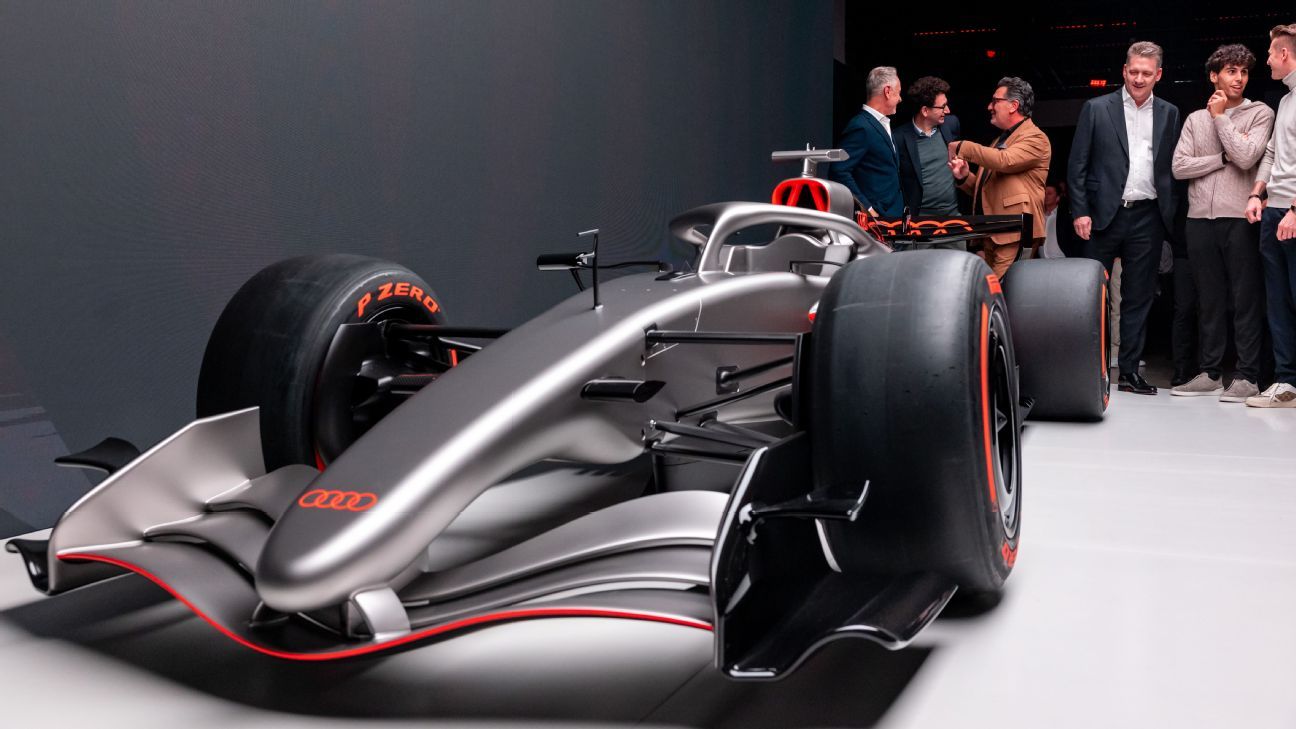
    The Audi shakedown footage, grainy as it was (reminiscent of “glorious YouTube 2006 mode”), revealed a car that looked menacing, sleek, and undeniably professional. The red, silver, and black motif is a psychological cleanse for the fanbase. It screams “factory team.” It screams “German engineering.” Even the team kit, with its stark, monochromatic design, looks harder and more serious than the fashion-forward attempts of competitors.

    This attention to detail matters. It signals to the world—and specifically to potential sponsors and fans—that the clown show is over. The “Kick Sauber” days are behind us. Audi has obsessively researched how their colors will look on TV, ensuring they stand out with a clean, bleeding-edge aesthetic. It is a choice, a political and artistic statement that they are here to do business.

    A Signal to the Paddock

    Perhaps the most brilliant aspect of this early shakedown is the message it sends to the labor market. F1 is a war for talent. Engineers and mechanics want to work for winners, or at least for projects that are stable and ambitious.

    For months, rival teams likely whispered that Audi was behind schedule, a mess, a risk. By firing up the engine as early as December 19th and running a trouble-free shakedown in January, Audi has effectively put up a “Now Hiring” sign that glows with credibility. Engineers sitting on the fence, tempted by Audi’s offers but fearful of joining a sinking ship, now have proof of life. They see a functional car, a happy Mattia Binotto, and a team that is beating the established giants to the punch. It transforms Audi from a risky career move into an exciting frontier.

    Managing Expectations: The 2030 Goal

    Despite the hype, the team remains grounded. The narrative hasn’t shifted to “Audi will win the championship in 2026.” That would be foolish. The stated goal remains regular wins by 2030. However, this successful test makes that timeline feel logical rather than delusional.

    The mission for 2026 is reliability. In a season with a massive “rules reset,” the team that finishes is the team that scores. If Audi can be the reliable, steady hand in a chaotic midfield, they will pick up points through attrition alone. They don’t need to be the fastest on day one; they just need to be the most prepared. With full control over their package—no compromises like Aston Martin having to work around a Mercedes gearbox—Audi can optimize every millimeter of their car.

    The Dream Team: Binotto, Wheatley, and the Drivers

    The leadership structure is arguably Audi’s greatest asset. You have Mattia Binotto, an engine guru with a point to prove, finally free from the toxic micromanagement of Ferrari’s corporate overlords. You have Jonathan Wheatley, the sporting director genius from Red Bull, who knows how to win championships and manage race weekends better than almost anyone.

    Then there are the drivers. Nico Hülkenberg, a veteran experiencing a renaissance, and Gabriel Bortoleto, the exciting rookie talent. This combination of experience and youth, guided by a “dream team” of management, creates a stable platform. It’s not a “super team” yet, but it’s a functional, harmonious unit.

    Conclusion: Reality Has Arrived

    The private test in Barcelona was more than just 42 laps of a circuit. It was the moment reality caught up with simulation. While other teams are still trusting their computers, Audi has tasted the tarmac. They have successfully built a bridge from the “what if” to the “what is.”

    F1 executives must be breathing a sigh of relief. The fear that the 2026 regulations would produce ugly cars or silent engines is fading. Audi’s car looks good, sounds distinct, and works. The “German spark” is back, potentially reigniting hopes for a return of the German Grand Prix.

    Audi has taken control of the narrative. They are no longer the ghost at the feast; they are the first ones at the table, fork in hand, ready to eat. The 2026 season hasn’t even started, but Audi has already won the pre-season.

  • Leclerc’s Last Stand: The “Steel Heart” Gamble and the Ultimatum That Will Define Ferrari’s Future

    Leclerc’s Last Stand: The “Steel Heart” Gamble and the Ultimatum That Will Define Ferrari’s Future

    The atmosphere within the hallowed halls of Maranello has shifted. Gone is the romantic optimism that usually permeates the launch of a new Formula 1 campaign. In its place hangs a heavy, suffocating tension. As the calendar turns to the pivotal weeks of January 2026, Charles Leclerc, the man once anointed as the savior of the Scuderia, finds himself staring down the barrel of the most brutal reality of his professional life.

    For seven long seasons, the Prince of Monaco has sacrificed his prime years for the red suit. He has been the dutiful soldier, the lightning-fast qualifier, and the emotional core of a team that has arguably taken more from him than it has given. But as the championship trophies continue to stack up in the cabinets of his rivals—Max Verstappen and Lando Norris—Leclerc is waking up to a painful truth: loyalty in Formula 1 is a luxury he can no longer afford. The 2026 season is not just another attempt at glory; it is a definitive ultimatum.

    The Strategic Surrender of 2025

    To understand the gravity of the current situation, one must look back at the wreckage of the 2025 season. It was billed as the dawn of the Hamilton-Leclerc “Dream Team,” a lineup destined to bring the Constructors’ Championship back to Italy. Instead, it devolved into a year of organizational despair and strategic surrender.

    While McLaren and Red Bull were ruthlessly extracting every millisecond of performance from their aero packages, battling tooth and nail for supremacy, Ferrari made an unprecedented and controversial decision. By mid-April 2025, Maranello effectively halted development on the SF25. It was a white flag waved before the battle had even truly begun. This decision left Leclerc fighting a losing war for nearly nine months, forced to overdrive a car that was inherently unstable, technically stagnant, and simply not competitive.

    For a driver who has heard the refrain “next year is our year” for nearly a decade, the 2025 sacrifice felt like the ultimate breach of contract. Leclerc outqualified a seven-time World Champion and dragged a mediocre chassis to podium finishes through sheer force of will, but the internal data painted a bleak picture. The team had lost its way. This institutional failure cost Ferrari more than just points; it cost them the blind faith of their most loyal asset. Leclerc no longer trusts the promises of team principals or the romance of the Prancing Horse. He only trusts the stopwatch, and for the last twelve months, that stopwatch has been his worst enemy.

    Project 678: A Metallurgical Heresy

    Deep within the secretive logistics buildings in Maranello, Enrico Gualtieri and his engineering team have been working in isolation, ignoring every established rule of the hybrid era to forge what is being called “Project 678.” This is not an evolution; it is a revolution born of desperation.

    The technical leaks emerging from the factory are nothing short of shocking. The engineering team has reportedly abandoned the industry-standard aluminum construction for the engine block. In its place, they have developed a revolutionary copper-infused steel alloy cylinder head. In the weight-obsessed world of Formula 1, using steel over aluminum is considered “metallurgical heresy.” It adds a significant weight penalty to the V6 power unit, a handicap that usually spells disaster.

    However, the method to this madness lies in the pressure. This new “Steel Heart” is designed to withstand a staggering 4.8 bar of turbo boost—a pressure level that would simply melt the aluminum cores of the rival Mercedes or Audi power units. While the engine is heavier, the steel alloy allows Ferrari to maintain peak thermal equilibrium and aggressive ignition timing for a full race distance without the risk of degradation or detonation.

    Leclerc has seen the initial dyno reports, and the numbers are terrifyingly high. It is a gamble on physics, trading the agility of light weight for sheer, unyielding power. If this steel heart beats with the rhythm Gualtieri predicts, it will be the most robust and powerful engine in history. If the calculations are wrong, it will be a heavy anchor dragging Leclerc’s career to the bottom of the grid.

    The Return of the Push Rod

    The technical overhaul extends beyond the engine bay. The SF26 marks a total kinematic reset for Ferrari, featuring a return to a push-rod suspension layout at both the front and the rear. This is the first time since 2010 that Maranello has fully committed to this configuration, and for Leclerc, this change is deeply personal.

    Throughout the ground-effect era, Leclerc has battled a “nervous” car. The Ferrari front end has been unpredictable, often snapping into oversteer or washing out in understeer without warning. This trait has prevented him from trusting the car at the absolute limit, neutralizing his greatest strength: his ability to dance the car through corners.

    The new push-rod configuration is designed to provide a vastly more stable mechanical platform. It is specifically engineered to handle the rapid-fire transitions of the 2026 active aerodynamics regulations. As the car shifts between the low-drag “X-mode” on straights and the high-downforce “Z-mode” in corners, the push-rod geometry ensures the platform remains level, maintaining a consistent aerodynamic map. Leclerc has reportedly spent hundreds of hours in the simulator refining the damping curves of this new system, desperate to find the mechanical grip that has eluded him for years.

    The Ghost of Jean Alesi

    While the engineers battle with physics, Leclerc is battling ghosts. History is a cruel presence in the corridors of Maranello, and the specter of Jean Alesi is starting to haunt Charles Leclerc with terrifying frequency.

    Like Leclerc, Alesi was the soul of the Scuderia in the 90s—a driver of immense raw speed, passion, and emotional depth who gave his heart to a team that failed to give him a winning machine. Alesi left Ferrari with only one win, a hero loved by millions but ignored by the record books. As Leclerc approaches his 30s, the label of “young talent” has dissolved, replaced by the heavy weight of unfulfilled potential.

    He watches his generational peers secure their legacies while he remains stagnant. The risk of becoming the next Alesi is now a daily reality. This generational gap is a psychological wound that only a 2026 championship can heal. The ultimatum he has delivered to team boss Fred Vasseur is born from a fear that his legacy is being written in the sand while his rivals carve theirs in granite.

    The Sharks are Circling

    While Ferrari struggles to redefine its identity, the sharks of the paddock smell blood. The loyalty of Charles Leclerc is no longer a guarantee; it is a commodity up for auction.

    Reports suggest that Lawrence Stroll has placed a blank check on the table for Leclerc to lead Aston Martin in 2027. The offer is tempting not just for the money, but for the assets: the aerodynamic wizardry of Adrian Newey and the industrial might of Honda. On the other side of the garage, Toto Wolff has strategically kept a seat warm at Mercedes, waiting for the July deadline in Leclerc’s contract to be triggered.

    These are not just career moves; they are rescue missions. Leclerc knows that with the 2026 regulations reset, jumping to a project led by Adrian Newey is the most logical step for a man who values a trophy over a red suit. His management team has already established exploratory channels with both Silverstone and Brackley. The message to Maranello is crystal clear: provide a winning car by the summer break, or lose the Prince to the highest bidder.

    The Final Verdict

    The clock is ticking toward January 23rd, the day the SF26 is unveiled to a world that is poised to either applaud a resurrection or mourn a tragedy. This launch is not just a PR event; it is the definitive verdict on Fred Vasseur’s leadership. By sacrificing 2025, Vasseur has gambled his career—and Leclerc’s loyalty—on the success of the Project 678 concept.

    Three days after the launch, the car will hit the track at Fiorano for its secret shakedown. There, the “Steel Heart” will finally speak. If the data from those initial laps shows even a microsecond of lag compared to the simulation targets, the internal collapse will be irreversible. Leclerc will be watching every telemetry line with the intensity of a man looking for a way out.

    Ultimately, the 2026 season represents the final chapter of Charles Leclerc’s “Red Dream.” He has given his youth to Ferrari, and now he demands the throne in return. The romantic era is over; the era of strategic survival has begun. Will the Prince finally wear the crown in Italy, or will the tragedy of Jean Alesi be completed? The answer lies in the steel heart of the SF26, and the world is holding its breath.