Blog

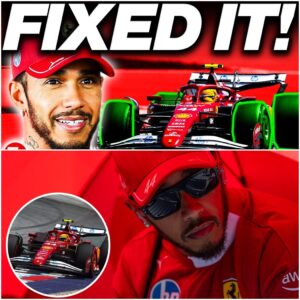
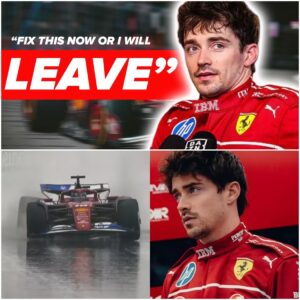
  • Ferrari in Turmoil: Leclerc’s “Now or Never” Ultimatum and Hamilton’s Podium Drought Ignite Crisis at Maranello

    Ferrari in Turmoil: Leclerc’s “Now or Never” Ultimatum and Hamilton’s Podium Drought Ignite Crisis at Maranello

    The hallowed halls of Maranello, usually echoing with the pride of Italian motorsport excellence, are currently filled with a palpable sense of dread and urgent reflection. As the dust settles on a bruising 2025 Formula 1 season, Ferrari finds itself at a crossroads that could define its legacy for the next decade. The statistics make for grim reading: zero victories, a slide to fourth in the Constructors’ Championship, and a marquee signing in Lewis Hamilton who failed to register a single podium finish.

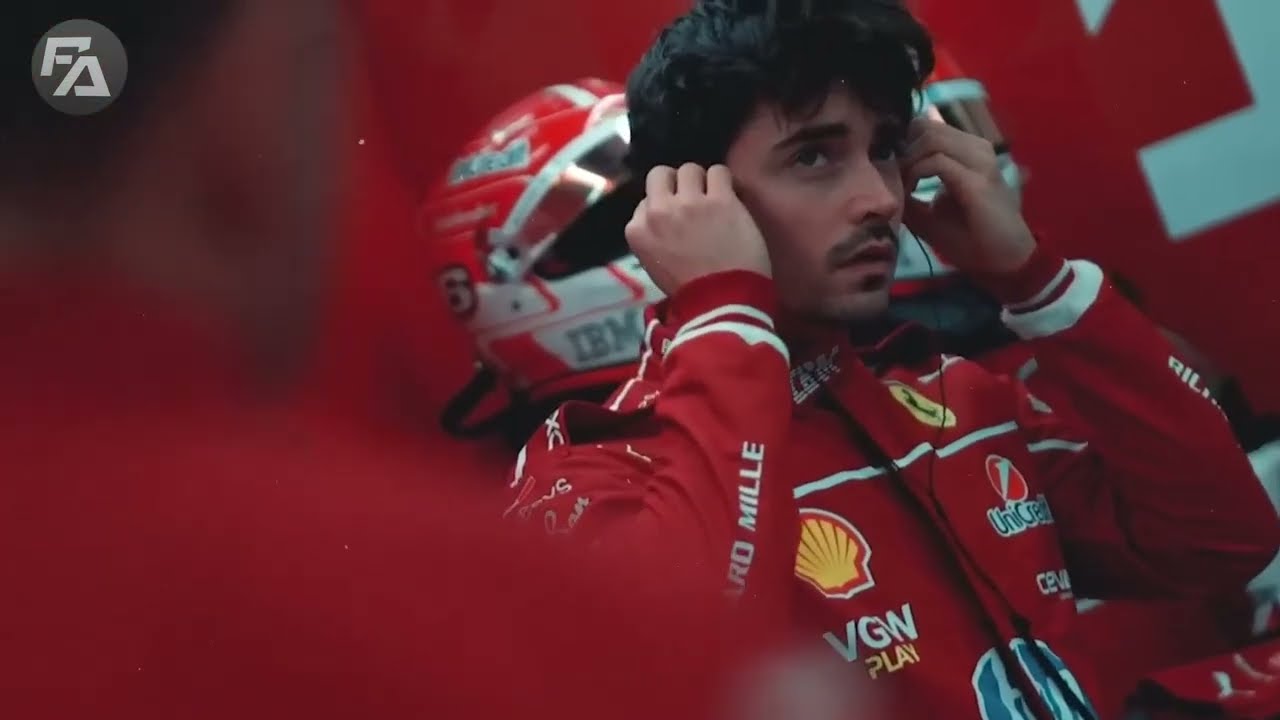
    The spark that ignited the current media firestorm was a “now or never” declaration from the team’s golden boy, Charles Leclerc. Fresh from the cockpit at the Abu Dhabi Grand Prix, Leclerc’s frustration boiled over, signaling that his patience with the Scuderia’s perpetual “rebuilding” phase has reached its limit. While Team Principal Fred Vasseur has attempted to play down the remarks as raw emotion, the reality of the situation suggests a deeper systemic panic within the most famous team on the grid.

    A Season of Sacrifices and Psychological Toll

    The 2025 campaign was, by all accounts, one to forget for the Tifosi. While McLaren surged to dominance and Red Bull remained a consistent threat through Max Verstappen, Ferrari appeared to be moving backward. Vasseur has since revealed the catalyst for this slump: a high-stakes strategic pivot made as early as April 2025. Realizing that the gap to McLaren was insurmountable, the team chose to halt all aerodynamic development on the current car to focus entirely on the sweeping 2026 regulation changes.

    “It was a tough call,” Vasseur admitted, acknowledging that he may have underestimated the psychological impact on the team and drivers. Competing in nearly 20 races knowing that no performance-enhancing upgrades are coming is a bitter pill for any athlete to swallow. This decision effectively handcuffed Leclerc and Hamilton, leaving them to fight a losing battle with mechanical upgrades alone while their rivals sprinted ahead.

    The Hamilton Factor: Adaptation or Alienation?

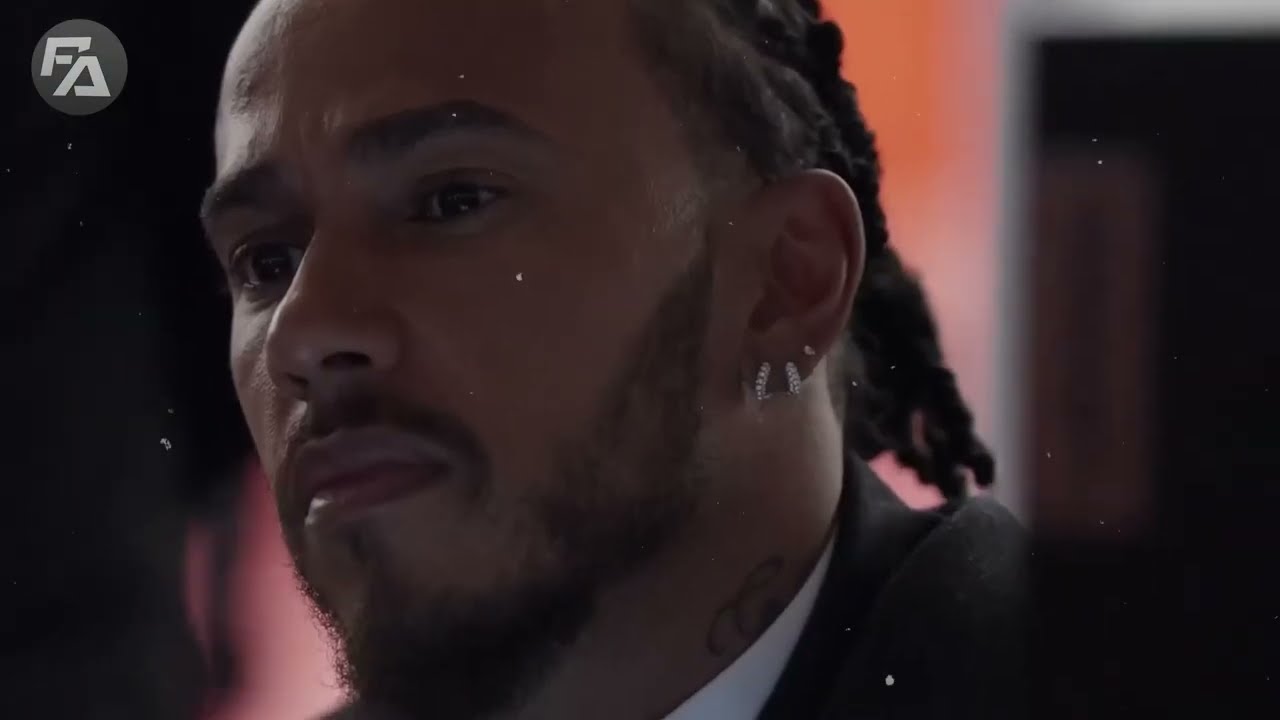
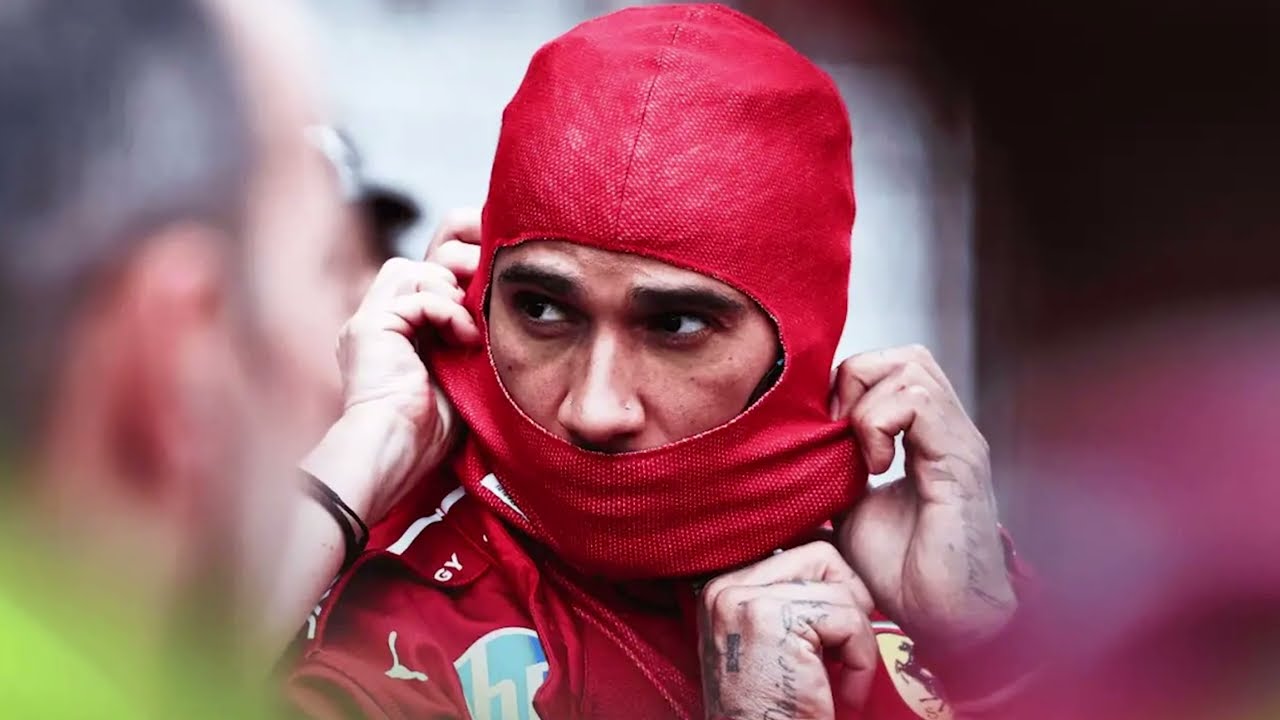
    Perhaps the most scrutinized element of the 2025 season was the debut of seven-time World Champion Lewis Hamilton in Ferrari red. The partnership, hailed as the “signing of the century,” has yet to yield the expected fairy-tale results. Hamilton struggled throughout the year to find his stride, grappling with a car that was notoriously difficult to master during qualifying.

    Speculation of a rift between Hamilton and the team has been fueled by sharp, “spiky” radio exchanges with race engineer Riccardo Adami. Track engineering chief Matteo Togginali has stepped in to quash these rumors, insisting the relationship is constructive and that the media has portrayed the tension more harshly than it exists behind closed doors. However, the reality remains that Hamilton’s transition from the Mercedes culture to the passionate, often chaotic environment of Maranello has been far more difficult than anyone anticipated.

    The Achilles’ Heel: Saturday Struggles

    Ferrari’s primary technical failing in 2025 was its inability to master the Pirelli tires over a single lap. In a sport where grid position is often 80% of the battle, Ferrari found themselves consistently out of position. Small errors or traffic in sessions like Monaco and Las Vegas proved catastrophic, turning potential front-row starts into midfield slogs. While the race pace occasionally showed flashes of brilliance—notably in Austin and Mexico—the damage was usually done before the lights went out on Sunday.

    Leclerc remained the sole bright spot for the team, carrying all seven of Ferrari’s podiums on his shoulders. Yet, even the “Prince of Monaco” cannot sustain a championship charge alone without the machinery to match his talent. His ultimatum isn’t just a sign of anger; it’s a demand for accountability from a team that hasn’t won a title since 2008.

    Looking Toward 2026: A Final Roll of the Dice

    Everything now hinges on the 2026 regulations. By sacrificing 2025, Ferrari has placed a massive bet on the future. With new power unit designs and the arrival of formidable competitors like Audi and Cadillac, the 2026 season will be a reset for the entire sport. Vasseur maintains that the lessons learned during this difficult year have strengthened the team’s resolve, forcing them to improve operationally and “in every single pillar of performance.”

    However, for the Tifosi and the drivers, “tomorrow” is a promise they’ve heard too many times. If the 2026 car does not deliver a championship-capable platform, Ferrari risks more than just a winless season—they risk losing the faith of Charles Leclerc and the final competitive years of Lewis Hamilton. The pressure in Maranello isn’t just mounting; it’s reaching a breaking point. For the Scuderia, it truly is now or never.

  • Max Verstappen Spotted Testing Mercedes AMG GT3 at Estoril: Is a Massive 2026 Move on the Horizon?

    Max Verstappen Spotted Testing Mercedes AMG GT3 at Estoril: Is a Massive 2026 Move on the Horizon?

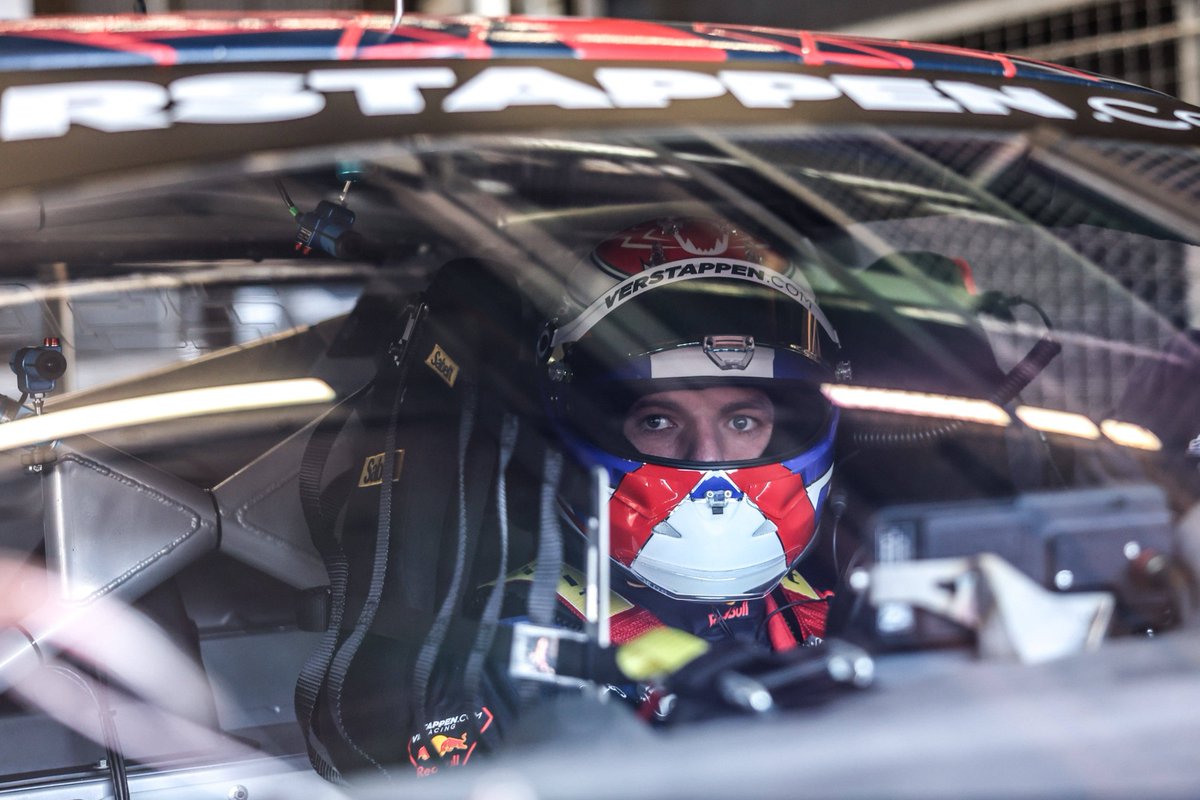
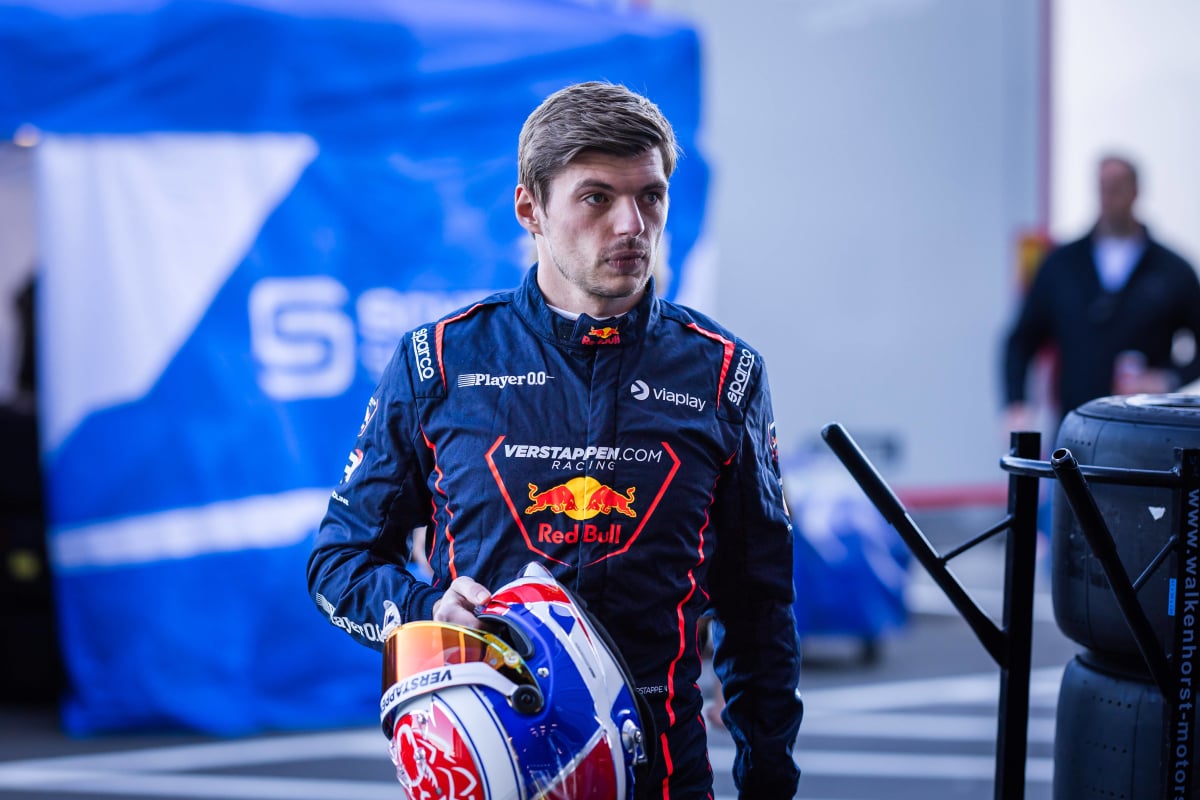
    In a move that has sent shockwaves through the Formula 1 and GT racing communities, Red Bull’s reigning champion Max Verstappen was recently spotted behind the wheel of a Mercedes AMG GT3 during a rainy testing session at the Estoril circuit in Portugal. This unexpected development has ignited a firestorm of speculation, leaving fans and analysts alike wondering if one of the sport’s most dominant figures is contemplating a major career shift.

    The sight of Verstappen, who is synonymous with the Red Bull brand, piloting a machine from a fierce rival is enough to turn heads. But it wasn’t just any Mercedes; the car featured Verstappen’s iconic number 33, a detail that has only added fuel to the rumors. Reports indicate that there were actually two Mercedes AMG GT3s on track, bearing the numbers 33 and 333, both adorned in a livery reminiscent of Verstappen’s personal style.

    While official statements have categorized this as a routine test, the timing couldn’t be more intriguing. Rumors have been swirling for some time that Verstappen may be looking to diversify his racing portfolio, with many suggesting a possible move to Mercedes machinery for the GT World Challenge Europe in 2026. This latest sighting at Estoril has only strengthened those theories, as fans move into “detective mode” to piece together the puzzle of Verstappen’s future.

    Verstappen’s passion for racing extends far beyond the Formula 1 paddock. He is well-known for his obsession with sim racing, endurance racing, and practically anything with four wheels. His drive to compete and excel in various disciplines is a testament to his status as one of the most dedicated racers of his generation. However, seeing him in a Mercedes, even in a non-F1 capacity, feels significantly different and carries a weight that is hard to ignore.

    The Estoril test was conducted under challenging conditions, with rain slicking the track and testing the limits of both driver and machine. For Verstappen, who is widely regarded as one of the best wet-weather drivers in the world, this was likely an opportunity to push the Mercedes AMG GT3 to its limits and get a true feel for its performance. The fact that he chose to do so in such a public manner suggests that there may be more to this story than a simple testing session.

    As the news of the test spread, social media platforms were flooded with reactions from fans who were caught completely off guard. The image of the triple world champion in a Mercedes suit, even if it’s for GT racing, is a powerful one that challenges the established order of the racing world. It raises questions about the future of his relationship with Red Bull and whether a more significant alignment with Mercedes could be in the cards down the line.

    The prospect of Verstappen competing in the GT World Challenge Europe is an exciting one for fans of the series. His involvement would undoubtedly bring a new level of attention and prestige to the competition, as well as providing him with a platform to showcase his skills against a different field of competitors. If the rumors of a 2026 move are true, it could signal a new chapter in Verstappen’s career, one where he continues to dominate on multiple fronts.

    For now, the racing world remains in a state of high anticipation. Every move Verstappen makes is scrutinized for clues about his next steps, and this Estoril test is no exception. Whether it’s a one-off experiment or the beginning of a long-term partnership, the fact remains that Max Verstappen in a Mercedes is a sight that will be discussed for months to come.

    In conclusion, the sighting of Max Verstappen testing a Mercedes AMG GT3 at Estoril has opened up a world of possibilities and questions. As he continues to push the boundaries of what is possible in racing, the world will be watching closely to see where his journey takes him next. One thing is for certain: the story of Verstappen and Mercedes is far from over, and the implications could be felt across the entire racing landscape.

  • The Rollercoaster Returns: Portugal Officially Reclaims Its Spot on the Formula 1 Calendar for 2027

    The Rollercoaster Returns: Portugal Officially Reclaims Its Spot on the Formula 1 Calendar for 2027

    The high-octane world of Formula 1 is officially heading back to the Atlantic coast. In a move that has sent shockwaves of excitement through the global motorsport community, the Portuguese Grand Prix has been confirmed for a triumphant return in the 2027-2028 season. The race will be held at the breathtaking Algarve International Circuit, more affectionately known as Portimão, a track that has earned the nickname “The Rollercoaster” due to its dramatic elevation changes and blind crests.

    The announcement comes directly from the highest levels of the Portuguese government. Prime Minister Luís Montenegro recently confirmed that all arrangements are in place to formalize the return of the premier class of motorsport to the Algarve region. While hosting an event of this magnitude requires a significant financial commitment from the state, Montenegro emphasized that the direct and indirect returns—both in terms of global promotion and economic impact—make it a “frankly worthwhile” investment for the nation.

    A Triumphant Return After the Pandemic Era For many fans, the return to Portimão feels like a homecoming. The circuit famously stepped in during the 2020 and 2021 seasons when the COVID-19 pandemic forced a complete rewrite of the F1 schedule. In 2020, Portimão provided the backdrop for a historic milestone: Lewis Hamilton’s 92nd career victory, the moment he officially surpassed Michael Schumacher’s long-standing record for the most Grand Prix wins in history.

    However, those pandemic-era races were bittersweet. The 2020 event saw a limited crowd of just over 27,000 fans, while the 2021 race was held behind closed doors. When the circus returns in 2027, the atmosphere will be transformed. Organizers are preparing for over 100,000 spectators per day, finally allowing the Portuguese fans to bring their legendary passion to the grandstands in full force.

    The Drivers’ Favorite: Why Portimão Matters Unlike some modern street circuits that have faced criticism for being “processional,” Portimão is a pure driver’s track. Seven-time World Champion Lewis Hamilton has been a vocal advocate for the circuit, previously stating that he would love to see the Algarve permanently integrated into the calendar. He noted that growing up watching the Portuguese Grand Prix at the old Estoril track made competing in the country a deeply personal experience.

    The technical challenge of the 4.6-kilometer lap is immense. Two-time champion Fernando Alonso has highlighted the unique, blind corners that demand absolute precision and place extreme stress on the tires. Alpine’s Esteban Ocon described the layout as “spectacular and complicated,” noting that the blind exits are a feature found nowhere else on the current F1 calendar. For the drivers, it is a physical and mental workout; for the fans, it is a visual spectacle of cars plunging down hillsides and hitting apexes they can barely see.

    The Era of the Rotating Calendar The confirmation of Portimão marks a significant shift in how Formula 1 manages its increasingly crowded schedule. With interest from nations like Thailand, Turkey, Germany, and South Korea, as well as a long-awaited bid for an African Grand Prix in South Africa or Morocco, space on the 24-race calendar is at a premium.

    To accommodate this demand, Formula 1 is moving toward a “rotation” model for European races. Portimão has secured an initial two-year contract, signaling that it may share a slot with other iconic venues in the future. While legendary tracks like Silverstone and Monaco are expected to remain permanent fixtures, other European venues may soon find themselves on an “every other year” schedule to allow more variety and global reach.

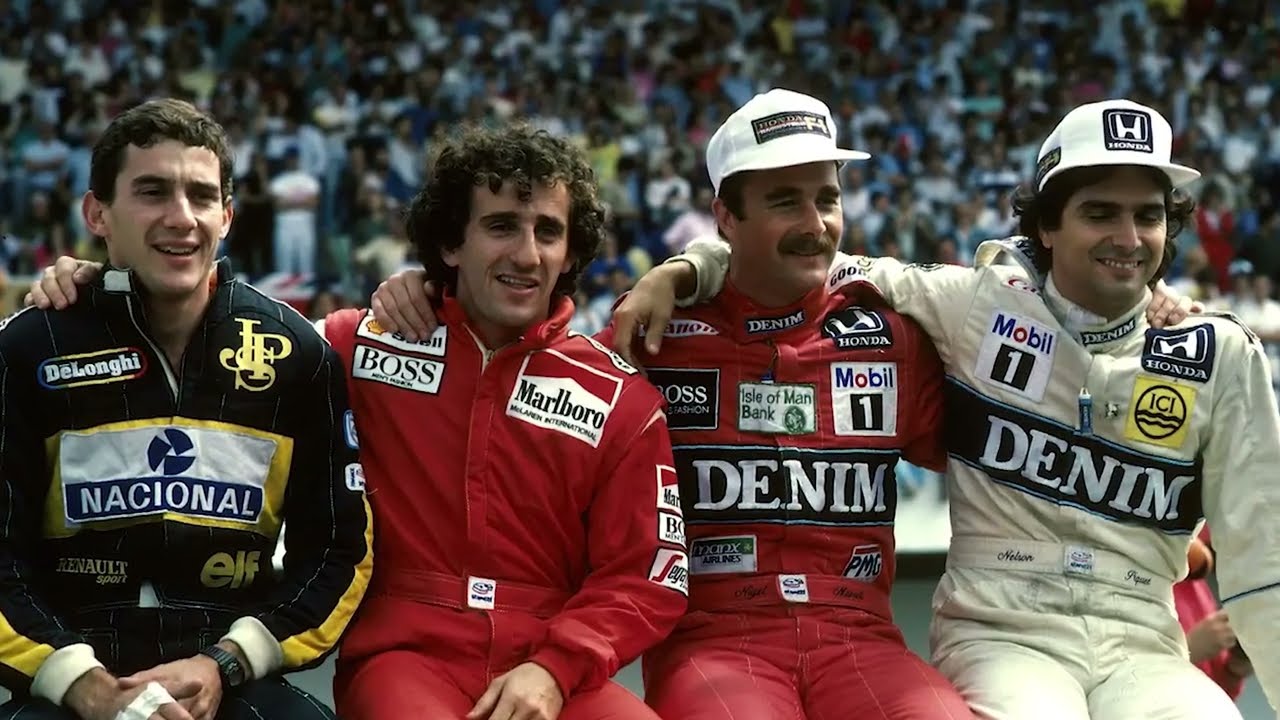
    A Rich Heritage and a Bright Future Portugal’s history with Formula 1 is deeply rooted. From the legendary street races in Porto’s Boavista circuit in 1958—where Sir Stirling Moss took victory—to the golden era at Estoril between 1984 and 1996, the country has always been a cornerstone of racing culture. Who could forget the iconic 1986 photograph at Estoril featuring the “Big Four”: Ayrton Senna, Alain Prost, Nigel Mansell, and Nelson Piquet?

    By securing the 2027 spot, Portugal isn’t just looking back at its heritage; it is positioning itself as a modern hub for tourism and sport. The Algarve region, famous for its stunning beaches and world-class cuisine, is already a favorite for travelers. The addition of Formula 1 alongside the already secured MotoGP races for 2025 and 2026 makes the region a global capital for speed.

    As we look toward 2027, the message is clear: the rollercoaster is back, the fans are ready, and the engines are set to roar once again in the hills of the Algarve. For those who love pure, unadulterated racing, the return of the Portuguese Grand Prix is nothing short of a victory.

  • Uncomfortable Truths: Oscar Piastri Breaks Silence on the McLaren “Equality” Experiment That Cost Him the World Title

    Uncomfortable Truths: Oscar Piastri Breaks Silence on the McLaren “Equality” Experiment That Cost Him the World Title

    The 2025 Formula 1 season will be remembered for many things: the resurgence of McLaren, the nail-biting finale in Abu Dhabi, and the crowning of Lando Norris as a first-time World Champion. But beneath the celebrations and the champagne showers lies a darker, more complex narrative—one of a championship lead that evaporated and a young driver who found himself at the center of a radical, and ultimately “uncomfortable,” team experiment.

    Oscar Piastri, the Australian prodigy who once seemed destined to cruise to the 2025 title, has finally broken his silence. In a series of raw and honest reflections, Piastri has pulled back the curtain on the internal dynamics at McLaren, admitting that the team’s staunch commitment to “equal treatment” created a climate of tension that affected everyone involved. It is a bombshell revelation that challenges the very definition of fairness in the high-stakes world of elite motorsport.

    The Rise and the 34-Point Fortress

    To understand the weight of Piastri’s confession, one must look back to the mid-point of the 2025 season. After 15 races, Piastri wasn’t just leading the championship; he was dominating it. With a commanding 34-point lead over his teammate, Lando Norris, the title appeared to be a foregone conclusion. The Woking-based squad had produced a masterpiece in the MCL38, and Piastri was extracting every ounce of its potential.

    At the time, McLaren CEO Zak Brown championed a philosophy he called “Papaya Rules.” The premise was simple yet revolutionary: no number one driver, no preferential treatment, and no team orders that would quash the chances of either man. It was a romantic notion of racing that sought to avoid the clear hierarchies seen at teams like Red Bull or Ferrari. For a while, it seemed to work. But as the pressure of a title fight intensified, the cracks in this “equality experiment” began to show.

    The Turning Point: Monza and the “Uncomfortable” Shift

    The first sign of significant friction appeared at the Italian Grand Prix. Despite their public stance against team orders, McLaren asked Piastri to move aside for Norris following a slow pit stop. The irony was palpable. For a team that preached equality, this overt intervention felt like a betrayal of their own principles—and more importantly, a direct hit to Piastri’s momentum.

    Former F1 driver Johnny Herbert was quick to highlight the unfairness of the situation, noting that points were effectively stripped from Piastri to bolster Norris’s campaign. It was the beginning of what Piastri now describes as an “uncomfortable” atmosphere. “Sometimes that’s been uncomfortable for everyone,” Piastri admitted, reflecting on the mid-season shift. “It’s not easy fighting for both the constructors’ and the drivers’ championships with two very evenly matched drivers.”

    The Collapse: A Downward Spiral

    What followed Monza was a catastrophic collapse that few could have predicted. Piastri’s once-invincible form began to crumble. A series of incidents—a crash in Azerbaijan, a tough weekend in Mexico, and further contact in Brazil—saw his points lead vanish. Simultaneously, Lando Norris found a “sweet spot” with the car’s setup, aided by a new front suspension that some whispered was tailored specifically to his driving style.

    While Norris ascended, Piastri struggled. Strategic blunders by the pit wall, such as the failure to double-stack the cars under a safety car in Qatar, further eroded his chances. By the time the circus reached the final rounds, the 34-point lead had not just shrunk; it had been completely overhauled.

    Piastri’s Defense: Maturity or Denial?

    In the aftermath of Abu Dhabi, where Norris secured the title by just two points over Max Verstappen, Piastri finished a distant third in the standings. His response to the defeat has been a masterclass in diplomacy, yet it carries an undercurrent of profound frustration.

    “Yes, there’s difficult moments and tension at times, but I think both Lando and I have become better drivers from pushing each other to the limit,” Piastri stated. He went on to defend the team, claiming they gave both drivers “as good a chance as the team could have to fairly fight.” However, many observers, including Herbert, view this as a missed “slam dunk.” Critics argue that if McLaren had backed their leader after Zandvoort, Piastri would be the one with the trophy today.

    A Future in Question

    The fallout from this “equality” experiment may have long-lasting consequences. Rumors are already circulating that Piastri’s manager, former F1 star Mark Webber, is exploring options outside of Woking. Meetings with high-profile figures like Adrian Newey have sparked speculation that Piastri could seek a team willing to build a championship campaign around him, rather than one that forces him to compete against his own garage.

    Zak Brown and Andrea Stella remain defiant, expressing pride in their “fair” approach. But as F1 history has shown, “fairness” rarely wins championships; ruthlessness does. Piastri’s admission that the season was “uncomfortable” suggests that the emotional toll of the 2025 campaign was far higher than the team let on.

    Whether Piastri truly believes that losing a massive lead made him a better driver, or if he is simply playing the loyal soldier while his management looks for the exit, remains to be seen. One thing is certain: the “uncomfortable truth” of McLaren’s 2025 season will haunt the paddock for years to come. In the pursuit of fairness, did McLaren accidentally destroy the championship dreams of their most promising star? The debate is only just beginning.

  • Formula 1’s 2026 Revolution: Behind the High-Stakes Late Changes to the New Era of Racing

    Formula 1’s 2026 Revolution: Behind the High-Stakes Late Changes to the New Era of Racing

    The world of Formula 1 is no stranger to rapid evolution, but as the sport hurtles toward its massive 2026 regulatory reset, the “rulebook” is proving to be as dynamic as the cars themselves. In a series of late-hour revisions, F1’s governing bodies have signed off on significant tweaks to the 2026 regulations. These aren’t just minor clerical errors being fixed; they are fundamental shifts designed to solve lingering safety concerns, technical headaches, and a branding identity crisis that threatened to alienate fans before the first light turned green.

    At the heart of the 2026 era is a bold “imperfect compromise.” The new machines will feature a massive increase in electrical power—shifting to a 50/50 split between the internal combustion engine and the battery—and a revolutionary approach to aerodynamics. However, as teams began their deep-dive simulations, cracks started to appear in the original plan. These late changes, finalized just weeks before the 2026 prototypes began to take physical shape, represent a race against time to ensure the next generation of F1 is both safe and spectacular.

    The “Active Aero” Dilemma: Safety vs. Speed

    Perhaps the most discussed feature of the 2026 car is the introduction of active aerodynamics. Replacing the Drag Reduction System (DRS) we’ve known since 2011, active aero allows movable flaps on both the front and rear wings. In the original draft, cars would switch between “high downforce” for corners and “low drag” for straights. It sounds simple, but the reality was far more treacherous.

    Simulations revealed that in wet conditions or during Safety Car periods, running in a low-drag “straight-line mode” could be disastrous. With minimal downforce, cars risk losing grip entirely on high-speed kinks, such as those found at the Albert Park circuit in Melbourne. There was a real fear that drivers would understeer helplessly off the track in damp conditions. Furthermore, Pirelli raised alarms about tire temperatures. In Baku, tire temps already drop significantly on the long straight; with active aero further reducing the load, temperatures would plummet so low that the cars would become “undriveable” the moment they reached the next corner.

    To solve this, the FIA has introduced a “Partial Active Aero” mode. This new middle ground allows the front wing to stay in low downforce while the rear wing remains in high downforce, providing a safety net for the drivers. The Race Director now has the authority to “gate” these modes based on track conditions, ensuring that safety is never sacrificed for the sake of a marginal speed gain.

    Avoiding the “Plank” Trap

    Beyond safety, there was a looming technical crisis regarding car wear. Running with full downforce on long straights (to keep tires warm or maintain grip in the wet) exerts massive pressure on the car, pushing the floor into the asphalt. This creates a high risk of wearing down the “plank”—the wooden/composite strip under the car that determines legal ride height.

    We saw the consequences of this in 2025 when top teams like McLaren and Ferrari suffered disqualifications for excessive plank wear. The 2026 rules had to be adjusted to give teams more flexibility, preventing a scenario where a race is decided in the steward’s room because a car was forced by the rules to run in a configuration that destroyed its own floor. The new regulations provide specific “activation zones” of varying lengths, tailored to each track’s specific hazards and grip levels.

    A New Language for a New Era

    It isn’t just the hardware that is changing; F1 is undergoing a total linguistic makeover. For years, Formula 1 has been criticized for being “jargon-heavy,” filled with acronyms and technical terms that confuse casual viewers. In a bid to make the sport more approachable, the FIA and F1 management have consulted with fans and broadcasters to simplify the terminology used on team radios and TV graphics.

    The much-mocked “Manual Override Mode” (MOM)—the electrical boost designed to help overtaking—has been unceremoniously dumped before it even reached the track. Instead, fans will simply hear it referred to as “Overtake.” Similarly, the complex “X Mode” and “Z Mode” descriptions for aerodynamics have been retired in favor of the more descriptive “Active Aero.” Even the way we talk about batteries is changing; drivers will be encouraged to say “Recharge” instead of “Harvesting” or “Regen.”

    While some purists might view this as “dumbing down,” it is a calculated move to ensure that when the 2026 cars finally hit the track, the drama is easy to follow. The 2026 season represents a massive gamble for Formula 1—a leap into a future of high-tech hybridization and “transforming” cars. These late-stage adjustments prove that the sport is willing to listen, adapt, and refine its vision to ensure that the “pinnacle of motorsport” remains exactly that. The road to 2026 just got a lot clearer, but the engineering challenge for the teams has never been more intense.

  • The Unforgettable Roar: 10 Moments That Proved Formula 1 is More Than Just Speed, It’s Poetry.

    The Unforgettable Roar: 10 Moments That Proved Formula 1 is More Than Just Speed, It’s Poetry.

    Formula 1. The name alone conjures images of screaming engines, blinding speed, and the cutthroat precision of a gladiator sport played out on asphalt. It is often defined by its brutality: the high-stakes rivalries, the unforgiving walls, and the relentless pursuit of power. Yet, for those who truly love the sport, F1 offers something far more profound. Every once in a while, amid the chaos and high-octane drama, the sport stops time, delivering moments of sheer elegance, unfiltered emotion, and pure, human poetry.

    These are the moments that transcend statistics, reminding us why we fell in love with racing in the first place—not for the machines, but for the stories they carry. We explore ten of the most beautiful racing moments in Formula 1 history, from impossible underdog comebacks to heartbreaking displays of class, that remind us of the heart beating beneath the carbon fiber.
    I. Triumphs of Artistry and the Impossible Comeback

    In the history of F1, some victories are not merely wins; they are masterclasses in human capability, proving that talent and tenacity can overcome even the most glaring deficits in machinery or circumstance.

    1. Ayrton Senna’s Magic at Donington (1993): The Ballet in the Rain

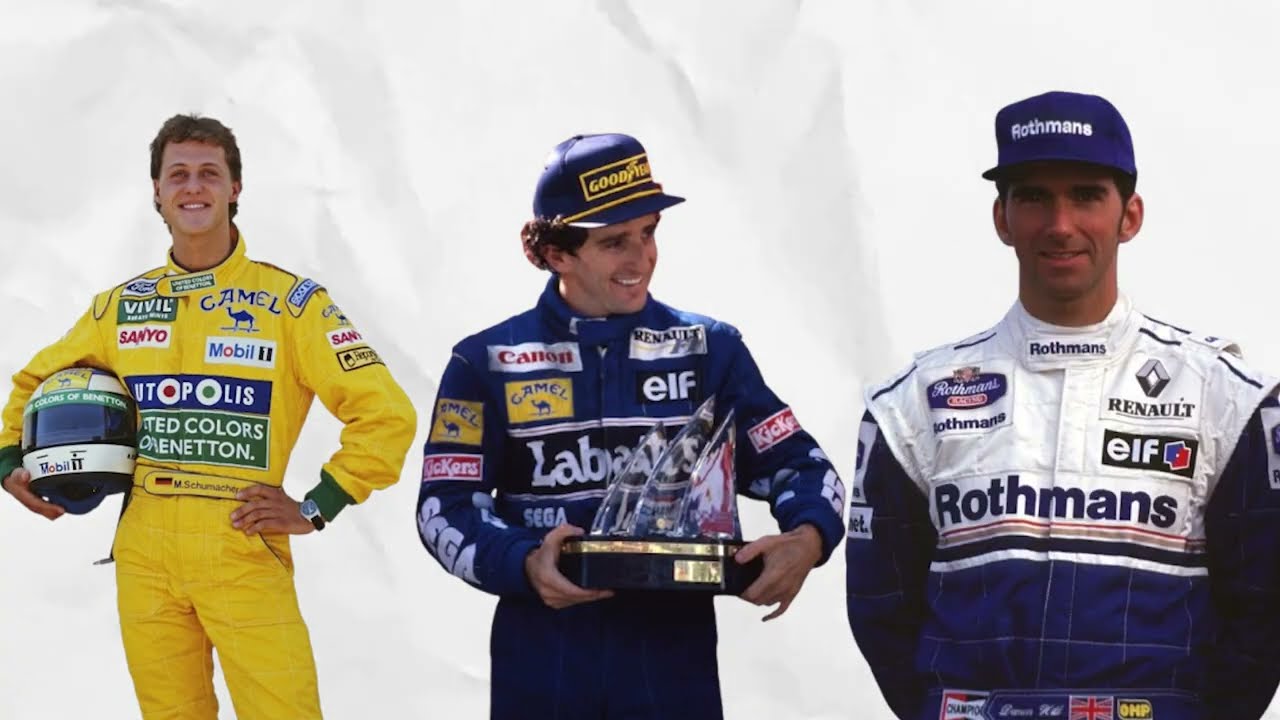
    The year was 1993, and the venue was Donington Park on a grim Easter Sunday. The track was saturated, visibility was minimal, and the starting grid featured legends like Alan Prost and Michael Schumacher in superior machinery. Ayrton Senna, driving a less competitive McLaren, started fourth. What followed remains, for many, the greatest first lap in F1 history.

    Within the first minute, Senna produced an act of pure, rain-soaked artistry. He danced with the deluge, reading the grip like Braille, passing Schumacher, Wendlinger, Damon Hill, and finally, his fiercest rival, Prost. It was less a drive and more a mesmerizing performance of F1 ballet, controlled, fluid, and breathtaking. Senna’s ability to find traction where none seemed to exist, to extract impossible speed from his machine in impossible conditions, didn’t just win him the race; it permanently cemented his legend as the rain master. It was the ultimate demonstration of a human mind and body achieving total synchronization with the elements.

    2. Jenson Button’s Chaos to Glory in Canada (2011): The Four-Hour Odyssey

    The 2011 Canadian Grand Prix was a meteorological and procedural nightmare. It had everything: torrential rain, multiple red flags, and a track constantly oscillating between monsoon and merely wet. Jenson Button’s race started disastrously, involving a catastrophic collision with his teammate, Lewis Hamilton, and a resulting penalty that saw him drop to last place.

    No one expected anything but an early retirement. Yet, Button had other plans. In the longest race in F1 history, lasting over four hours, he made six pit stops, survived a puncture, and relentlessly surged through the field as the conditions dried. It was a race defined by attrition and sheer grit. Then, on the final lap, with Sebastian Vettel leading, Button was close enough to apply the pressure, forcing a critical error from the German. From last to first in the final moments, it was chaos transformed into choreography. Button’s triumphant smile, having navigated a four-hour storm of mistakes and miracles, spoke volumes about the unbreakable spirit required to conquer the impossible.

    3. Pierre Gasly’s Stunning Win at Monza (2020): The Underdog’s Scream

    The 2020 season, shadowed by the global pandemic, was unpredictable, and Monza gave us an absolute miracle. Pierre Gasly, a driver who had been demoted by Red Bull and subsequently written off by many critics, found himself in an AlphaTauri. After a red flag incident dramatically reshuffled the grid, Gasly suddenly found himself leading the race.

    Under immense pressure from Carlos Sainz, Gasly drove the race of his life, defending his position lap after lap. When he crossed the line to take an improbable victory, the moment was doubly poignant. His screams of disbelief and pure, cathartic emotion echoed through the largely empty grandstands. His victory tears were a stark, beautiful reminder that underdog stories—tales of redemption, resilience, and the power of a second chance—are truly the most moving and resonant in all of sport.
    II. The Emotional Weight of Home and Legacy

    Formula 1 is a global spectacle, but certain tracks carry a profound, ancestral weight. The following moments capture the beautiful intersection of personal history, national pride, and the emotional connection between a team, a driver, and the roaring tifosi or a devoted local crowd.

    4. Sebastian Vettel’s First Win with Ferrari (Malaysia 2015): The Ode to the Scuderia

    When Sebastian Vettel joined Ferrari in 2015, the question was simple: could he restore the legendary Scuderia to its former glory? The team hadn’t won a race since 2013, and the pressure on Vettel was immense. In only his second race with the team, at the scorching hot Malaysian Grand Prix, Vettel delivered a performance of superior speed and tire management, finally conquering the dominant Mercedes.

    The true beauty lay in the moment he crossed the line and shouted, “Grazie Ragazzi!” over the radio. Ferrari fans across the globe were instantly overcome, many brought to tears. This was more than a victory; it was an emotional ode to the most influential team in F1 history, a promise of a new, glorious era, and a spiritual reunion between the driver and the soul of the sport.

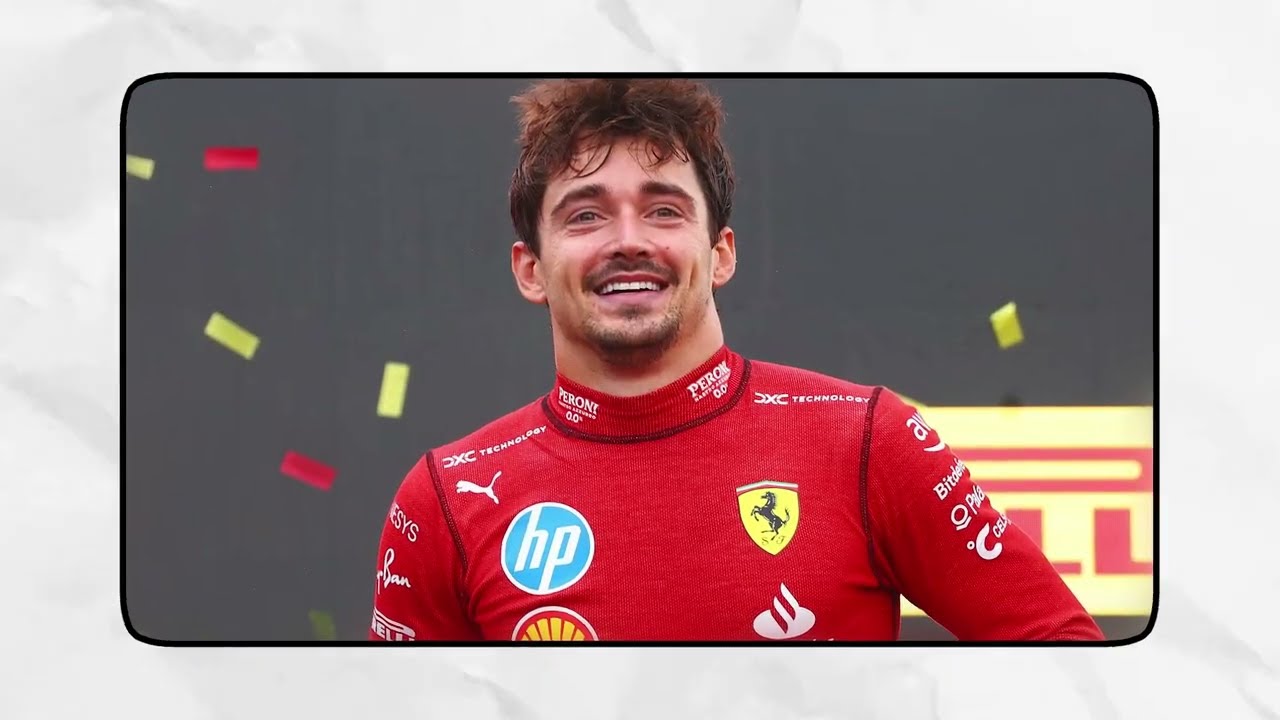
    5. Charles Leclerc’s Emotional Victory at Monza (2019): The Red Sea

    Monza, the ‘Temple of Speed,’ is Ferrari’s spiritual home, and the tifosi demand victory. Ferrari hadn’t won there since 2010. When Charles Leclerc, then just 21, took pole in 2019, the pressure was unbearable. What followed was a gladiatorial defense for 53 exhausting laps against the relentless Mercedes of Lewis Hamilton and Valtteri Bottas.

    Leclerc fought with precision, nerve, and an iron will. The moment he took the checkered flag, the Tuscan faithful flooded the track, transforming the circuit into a vast, celebratory red sea. Leclerc’s tearful rendition of the national anthem on the podium, surrounded by thousands of adoring fans, was unforgettable—a perfect blend of youth, pride, and heroic victory that instantly enshrined him as a national hero.

    6. Kamui Kobayashi’s Podium at Suzuka (2012): The Local Hero’s Bow

    The dedication of Japanese motorsport fans is legendary. In 2012, they finally had a local hero to cheer for in Kamui Kobayashi. Driving for Sauber, Kobayashi qualified a remarkable fourth at his home Grand Prix, Suzuka.

    In the race, he fiercely defended his position against stronger competitors, ultimately achieving an astounding third-place finish. The eruption from the crowd was visceral and overwhelming: flags waved, and many fans were openly weeping with joy. When Kobayashi stepped onto the podium and bowed deeply to his devoted fans, it was a moment of profound cultural connection and collective emotional release, showcasing the purest form of athletic appreciation.
    III. Grace, Heartbreak, and Silent Gratitude

    The most beautiful moments are not always those of triumphant celebration. Often, they are found in the profound dignity of defeat, the silent acknowledgment of greatness, or the lasting tribute paid to a life cut short.

    7. Felipe Massa’s Heartbreak in Brazil (2008): The Classiest Defeat

    Beauty, as the narrative suggests, does not always reside in victory; sometimes, it lives eternally in heartbreak. Felipe Massa won the 2008 Brazilian Grand Prix, his home race, and for 38 agonizing seconds, he was the Formula 1 World Champion.

    But then, the unimaginable happened. On the final corner of the final lap, Lewis Hamilton overtook Timo Glock to secure the fifth-place finish he needed to take the title by a single, crushing point. Massa stood on the podium, tears streaming down his face, yet he delivered one of the classiest, most dignified speeches in F1 history. He lost the title, but in that moment of raw, vulnerable grace, he earned the respect and love of millions globally. That display of profound pain managed with immense dignity remains one of the sport’s most eternally beautiful moments.

    8. Lewis Hamilton’s Seventh Title Drive in Turkey (2020): Silent History

    To equal Michael Schumacher’s record of seven world titles required a performance worthy of history, and Lewis Hamilton delivered it at the treacherous Istanbul Park in 2020. The track was soaked, treated, and incredibly slippery, presenting a near-impossible challenge. Hamilton started sixth, yet lap after lap, he built a flawless rhythm, avoided mistakes, and brilliantly extended his tire stints in conditions where others failed.

    When he crossed the finish line, achieving the monumental record, there was no extravagant celebration. He parked his car, bowed his head inside the cockpit, and cried in a moment of silent gratitude. It was a display of maturity, legacy, and unmatched brilliance—a quiet, powerful acknowledgment of history made. It was not just a race; it was the coronation of a legend.

    9. Jules Bianchi’s Point in Monaco (2014): The Moment of Belief

    Jules Bianchi was more than just a rising star; he was a symbol of pure, unbridled potential. In the 2014 Monaco Grand Prix, driving for the backmarker Marussia team, Bianchi achieved what many thought impossible: scoring the team’s first and only points with a stunning P9 finish on a track where overtaking is notoriously difficult.

    His effort went beyond mere statistics. It was a tangible moment of belief, a proof that talent can shine through even in the darkest corners of the grid. Following his tragic death in 2015, that single race forever transformed into a poignant and powerful tribute to his legacy, a fleeting moment of glory that resonated long after he was gone.

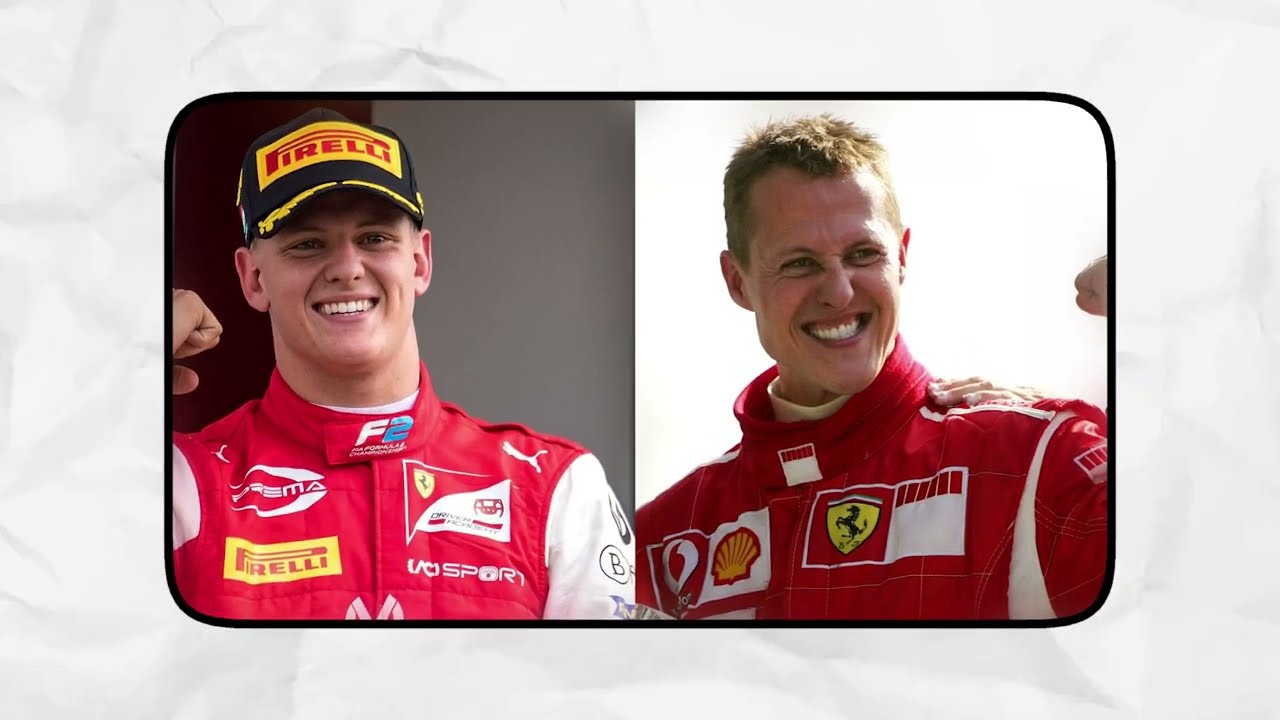
    10. Schumacher and Vettel for Team Germany (ROC 2007-2012): The Pure Love of Racing

    While not a traditional F1 moment, the partnership of Michael Schumacher and Sebastian Vettel in the Race of Champions (ROC) from 2007 to 2012 deserves the spotlight. Watching two generations of German legends—one retiring and one rising—race side by side to represent their country was akin to witnessing two great symphonies merging.

    Their camaraderie, shared strategies, and genuine respect for one another, as they consistently lifted the trophy together, transcended the politics and pressure of F1. It was a beautiful display of pure, unadulterated love for racing and the passing of a generational torch.

    Formula 1 is, ultimately, a stage for the world’s greatest athletes to showcase not just technical skill, but profound emotion, humanity, and heart. These ten moments remind us that the sport’s greatest value is in the enduring stories of the human spirit—of triumph, heartbreak, and redemption—that continue to define the beautiful, unforgettable roar of racing.
  • The Great F1 Reset: Simulation Leaks Expose Chaos, Strategy, and the High-Stakes Gamble Defining the 2026 Grid

    The Great F1 Reset: Simulation Leaks Expose Chaos, Strategy, and the High-Stakes Gamble Defining the 2026 Grid

    The world of Formula 1 has always been a high-speed cocktail of engineering genius, ruthless strategy, and high-stakes drama. But as the sport barrels toward the radical rule changes of 2026, the drama has officially spilled off the track and into the secret world of simulation. Whispers and blurry images of the first next-generation cars—the machines that will rewrite the very physics of F1—have begun to circulate, sending seismic waves through the paddock. This isn’t just about a new season; it’s a total systemic reboot, a technical revolution where every assumption, every advantage, is being wiped clean.

    The feeling among engineers, drivers, and fans is palpable: strange, new, and unbelievably exciting. What the leaked simulations suggest is a sport standing on the precipice of its most unpredictable era yet, defined not by the incremental gains of the past, but by the bold, often brutal, strategic gambles made by the sport’s biggest players today.

    The Ferrari Ultimatum: A Champion Sacrificed for the Future

    Nowhere is the cost of this future focus more apparent than at Maranello. For Scuderia Ferrari, the 2025 season was a painful lesson in strategic priorities. After a tough championship campaign that saw them finish fourth in the constructor standings, the team faced an agonizing decision. They pulled the plug. They stopped all development on their 2025 contender, the SF25, prematurely shelving upgrades and immediately allocating all wind tunnel resources to Project 678, the code name for their 2026 car.

    This was not a minor adjustment; it was a devastating strategic blow to the current campaign, one that had immediate and tangible consequences. Ferrari’s dream of reaching second place in the constructors’ race was instantly compromised as rivals like Red Bull and Mercedes continued to refine and upgrade their machinery. For nearly six months, the SF25 sat frozen, unable to evolve while the competition sprinted ahead.

    The SF25 was already a demanding beast. Designed with a heavily front-loaded chassis, it suited the daring, aggressive driving style of Charles Leclerc. However, it left his teammate, the seven-time world champion Lewis Hamilton, battling chronic instability, particularly in the rear. Mid-season adjustments, like a revised rear suspension system, offered only slight improvements in straight-line braking stability. The promised major performance leap never materialized.

    Insiders at Maranello later admitted the regret: perhaps shelving key aerodynamic developments, like a crucial floor upgrade meant for the Azerbaijan Grand Prix, was a mistake made in the panicked rush to refocus. Hamilton himself, the champion whose relentless pursuit of performance is legendary, would have preferred to keep pushing the 2025 car. Yet, the Ferrari technical office, led by Loic Sera, called time. They concluded there was no viable path to salvage the SF25 and that every last resource had to be poured into the seismic shift of 2026. The final race in Abu Dhabi served as a harsh epitaph, where promising race pace was overshadowed by the car’s fundamental inability to stabilize the rear under high load—an inconsistency that remained stubbornly unsolved.

    The 2026 Technical Revolution: Chaos by Design

    The reason for this extreme, high-stakes maneuver lies in the sheer scale of the 2026 rule book overhaul. The cars themselves are being completely redesigned from the ground up: smaller, lighter, and more agile. This new generation will feature revolutionary active aerodynamics, introducing movable wings and systems that fundamentally alter a car’s behavior on straights and in corners. The wheelbase is shrinking, and the tires are narrower. Every team must now enter a forced state of amnesia, relearning the basic principles of speed, downforce, and balance.

    Ferrari’s Project 678, according to the leaks, bears almost zero resemblance to the troubled SF25. Internal approval has already been given for the bodywork, with cooling volumes and gearbox design locked down. Simulator drivers are not just adjusting to new tire thermodynamics; they are adapting to a “hybrid driving style,” a blend of the high-downforce, ground-effect era of 2022 and the less aerodynamically sophisticated cars that preceded it. One source described the transition as akin to learning to ride a bicycle after only ever driving a car—a truly fundamental change in muscle memory and technique.

    Further compounding the chaos is the engine. The power unit regulations have been drastically shifted to prioritize efficiency and electric support. This is no longer a horsepower race; it’s an intelligence race where the smartest, most reliable hybrid system will be king. The electric component is now 50% of the total power output. Ferrari, dealing with the internal restructuring following the departure of longtime engine architect Wolf Zimmerman to Audi, is furiously reorganizing its technical ranks to meet this strange, demanding new world. Team Principal Fred Vasseur has even held emergency meetings and brought in engineers from Renault’s closing F1 engine division, underscoring the severity of the challenge.

    Red Bull and McLaren: The Winners’ Paradox

    While Ferrari was forced into a desperate retreat, their rivals have faced their own difficult choices.

    Red Bull, the sport’s recent dominator, is also preparing a radical technical shift. Rumors swirling around their new RB22 point toward a double push-rod suspension layout—a push rod at both the front and rear. This would be a massive departure from their ground-effect era tradition, which often favored pull-rod fronts. This design choice suggests a search for simplicity and predictability to accommodate the entirely new power unit packaging and the unknown quantities of the active aero rules. Tellingly, the simulations suggest Ferrari may also be moving back to a push-rod rear for the first time since 2010, indicating a convergent understanding of what the 2026 chassis demands.

    Yet, Red Bull faces an even more monumental challenge than suspension geometry: power. For the first time in their history, Red Bull is building its own engine—the Red Bull Powertrains (RBPT) era, powered by Ford. This audacious, in-house endeavor is designed to challenge the elite manufacturers, but as Mercedes boss Toto Wolff famously put it, it is an “Everest to climb.” Red Bull’s new team principal, Laurent Mekies, did not shy away from the magnitude of the task, admitting, “It’s as crazy as it gets to take the decision to do your own power unit, that’s what it is.” He conceded that it would be “silly” to assume they would immediately be on par with the established engine giants like Ferrari or Mercedes from the start.

    Then there is McLaren. Having emerged as the dominant force in 2025, securing both the Drivers’ and Constructors’ Championships, one would expect them to coast into the new era. Instead, team boss Andrea Stella made a famously cold, calculated decision: McLaren also stopped developing their 2025 car, the MCL39, throwing their full weight behind the 2026 project long before their rivals made the call. The team’s logic was that chasing the 2025 title would severely compromise their 2026 prospects. They won the title, a testament to their early gamble, but they are now paying the price. Under F1’s sliding scale rules, their championship success grants them the least amount of allowed wind tunnel time—a crippling disadvantage as the biggest technical shake-up in history looms. McLaren won too soon, and now they must innovate with one hand tied behind their backs.

    The Lifeline and the Looming Fear

    The scale of the technical unknown is so vast that the sport’s governing body, the FIA, has been forced to intervene quietly. They have created a safety net known as ADU—Additional Development and Upgrade Opportunities. This is a lifeline for engine manufacturers who find themselves struggling with the complex new power unit formula, offering quiet assistance without penalty or shame. This move alone speaks volumes: no one, not even the decades-old engine manufacturers like Ferrari and Mercedes, is entirely confident in how the new 50% electric power units will behave under competitive pressure.

    The 2026 season will not be won by the team that simply builds the fastest car. It will be won by the team that adapts fastest to chaos.

    The rules are shaking up everything from car design and suspension layouts to tire behavior and battery management. Every miscalculation, every misplaced decimal point in a simulation, will cost double or triple the normal price. Aston Martin, securing a Honda partnership from 2026, is rumored to be ahead of schedule, with whispers that legendary designer Adrian Newey’s fingerprints may still be on their AMR26 concept—a possibility that could see them leapfrog the field.

    The dots are connected, forming a picture of beautiful, terrifying uncertainty: Red Bull builds its first engine, McLaren is deprived of wind tunnel time, Mercedes lurks in secret, and Ferrari sacrificed its present for a car we’ve only seen in leaked, grainy simulations.

    Suspensions are flipping, power units are turning 50% electric, and engineers are working sleepless nights to crack a code they barely understand. The 2026 cars are not just coming; they are here, and in this high-stakes, technologically chaotic new era, no one is safe, and no one is certain. The only guarantee is that we are watching the world of Formula 1 unravel and spectacularly rebirth itself.

  • The Secret Scars of The Honey Badger: Daniel Ricciardo Reveals The Five Names Who Broke The Unbreakable Smile of Formula 1

    The Secret Scars of The Honey Badger: Daniel Ricciardo Reveals The Five Names Who Broke The Unbreakable Smile of Formula 1

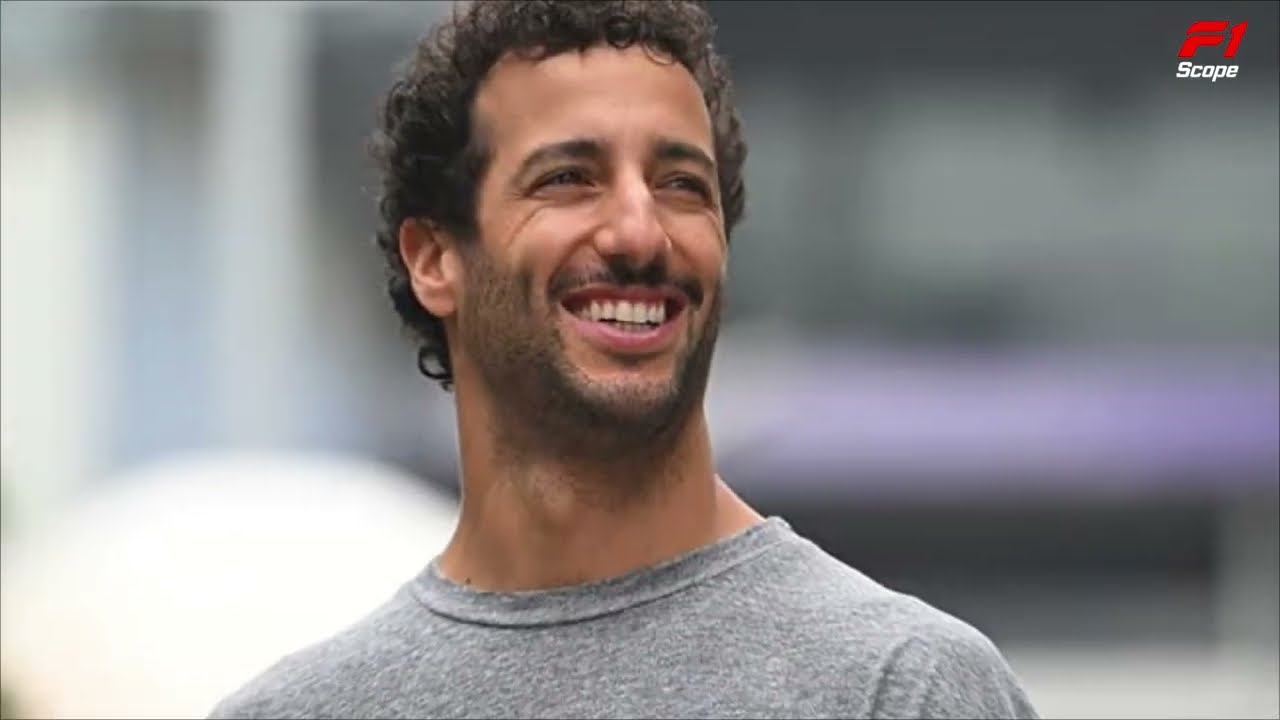
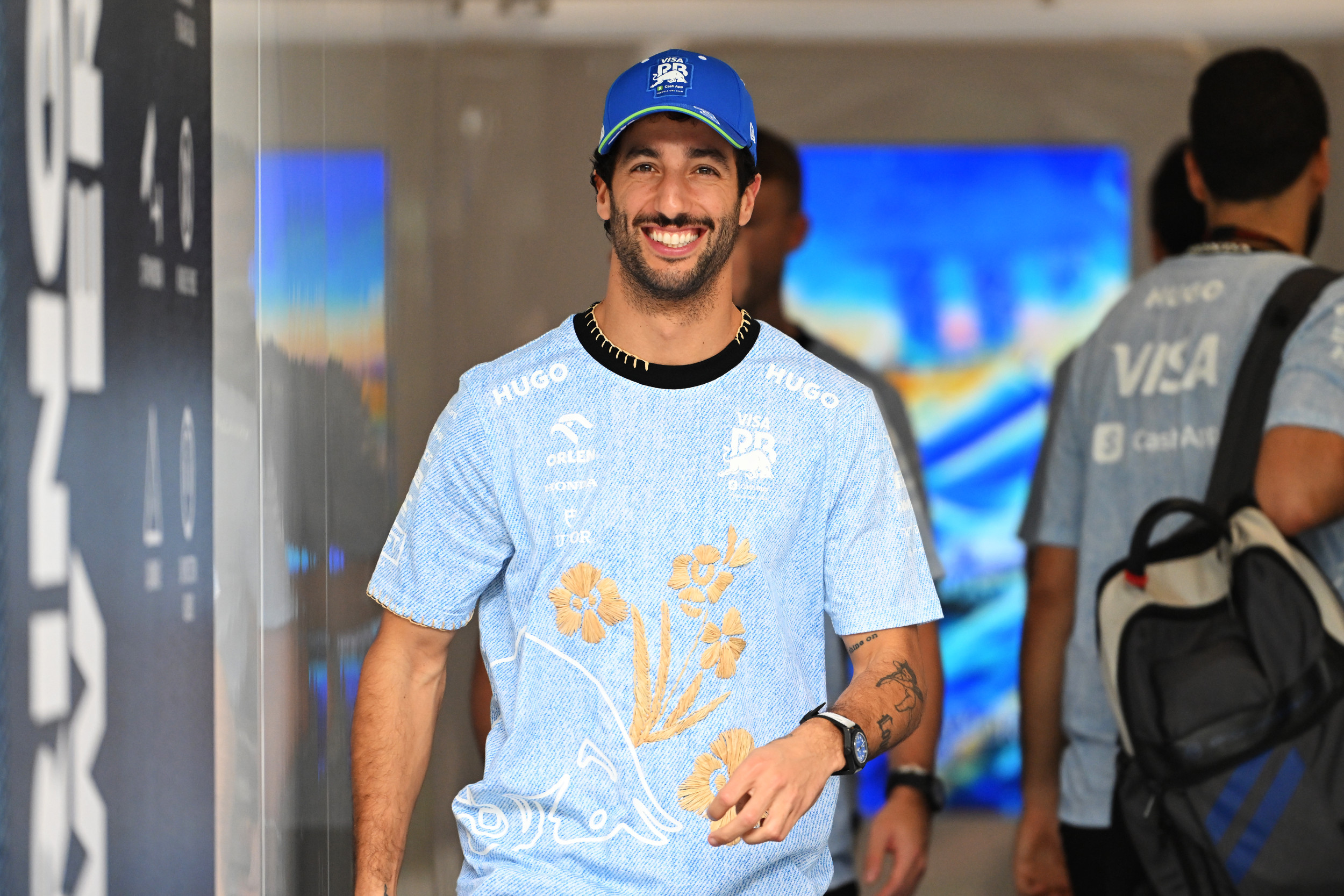
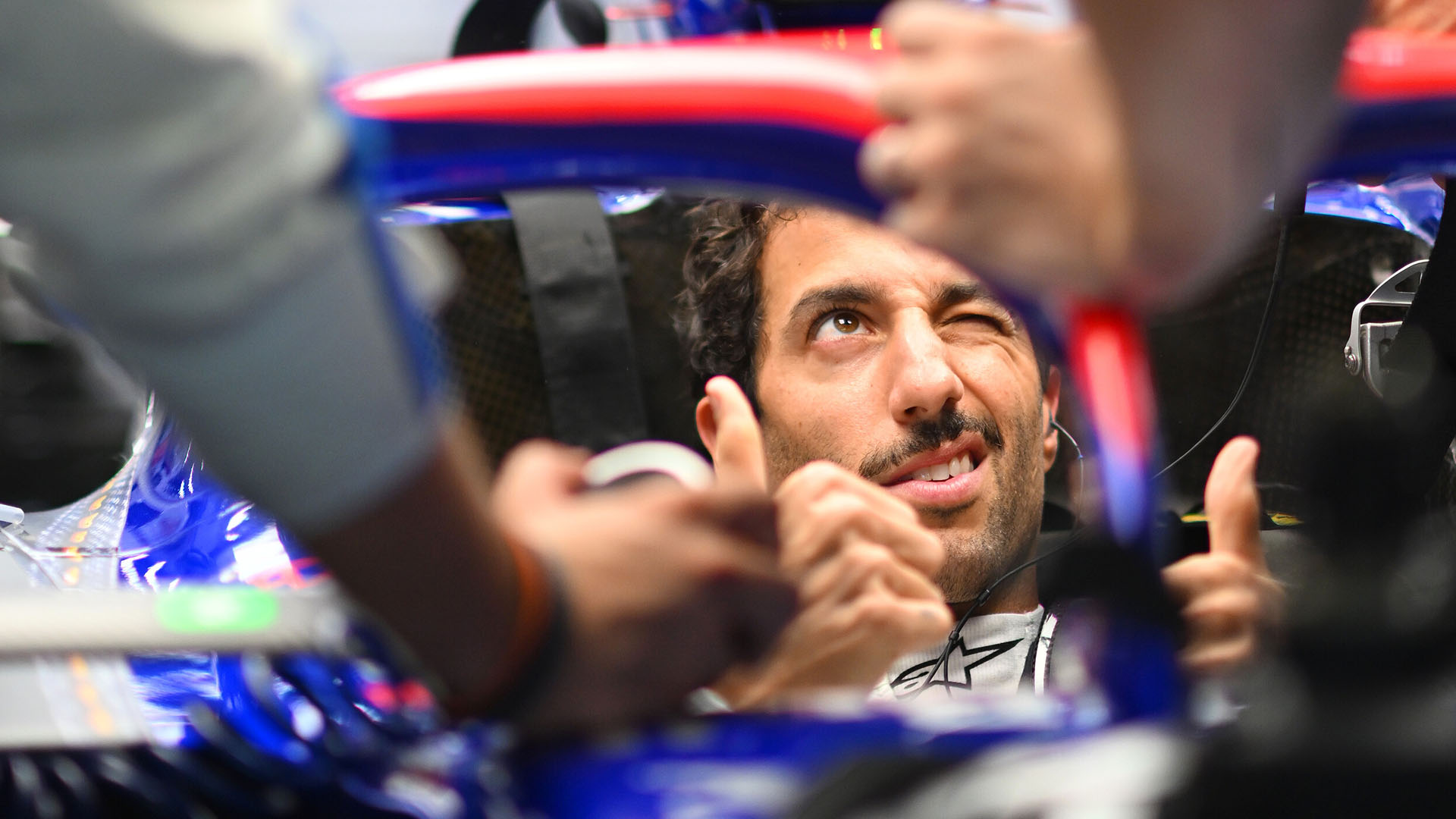
    For over a decade, Daniel Ricciardo has been the undisputed ambassador of joy in the high-stakes, pressure-cooker world of Formula 1. His wide, infectious smile, often dubbed the “Honey Badger,” became his trademark, an almost impenetrable shield that suggested he could turn every setback into a joke and carry the weight of the entire paddock with disarming ease. Fans, media, and rivals alike regarded him as the happiest man in the sport—a driver who appeared immune to the psychological toll of elite competition.

    Yet, behind that famous smile, a far more complex and emotionally scarred story has been brewing in the quiet corners of his mind. At 35, Ricciardo has finally offered a candid, profound look into the hidden costs of his journey, revealing not just the highs, but the depths of disappointment and betrayal that truly defined him. The revelation centers on five specific names—five people who, through competition, broken promises, or devastating critique, left an indelible mark on his heart and career, shaping him in ways he never forgot.

    These are not merely people he disliked; they are chapters of intense psychological warfare, turning moments of hope into sources of long-standing regret. For Daniel Ricciardo, the scars they left are more meaningful than any trophy he ever pursued.

    Daniel Ricciardo Opens Up On Post-F1 Life at Surprise Conference - Newsweek

    The Fifth Name: Kimi Räikkönen – The Cold Shock of Disrespect

    On the surface, the Australian showman and the stoic “Iceman” seemed to exist in entirely different emotional universes. Ricciardo respected Kimi Räikkönen immensely, admiring his silence, his focus, and his ability to shut out the world to concentrate purely on the race. This respect, however, did not grant Daniel immunity from Kimi’s unintentional cruelty, leading to a moment of raw, visceral anger that shattered the illusion of his ever-present calm.

    The incident occurred during a qualifying session, a time when drivers chase a feeling of absolute perfection, a mythical flow where the car, tires, and driver move as one seamless entity. Ricciardo was on a lap that felt perfect, a masterpiece in motion. As he powered toward the final sector, full of momentum and hope, he encountered the slow, unmoving Ferrari of Räikkönen.

    Despite Ricciardo’s desperate, silent plea for the veteran to move aside and respect the unwritten rule of the flying lap, Kimi remained resolutely on the racing line. Precious tenths of a second—and the entire lap—were ruined. In that flash of crushing disappointment, the years of cool, media-trained composure vanished. Daniel raised his hand and delivered an explicit, universally understood gesture toward the Iceman—a moment of televised frustration that millions of fans later dissected and discussed.

    For Ricciardo, the anger was not personal hatred for Kimi, but the crushing shock of realizing that even a driver he idolized and respected could make him feel angrier and more disrespected than anyone else on the track. That fleeting instance created a scar he never forgot, crystallizing the brutal reality that in Formula 1, even the heroes can be disappointing, self-absorbed, and capable of inflicting profound professional injury.

    The Fourth Name: Max Verstappen – The Pressure of the Rising Sun

    Max Verstappen’s arrival at Red Bull was the earthquake that forever changed Daniel Ricciardo’s career trajectory. When Ricciardo first joined the main team, he felt he had secured his rightful place, the environment where he could finally ascend to champion status. Then came Max: young, fearless, aggressively fast, and possessing a talent that immediately reminded the world of a prodigious future.

    Initially, Daniel admired the aggression and the natural speed, but that admiration was quickly subsumed by a terrifying, unrelenting pressure. The dynamics within the garage began to shift subtly but decisively, and soon, small differences became too significant to ignore. As Red Bull increasingly focused their attention and resources on the Dutch prodigy, Ricciardo began to feel the heavy weight of an unwelcome realization: the team was pivoting towards a future that no longer placed him at the center.

    The breaking point was not a mere professional rivalry; it was a physical and symbolic destruction. In Azerbaijan, the two teammates collided spectacularly, destroying both their cars—and simultaneously destroying the delicate trust that had bound them. Ricciardo walked away from the wreckage knowing the damage was irreparable. The incident forced him to ask a truly painful, career-defining question: Was he still the champion Red Bull believed in, or had he become nothing more than a shadow behind Max’s rapidly ascending sun?

    He did not hate Max the person, but he intensely hated the persistent, suffocating feeling of being pushed into a corner. He hated having to fight not only his rivals but also the constant, gnawing belief that his own team no longer saw him as their future. For a long time, that internal conflict and the loss of team belief hurt far more than the physical impact of any crash on the circuit.

    How Daniel Ricciardo became a new kind of F1 star - The Athletic

    The Third Name: Cyril Abiteboul – The Betrayal of Broken Trust

    The shock decision to leave the championship-winning Red Bull for the mid-table Renault team was Ricciardo’s attempt at a profound reset, a move based on a promise of stability and growth. Standing at the center of that promise was Cyril Abiteboul, Renault’s Team Principal, who assured Daniel of support, a long-term plan, and the foundation he had been craving. Daniel trusted him, throwing himself into the challenge of elevating a team struggling for identity.

    But as the months wore on, the promises began to show serious cracks. The car proved unpredictable, the results were frustratingly inconsistent, and the ambitious dream he had been sold seemed to recede further with every Grand Prix. Daniel kept pushing, fulfilling his end of the bargain, yet the growing frustration made him feel like he had jumped into something that looked solid but was fragile on the inside.

    The ultimate wound was inflicted when Daniel made the move to leave Renault for McLaren. Instead of an amicable farewell, Cyril publicly expressed his disappointment, suggesting that Daniel had lost faith and should have remained loyal. These words were sharp, publicly questioning Ricciardo’s character after he had given everything to lift the team. Ricciardo walked away feeling profoundly misunderstood, realizing that the man who had promised unwavering support had turned into someone who actively questioned his loyalty and integrity. Cyril Abiteboul thus represents a wound made not through the heat of on-track competition, but from a fundamental trust that simply did not survive the tumultuous journey.

    The Second Name: Zak Brown – The Pain of Not Being Enough

    The move to McLaren, orchestrated with CEO Zak Brown, was meant to be the true, clean restart Ricciardo desperately needed. Brown welcomed him with confidence, assuring him he would thrive. Daniel allowed himself to believe in the new beginning, carrying a great weight of hope.

    The ensuing season, however, unfolded into what Daniel himself describes as one of the toughest chapters of his career. The McLaren machine felt alien, fighting him through corners, constantly slipping away just as he believed he had found the rhythm. Despite his Herculean efforts—pushing harder, studying data late into the night—the results consistently refused to materialize.

    The emotional low point, the moment that truly cut the deepest, was Zak Brown’s decision to speak publicly about Daniel’s struggles. Brown’s direct comments about the team’s disappointment and the failure of the partnership echoed painfully in every headline. For Daniel, hearing the criticism from the person who had guaranteed belief felt like a brutal punch he never anticipated. The relationship culminated in the early, heart-wrenching termination of his contract, a moment where the “emotional floor gave way beneath him.”

    Zak Brown, for Daniel Ricciardo, is not a figure of traditional hatred but an embodiment of heartbreak: the devastating pain of being told you are no longer good enough, professionally or otherwise, even after exhausting every physical and psychological resource you possessed.

    Daniel Ricciardo's Career Choices: A Retrospective | F1 News

    The Number One Name: Himself – The Shadow in the Mirror

    The deepest, most pervasive source of pain and regret, the one he never wanted to admit, was Daniel Ricciardo himself. The weight of every major career decision—leaving Red Bull, joining Renault, jumping to McLaren—was carried alone, each choice born of hope but seemingly leading to greater pain than the last.

    The hardest challenge was not the pressure from the demanding media or the disappointed teams; it was the relentless, unforgiving voice inside his own head. It was the inner critic, the one replaying every collision, every failed negotiation, and every cutting public comment, telling him relentlessly that he should have known better. He blamed himself for trusting the wrong people, for failing to spot the warning signs, and for allowing his once-unshakeable confidence to slip away.

    The very smile he deployed so effortlessly for the cameras was often nothing more than a carefully constructed mask, used to desperately conceal the fact that his toughest, most draining fight was not with any rival, but with the man staring back at him in the mirror. The toughest battles were fought in quiet moments after the roar of the crowd had faded, a struggle with self-doubt that grew louder every year, questioning his speed, his belonging, and his relevance in a sport that had seemingly moved on.

    Daniel Ricciardo carries the scars of the moments he wished he could rewrite. He finally understands that his biggest enemy was never a team principal or a rival driver, but the part of himself he could not outrun, no matter how fast he drove.

    The Victory in the Scars

    These five names, ultimately, are not a list of enemies but rather a roadmap of Daniel Ricciardo’s profound personal evolution. They are the critical chapters in a deeply human story of a celebrated athlete:

    Kimi reminded him that even heroes possess flaws and can cause disappointment.

    Max showed him how quickly ambition and rising star power can fundamentally change the entire balance of a powerful team.

    Cyril taught him the painful lesson that promises, especially in the cutthroat environment of elite sports, do not always survive harsh reality.

    Zak forced him to confront the agonizing heartbreak of professional rejection and the crushing feeling of being declared ‘not enough’.

    And Himself taught him that the hardest person to forgive, and the most significant adversary to overcome, is always the one looking back at you in the reflection.

    These five figures trace a difficult, complex journey filled with soaring hope, crippling heartbreak, immense courage, and profound lessons Daniel never asked for. They explain why his famous smile is not merely a sign of happiness, but a complex mechanism of survival, the very armor he uses to protect himself while the entire world watched him rise, fall, and then find the courage to rise once again.

    Daniel Ricciardo may no longer be solely fighting for world championships, but his current, ongoing battle is for something far more significant and enduring: the fight to stay authentically true to himself. In the end, this hard-won, honest self-acceptance is a victory that no trophy could ever truly represent.

  • F1 confirms new Grand Prix for 2027 and 2028 as fan-favourite track returns

    F1 confirms new Grand Prix for 2027 and 2028 as fan-favourite track returns

    A popular Grand Prix will return to the F1 calendar on a two-year deal as Stefano Domenicali’s plot to shake up the series continues with a government-backed agreement

    The Portuguese Grand Prix will return to the F1 calendar in 2027(Image: PATRICIA DE MELO MOREIRA/AFP via Getty Images)

    Everything you need to know about the Portuguese Grand Prix after its return to the Formula One calendar was confirmed as part of a two-year agreement.

    Return to Portimao: The Algarve International Circuit in Portimão is set for a return to the Formula 1 calendar for the 2027 season, six years after its last appearance. F1 confirmed on Tuesday that the popular 4.6km track will return on a two-year agreement.
    Government influence: In Tuesday’s press release, F1 confirmed that the deal to bring Portimao back to the schedule was agreed with the Portuguese government, Turismo de Portugal, and the event’s promoter.
    Domenicali’s delight: F1 CEO Stefano Domenicali was ecstatic to get the deal over the line. “I’m delighted to see Portimão return to the Formula One calendar and for the sport to continue to ignite the passion of our incredible Portuguese fanbase,” he declared. “The circuit delivers on-track excitement from the first corner to the chequered flag, and its energy lifts fans out of their seats.”
    Driver favourite: The circuit is known for its extreme undulations and challenging, rollercoaster-like characteristics, making it popular with many drivers. After driving the track, Lewis Hamilton remarked that “The undulations are incredible” and that there are “a lot of places where you can’t see where you’re going.”
    Verstappen’s gripe: However, the track’s unique surface and conditions were not universally praised by the drivers during its two prior appearances on the calendar. Max Verstappen was critical, stating in 2021, “I didn’t enjoy one single lap this weekend, just because of the state of the track.”
    Grip issues: Verstappen’s main complaint centred on the lack of grip, which made it difficult to keep the cars under control and within the track limits. He further lamented that while “the layout is amazing, the grip we are experiencing, I don’t think is nice.”

  • Christian Horner could land big payday for Anthony Joshua as F1 talks ‘now advanced’

    Christian Horner could land big payday for Anthony Joshua as F1 talks ‘now advanced’

    Christian Horner is nearing a return to Formula One, which could end up subseqeuntly earning a big payday for the likes of Anthony Joshua and Rory McIlroy

    View 2 Images

    Christian Horner is reportedly looking for a way back into Formula 1 (Image: PA)

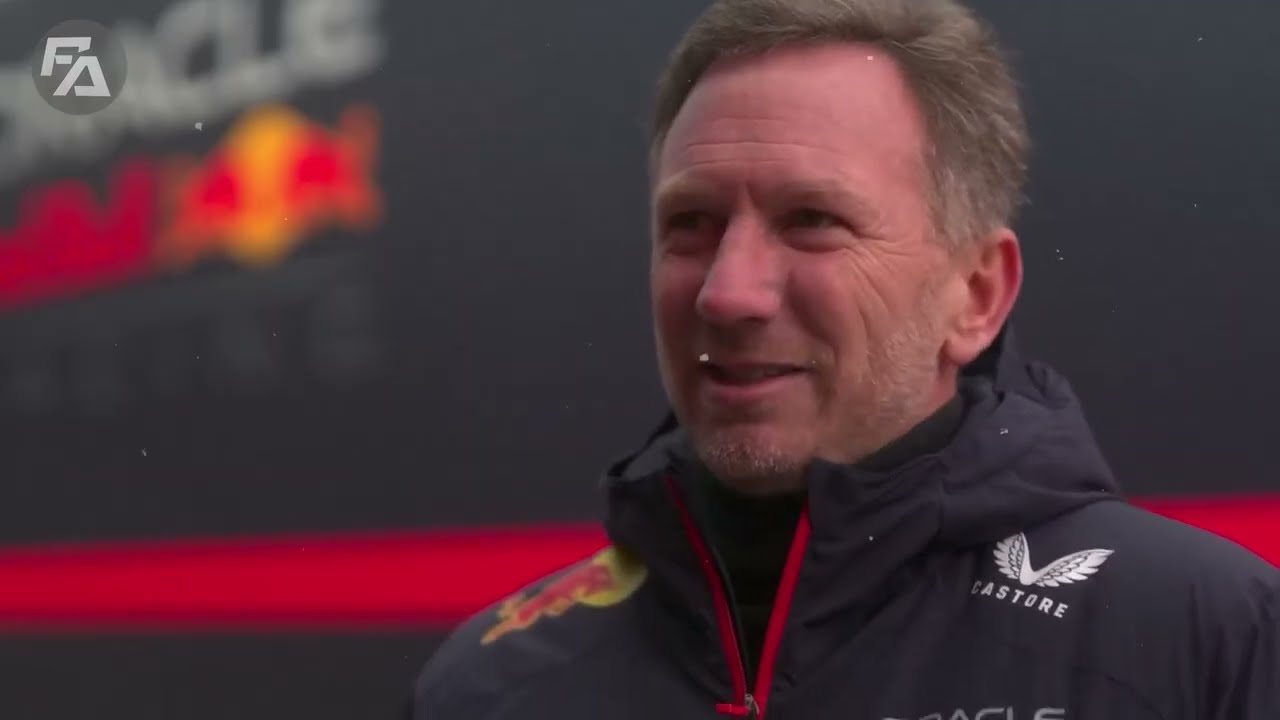
    Former Red Bull team principal Christian Horner is reportedly considering a comeback to Formula 1 with Alpine, potentially buying shares from Anthony Joshua and Rory McIlroy. The 52-year-old officially parted ways with Red Bull in September after agreeing on a severance package following his dismissal as team principal in July.

    Horner led the F1 team since its inception in 2005, guiding them to eight drivers’ championships and six constructors’ championship titles. His departure came after a contentious 18 months that began when a female employee accused him of sexual harassment – an accusation he denied and which became public in February 2024.

    Horner was twice found to have done no wrongdoing, first by an internal investigation conducted by a lawyer, and then by another lawyer who dismissed the complainant’s appeal.

    According to Dutch newspaper De Telegraaf, the Englishman could make a return to F1 in 2026. It is suggested that the earliest he can rejoin the sport is in the spring, once his gardening leave from Red Bull concludes.

    Previously linked with Aston Martin, Horner saw his former colleague, Adrian Newey, promoted to team principal instead.

    However, reports suggest that Horner isn’t just eyeing a return as team principal; he’s also interested in acquiring a stake in a racing team. Horner is said to be in discussions with Alpine, where his good mate Flavio Briatore holds the reins.

    The Renault Group owns the majority of Alpine, but since 2023, an American consortium, Otro Capital, has held a 24 per cent stake.

    View 2 Images

    Horner’s possible return to F1 could potentially benefit Anthony Joshua and other sports stars(Image: Getty)

    Famous sports stars and celebrities are among Otro’s investors, including pugilist Joshua, golfer McIlroy, footballer Trent Alexander-Arnold and actor Ryan Reynolds.

    However, it’s rumoured that the consortium is considering selling their shares, which could potentially be snapped up by Horner and a group of investors.

    Joshua, who is already worth a colossal £113million and set to earn £70m for Saturday’s fight with Jake Paul, could have his coffers boosted even more if his stake with Otro is bought by Horner and other investors.

    If Horner does make the move to Alpine, he’ll be joining after one of the team’s most dismal seasons.

    The Oxfordshire-based side ended up at the bottom of the constructors’ championship table, with drivers Pierre Gasly and Franco Colapinto finishing 18th and 20th in the drivers’ standings.

    When quizzed about the potential deal, Horner reportedly didn’t deny being in discussions with Alpine, but chose not to comment further.