The Erasure of Football’s Soul: Inside the “Shameful” 2026 World Cup Draw and England’s Path of Fire
The 2026 World Cup was always destined to be the biggest tournament in the history of the sport, spanning three nations and expanding to a staggering 48 teams. However, following the recent draw ceremony, the conversation has shifted dramatically from the excitement of the pitch to the utter embarrassment of the spectacle itself. In what many seasoned observers are calling a watershed moment for the wrong reasons, the event appeared to abandon the core spirit of football in favor of a political circus and a celebrity-filled variety show that left fans and journalists alike feeling “ashamed and complicit.”
On a recent episode of Sky Sports News’ Back Pages Tonight, veteran journalists Ian Ladyman of the Daily Mail and Martin Hardy of The Times delivered a blistering critique of the proceedings. Ladyman, a reporter with nearly three decades of experience, described the ceremony as a cross between the Eurovision Song Contest and a “party political broadcast for Donald Trump.” The inclusion of political figures and the awarding of a “peace prize” by FIFA President Gianni Infantino to the former U.S. President felt, to many, like a bridge too far. The consensus among the press gallery was clear: this was not about the fans or the players; it was Infantino’s personal side-show, a performance that threatened to erase the “soul” of international football.
The Political Circus vs. The Beautiful Game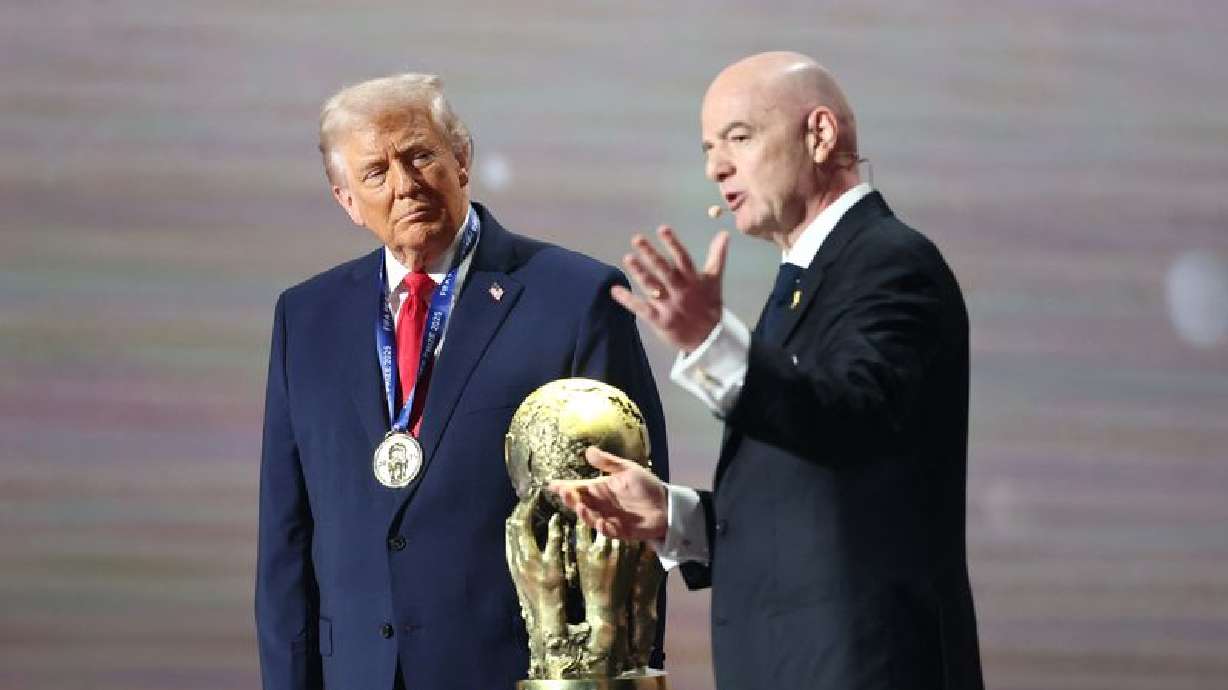
The backdrop of the draw was meant to showcase the glitz and glamour of the upcoming host nations, but it quickly devolved into what Martin Hardy described as a “chaotic mess.” With hosts like Heidi Klum and Kevin Hart steering the ship, the actual drawing of the balls—the reason millions of fans tuned in—was delayed for hours. By the time the groups were finalized, the narrative had been hijacked.
For those invested in the purity of the sport, the blatant mingling of football and politics was jarring. FIFA has long maintained a stance that the two should never mix, yet the ceremony appeared to lean heavily into political optics. Ladyman noted that the major football associations, including the English FA, should feel a sense of urgency to lobby against this format. “We shouldn’t allow it to be undermined in such a way,” he argued, emphasizing that while everyone will still participate in the “greatest show on earth,” the delivery of that show has become an embarrassment to the associations it represents.
England’s “Draw from Hell”
Once the dust settled on the stagecraft, the cold reality of the groups began to sink in. England fans, in particular, have much to be concerned about. Grouped with Croatia, Panama, and Ghana, the Three Lions have been handed what the morning tabloids are calling a “tricky” or even “hellish” draw. While some might look at Panama and see an easy win, the combination of a high-ranked Croatia and a physical, unpredictable Ghana provides no room for complacency.
Thomas Tuchel, England’s new tactical architect, was described as being “diplomatic” in his response, but the underlying concern is palpable. The issue isn’t just the quality of the opponents, but the logistics of the tournament itself. Due to the expansion to 48 teams, England finds themselves in Group L. This positioning creates a scheduling bottleneck that could break the squad. If England wins their group, they will be forced to play four games in just 13 days to progress beyond the quarterfinals.
In the climactic heat of an American summer, playing a game every three days is a Herculean task for players already fatigued by the relentless schedule of the Premier League. The depth of the 26-man squad will be tested like never before, and Tuchel will need to exercise masterful rotation to ensure his key stars aren’t sidelined by injury or exhaustion by the time they hit the knockout stages.
Scotland’s Date with Destiny
In stark contrast to the anxiety felt south of the border, the mood in Scotland is one of pure, unadulterated joy. The Tartan Army has been drawn into a group with Brazil, Haiti, and Morocco. While facing the five-time world champions is a daunting task on paper, for the Scots, it is a “dream fixture.”
Recalling the iconic 1998 opening match against the Brazilians, Scotland manager Steve Clark and his team are embracing the challenge with a “bring it on” attitude. The prospect of facing the flair of Brazil in the final group game is precisely the kind of glamour the nation has missed on the world stage. Even with the daunting prospect of Brazil, the new format—where several third-place teams advance—gives Scotland a genuine pathway into the last 32. For a nation that has mastered the art of “glorious failure,” there is a growing belief that they could finally turn the tide and write a new chapter of success.
Club Echoes: The Premier League Impact
While the World Cup dominates the headlines, the ripple effects are being felt in the domestic leagues. Arsenal manager Mikel Arteta is reportedly looking to bolster his squad in January, a move that Ladyman suggests is a “tactical play” of strength. With Arsenal sitting high at the top of the table, Arteta is using the board’s momentum to demand reinforcements to protect his squad from the very fatigue that threatens England’s World Cup chances.
Conversely, the story of Alexander Isak at Liverpool (as cited by the source) serves as a cautionary tale. Once a heroic figure at Newcastle, Isak’s struggle for form and confidence at Anfield highlight the fragility of a striker’s career. When confidence dips, as Ladyman noted, the instinctive runs stop, and the “hiding” begins. This loss of intensity is exactly what national teams fear heading into 2026. A striker without a spark can neutralize even the most star-studded midfield.
A Tournament at a Crossroads
The 2026 World Cup draw has left the football world at a crossroads. On one hand, the expansion offers smaller nations a historic chance to dream. On the other, the commercialization and politicization of the event threaten to alienate the very people who give the game its life.
As Thomas Tuchel prepares his side for the “hard way” to the final, and as Scotland prepares to party like it’s 1998, the overarching question remains: Can the football overcome the fanfare? We are promised the greatest football show on earth, but after the “shameful” events of the draw, FIFA has much work to do to restore the trust of the fans. The road to 2026 has begun, and while it is paved with political glitz, the true test will be whether the magic of the game survives the machinery that surrounds it.






