The Bernabeu’s Broken Mirror: Why Xabi Alonso’s Real Madrid Dream is Rapidly Turning Into a Tactical Nightmare
Real Madrid is a club built on the foundation of inevitability—the sense that regardless of the performance, the result will find its way home. But following a staggering and listless home loss to Celta Vigo, that foundation has never looked more fragile. The Santiago Bernabeu, usually a fortress of pride, became a theatre of frustration as Xabi Alonso’s side put in a performance described by analysts as “ponderous,” “slow,” and devoid of “workmanlike” intensity. The “untouchable” veneer of the Xabi Alonso hire is not just chipping; it is cracking wide open, leaving the manager, the board, and the fans staring into a future filled with panic.
A Disconnect in the Dressing Room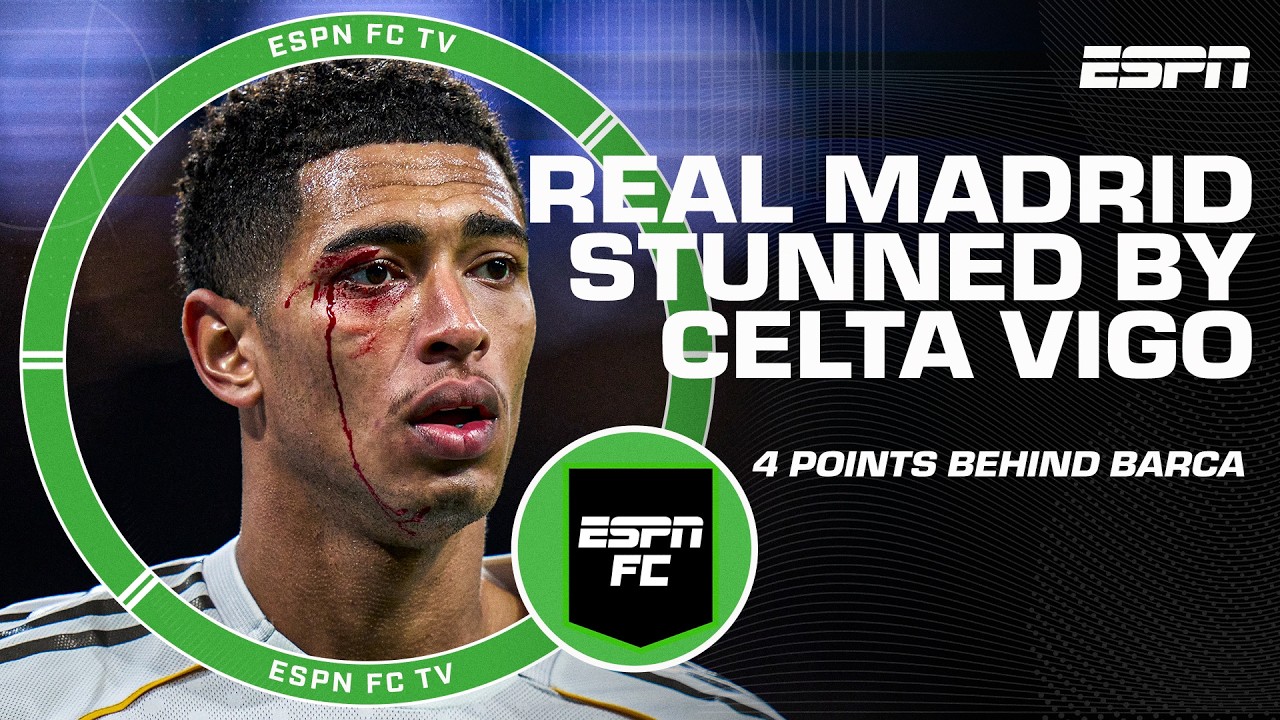
The autopsy of the Celta Vigo defeat reveals a disturbing trend that has haunted the Bernabeu since Alonso’s arrival: a fundamental disconnect between the manager’s tactical philosophy and the squad’s willingness to implement it. Alonso was brought in from Bayer Leverkusen to instill a high-pressing, high-energy modern system—a drastic departure from the “laissez-faire” individual brilliance that defined the latter days of Carlo Ancelotti’s tenure. However, the stars on the pitch appear to be playing a different game.
Luis Garcia and Craig Burley, speaking on ESPN FC, noted that the team only found its urgency after going down to ten men. “Why this Real Madrid doesn’t do what they did in the last 20 minutes when they were with ten men?” Garcia questioned. It points to a mentality where stars like Kylian Mbappe, Jude Bellingham, and Vinicius Junior only decide to run when the situation becomes critical. This lack of “determination” and “intention” from the opening whistle is a direct challenge to Alonso’s authority.
“Everybody Underperformed”
When a team of this magnitude falls, usually a scapegoat is identified. Yet, after this loss, the consensus was clear: “Everybody underperformed.” Jude Bellingham, usually the engine room, failed to create a standout moment. Kylian Mbappe, while technically the world’s best, remained pedestrian due to a total lack of service from a stagnant midfield. Vinicius Junior was more visible for his late-game dives than his creative sparks.
The defensive unit, which Garcia described as a “real nightmare,” looked completely out of sync. Players like Asensio and even the experienced Rudiger were consistently late to contacts, lacking anticipation and failing to act as a cohesive unit. For an elite level team, watching Celta Vigo—well-organized but vastly less talented—play out from the back with ease was an embarrassment to the crest. The lack of discipline was further cemented by the two red cards shown to the bench and on-field players, a sign of a manager losing his grip on the internal decorum of the squad.
The Looming City Storm
The timing of this tactical collapse could not be worse. Looming over the winter horizon is a midweek Champions League showdown with Manchester City—a side Craig Burley describes as a “goal-scoring machine.” With City scoring goals for fun via Erling Haaland and Phil Foden, Real Madrid’s porous defense and slow-footed midfield could face a “walloping” that would haunt the manager’s career.
If City enters the Bernabeu and scores three or four, what does Florentino Perez do? The Real Madrid president is not known for his patience when his project is humiliated on the global stage. While Alonso still retains a level of credit due to his history and the investment made in him, the alarm bells are ringing. As ESPN’s Alex Kirkland noted, “things here can spiral” quickly. One steps forward in midweek against Athletic Club was erased by two steps back at home.
The Shadow of Ancelotti
The most concerning takeaway for many is the realization that, under Alonso, the team still looks like the “ponderous” side that frustrated Ancelotti. While Alonso has toyed with a back-three and structural changes, the on-field execution remains “pedestrian.” Comparisons have inevitably been drawn to Hansi Flick at Barcelona, who arrived and immediately put his “fingerprint” on the team with a daring high line and relentless press. Alonso’s Real Madrid, by contrast, feels like it has no identity.
There is a growing theory that the players simply aren’t “buying into the movie.” Accustomed to success via individual brilliance, the superstars may be subtly—or overtly—resisting the high-intensity demands of Alonso’s training and match-day system. Luis Garcia suggests that Perez must eventually step in and declare that the manager’s word is final: “That guy is the guy. You listen, you shut up, otherwise you don’t play.”
Conclusion: A Season at the Brink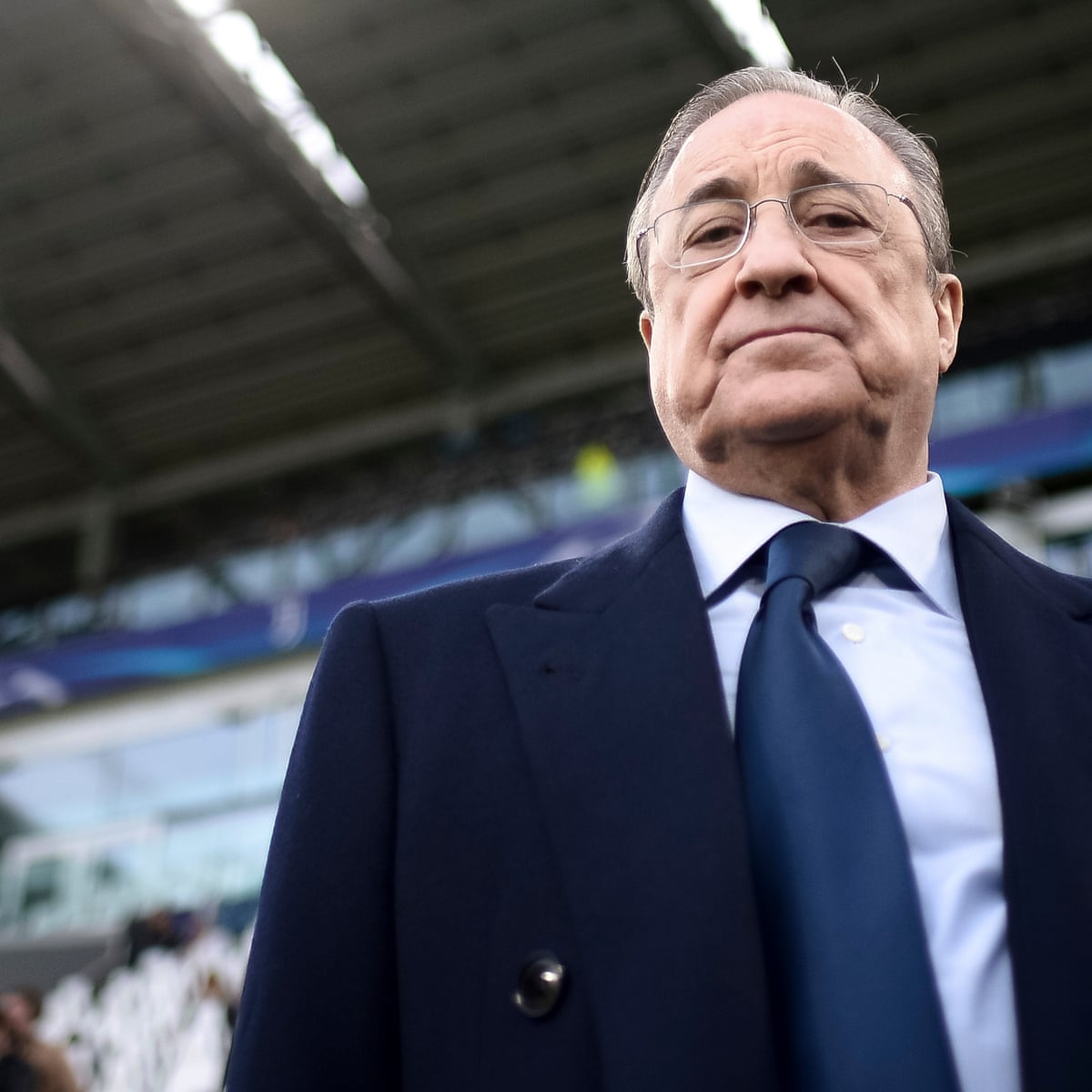
Real Madrid currently finds itself losing ground on a rampant Barcelona. The winter break is fast approaching, and the second half of the season looks like an uphill climb for a team ravaged by injuries, suspensions, and a lack of heart. If Xabi Alonso cannot find a way to align the egos in his dressing room with the tactics on his whiteboard, the dream project might end before it truly begins.
The Bernabeu expects a reaction midweek against Manchester City. It is a game where individual talent will not suffice; they will need to match the collective intensity of the English champions. If the Real Madrid superstars continue to “stroll around” and wait for the game to come to them, they won’t just lose the match—they might lose their manager. The inevitability of Real Madrid is being tested, and for the first time in years, the Bernabeu looks vulnerable.






