As the festive season reaches its peak, nothing sparks quite as much nostalgia as the 2003 holiday classic Love Actually. In a delightful and somewhat revealing reunion on The Graham Norton Show, British acting icons Dame Emma Thompson and Rowan Atkinson sat down to reflect on the film that has become a staple of Christmas cinema. However, beyond the festive cheer and the iconic soundtrack, Thompson offered a sobering perspective on one of the movie’s most famous and emotionally taxing storylines.
For many viewers, the most heartbreaking arc in Love Actually is the collapse of the marriage between Karen (Thompson) and Harry (the late, great Alan Rickman). The tension reaches a breaking point when Karen discovers a heart-shaped gold necklace in Harry’s coat pocket, only to realize on Christmas morning that he bought it for another woman—his secretary—while she receives a Joni Mitchell CD. During her interview with Graham Norton, Thompson was asked about the resolution of that storyline, and her response was far from the “happily ever after” some fans might have hoped for.
“I think that when he gets off that plane at the end, you just don’t know,” Thompson mused, referring to the final scene where Karen greets Harry at the airport. “I think it will never be the same again. That’s the thing.” Her insight adds a layer of poignant realism to a film often criticized for being overly sentimental. For Karen, the betrayal wasn’t just about a piece of jewellery; it was the shattering of a shared life, a sentiment Thompson famously portrayed through a silent, gut-wrenching crying scene that remains one of the most celebrated performances in romantic comedy history.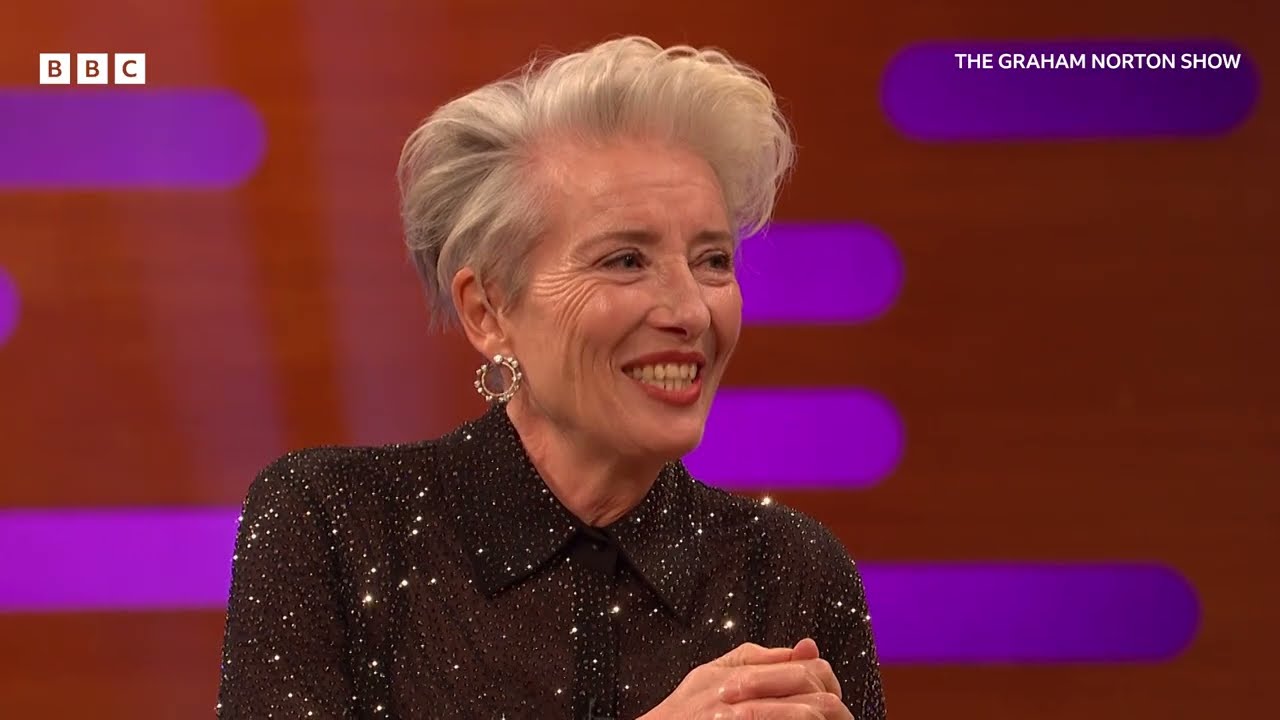
The conversation took a lighter turn as Rowan Atkinson, who played the painstakingly slow and eccentric jewellery salesman Rufus, joined in to discuss their shared scene. In the film, Rufus is the man whose elaborate gift-wrapping nearly exposes Harry’s infidelity in the middle of a crowded department store. Thompson recalled the logistical nightmares of filming that specific sequence, which took place in the world-famous Selfridges in London.
Because Selfridges is one of the busiest retail hubs in the world, the production team was not permitted to film during business hours. This forced the cast and crew to work exclusively through the night, transforming the store into a makeshift film set while the rest of the city slept. Thompson fondly remembered the atmosphere, though she noted that not everyone was in high spirits during the midnight sessions.
“Alan Rickman, god bless him, was pretty annoyed about it,” Thompson laughed. “He didn’t really want to be up all night shooting. He was fairly short-tempered!” The image of the legendary Rickman—known for his deep, authoritative voice and often serious demeanour—being “grumpy” while surrounded by Christmas decorations and wrapping paper added a touch of human comedy to the legendary production storie.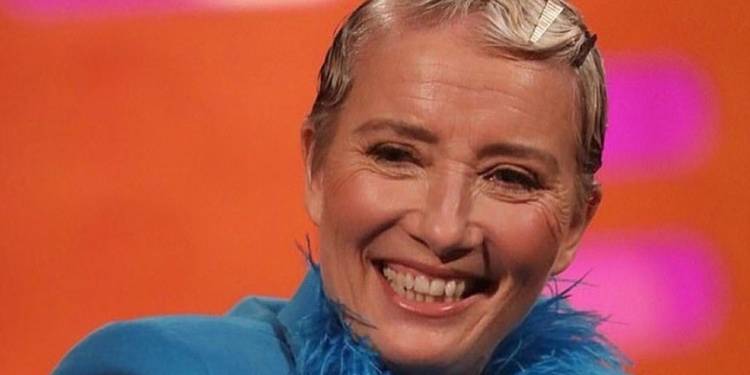
While Rickman may have been struggling with the lack of sleep, Thompson admitted she found her own ways to pass the time in the empty department store. “I just did a spot of shopping,” she joked, leading Graham Norton to playfully suggest she might have been “shoplifting” during the off-hours. The chemistry between Thompson and Atkinson was palpable, reminding audiences why their brief interaction in the film remains such a standout moment of comedic tension.
Beyond the anecdotes, the reunion served as a tribute to the enduring legacy of the film and the talent of those involved. The late Alan Rickman’s performance as the flawed husband continues to be a point of discussion for fans, and Thompson’s reflections only deepen the appreciation for the complexity he brought to the role. Rufus, played with masterful physical comedy by Atkinson, serves as the cosmic intervener—a character originally written as an angel, though this was later changed to a mere mortal with a penchant for perfectionism in gift-wrapping.
As Love Actually celebrates another year as a holiday favourite, these behind-the-scenes revelations remind us that the magic of cinema often comes from long nights, short tempers, and a deep understanding of the human heart. Whether Karen and Harry’s marriage truly survived the credits is a question left to the audience, but Emma Thompson’s realistic take ensures that the conversation will continue for many Christmases to come.






