In the annals of hip-hop history, few eras are as storied or as volatile as the early 2000s dominance of G-Unit. While fans saw the platinum plaques and the global tours, the reality behind the scenes was often a high-stakes game of survival. In a recent, heavy-hitting appearance on the Joe and Jada show, hosted by legends Fat Joe and Jadakiss, G-Unit stalwart Tony Yayo pulled back the curtain on the “Golden Era,” describing a landscape where the line between the recording studio and the street was non-existent.
Yayo’s testimony serves as a stark reminder that for 50 Cent and his crew, success didn’t just bring wealth—it brought “inherited” wars that frequently turned physical.
The Inheritance of Conflict
One of the most compelling aspects of Yayo’s account is the concept of “inherited beef.” During the interview, Yayo explained that many of the most dangerous situations G-Unit found themselves in were products of their associations. He pointed to the late Chris Lighty’s office as a hub of both industry power and street tension. With Jimmy Henchman’s office located just down the block, the proximity of rival factions created a powder keg.
“Every beef that we had, nobody got hurt off that to me was inherited,” Yayo reflected. He described a world where 50 Cent was often blamed for the animosity, but the roots of the conflict frequently lay in behind-the-scenes power struggles that the public never saw. Yayo recounted stories of legendary figures like Henchman and others clashing in private spaces, creating a climate where violence felt inevitable.
The Mixtape Awards: Walking into the Lion’s Den
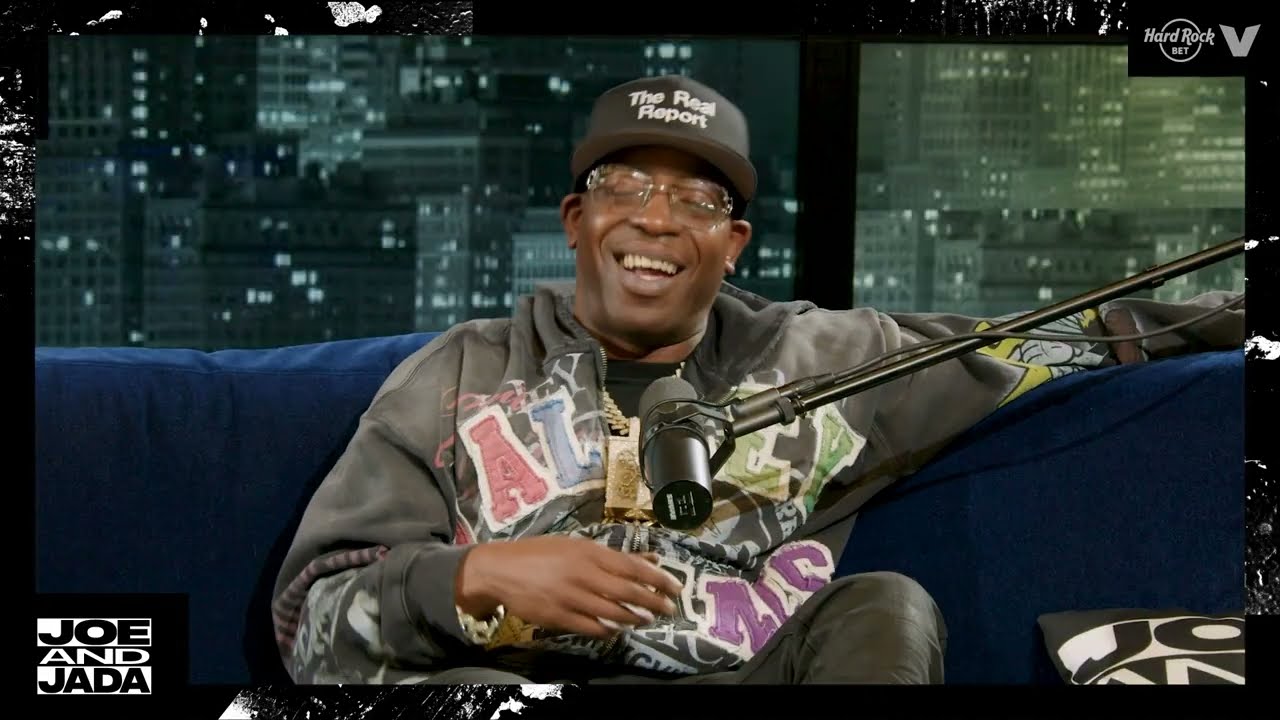
The climax of Yayo’s storytelling centered on a fateful night at a Mixtape Award show—an event he expected to be a celebration of G-Unit’s street dominance but quickly realized was something far more sinister. Having recently been released from prison, Yayo admitted he was “reckless” and perhaps didn’t fully grasp the gravity of the tensions brewing in the city.
“I didn’t know the Apollo was going to be Rikers Island,” Yayo said, describing the atmosphere. He painted a vivid picture of an environment devoid of the usual industry glamour, replaced instead by “nothing but gangsters” and an energy that mirrored the yard of a maximum-security prison. It was here that Yayo came face-to-face with Jimmy Henchman, a man he described as a “grimy” street legend.
In a display of the loyalty that Fat Joe and Jadakiss praised throughout the episode, Yayo refused to play the diplomatic game. When Henchman reached out for a handshake, Yayo declined, sticking to his principles: “If I don’t fuck with you, I don’t fuck with you.” That rejection served as the spark for a night of violence that would see the streets of Harlem turn into a battlefield.
The Night the Bentley Was “Lit Up”
The consequences of the Apollo confrontation were immediate and terrifying. Yayo recounted how the tension spilled out of the venue and onto the streets. He described a scene where “hammers” (guns) were pulled out and the threat of death was palpable.
As Yayo retreated to his Bentley, the situation escalated. “Nigga came walk by and lit the Bentley up in Harlem,” Yayo recalled. The luxury vehicle, a symbol of his newfound success, was riddled with bullets. It wasn’t an isolated incident; Yayo spoke of his associates’ homes being shot up and vehicles being set on fire, illustrating a level of retaliation that went far beyond typical rap industry posturing.
Fat Joe and Jadakiss, both veterans of their own high-profile feuds, listened in near-disbelief as Yayo detailed the sheer scale of the G-Unit/Henchman/The Game conflict. Fat Joe noted that while his own past beefs were intense, Yayo’s experiences were on a different level of lethality.
A Survivor’s Perspective
Despite the chaos, Yayo spoke with a sense of appreciation for the experiences he survived. He balanced the tales of shootouts with moments of genuine “fan-boy” wonder—being in the studio with Dr. Dre, seeing Eminem, or spotting Wesley Snipes at a party and thinking of New Jack City.
This duality is what makes Yayo’s story so captivating. He was a man who could be “tweaking” over seeing Jim Carrey one moment and ducking bullets in Harlem the next. His loyalty to 50 Cent was the anchor of his career, a trait that Jadakiss noted was rare in an industry known for “snakes” and shifting alliances.
“I was fucking with 50 since 1998,” Yayo said, emphasizing that his bond with the G-Unit mogul preceded the fame, the shooting of 50 Cent, and the global superstardom. It was a brotherhood forged in the trenches of Queens and Brooklyn, and it was a brotherhood Yayo was willing to die for.
The Legacy of the Beef
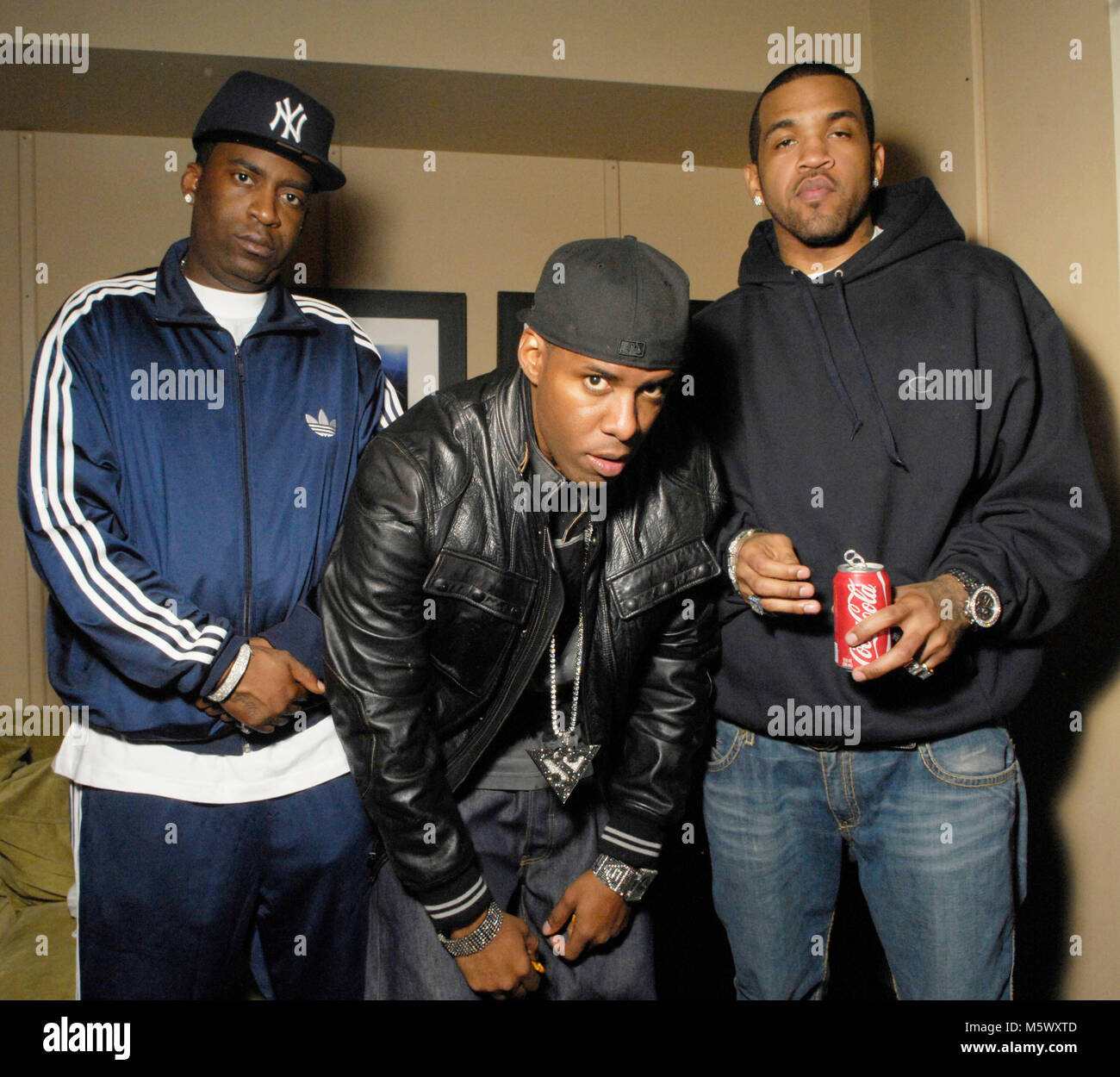
Today, the G-Unit era is remembered for its unparalleled run of hits and its transformation of the music business. However, interviews like this provide the necessary context for that success. The music was fueled by a reality that was often grim and dangerous. Tony Yayo’s “crazy stories” aren’t just entertainment; they are a historical record of a time when the stakes of hip hop were life and death.
As the interview concluded, the room was left with a profound sense of how much the industry has changed—and how lucky the survivors are to be here to tell the tale. Yayo’s reflections on his best friend, “Tom Montana,” and the internal struggles of loyalty versus safety, highlighted the human cost of the street life.
In the end, Tony Yayo stands as one of the most resilient figures in the culture. He lived through the “World War” of G-Unit’s peak and emerged with his loyalty intact and his story more compelling than ever. For those who wonder why the Golden Era feels so different from today’s landscape, Yayo’s words offer the answer: it was real, it was raw, and it was dangerous.






