The entertainment world has been plunged into a state of profound mourning following the shocking reports that legendary filmmaker and actor Rob Reiner has passed away in a horrific act of violence. The news, which indicates that Reiner was found stabbed to death in his home, has sent ripples of disbelief through Hollywood and beyond. Among those most affected is radio icon Howard Stern, who took to the airwaves to deliver a deeply personal and emotional tribute to a man he considered a “genius” and one of the most “loving” figures in the industry.
Howard Stern, known for his raw and often unfiltered commentary, was visibly shaken as he recounted his experiences interviewing Reiner over the years. “I just thought the world of this guy,” Stern told his audience, struggling to reconcile the gentle nature of the man he knew with the brutal circumstances of his death. To Stern, Reiner wasn’t just a celebrity; he was a “beautiful man” who managed to remain down-to-earth despite reaching the highest peaks of Hollywood success.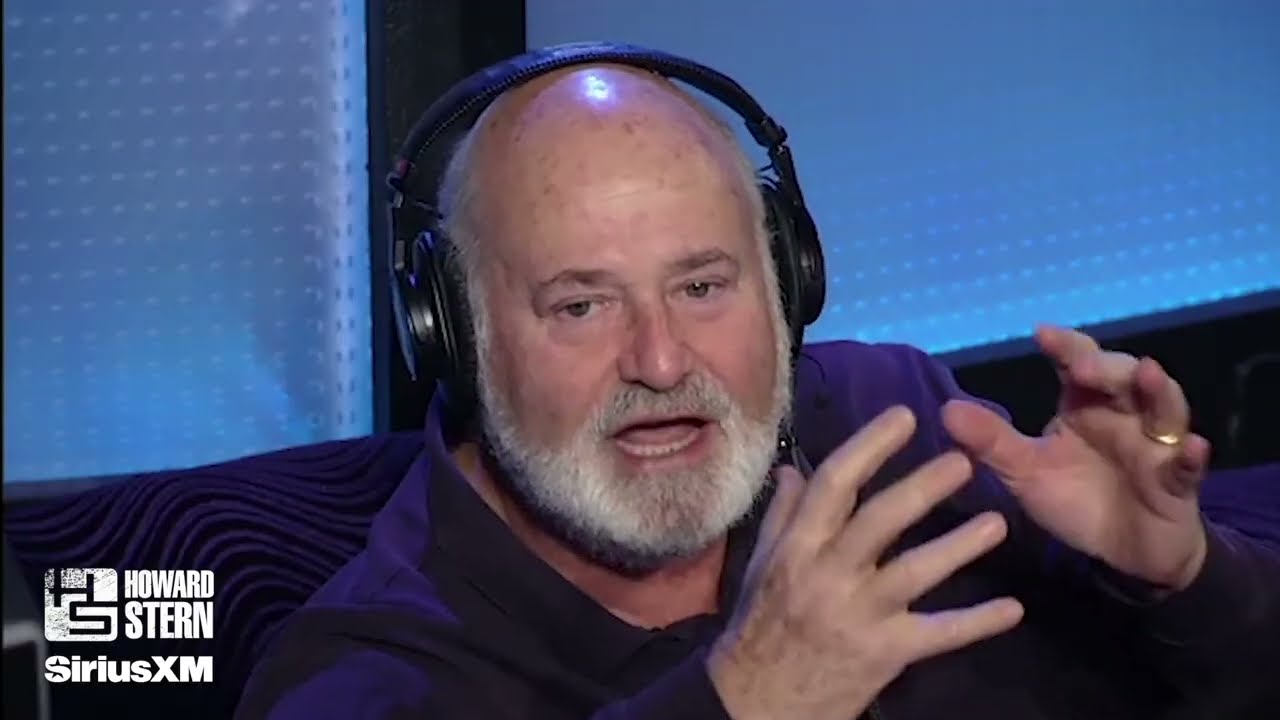
The legacy Rob Reiner leaves behind is nothing short of monumental. For many, he will always be “Meathead” from the revolutionary sitcom All in the Family, a role that cemented his status as a television legend. However, as Stern pointed out, Reiner’s second act as a director was perhaps even more impressive. He was the visionary behind a string of films that defined generations, including the mockumentary masterpiece This Is Spinal Tap, the quintessential coming-of-age story Stand by Me, the beloved fairy tale The Princess Bride, and the ultimate romantic comedy When Harry Met Sally. Stern even went as far as to call the Stephen King adaptation Misery “the best movie ever.”
During the tribute, Stern revisited a poignant interview where Reiner opened up about the immense pressure of being the son of the legendary Carl Reiner. Growing up in a household where comedy royalty like Mel Brooks was a constant presence, Rob faced the daunting task of carving out his own identity. Reiner shared a memory of being a terrified 16-year-old, nervously pitching a joke to his father and Brooks while they prepared for The Ed Sullivan Show. When they actually used his joke, Reiner described it as “the greatest thrill.”
Stern was particularly fascinated by Rob’s drive to be competitive with his father. Reiner recalled watching his father work on The Dick Van Dyke Show, meticulously studying how he fixed scripts and handled actors. “I wanted to be competitive with him,” Reiner once told Stern, admitting that at 14, he sat behind his father’s desk wondering, “How the hell am I going to do this?” It was this drive, born from a place of deep respect and love, that fueled one of the most successful directing careers in history.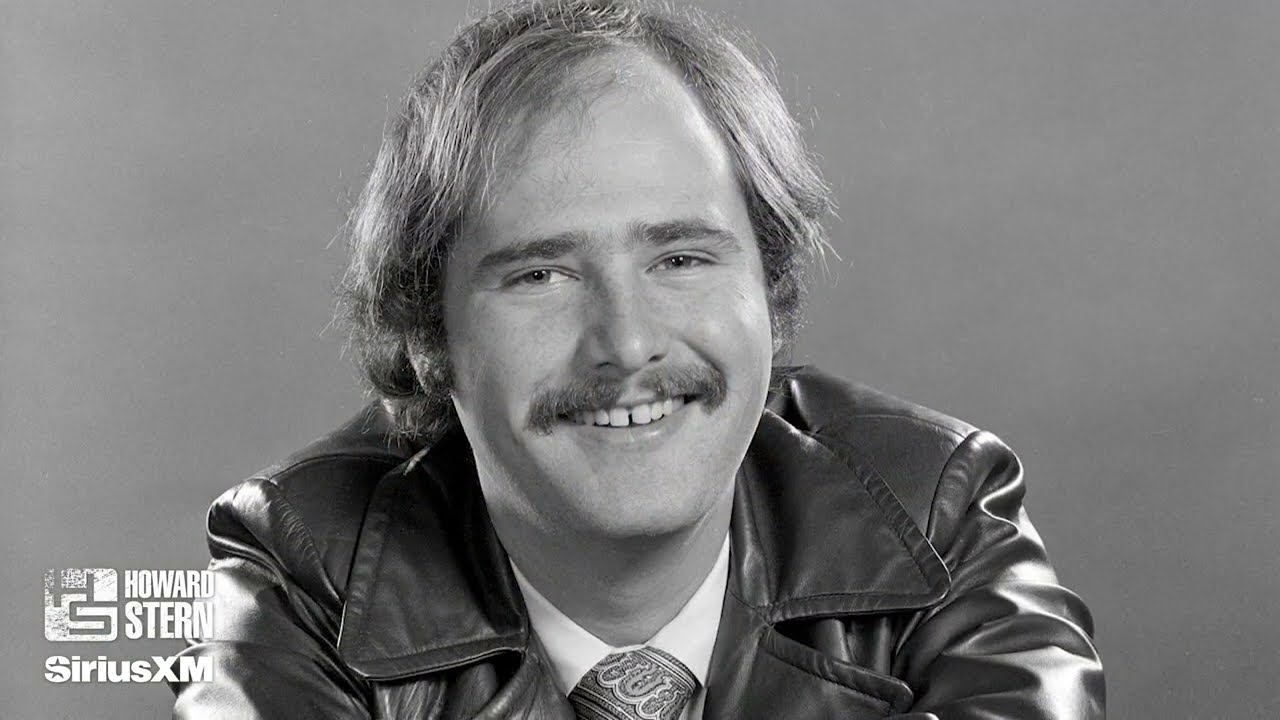
The tragedy of Reiner’s passing is magnified by the reputation he held as a “mild-mannered and caring” individual. Stern emphasized that in every interaction, Reiner seemed genuinely connected to people, a rarity in the high-stakes environment of show business. He was a man who “turned it up to 11” in his professional life but remained remarkably humble in his private one.
As the investigation into this senseless tragedy continues, the focus remains on the incredible body of work Rob Reiner gifted to the world. From the laughter of Spinal Tap to the heart-tugging moments of Stand by Me, his influence is woven into the very fabric of modern cinema. Howard Stern’s tribute serves as a reminder that while a life can be taken in an instant, a legacy built on love, creativity, and genius is immortal. “To lose him is a real loss,” Stern concluded. “Rob Reiner, what a beautiful man.”






