The ‘Snake in the Garden’ Returns: Inside the Brutal, High-Stakes Espionage of The Night Manager Series 2
The world of international espionage is often romanticized in fiction, but the reality, particularly in the deep, moral grey areas of modern covert operations, is far more brutal. Few series have captured this chilling ambiguity as effectively as the BBC’s critically acclaimed thriller, The Night Manager. Now, with the launch of its highly anticipated second series, the curtain is drawn back on a conspiracy so vast and venomous that it threatens to consume the man tasked with exposing it. This is more than a spy thriller; it’s a searing look at the psychological toll of living a lie and the high cost of fighting the “whole rotten bunch” of global corruption.

The new chapter wastes no time in re-establishing the perilous stakes, plunging the audience back into a shadow war where trust is the most dangerous weapon. The opening moments introduce us to the guiding ethos of “The Night Owls,” a surveillance unit operating under the strict doctrine: “you watch, you listen, you report, you do not hunt.” This foundation of clinical detachment and pure observation is instantly—and terrifyingly—shattered by the gravity of the new mission. The lines of engagement have been violently redrawn, and for the protagonist, Matthew Ellis, the game has fundamentally changed.
The Mission: Becoming a Deceiver
The target is Teddy Dos Santos, an individual whose operations reach the highest echelons of international crime. The accusation is devastatingly specific: Dos Santos is “smuggling arms into Colombia,” and, in a betrayal that cuts straight to the core of national security, it is believed that “British intelligence is helping him.” This is the kind of moral collapse that tears apart institutions, and it necessitates a move that is as desperate as it is calculated.
Ellis is given his terrifying new mandate: “That’s your chance to be a snake in their garden.” The transformation from silent observer to active saboteur marks the end of his purity and the beginning of a descent into necessary deception. To succeed, he must not just observe the corruption; he must embody it, becoming an integral, yet cancerous, part of the criminal structure. His handler emphasizes the isolating nature of his new existence, reminding him, “you’re on your own and you’ve money to burn.” This immense financial power, a necessity for operating in the gilded cages of the global elite, serves only to underscore his profound solitude. The glamorous façade of wealth and privilege masks a life lived perpetually on a razor’s edge.
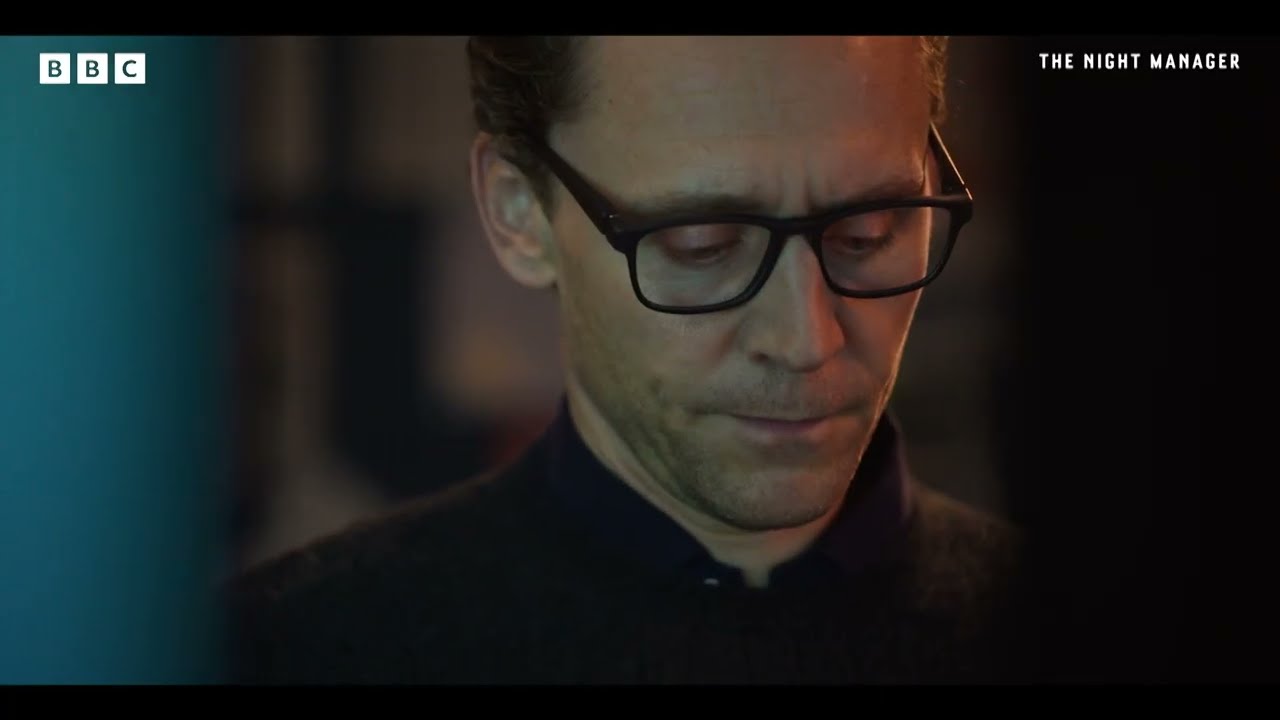
The mission immediately takes Ellis to the scorching heart of the operation, deep in Colombia, a place where the rules of civilization are inverted. The ominous welcoming phrase, “Welcome to Colombia,” signifies not a destination, but a commitment to the unforgiving brutality of the criminal underworld. Here, every transaction is veiled in paranoia, every promise is fragile, and the price of failure is absolute.
The Toll of the Double Life
The power of The Night Manager lies not just in the complex mechanics of its plot, but in the psychological destruction it inflicts on its hero. Ellis is not merely an actor playing a part; he is required to destroy his own identity to create a convincingly monstrous alter ego. The strain of this transformation is immediately evident in his own self-confession: “I’m a fraud, lying about what I know to get what I want.” This is the chilling realization of the deep-cover operative—the moment when the fabricated self begins to feel more real than the true identity. The objective of justice is served only by the means of profound personal deceit.
This inherent contradiction creates a desperate vulnerability that his targets exploit. As he attempts to assert his position within the network, he is met with a cold, brutal challenge to his supposed authority: “You are not the one in control here.” In the world of high-stakes crime, the one who thinks they are running the game is almost always the easiest to manipulate. The power dynamics are a deadly dance, and Ellis, for all his training and moral intent, is ultimately a puppet in the hands of the kingpins he seeks to dethrone.

The mantra of the criminal organization is chillingly simple and absolute: “Everything is trust.” In a world built on illegalities, mutual dependence is paramount, and the violation of that trust is the central, explosive conflict of the series. The relationship Ellis cultivated—the deep personal connection he had to foster to reach the center of the web—is irrevocably severed by his necessary betrayal. The emotional fallout is articulated by the furious, shattered voice of his target: “You lied to me.”
The Unforgivable Betrayal
The pain of the betrayed party is palpable, moving the conflict from the abstract realm of politics and espionage into the visceral territory of personal vengeance. The antagonist’s accusation is raw and unforgiving: “You played me, I trusted you in my life.” This revelation confirms that Ellis’s success required the absolute demolition of someone else’s life and belief system. It is a sacrifice demanded by the mission, yet one that leaves a permanent moral scar on the operative.
The situation spirals quickly into a frantic, life-or-death confrontation. Ellis, who began as the hunter, becomes the hunted, driven by the immediate need for survival: “I have to get to him before he gets to me.” The stakes are no longer about just gathering evidence; they are about preventing his own elimination and, crucially, saving the mission from collapsing into a fatal catastrophe.
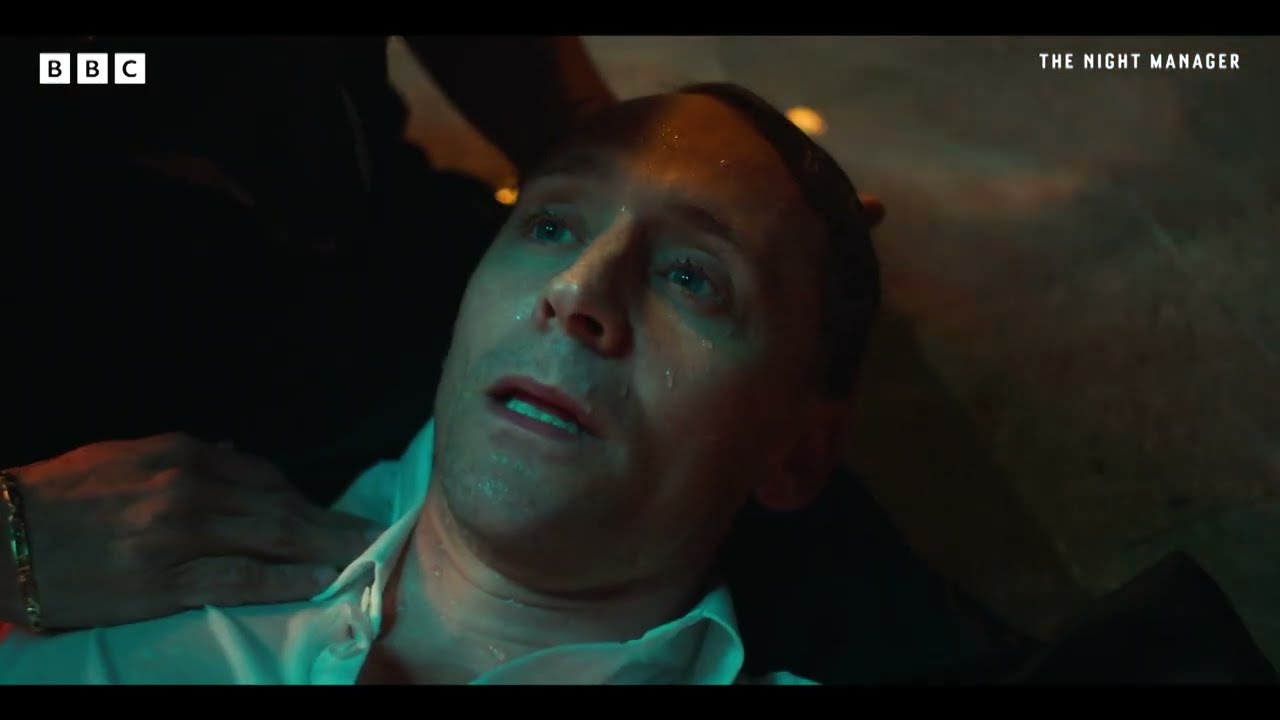
The heart of the conspiracy, however, remains the grand prize—the political and financial rot that has allowed the arms smuggling to flourish. Ellis and his remaining allies understand that the tactical takedown of Dos Santos is merely a precursor to the true, seismic objective: “It’s our chance to nail the London investors, the politicians, the whole rotten bunch.” This is the driving force behind the entire operation—a desire to clean out the cesspool of influence and money that protects the most powerful criminals on earth. The series is therefore positioned as a battle not just against external threats, but against the insidious corruption that has festered at the very top of the social and political structure.
The Endless Road of an Operative
The trailer offers a sobering moment of self-reflection from an observer close to Ellis, who recognizes the fundamental, disturbing change in him: “Something’s not right with you. The way you never stop, do you?” This question probes the obsessive nature of the deep-cover life, where the lines between the mission and the self have evaporated. The inability to stop is a symptom of a soul that has been irrevocably altered by the constant pressure and the perpetual need to deceive.
The final, wrenching moment of questioning cuts through the action and violence to ask the core philosophical question of the season: “Who are you, Matthew? Why are you really here?” After months or years of deceit, the operative himself may no longer know the answer. The initial moral clarity of serving justice has been clouded by necessary compromises and the intimate damage caused by his actions. He entered the garden as a snake to rid it of a pestilence, but the act of deception itself has poisoned him.
The Night Manager Series 2 promises a sophisticated, emotionally devastating narrative that examines the fallout of ethical warfare. It will explore whether one can truly maintain a moral compass while navigating the darkest channels of the human soul, and whether the exposure of corruption is worth the price of a man’s identity. The new series is set to be a harrowing, yet utterly compulsive, return to the shadowy world where no one is clean, and the fight against the “rotten bunch” is always a fight against one’s own compromised self.






