Ariana Grande and Cynthia Erivo Confess Filming Iconic Wicked Duet ‘For Good’ Was “Very Painful” and Left Them “Out of Body”
The Emerald City may shimmer with magical brilliance and Glinda’s bubble may float with glittering perfection, but beneath the surface of the most anticipated movie musical in years lies a raw, human truth: creating that magic came with a significant emotional cost. In a candid, in-depth interview, the stars of the two-part Wicked film adaptation, Ariana Grande (Glinda) and Cynthia Erivo (Elphaba), revealed the sheer, unyielding intensity required to bring the iconic characters and their defining emotional moments to the screen.
The revelation that has sent a jolt of shock and fascination through the film and Broadway communities is the actresses’ confession that shooting the pivotal duet, “For Good,” was an experience they both described as “very painful.”
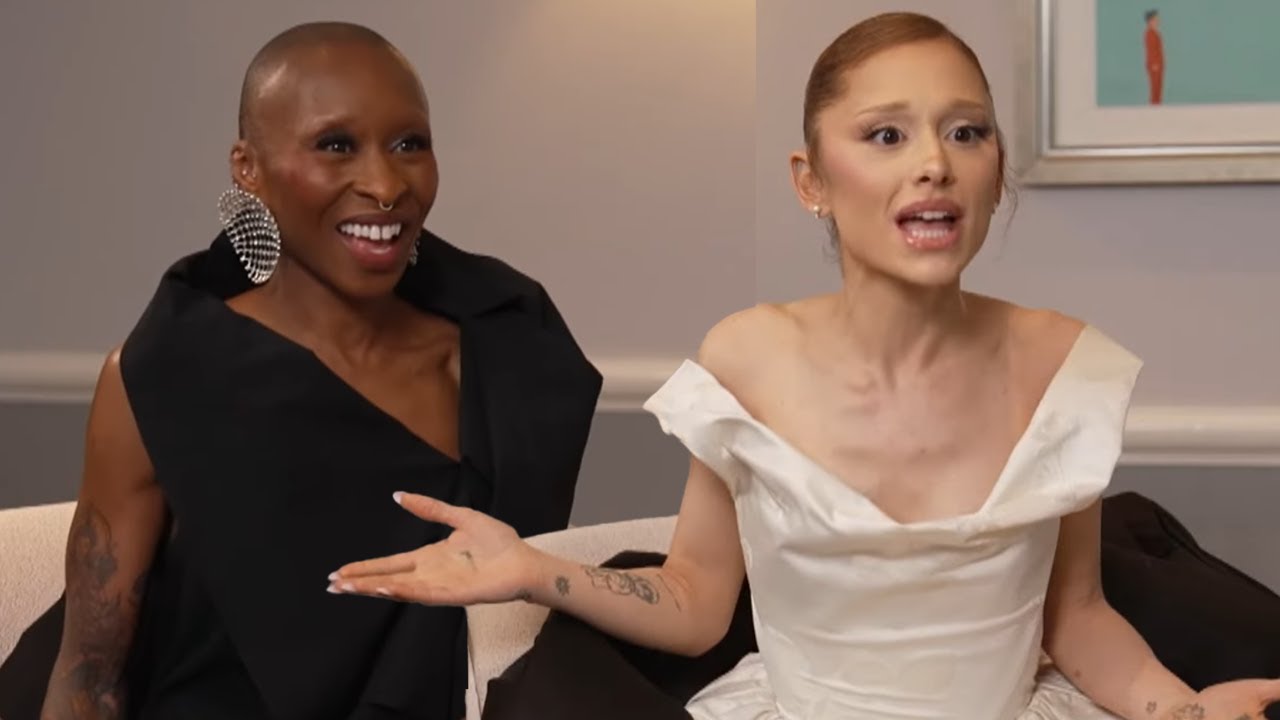
“It was a lot,” Erivo stated, reflecting on the heavy emotional lift of the sequence. “It was very painful, yeah. It’s funny because you know that you’re performing, of course you’re acting, but your body doesn’t quite know the difference, so that grief kind of comes home with you.”
Grande echoed the sentiment, describing the days around the filming as a “very cloudy” and “foggy” period, even admitting to feeling “out of body.” This powerful shared experience speaks volumes about the level of emotional immersion and vulnerability Grande and Erivo committed to, suggesting that the film’s climax will deliver a heartbreaking authenticity that transcends mere performance.
A Surprise Weather Cover Day and the Honesty of Grief
What makes the performance all the more remarkable is the unexpected manner in which it was captured. Erivo revealed that the filming of “For Good” wasn’t a carefully scheduled and highly anticipated day, but a last-minute decision. “We actually shot ‘For Good’ on a weather cover day,” Erivo explained. When outdoor filming in Munchkin Land was rained out, the production team made a spontaneous pivot, thrusting the stars into one of the most emotionally grueling scenes of the entire story.
Being “thrown into it” without the anticipation allowed for a raw, immediate emotional purity. However, this spontaneity did little to simplify the challenge of execution. The actresses were forced to show up emotionally in the same devastating place again and again, across multiple long days.
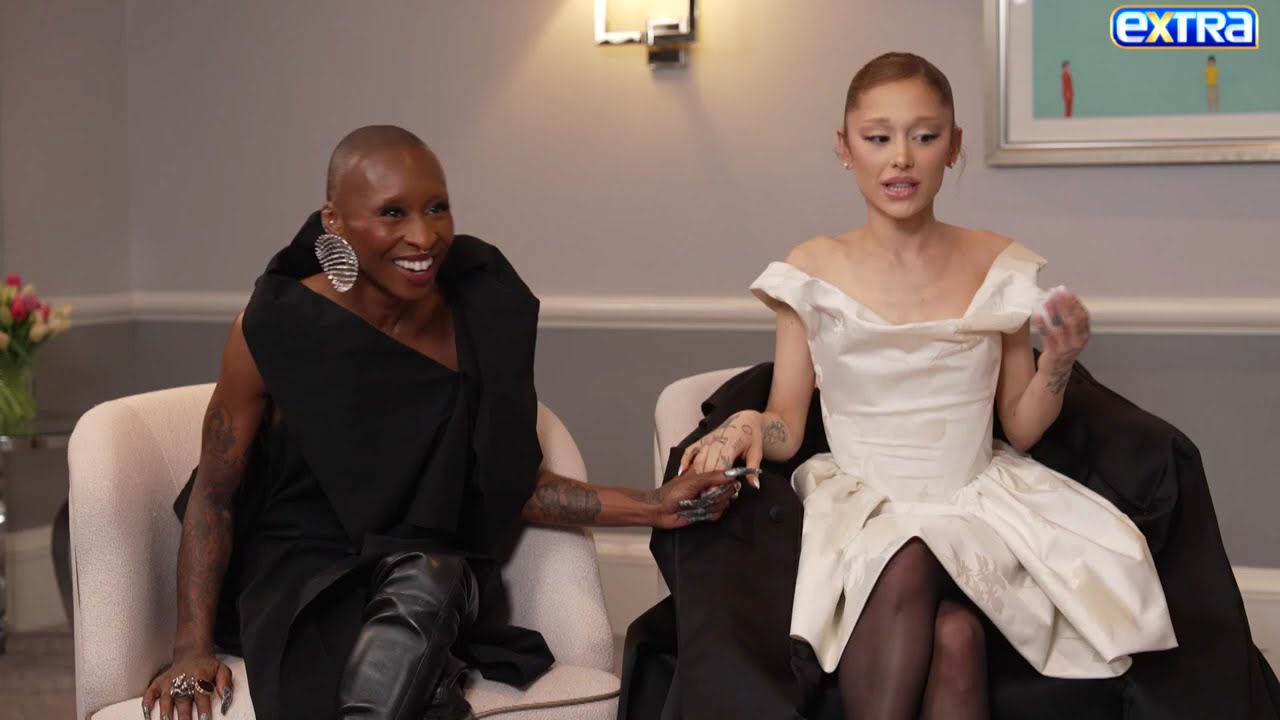
Complicating the feat further, the critical moment of the narrative was filmed non-sequentially over a period of weeks. Erivo noted that different chunks of the song and the crucial scene that follows happened days and weeks apart. Maintaining that sustained state of agony and farewell across such a disjointed schedule is a testament to the actors’ dedication, but the physical and mental toll was undeniable.
Ultimately, Erivo praised director Jon M. Chu’s commitment to truth, noting that even though he shot many different versions and coverage, he ultimately “went with the simplest and quietest and most honest version,” a decision that speaks to his trust in the performers and his vision for the story’s emotional resonance.
Elphaba’s Isolation: The Loneliness That Seeps In
While the finale duet was a shared trauma bond, Cynthia Erivo also opened up about the profound emotional journey she undertook to portray Elphaba’s isolation in the sequel. As the story progresses, Elphaba—having risked it all and left the Wizard—finds herself on a path of radicalization and solitude.
Erivo detailed the unique challenge of filming scenes where Elphaba is alone, often speaking to no one or to animals who would be added in post-production. “The loneliness actually does seep in,” Erivo confessed. “You feel it really in the room because you’re doing a lot of things solo by yourself.” This physical reality of speaking “into the space, into the silence” proved to be an unexpected but helpful informant for Elphaba’s arc.
This deep solitude reflects a central tragedy of the character: her difficulty accepting and understanding love. Erivo noted that Elphaba is a person who truly doesn’t know what it is to be loved, and when she is confronted with it—both through Glinda and Fiyero—it is “scary for her.” This fear is amplified because she ultimately has to lose it all, forcing her to work through a tough, yet ultimately gratifying, emotional reality.
Erivo credited director Jon M. Chu for creating a space of psychological safety, allowing her to “dig in” and let the intense emotions—whether it be “the rage or the loss or the hurt”—fly without fear of judgment. Chu’s direction provided the space for her to explore both a “loud rage or a quiet hurt,” making the depiction of Elphaba’s radicalization as complex and multi-layered as the original stage performance.
Glinda’s Search for Context and Humanity
Ariana Grande’s portrayal of Glinda is equally complex, as the sequel delves deeper into the character’s humanity and the reasons behind her later choices. Grande expressed a feeling of privilege in being able to “dig deeper in this movie than maybe we’ve been able to on stage or see before for Glinda.”
For Grande, it was crucial that the character “deserves the context and the ability to kind of be humanized in that way.” She believes that at Glinda’s core, she is “a good person who got lost along the way through things that were projected onto her by her parents.” This insight into Glinda’s backstory and parental trauma provides a powerful, relatable context for the audience, establishing a “similar trauma bond that her and Elphaba have that they recognize in each other right away.”
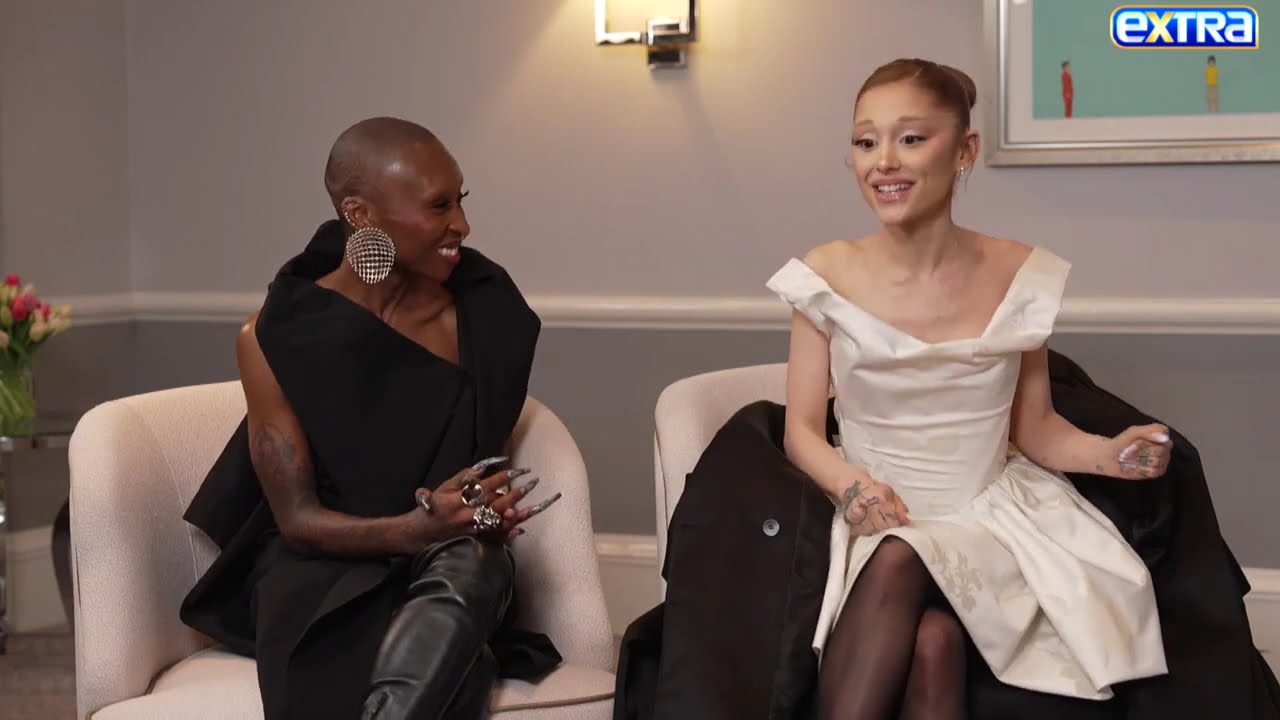
As Glinda’s “facade is falling down,” especially in the second movie, Grande was given the opportunity to open up vocally and emotionally, using different “vocal placements” to track the character’s internal transformation and emotional arc. The moments Glinda shares with Elphaba are particularly important in this journey, as Grande observed that “when she’s with Elfie, the pep comes right back,” a subtle but significant detail that highlights their codependent friendship.
The work was described as “a lot of hard, challenging emotional work,” but Grande found it incredibly “gratifying” to explore this depth, particularly with Erivo as her “most incredibly glorious scene partner in the entire world.”
Bouncing Between Extremes: The Physical and Vocal Toll
The challenge for both actresses extended beyond mere emotional depth into the practicalities of filming a sprawling musical. They were constantly “tandeming between emotions,” having to transition jarringly from the exuberance of “dancing at Shiz” to moments of “death” and profound tragedy.
Maintaining this level of emotional continuity while juggling the elaborate practical elements of the film was a significant professional assignment. The sheer size of Glinda’s costumes and the demands of Elphaba’s green makeup added another layer of complexity.
Grande laughingly recalled a moment that perfectly encapsulated the struggle between emotional realism and technical execution. During one particularly hard crying take, director Chu had to intervene. “The work is beautiful, I have to pause because it looks like… it’s a different movie,” he joked, as Grande’s tears had caused her makeup to run so severely that she had “black all over me,” suggesting the genuine emotional outpouring had sabotaged the look. Grande revealed that for the sequel, she had “no concealer on” for all of her crying scenes, only “Jelly Sandals lip gloss and no con, just mascara,” a stark contrast to Erivo, whose flawless green makeup and freckles were “unfazed” by the emotional torrents.
This insight into the chaotic and demanding nature of the filming process underscores the monumental effort made by the cast and crew to bring this sweeping story to life. The performances captured in Wicked are not just acting; they are the result of deep personal and professional sacrifice, proving that to truly tell a story of such enduring emotional weight, the performers had to be willing to feel the pain, the grief, and the boundless love of Elphaba and Glinda themselves. The world is waiting with bated breath to witness the powerful, deeply human result of their suffering.






