The 2025 Formula 1 season was, for a time, shaping up to be a quiet disaster for Max Verstappen. After his home Grand Prix at Zandvoort, the reigning four-time World Champion was staring up the points table at a staggering 104-point deficit to McLaren’s Oscar Piastri, a gap that seemed insurmountable. The narrative was set: Red Bull was struggling, the magic was gone, and Verstappen’s solo run of dominance was over.
Yet, in a monumental display of psychological resilience and raw talent, the Dutch driver has authored one of the most spectacular comebacks in Formula 1 history. The chasm has been reduced to a mere 36 points with only four race weekends remaining. More than the shrinking points gap, it is the fundamental shift in Verstappen’s mindset—culminating in a bombshell demand regarding his future teammate—that has truly reshaped the landscape of Red Bull Racing and the championship fight itself.
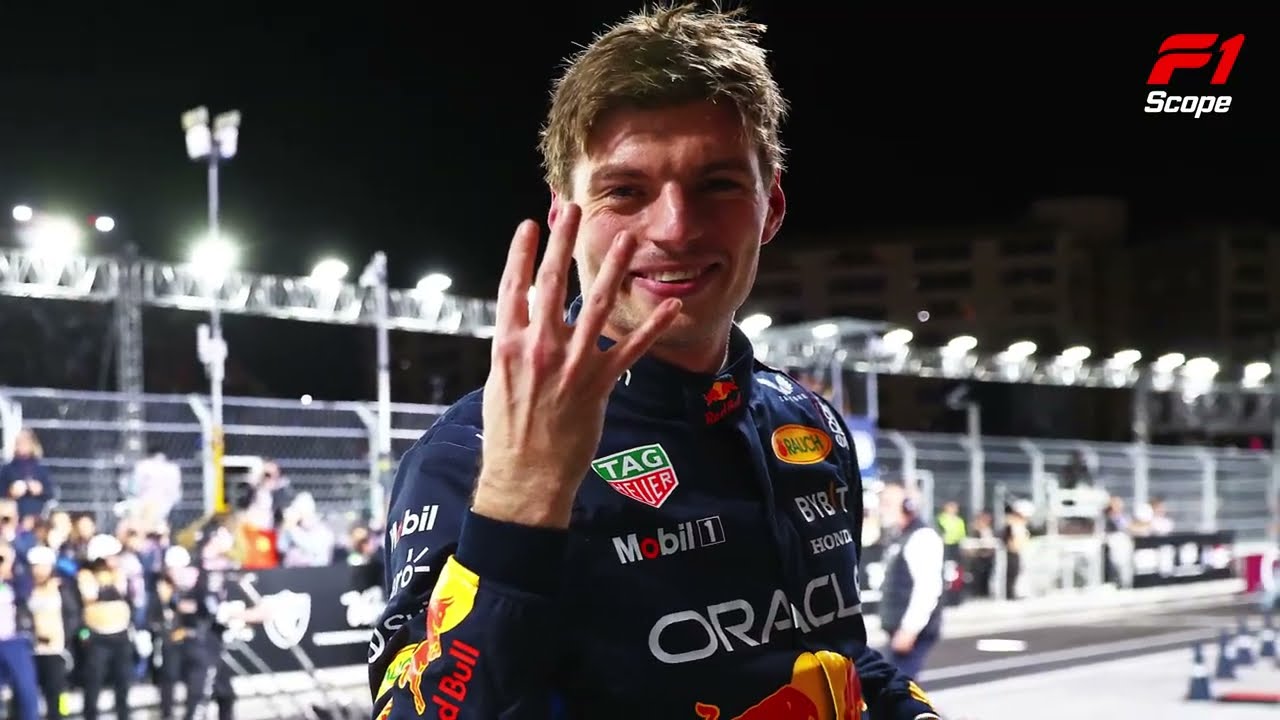
The Return of the Inevitable Champion
The turning point was undeniable: the United States Grand Prix in Austin. Before Texas, Verstappen maintained a cautious, week-by-week demeanor. But after a dominant weekend, sweeping both the Sprint and the Grand Prix, his tone shifted dramatically from measured optimism to outright championship ambition.
When questioned on his title aspirations following the double victory, Verstappen’s confidence was palpable: “Yeah for sure the chance is there,” he stated. “We just need to try and deliver these weekends until the end. We will try whatever we can, it’s exciting and I’m very excited until the end.”
This newfound swagger solidified after the following race in Mexico, where he finished third behind Charles Leclerc and winner Lando Norris. F1 writer Matt Majendi relayed a revealing conversation with Verstappen, noting the champion’s stunning self-belief. When asked what single factor could possibly prevent him from winning the title, Verstappen’s answer was telling in its brevity and arrogance: “Bad luck.” Majendi noted that the champion didn’t even bother to mention his rivals—Piastri, Norris, or Leclerc—a mindset that “summed up the driver in a nutshell.”
This is the self-assurance of a driver who no longer views himself as a challenger overcoming odds, but as the inevitable, rightful champion. It is this radiating self-belief that has allowed him to mount his incredible surge, but it also highlights Red Bull’s most glaring vulnerability.
The Achilles Heel: The Solo Fight
The 2025 campaign is starkly different from Red Bull’s utterly dominant 2023 season. That year, Sergio Perez was a consistent threat, winning races and regularly securing podiums, effectively taking crucial points away from rival teams and drivers. This year, Verstappen has been fighting an isolated battle. The field has converged, with the two McLarens, the two Ferraris, and George Russell’s Mercedes all taking turns challenging for the top steps.
In contrast, the second Red Bull car, driven by Yuki Tsunoda (promoted 18 races ago), has scored a meager 25 points. This profound lack of support from the sister car has gifted Verstappen’s championship rivals a massive, unearned advantage in the constructors’ and, by proxy, the drivers’ title fight. Red Bull is an army with a devastatingly effective spearhead, but no flanks to hold the line.
This dynamic is the catalyst for the sensational revelation that has captured the F1 world’s attention.
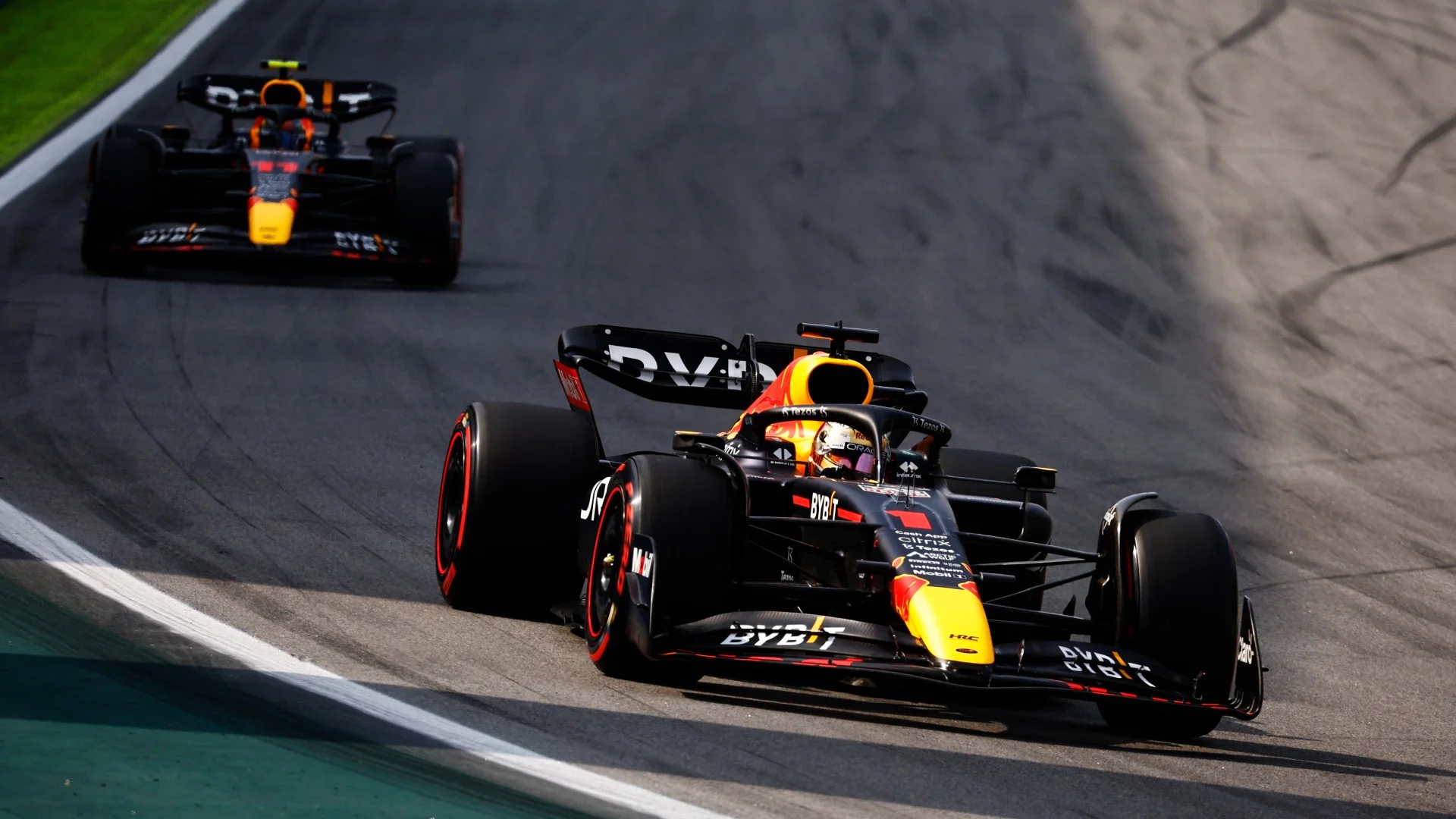
The Bombshell: Max Wants a Strong Teammate
For years, the Max Verstappen narrative revolved around his intense, internal rivalry with Daniel Ricciardo that ultimately led to the Australian’s departure in 2018. In the seven years since, Verstappen has been paired with teammates—Pierre Gasly, Alexander Albon, Sergio Perez, and now Yuki Tsunoda—who have either struggled to meet the senior team’s expectations or, in Perez’s case, suffered a significant performance decline.
The bombshell revelation centres on a fundamental shift in Verstappen’s personal perspective. Despite remaining fully focused on his own driving and the championship battle, the four-time champion would now “welcome someone alongside him who can be in the mix up front and take points from his championship rivals going forward.”
This is a revolutionary change in mindset. The young, hyper-competitive driver of 2018, who viewed a strong teammate as an internal threat, has evolved into a mature, strategic leader who recognises that a genuinely competitive partner actually strengthens his own championship prospects. By having a driver capable of consistently denying points to the McLaren, Ferrari, and Mercedes contenders, Verstappen’s path to the title becomes inherently more secure and statistically easier.
This growth demonstrates Verstappen’s maturity from a supremely talented individual competitor into a team leader who now truly understands the bigger picture—the team’s collective need to maximize constructor points while simultaneously suffocating the opposition. The message to Red Bull is clear: his solo brilliance is not enough; the team structure must adapt to the new competitive reality.
Red Bull’s Championship-First Philosophy
In response to this pressure, the Milton Keynes-based team has made a strategic decision that showcases their absolute, unwavering faith in Verstappen’s ability to deliver. Unlike their rivals, who are typically diverting resources to the preparation of the 2026 car (due to major regulation changes), Red Bull has continued to develop the RB-21 throughout the season, with more upgrades still in the pipeline.
This bold, and arguably reckless, move is a philosophy of pure aggression: prioritizing immediate championship success over future preparation. The team has adopted a high-stakes mindset, focusing on “dealing with the consequences on tomorrow” by investing whatever resources are necessary to push their star driver over the championship line today. It is a gamble, but one that demonstrates they believe the 2025 title is within their grasp—an investment entirely centred on Verstappen’s supreme ability to convert development into victory.
This championship urgency is also why Red Bull has delayed its much-anticipated driver lineup announcement, originally scheduled for after the Mexican Grand Prix. The team refuses to create any distractions during this critical period, preferring all media attention to remain squarely focused on the drivers’ championship climax rather than answering repeated questions about driver decisions, a decision that inadvertently amplified the growing speculation about the seat next to Max.
The Next Generation: Hadjar and Lindblad
The driver succession plan, now tightly linked to Max’s demand for a points-scoring partner, is already taking shape. It is widely believed that Yuki Tsunoda’s five-year Formula 1 tenure will be coming to an end, primarily due to Honda’s partnership shift to Aston Martin. The Red Bull driver program is set for a complete restructuring, focusing on new talent who can grow alongside Verstappen.
The emerging consensus suggests that Isac Hadjar is expected to be promoted alongside Verstappen at the senior Red Bull team, while promising youngster Arvid Lindblad should receive the call to join Liam Lawson at the Racing Bulls junior team. This approach signals Red Bull’s commitment to developing young talent who will be loyal and malleable, avoiding the political complications that can arise from signing established veterans—a choice that perfectly complements Verstappen’s new, mature leadership role. Hadjar, in particular, would enter the team at a crucial moment, poised to help navigate the monumental 2026 regulation changes that will fundamentally alter car design.
The Gauntlet: Four Races, One Shot
The remaining four races present a distinctly different set of challenges for Verstappen’s championship pursuit, demanding both flawless consistency and a dose of that self-proclaimed “bad luck” to befall his rivals.
Brazil: The Best Chance The Brazilian Grand Prix in São Paulo represents perhaps Verstappen’s best opportunity to close the points gap significantly. Last year, he charged through the field from 17th position in wet conditions to claim victory, finishing almost 20 seconds ahead of his nearest rival. This weekend’s forecast predicts chaotic rain conditions once again, and the sprint format adds additional, high-value point-scoring opportunities. With the debut outing of local hero Gabriel Bortalto ensuring an electric, championship-defining atmosphere, Interlagos is where Verstappen must strike hard.
Las Vegas: The Complex Challenge Las Vegas presents a more complex, and frankly terrifying, prospect for Red Bull. Their car has historically struggled with a combination of cold temperatures, street circuits, and uneven surfaces—all characteristics of the Nevada street circuit. Mercedes has performed well in Sin City on previous outings, making George Russell and Lewis Hamilton tough challengers for Verstappen. While Ralph Schumacher suggests the team has addressed some of their mechanical grip issues, pointing to the strong Singapore result, he cautions that Las Vegas will be a tough one, though he sees the Red Bull “at least on par if not stronger than the McLaren” on the other tracks.
Qatar: The Most Dangerous Weekend The high-speed, low-slail circuit of Qatar represents potentially Verstappen’s most dangerous weekend. This track is perfectly suited to McLaren’s car concept, which has previously demonstrated its superiority here. Last year, Lando Norris and Oscar Piastri claimed the top two positions in the Sprint. However, even on a circuit that theoretically favoured his rivals, Verstappen still managed to claim pole position and secure victory on Sunday, a testament to his sheer talent.
Abu Dhabi: The Decider Abu Dhabi has already sold out, with expectations of a championship decider at the day-to-night race growing rapidly. Former Formula 1 racer Ralph Schumacher emphasized the critical nature of Verstappen’s consistency moving forward, noting that the crucial factor will be “whether Verstappen maintains his flawless style or whether he makes a mistake, which has almost never happened so far.”
Verstappen’s championship hopes, therefore, depend not just on his own flawless style and strategic evolution, but on whether his rivals—the very drivers he now needs a competitive teammate to help deny points—can maintain their composure under the intense, title-fight pressure of the final stages.
Max Verstappen is no longer just chasing a title; he is redefining his own legacy and demanding a future-proof team structure to ensure his dominance. The comeback is real, and the stakes could not be higher.






