The air at Yas Marina is thick, not just with the desert humidity, but with an almost unbearable tension. The glow of the circuit’s lights illuminates a scene of high-stakes, season-finale drama where the championship battle has devolved into a raw psychological war. Four-time world champion Max Verstappen, the man who clawed back from a crippling 104-point deficit earlier in the season, now stands within striking distance of a historic fifth consecutive title, currently just 12 points behind McLaren’s Lando Norris.
But this is not a traditional race of speed and aerodynamics; it is a brutal game of minds, strategy, and integrity. The central drama revolves around a question that has been whispered nervously in the paddock for weeks: Will McLaren deploy team orders, forcing their formidable second driver, Oscar Piastri, to sacrifice his position, podium, or even his self-respect to hand Norris his first-ever world championship?
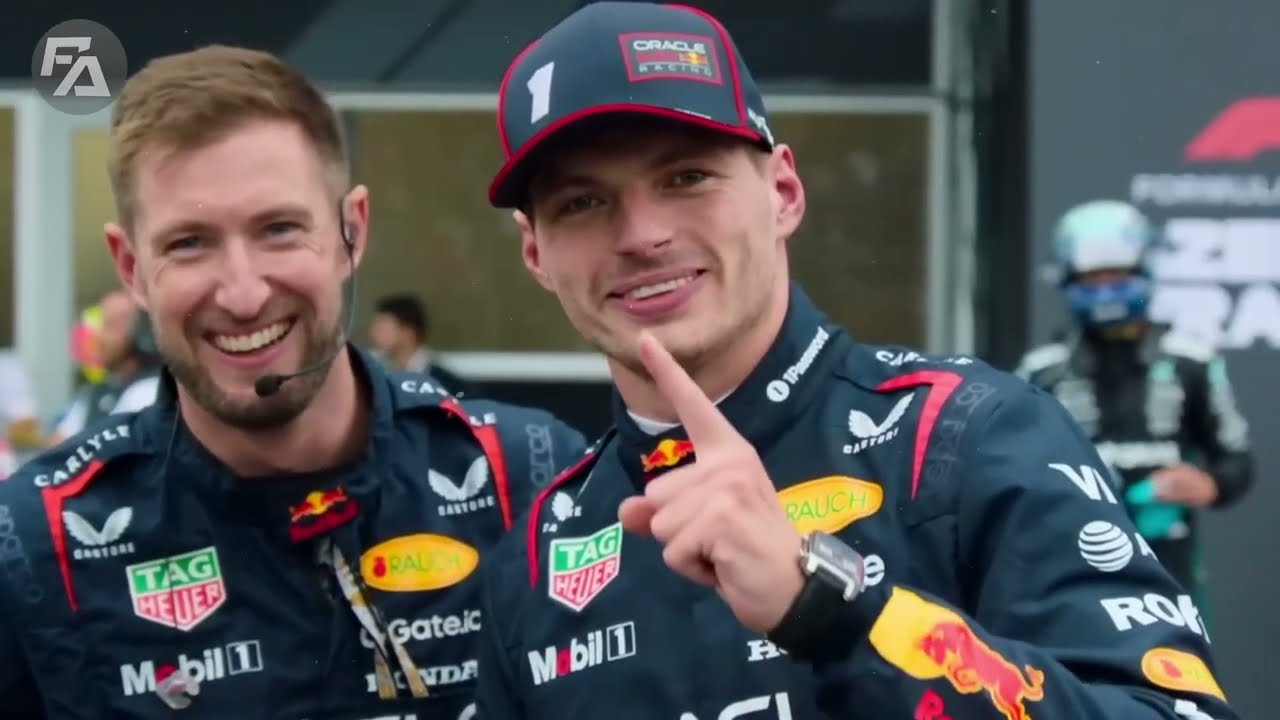
Verstappen’s response to this hypothetical, yet widely anticipated, scenario was not a whine, a complaint, or a desperate plea for fair play. It was a statement so cold, so surgically precise, that it froze the entire paddock. When asked about the possibility of team orders, the Red Bull champion shrugged off the moral implications with chilling finality: “When you’re sitting at home 20 years from now you’ll still have that trophy on the cupboard, that’s all that matters.”
The Psychology of a Champion’s Dare
Let that line settle. It is not a concession; it is a calculated psychological weapon. Verstappen, the seasoned closer who understands the brutal mechanisms of F1 history, is essentially daring McLaren to be ruthless. He is stripping away the romantic notion of a ‘clean’ victory, forcing the McLaren leadership and, most agonizingly, the 24-year-old Oscar Piastri, to confront the ugly, win-at-all-costs truth of elite-level sport.
Verstappen knows that in the annals of F1, the method of victory is often forgotten; only the victor’s name is permanently etched into the trophy. By making this cynical but irrefutable point, he has accomplished two things: first, he has removed any moral high ground McLaren might claim, should they issue the order. Second, and far more potently, he has placed an unimaginable weight directly onto the shoulders of Lando Norris and Oscar Piastri.
For Norris, a victory secured by Piastri’s sacrifice will forever carry an asterisk, even if history books choose to ignore it. The moral debt would be inescapable. For Piastri, who has been dangerously fast all season and is himself only four points behind Verstappen, the choice is an existential crisis. If he finds himself running ahead of Norris—say, P2 to Norris’s P4—what voice will he listen to? The one that whispers, “You earned this,” or the one ringing in his ear from the pit wall, demanding he let Lando through?
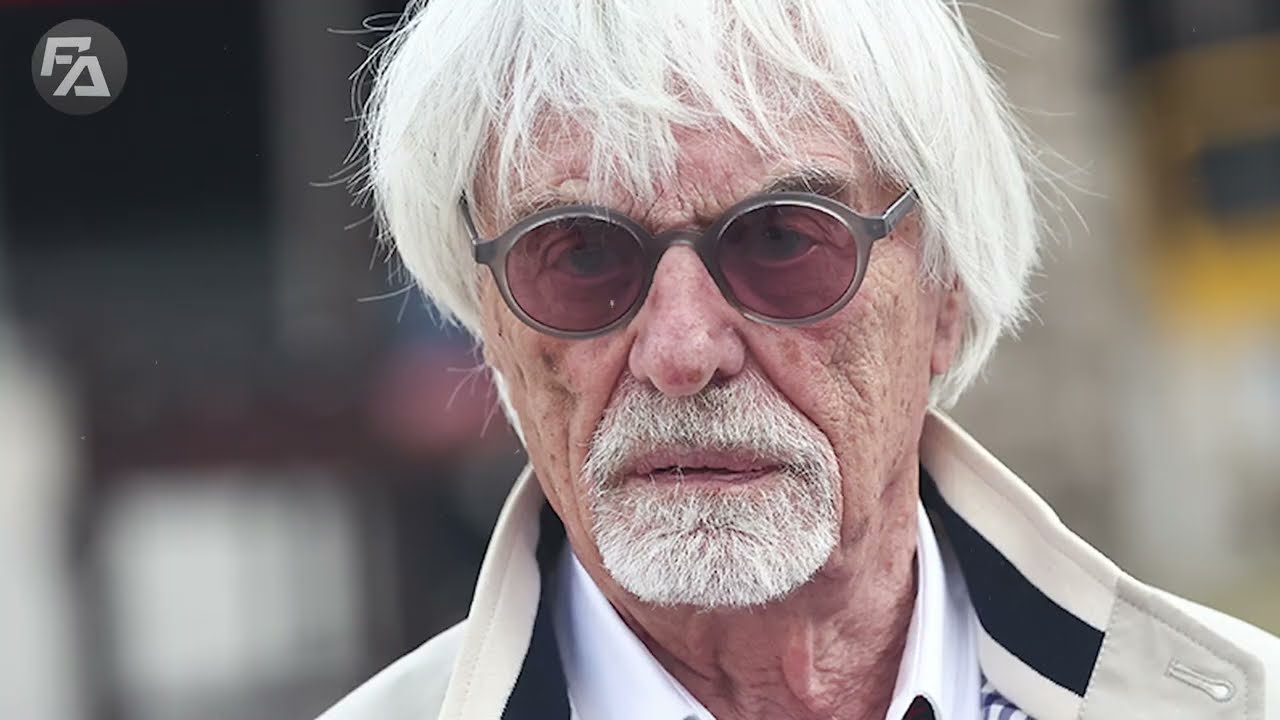
Bernie Ecclestone: The Godfather Chooses a Side
The pressure cooker intensified significantly this week when Formula 1’s 95-year-old godfather, Bernie Ecclestone, weighed in with a devastatingly blunt prediction that favored the Dutchman. Ecclestone, whose influence and eye for championship mettle are legendary, was unequivocal: “Max Verstappen will win the title.”
Ecclestone’s commentary was not just a prediction of skill; it was a character assassination of the challenger. He called Norris “overconfident, too cocky,” a driver who, in his view, is “believing his own publicity and under pressure, Bernie thinks Lando cracks.” In contrast, he declared, “Max is the best I’ve ever known… he stands alone.”
To be praised by the sport’s ultimate authority as standing alone, even surpassing previous greats like Alain Prost in his estimation, confirms the narrative that Verstappen is battling not just another driver, but an entire team and the overwhelming pressure of a season-defining moment.
Ecclestone’s insights did not stop at the drivers; they delved into the deep, unspoken fissures within the McLaren camp. The former F1 boss suggested McLaren has already “picked a side,” openly stating that the team has been “very helpful to Lando over Oscar.” This reference points back to moments like the controversial pit stop swap at Monza—moves the team framed as strategy, but which many critics, including Ecclestone, viewed as blatant favoritism. This history means that if a team order is issued in Abu Dhabi, it will not be viewed as a necessary evil, but as the final, public confirmation of a preference that has been guiding their strategy all year.
The Piastri Wild Card: Loyalty or Integrity?
The most captivating and unpredictable element of this finale is Oscar Piastri. He has proven to be a sensational driver, fast, dangerous, and often capable of outpacing Norris. But his season has been one of “patience, compromise, playing second fiddle publicly or not,” all while dealing with pit wall strategies that, as the article points out, “haven’t always served both drivers equally.”
The Australian driver is trapped in a moral vice. His team is demanding loyalty to the brand and the championship legacy; his own ambition and integrity demand that he races for himself and for the points he is due. McLaren insists the conversation about team orders “hasn’t even been discussed,” but in the deafening silence leading up to the race, everyone knows what is truly at stake.
If Piastri refuses the call, if he holds position, or if he decides his own podium matters more than securing Norris’s title, he becomes a revolutionary figure in the sport—a driver who prioritized his personal conviction over the corporate mandate. Conversely, if he complies, he risks undermining his own momentum and future standing within the team, accepting the role of the perpetual wingman.
Alone Against the Horde
Verstappen, on the other hand, is walking into Yas Marina with the quiet confidence of a man who has already made peace with every possible outcome. He has spent most of the year isolated, admitting his teammate, Yuki Tsunoda, “hasn’t been in the title picture.” The Red Bull team has been “outnumbered, outgunned and at times outmaneuvered” by the two orange cars. Yet, Verstappen has single-handedly “dragged the car, the team and this title fight back into the fire.”
He acknowledges the objective reality: “they have had the best car… and I think this will be a good circuit for them as well.” His admission of McLaren’s superior package only strengthens his psychological position. He is not just racing Norris; he is racing McLaren’s full strategic might, Piastri’s loyalty, and the invisible wires running behind the pit wall.
The beauty of Verstappen’s psychological play lies in his acceptance. His mantra—that only the trophy matters—is a direct attack on the integrity of the opposing team. He is essentially telling McLaren: You have the advantage, you have the two-car strategy, but if you have to resort to a morally compromising decision to win, then go ahead. History will remember the asterisk.

The Ultimate Reckoning
The math is simple: if Lando Norris finishes third place or better on Sunday, he is the world champion, full stop. But championships are never won on calculators; they are won in the collision of instinct, ego, and survival.
As the final 58 laps of the season commence, the noise of the engines will be secondary to the internal conflict within the McLaren garage. Will McLaren prioritize the legacy of finally securing Norris his first title, even if it requires the painful sacrifice of Piastri’s momentum? Or will the pressure cause the cracks that Ecclestone predicted?
Verstappen is not asking for mercy; he is asking for the boldest call to be made. He has turned the table, shifting the pressure onto the chasers. When the champagne dries and the lights fade, the title will belong to the driver whose team or whose own resolve was the strongest. And no matter whose name is engraved on that trophy, Max Verstappen’s ice-cold dare—”you’ll still have that trophy on the cupboard”—will forever define the brutal, unforgettable finish to the Formula 1 season.






