As the checkered flag waves on the 2025 Formula 1 season, the sport closes the book on one of its most ambitious and controversial chapters: the second “ground effect” era. Launched with immense fanfare in 2022, these regulations were sold on a singular, tantalizing promise—to revolutionize wheel-to-wheel racing. The vision was a grid where cars could follow each other closely, unhindered by the turbulent “dirty air” that had plagued the sport for decades, leading to an endless spectacle of overtaking.
Now, four years and 92 Grand Prix races later, the dust has settled. With the looming 2026 regulations fast approaching, it is time to ask the hard questions. Did the rules deliver on their objectives? Or will the 2022-2025 cycle be remembered for its unintended consequences and technical dead ends? The answer, as analyzed by leading experts, is a complex tapestry of engineering brilliance, unforeseen hurdles, and a hidden financial revolution that may well be the era’s true legacy.
The Racing Reality: A Promise Half-Kept
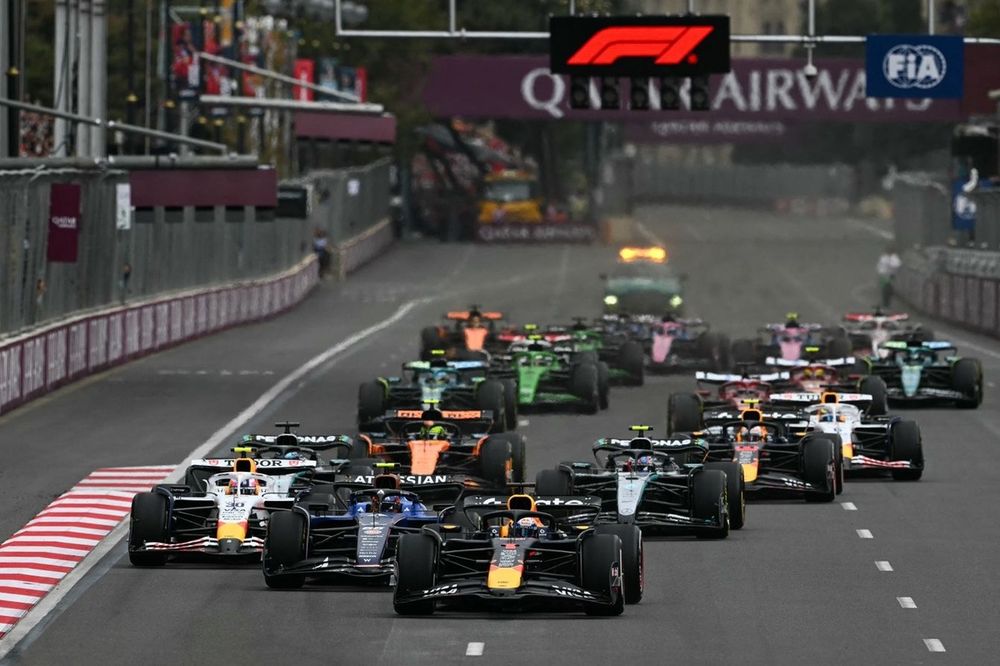
The primary objective of the 2022 regulations was undeniably “raceability.” By restricting car geometries and reintroducing ground effect floors (venturi tunnels), the FIA aimed to throw the turbulent wake of the cars upwards, allowing following drivers to stay close without losing grip.
Initially, the signs were positive. The early races of 2022 saw a measurable increase in overtaking compared to the previous generation. Drivers reported an ability to follow through corners that had previously been impossible. However, in Formula 1, standing still is moving backward. As the smartest minds in engineering began to claw back performance, they inevitably disrupted the clean airflow the rules tried to protect. By the end of 2025, the “dirty air” problem had crept back. While not as severe as in 2021, the difficulty of following returned, proving that the laws of physics are the one competitor the FIA cannot fully regulate.
The era became defined not by the quantity of overtakes, but by the difficulty of executing them against increasingly sophisticated aerodynamic defense mechanisms. It was a case of “two steps forward, one step back,” leaving fans with a product that was better, but perhaps not the revolution they were promised.
The Unintended Nightmare: Porpoising and Ride Heights
If there is one visual that defines the early days of this era, it is the violent bouncing of the cars on the straights—a phenomenon known as “porpoising.” It was the first major unintended consequence of the new rules. Teams like Mercedes, who had dominated the previous era, found themselves blindsided. Their simulations failed to predict the oscillating stall of the underfloor aerodynamics, leading to cars that physically punished their drivers.
While the safety concerns regarding porpoising were eventually regulated away, they birthed a new, invisible battleground: ride height control. The secret to speed became running the car as low and stiff as possible without hitting the ground. This turned the sport into a battle of millimeters, fought in areas of the car—the underfloor—that fans could never see. The engineering ingenuity was massive, but it was hidden away, leaving the visible spectacle somewhat lacking compared to the visible aero wars of the past.
The True Revolution: The Power of the Purse
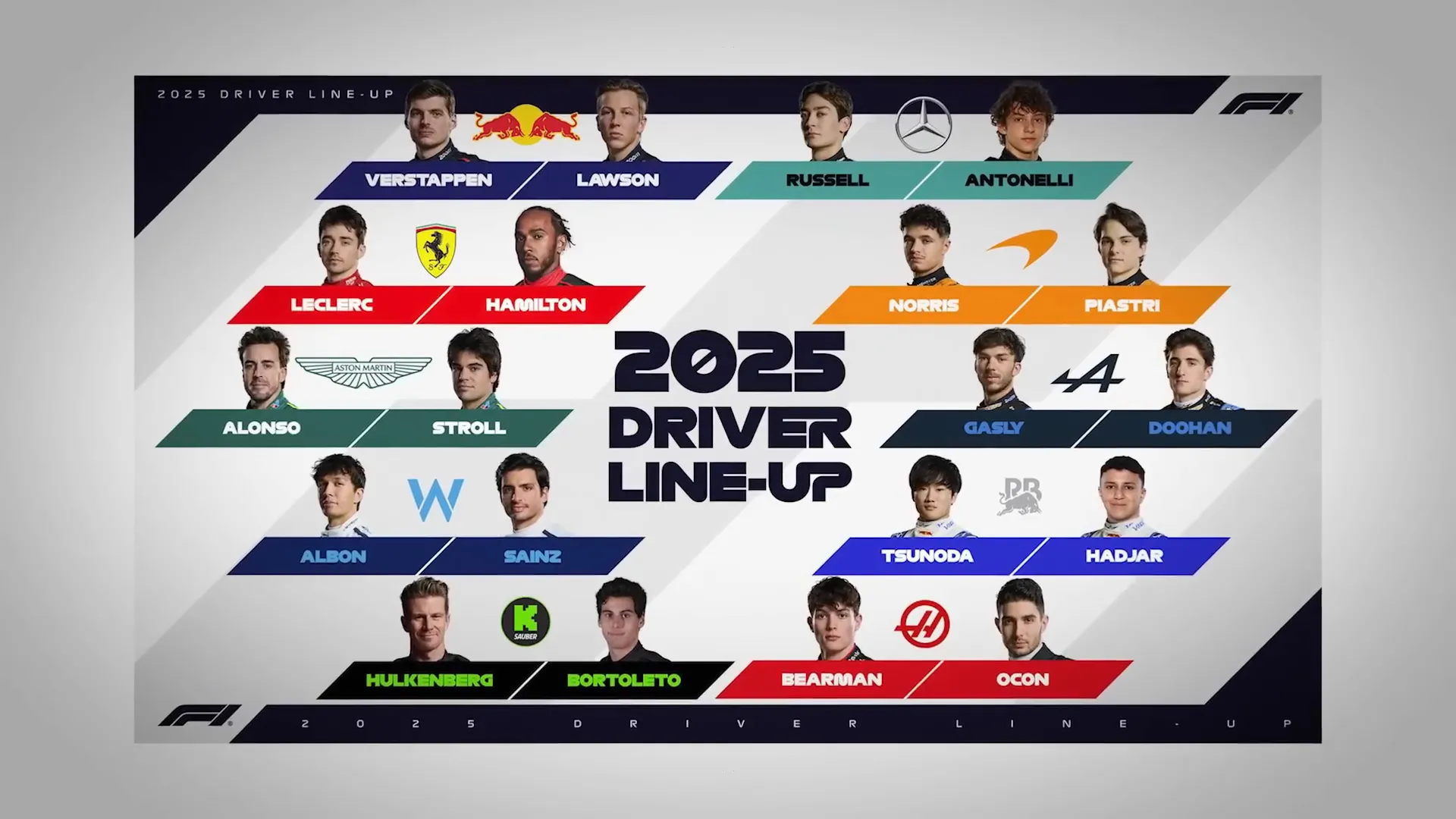
While the technical verdict is mixed, the era arguably achieved a far greater success in an area few fans focus on: the business model. The introduction of the Cost Cap, alongside the technical changes, has fundamentally saved the sport from its own excesses.
Before this era, F1 was a spending war. Manufacturer teams could pour hundreds of millions into development, leaving independent teams like Williams and Sauber fighting for survival. The 2022-2025 period changed the game. By capping spending, the sport stabilized. The valuation of teams has skyrocketed, turning what were once money pits into profitable franchises worth billions.
The “survival of the fittest” mentality was replaced by a structure where every team could theoretically compete. The grid tightened significantly. In 2021, the gap between the fastest and slowest cars in qualifying was often around 2.5%. By 2025, that spread had shrunk to just 1.1%. The days of backmarkers being five seconds off the pace are gone, replaced by a hyper-competitive field where a single mistake in Q1 can see a star driver eliminated.
The McLaren Miracle: Proof of Concept
If the Cost Cap needed a poster child, it is undoubtedly McLaren. Their journey through this regulation cycle is nothing short of miraculous and serves as the ultimate vindication of the era’s goals.
Starting the cycle on the back foot, McLaren looked destined for the midfield. Yet, through smart restructuring, investment in simulation tools, and astute management, they clawed their way back. They didn’t just improve; they conquered. Ending the era as Constructors’ Champions in 2024 and securing both titles in 2025, McLaren proved that a team could rise from mediocrity to dominance without simply outspending the competition. It was a victory for meritocracy, showing that under these rules, brainpower could beat budget.
A Legacy of Stability
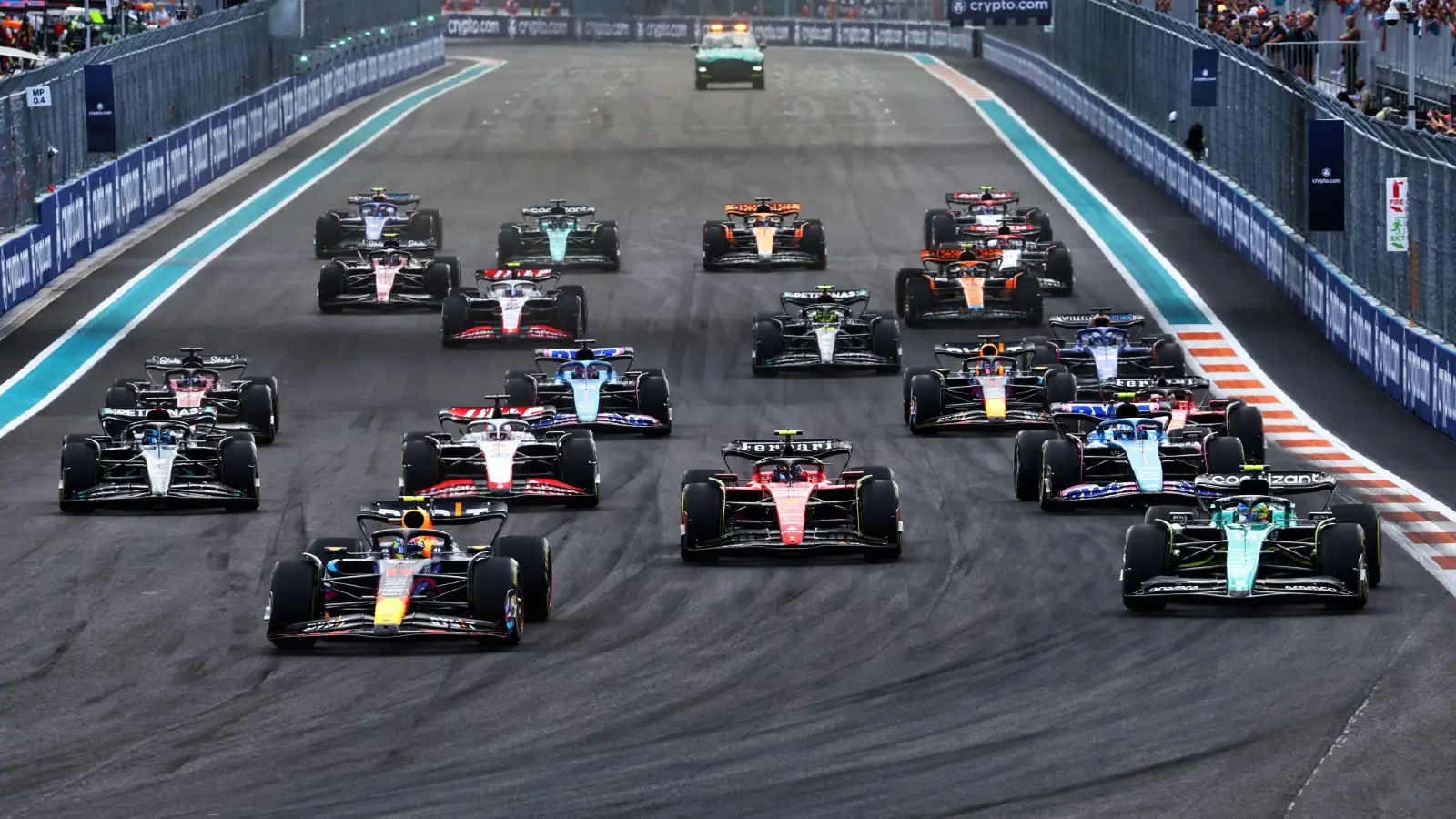
As the sport pivots toward the 2026 regulations, the legacy of the ground effect era remains complicated. Technically, it might be viewed as a “cul-de-sac”—a specific engineering path that created as many problems as it solved. The cars became heavy, stiff, and difficult to drive, with tires pushed to their absolute limits by the sheer weight and torque of the machines.
However, the holistic health of Formula 1 has never been better. The grid is stable, the teams are financially secure, and the competitive order is more fluid than it has been in decades. We saw the mighty Mercedes stumble, the steady rise of Ferrari (albeit with its own frustrations), and the dominance of Red Bull challenged and eventually toppled by a resurgent McLaren.
The 2022-2025 era taught the sport a valuable lesson: you cannot simply regulate excitement into existence. But by creating a fair financial playing field and tightening the technical box, you can create an environment where giants can fall and underdogs can fly. That, perhaps more than the overtaking numbers, is the true success of the ground effect years. Formula 1 is no longer just a spending contest; it is a true sport again, and that is a foundation worth building on.
News

Inside Shane Richie’s love life: Drug – fuelled orgy with six blondes; real reason he split from Coleen Nolan; six-year ‘affair with fan’
Inside Shane Richie’s love life: Orgy with six blondes; real reason he split from Coleen Nolan; six-year ‘affair with fan’ He’s popular with the ladies… Shane Richie…

SH0CKING REVELATI0N:A sh0cking behind-the-scenes secret revealed about Lizzie Rizzini, the woman replacing Carol Kirkwood on the 6pm weather bulletin
BBC viewers still reeling from the departure of Carol Kirkwood got another surprise last night when presenter Lizzie Rizzini appeared to flash her black lace stockings on…

HEARTBREAKING: Peter Andre’s Tearful Message to Son Junior After SHOCKING Revelation About How He Truly Feels Toward Mum Katie Price — Katie Price’s reaction scares fans.
Peter Andre’s emotional message to son Junior after it’s revealed how he really feels about mum Katie Pri… PETER Andre has shared an emotional message to his…

Ben Shephard opens up about the devastating health battle his wife is facing: “She wakes up crying every single morning…”
Inside This Morning Ben Shephard’s Life Including Rarely Seen Wife and Health Battle Ben Shephard is a name synonymous with British television, renowned for his engaging presentation…
🚨 LIVE TV HEARTBREAK: Good Morning Britain Host Announces ‘Devastating’ Dɘath of Guest Minutes Into Show
Viewers of Good Morning Britain were met with heartbreaking news just minutes into Friday’s (January 30) episode, as co-hosts Kate Garraway and Ranvir Singh reported the tragic…

Emmerdale legend Cain Dingle will never be the same again after a shock cancer diagnosis turns his world upside down
FROure Desk. Full Terms and conditions are available on the website http://www.itv.com/presscentre/itvpictures/terms Emmerdale wouldn’t be Emmerdale without the glowering, grunting embodiment of manliness that is Cain Dingle (Jeff Hordley) But…
End of content
No more pages to load






