In the high-octane world of Formula 1, rivalries drive the narrative as much as the cars themselves. But rarely has a personal feud spilled over into the public domain with such raw, unfiltered honesty as the one between Mercedes Team Principal Toto Wolff and his longtime adversary, Christian Horner. In a recent exclusive interview with The Telegraph, Wolff unleashed what can only be described as a devastating autopsy of Horner’s character and his dramatic exit from Red Bull Racing in July 2025.
For years, the paddock whispered about the tension between the two titans of the sport. Now, Wolff has confirmed what many suspected, pointing to a specific, fatal flaw that he believes ultimately unraveled Horner’s 20-year legacy: a blinding sense of entitlement.
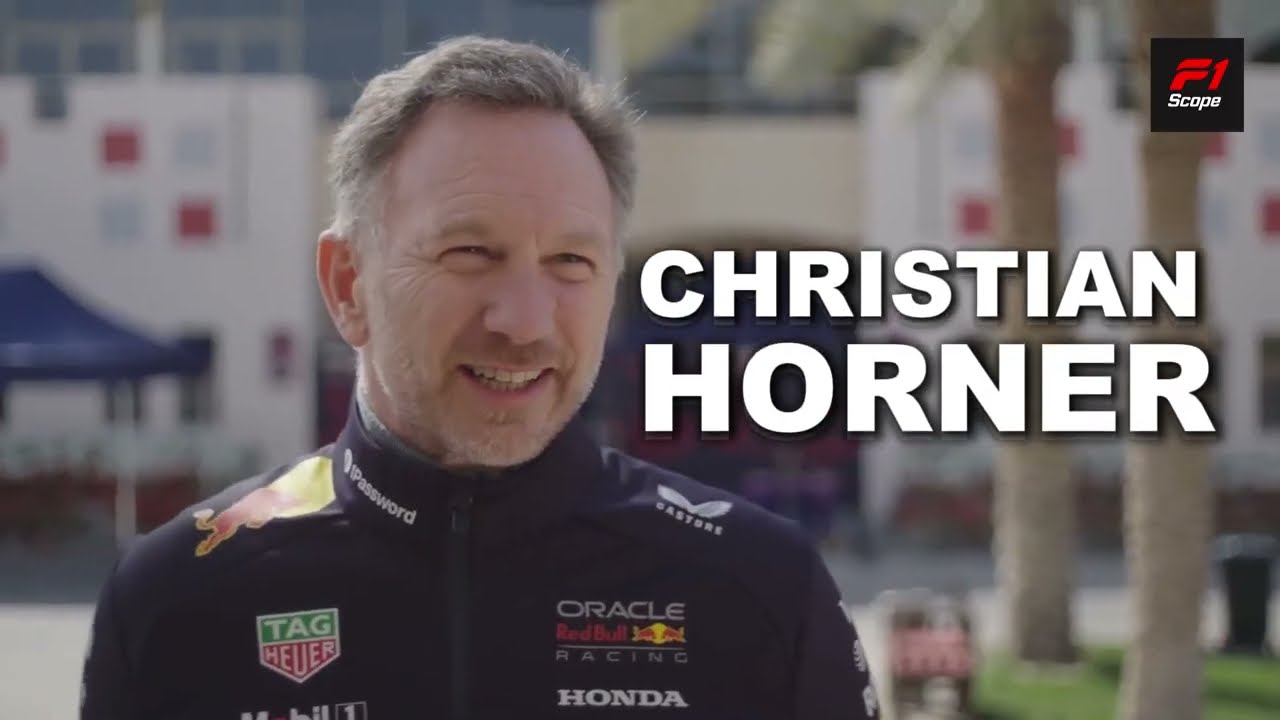
The “Total Gap” in Personality
Wolff’s assessment of his former rival was not merely professional; it was deeply personal. He identified a “total gap” in Horner’s personality—specifically, an inability to be introspective or to show compassion for an opponent. According to Wolff, this wasn’t just a minor quirk but a fundamental absence of the qualities required for leadership at the absolute highest level.
“I think that the ability to be introspective or be able to see the other side with some compassion is a total gap in his personality,” Wolff stated bluntly. This damning critique centers on Horner’s refusal to ever acknowledge the controversial nature of the 2021 Abu Dhabi Grand Prix, where a decision by race director Michael Masi handed the title to Max Verstappen over Lewis Hamilton in the final lap.
Wolff revealed that in all their years of battling, Horner never once admitted that the events of that day were wrong or unfair. “He was never able to admit it,” Wolff said. To the Mercedes boss, this lack of empathy wasn’t just bad sportsmanship; it was a symptom of a much deeper issue that would eventually cost Horner his job.
The Power Struggle That Ended an Era
The most shocking revelation from the interview was Wolff’s insight into why Horner was sacked by Red Bull earlier this year. While the team’s performance had dipped—languishing in fourth place in the Constructors’ Championship at the time of his dismissal—Wolff argues the root cause was political.
“It’s the sense of entitlement he has,” Wolff declared. “And that bit him in the end because he felt entitled to all the power and Red Bull didn’t want to give him that power.”
This paints a picture of a man who, buoyed by six Constructors’ titles and seven Drivers’ Championships, believed he was bigger than the organization. Reports suggest that Horner’s final years were plagued by an internal power struggle where he sought total control, a move that the company’s ownership ultimately rejected. It serves as a cautionary tale: even the most successful figures are not immune to the consequences of overreach.
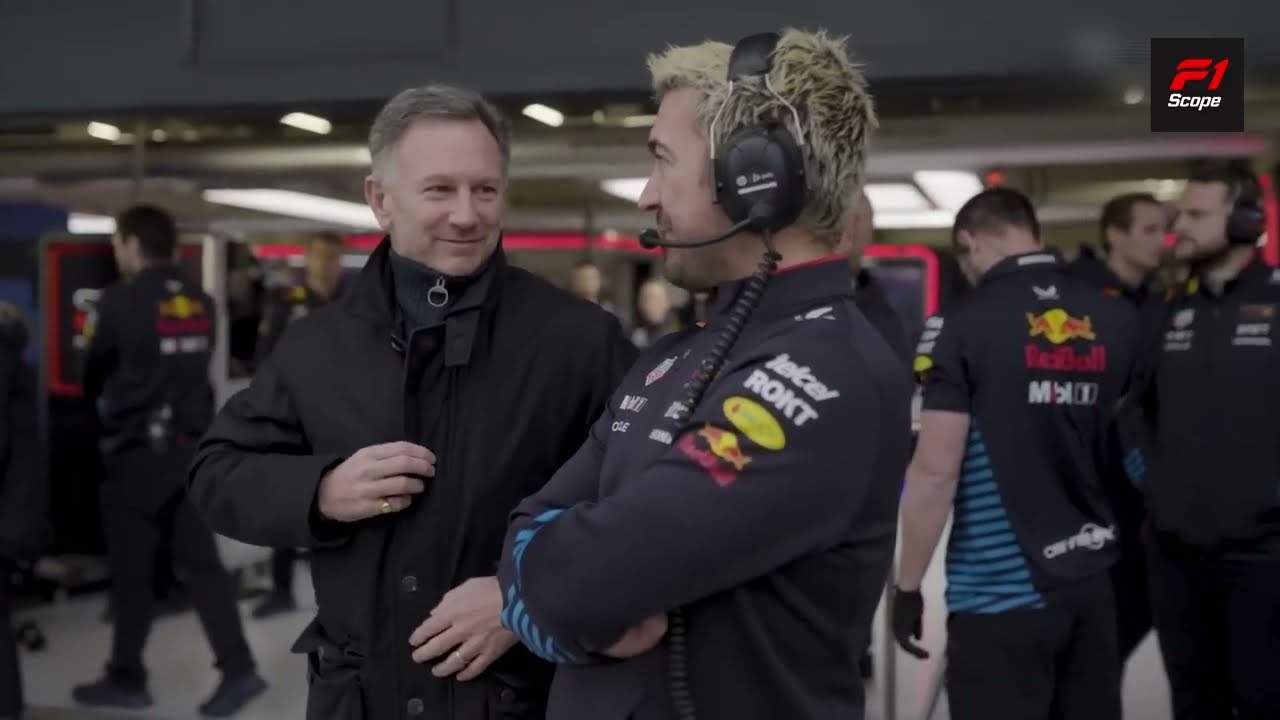
The Shadow of Abu Dhabi 2021
Four years on, the scars of the 2021 season finale remain fresh for Wolff. The interview made it clear that the animosity stems largely from Horner’s reaction—or lack thereof—to that historic controversy. Wolff offered a fascinating “what if” scenario that cuts to the core of his frustration.
He argued that if the roles had been reversed—if Red Bull had lost the title due to a rule misinterpretation by the race director—Horner’s reaction would have been “catastrophic.” Wolff envisions a scenario filled with “all kinds of insults” and aggressive posturing, contrasting this with the dignified silence and grace shown by Lewis Hamilton in defeat.
Interestingly, Wolff attempted to offer a nuanced view, admitting that from a season-long perspective, Red Bull deserved the 2021 title. “I try to look at it from the other side… the outcome of that race is a fair representation of the performance levels during the season,” he conceded. Yet, he immediately withdrew this olive branch when reflecting on Horner’s inability to reciprocate that understanding. It is this asymmetry—Wolff’s willingness to see Red Bull’s side versus Horner’s absolute refusal to see Mercedes’ side—that fuels the fire.
A Strange Nostalgia
Perhaps the most surprising twist in Wolff’s revelations is his admission of missing Horner. With Laurent Mekies now at the helm of Red Bull, relations between the two teams have become “harmonious.” The toxic barbs and public spats are gone, replaced by professional courtesy.
Yet, Wolff confessed to missing his “old enemy” on the grid. The rivalry, toxic as it was, provided a unique intensity and motivation. It elevated the stakes. “Competition loses something when a worthy opponent disappears,” the article notes, suggesting that Wolff thrived on the conflict. It’s a classic case of a hero needing a villain; without Horner to push against, the victory doesn’t taste quite the same.
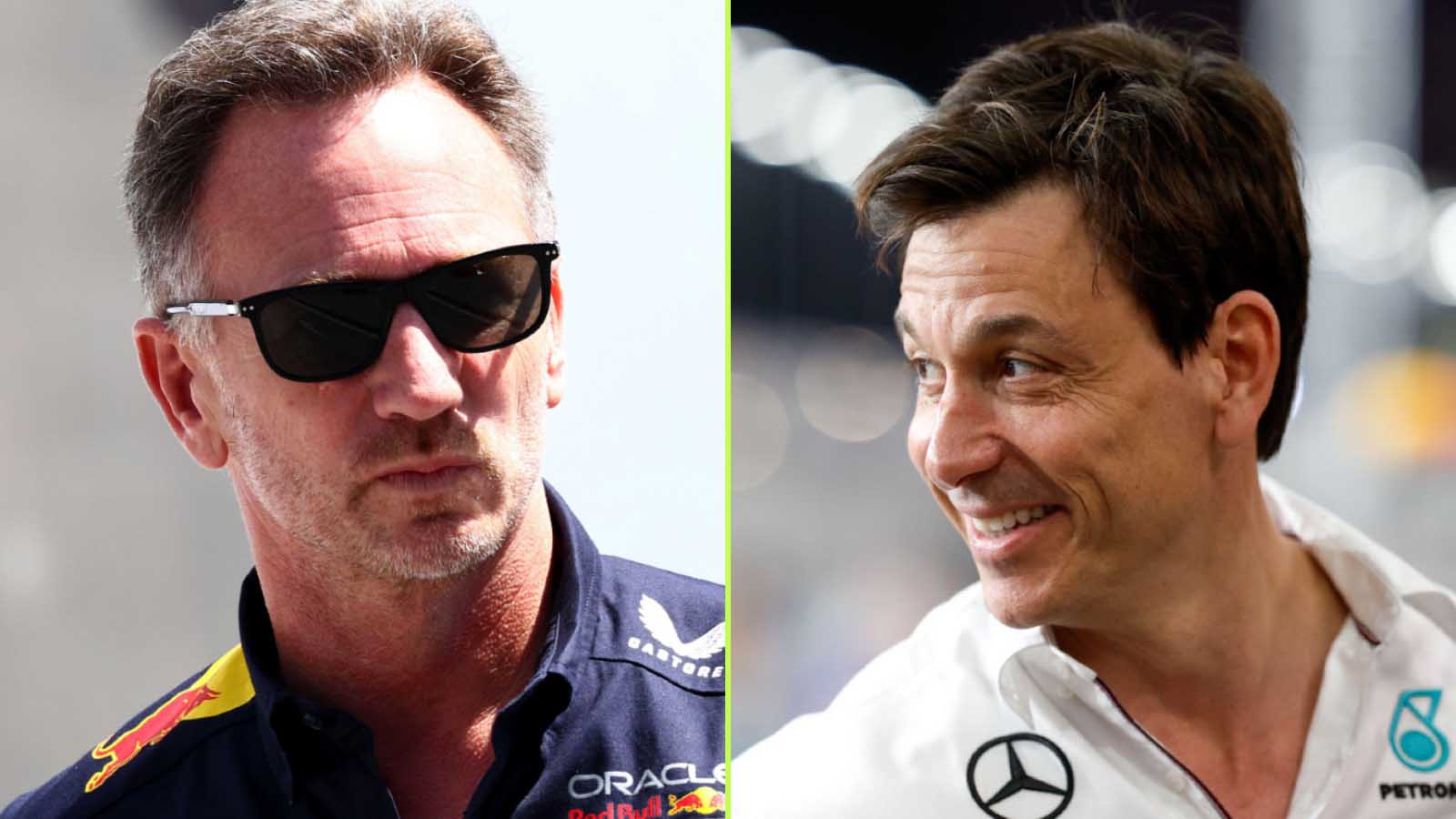
The Human Cost: Hamilton’s Decline
The interview also shed light on the lingering impact of 2021 on Lewis Hamilton. Since that fateful night in Abu Dhabi, the seven-time champion has won only two races in four years. Wolff’s continued defense of Hamilton’s legacy suggests that he views the driver’s decline not just as a sporting slump, but as a psychological consequence of a “stolen” title.
Wolff’s attacks on Horner can be seen as a proxy war—a way to continue fighting for his driver, whose record-breaking eighth title was snatched away. By attacking Horner’s character, Wolff is validating the injustice he feels his team suffered.
What’s Next for Horner?
Despite the brutal firing and the character assassination, Christian Horner may not be done with Formula 1. Rumors are swirling that he is eyeing a return to the grid as early as 2026, armed with a rumored $100 million settlement from Red Bull. Speculation links him to teams like Aston Martin or Alpine, potentially in a role that offers the very thing he covets most: an ownership stake.
The irony is palpable. The man fired for wanting too much power is now reportedly seeking a position that guarantees him even more of it. If these rumors prove true, the paddock could be set for a sequel to the Wolff-Horner saga—one that promises to be just as explosive as the first.
Conclusion
Toto Wolff’s interview is more than just gossip; it’s a rare glimpse into the psychological warfare of elite sports. It reveals that behind the polished press releases and corporate speak, these are men driven by ego, pride, and profound grudges. Wolff claims Horner’s downfall was written in his character—a “total gap” of empathy and an excess of entitlement. Whether you view this as a harsh truth or a final twist of the knife from a bitter rival, one thing is certain: the shadow of Christian Horner still looms large over Formula 1, and Toto Wolff isn’t ready to let the past die just yet.
News

Inside Shane Richie’s love life: Drug – fuelled orgy with six blondes; real reason he split from Coleen Nolan; six-year ‘affair with fan’
Inside Shane Richie’s love life: Orgy with six blondes; real reason he split from Coleen Nolan; six-year ‘affair with fan’ He’s popular with the ladies… Shane Richie…

SH0CKING REVELATI0N:A sh0cking behind-the-scenes secret revealed about Lizzie Rizzini, the woman replacing Carol Kirkwood on the 6pm weather bulletin
BBC viewers still reeling from the departure of Carol Kirkwood got another surprise last night when presenter Lizzie Rizzini appeared to flash her black lace stockings on…

HEARTBREAKING: Peter Andre’s Tearful Message to Son Junior After SHOCKING Revelation About How He Truly Feels Toward Mum Katie Price — Katie Price’s reaction scares fans.
Peter Andre’s emotional message to son Junior after it’s revealed how he really feels about mum Katie Pri… PETER Andre has shared an emotional message to his…

Ben Shephard opens up about the devastating health battle his wife is facing: “She wakes up crying every single morning…”
Inside This Morning Ben Shephard’s Life Including Rarely Seen Wife and Health Battle Ben Shephard is a name synonymous with British television, renowned for his engaging presentation…

🚨 LIVE TV HEARTBREAK: Good Morning Britain Host Announces ‘Devastating’ Dɘath of Guest Minutes Into Show
Viewers of Good Morning Britain were met with heartbreaking news just minutes into Friday’s (January 30) episode, as co-hosts Kate Garraway and Ranvir Singh reported the tragic…

Emmerdale legend Cain Dingle will never be the same again after a shock cancer diagnosis turns his world upside down
FROure Desk. Full Terms and conditions are available on the website http://www.itv.com/presscentre/itvpictures/terms Emmerdale wouldn’t be Emmerdale without the glowering, grunting embodiment of manliness that is Cain Dingle (Jeff Hordley) But…
End of content
No more pages to load






