Formula 1. The name alone conjures images of screaming engines, blinding speed, and the cutthroat precision of a gladiator sport played out on asphalt. It is often defined by its brutality: the high-stakes rivalries, the unforgiving walls, and the relentless pursuit of power. Yet, for those who truly love the sport, F1 offers something far more profound. Every once in a while, amid the chaos and high-octane drama, the sport stops time, delivering moments of sheer elegance, unfiltered emotion, and pure, human poetry.
These are the moments that transcend statistics, reminding us why we fell in love with racing in the first place—not for the machines, but for the stories they carry. We explore ten of the most beautiful racing moments in Formula 1 history, from impossible underdog comebacks to heartbreaking displays of class, that remind us of the heart beating beneath the carbon fiber.
I. Triumphs of Artistry and the Impossible Comeback
In the history of F1, some victories are not merely wins; they are masterclasses in human capability, proving that talent and tenacity can overcome even the most glaring deficits in machinery or circumstance.
1. Ayrton Senna’s Magic at Donington (1993): The Ballet in the Rain
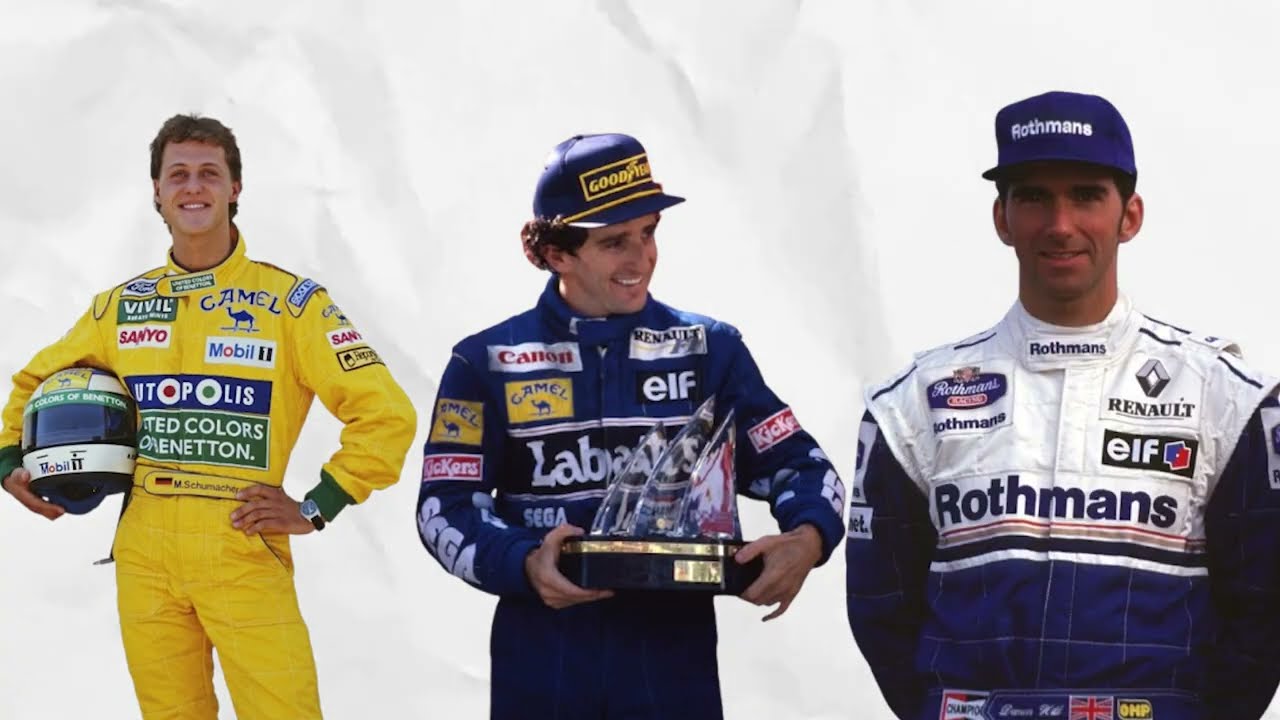
The year was 1993, and the venue was Donington Park on a grim Easter Sunday. The track was saturated, visibility was minimal, and the starting grid featured legends like Alan Prost and Michael Schumacher in superior machinery. Ayrton Senna, driving a less competitive McLaren, started fourth. What followed remains, for many, the greatest first lap in F1 history.
Within the first minute, Senna produced an act of pure, rain-soaked artistry. He danced with the deluge, reading the grip like Braille, passing Schumacher, Wendlinger, Damon Hill, and finally, his fiercest rival, Prost. It was less a drive and more a mesmerizing performance of F1 ballet, controlled, fluid, and breathtaking. Senna’s ability to find traction where none seemed to exist, to extract impossible speed from his machine in impossible conditions, didn’t just win him the race; it permanently cemented his legend as the rain master. It was the ultimate demonstration of a human mind and body achieving total synchronization with the elements.
2. Jenson Button’s Chaos to Glory in Canada (2011): The Four-Hour Odyssey
The 2011 Canadian Grand Prix was a meteorological and procedural nightmare. It had everything: torrential rain, multiple red flags, and a track constantly oscillating between monsoon and merely wet. Jenson Button’s race started disastrously, involving a catastrophic collision with his teammate, Lewis Hamilton, and a resulting penalty that saw him drop to last place.
No one expected anything but an early retirement. Yet, Button had other plans. In the longest race in F1 history, lasting over four hours, he made six pit stops, survived a puncture, and relentlessly surged through the field as the conditions dried. It was a race defined by attrition and sheer grit. Then, on the final lap, with Sebastian Vettel leading, Button was close enough to apply the pressure, forcing a critical error from the German. From last to first in the final moments, it was chaos transformed into choreography. Button’s triumphant smile, having navigated a four-hour storm of mistakes and miracles, spoke volumes about the unbreakable spirit required to conquer the impossible.
3. Pierre Gasly’s Stunning Win at Monza (2020): The Underdog’s Scream
The 2020 season, shadowed by the global pandemic, was unpredictable, and Monza gave us an absolute miracle. Pierre Gasly, a driver who had been demoted by Red Bull and subsequently written off by many critics, found himself in an AlphaTauri. After a red flag incident dramatically reshuffled the grid, Gasly suddenly found himself leading the race.
Under immense pressure from Carlos Sainz, Gasly drove the race of his life, defending his position lap after lap. When he crossed the line to take an improbable victory, the moment was doubly poignant. His screams of disbelief and pure, cathartic emotion echoed through the largely empty grandstands. His victory tears were a stark, beautiful reminder that underdog stories—tales of redemption, resilience, and the power of a second chance—are truly the most moving and resonant in all of sport.
II. The Emotional Weight of Home and Legacy
Formula 1 is a global spectacle, but certain tracks carry a profound, ancestral weight. The following moments capture the beautiful intersection of personal history, national pride, and the emotional connection between a team, a driver, and the roaring tifosi or a devoted local crowd.
4. Sebastian Vettel’s First Win with Ferrari (Malaysia 2015): The Ode to the Scuderia
When Sebastian Vettel joined Ferrari in 2015, the question was simple: could he restore the legendary Scuderia to its former glory? The team hadn’t won a race since 2013, and the pressure on Vettel was immense. In only his second race with the team, at the scorching hot Malaysian Grand Prix, Vettel delivered a performance of superior speed and tire management, finally conquering the dominant Mercedes.
The true beauty lay in the moment he crossed the line and shouted, “Grazie Ragazzi!” over the radio. Ferrari fans across the globe were instantly overcome, many brought to tears. This was more than a victory; it was an emotional ode to the most influential team in F1 history, a promise of a new, glorious era, and a spiritual reunion between the driver and the soul of the sport.
5. Charles Leclerc’s Emotional Victory at Monza (2019): The Red Sea
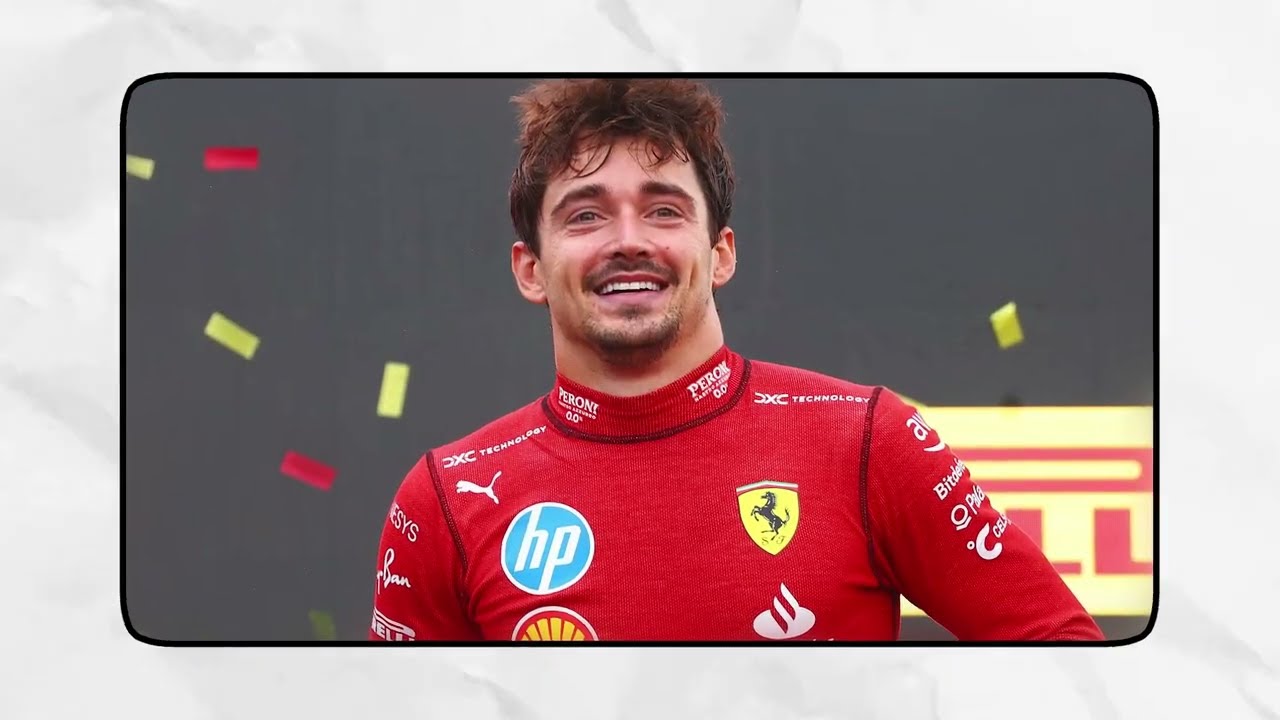
Monza, the ‘Temple of Speed,’ is Ferrari’s spiritual home, and the tifosi demand victory. Ferrari hadn’t won there since 2010. When Charles Leclerc, then just 21, took pole in 2019, the pressure was unbearable. What followed was a gladiatorial defense for 53 exhausting laps against the relentless Mercedes of Lewis Hamilton and Valtteri Bottas.
Leclerc fought with precision, nerve, and an iron will. The moment he took the checkered flag, the Tuscan faithful flooded the track, transforming the circuit into a vast, celebratory red sea. Leclerc’s tearful rendition of the national anthem on the podium, surrounded by thousands of adoring fans, was unforgettable—a perfect blend of youth, pride, and heroic victory that instantly enshrined him as a national hero.
6. Kamui Kobayashi’s Podium at Suzuka (2012): The Local Hero’s Bow
The dedication of Japanese motorsport fans is legendary. In 2012, they finally had a local hero to cheer for in Kamui Kobayashi. Driving for Sauber, Kobayashi qualified a remarkable fourth at his home Grand Prix, Suzuka.
In the race, he fiercely defended his position against stronger competitors, ultimately achieving an astounding third-place finish. The eruption from the crowd was visceral and overwhelming: flags waved, and many fans were openly weeping with joy. When Kobayashi stepped onto the podium and bowed deeply to his devoted fans, it was a moment of profound cultural connection and collective emotional release, showcasing the purest form of athletic appreciation.
III. Grace, Heartbreak, and Silent Gratitude
The most beautiful moments are not always those of triumphant celebration. Often, they are found in the profound dignity of defeat, the silent acknowledgment of greatness, or the lasting tribute paid to a life cut short.
7. Felipe Massa’s Heartbreak in Brazil (2008): The Classiest Defeat
Beauty, as the narrative suggests, does not always reside in victory; sometimes, it lives eternally in heartbreak. Felipe Massa won the 2008 Brazilian Grand Prix, his home race, and for 38 agonizing seconds, he was the Formula 1 World Champion.
But then, the unimaginable happened. On the final corner of the final lap, Lewis Hamilton overtook Timo Glock to secure the fifth-place finish he needed to take the title by a single, crushing point. Massa stood on the podium, tears streaming down his face, yet he delivered one of the classiest, most dignified speeches in F1 history. He lost the title, but in that moment of raw, vulnerable grace, he earned the respect and love of millions globally. That display of profound pain managed with immense dignity remains one of the sport’s most eternally beautiful moments.
8. Lewis Hamilton’s Seventh Title Drive in Turkey (2020): Silent History
To equal Michael Schumacher’s record of seven world titles required a performance worthy of history, and Lewis Hamilton delivered it at the treacherous Istanbul Park in 2020. The track was soaked, treated, and incredibly slippery, presenting a near-impossible challenge. Hamilton started sixth, yet lap after lap, he built a flawless rhythm, avoided mistakes, and brilliantly extended his tire stints in conditions where others failed.
When he crossed the finish line, achieving the monumental record, there was no extravagant celebration. He parked his car, bowed his head inside the cockpit, and cried in a moment of silent gratitude. It was a display of maturity, legacy, and unmatched brilliance—a quiet, powerful acknowledgment of history made. It was not just a race; it was the coronation of a legend.
9. Jules Bianchi’s Point in Monaco (2014): The Moment of Belief
Jules Bianchi was more than just a rising star; he was a symbol of pure, unbridled potential. In the 2014 Monaco Grand Prix, driving for the backmarker Marussia team, Bianchi achieved what many thought impossible: scoring the team’s first and only points with a stunning P9 finish on a track where overtaking is notoriously difficult.
His effort went beyond mere statistics. It was a tangible moment of belief, a proof that talent can shine through even in the darkest corners of the grid. Following his tragic death in 2015, that single race forever transformed into a poignant and powerful tribute to his legacy, a fleeting moment of glory that resonated long after he was gone.
10. Schumacher and Vettel for Team Germany (ROC 2007-2012): The Pure Love of Racing
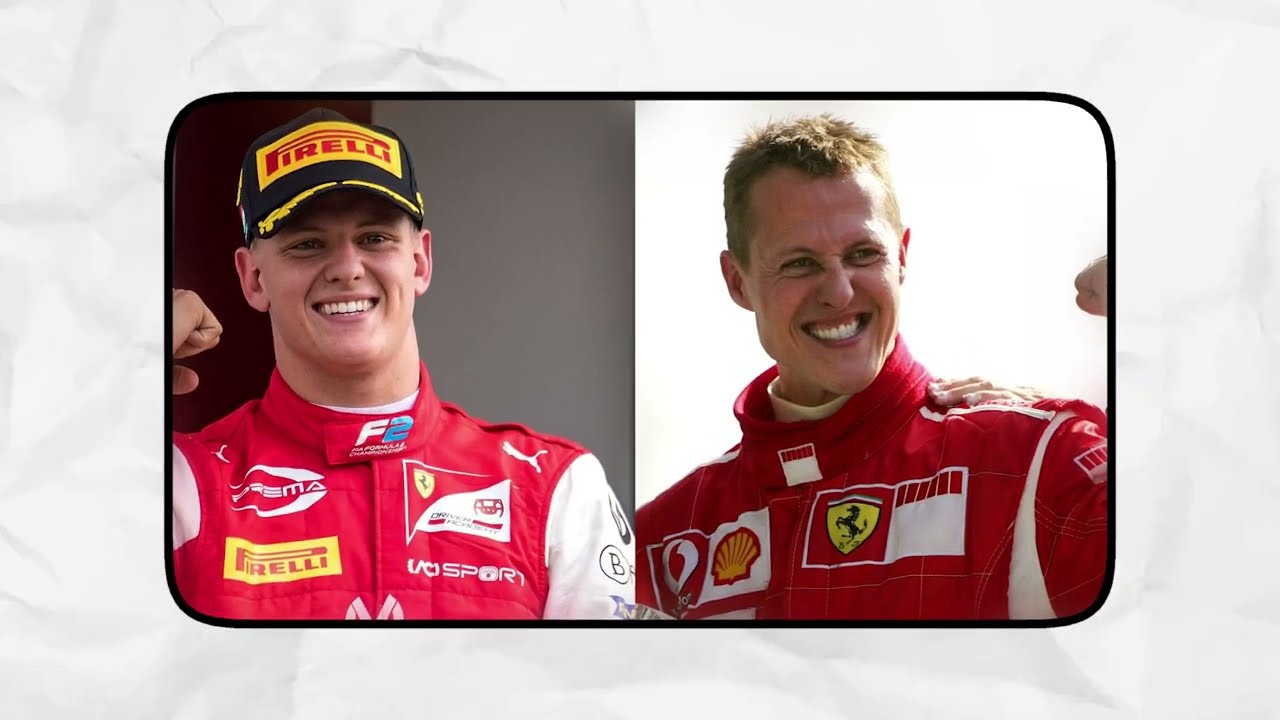
While not a traditional F1 moment, the partnership of Michael Schumacher and Sebastian Vettel in the Race of Champions (ROC) from 2007 to 2012 deserves the spotlight. Watching two generations of German legends—one retiring and one rising—race side by side to represent their country was akin to witnessing two great symphonies merging.
Their camaraderie, shared strategies, and genuine respect for one another, as they consistently lifted the trophy together, transcended the politics and pressure of F1. It was a beautiful display of pure, unadulterated love for racing and the passing of a generational torch.
Formula 1 is, ultimately, a stage for the world’s greatest athletes to showcase not just technical skill, but profound emotion, humanity, and heart. These ten moments remind us that the sport’s greatest value is in the enduring stories of the human spirit—of triumph, heartbreak, and redemption—that continue to define the beautiful, unforgettable roar of racing.






