The calendar has flipped to 2026, marking the dawn of a revolutionary new era in Formula 1. With sweeping regulation changes, new engine manufacturers, and a grid expanded to eleven teams, the paddock is buzzing with an electric mix of anticipation and dread. As we stand on the precipice of this new season, the hierarchy of speed appears to have been dramatically upended. The old guard is scrambling, new contenders are rising, and the drama behind the scenes is arguably more intense than the action on the track.
This isn’t just another season; it is a complete reset. The 2026 regulations were promised to be the great equalizer, a chance for the fallen to rise and the dominant to stumble. Based on the latest insights and the brutal reality of the 2025 campaign, we can now paint a vivid picture of what to expect. From McLaren’s ascent to dominance to the shocking struggles of Ferrari, here is your comprehensive, no-nonsense look at the state of the Formula 1 grid in 2026.
The New Standard: McLaren’s Golden Era
If you are just tuning back into the sport, you might be surprised to find McLaren sitting comfortably on the throne. The Woking-based outfit has completed one of the most remarkable turnarounds in sporting history. Gone are the days of the mid-2010s slump; in their place stands a team that has captured the hearts of the younger generation and the silverware to match.
Under the astute leadership of Zak Brown and Team Principal Andrea Stella, McLaren secured the Constructor’s Championship double in 2025, with Lando Norris finally claiming his maiden World Driver’s Championship. The team has reinvented itself as the “cool” parent of the grid, blending elite performance with a brand image that resonates deeply with modern fans. Norris, now the poster boy of F1, heads into 2026 as the favorite, though he faces stiff internal competition. Oscar Piastri, despite a few tangles with the barriers in the latter half of 2025, remains a formidable force. The dynamic between these two will be the defining narrative at the front of the field. Can McLaren maintain harmony, or will the pressure of defending a title fracture their success?
The Redemption Arc: Mercedes
For Mercedes, the last few years have been a humbling wandering in the wilderness. The team that once crushed the competition during the early turbo-hybrid era spent the last rules cycle making promises they couldn’t keep. However, 2026 offers a clean slate, particularly with the new engine regulations—an area where Mercedes has traditionally excelled.
Toto Wolff returns to lead a lineup that blends experience with raw, unproven talent. George Russell, often viewed as the steady hand, is now the de facto team leader. He is widely regarded as one of the best qualifiers and racers on the grid, finally armed with machinery that might match his ambition. Across the garage sits Kimi Antonelli, the 19-year-old Italian prodigy entering his sophomore season. His rookie year was a baptism of fire, filled with flashes of brilliance punctuated by rookie errors. If Mercedes has nailed the new power unit regulations, expect the Silver Arrows to be the primary threat to McLaren’s reign. The question remains: can they finally deliver a car that doesn’t baffle their engineers?
The Unknown Variable: Red Bull Racing
The narrative around Red Bull Racing has shifted from unbeatable juggernaut to a team in transition. The departure of Christian Horner and the internal restructuring have left the team with a different feel heading into 2026. Laurent Mekies now steers the ship, facing the monumental task of integrating the new Red Bull-Ford powertrain.
Partnering with Ford to build an engine from scratch is a massive gamble compared to the established manufacturers. While the car design usually centers around the prodigious talent of Max Verstappen, the machinery facing him this year is a massive question mark. The second seat continues to be a revolving door of broken dreams. After the swift exits of Liam Lawson and Yuki Tsunoda, French driver Isack Hadjar steps up to the plate. Hadjar earned his spot with a standout 2025, but the pressure of the Red Bull seat is known to crush even the most promising talents. 2026 could be a trial by fire for the entire organization as they navigate life without their Honda safety net.
The Prancing Horse in Crisis: Ferrari
There is no polite way to put it: things look bleak at Maranello. Ferrari, the sport’s oldest and most glamorous team, seems trapped in a cycle of high hopes and crushing disappointments. The last championship dating back to 2007 feels like ancient history, and recent rumors suggest the 2026 project is not hitting its targets.
The arrival of Lewis Hamilton was supposed to be the fairy-tale ending to the Briton’s illustrious career. Instead, the dream has soured. Hamilton struggled significantly in 2025, unable to gel with the car or the team’s operations. Reports indicate a driver who looks defeated, sparking whispers that 2026 could be his swan song in the sport. On the other side, Charles Leclerc—Ferrari’s long-suffering “Prince”—is running out of patience. Having outdriven his machinery for years, Leclerc’s loyalty is being tested. If Ferrari fails to deliver a competitive car again, the driver market could explode with his departure. For the Tifosi, this season threatens to be another exercise in heartbreak.
The Midfield Resurgence: Williams and Haas
In a surprising twist, two teams formerly associated with the back of the grid are showing signs of genuine life. Williams, powered by Mercedes engines and revitalized management under James Vowles, had a stellar 2025. The signing of Carlos Sainz proved to be a masterstroke. The Spaniard brought experience and speed, delivering two podiums and helping the team secure fifth in the standings. Paired with Alex Albon, Williams boasts one of the strongest driver lineups on the grid. They enter 2026 with genuine momentum and the potential to upset the big four.
Similarly, Haas has shed its reputation for chaos and found stability through a strengthened partnership with Toyota. The Japanese giant’s return as a title sponsor and technical partner has injected serious resources into the American team. With veteran Esteban Ocon and rising star Ollie Bearman, Haas has a balanced lineup capable of scoring consistent points. For a team that once struggled with survival, the Toyota alliance signals a serious intent to compete.
The Billionaire’s Playground: Aston Martin
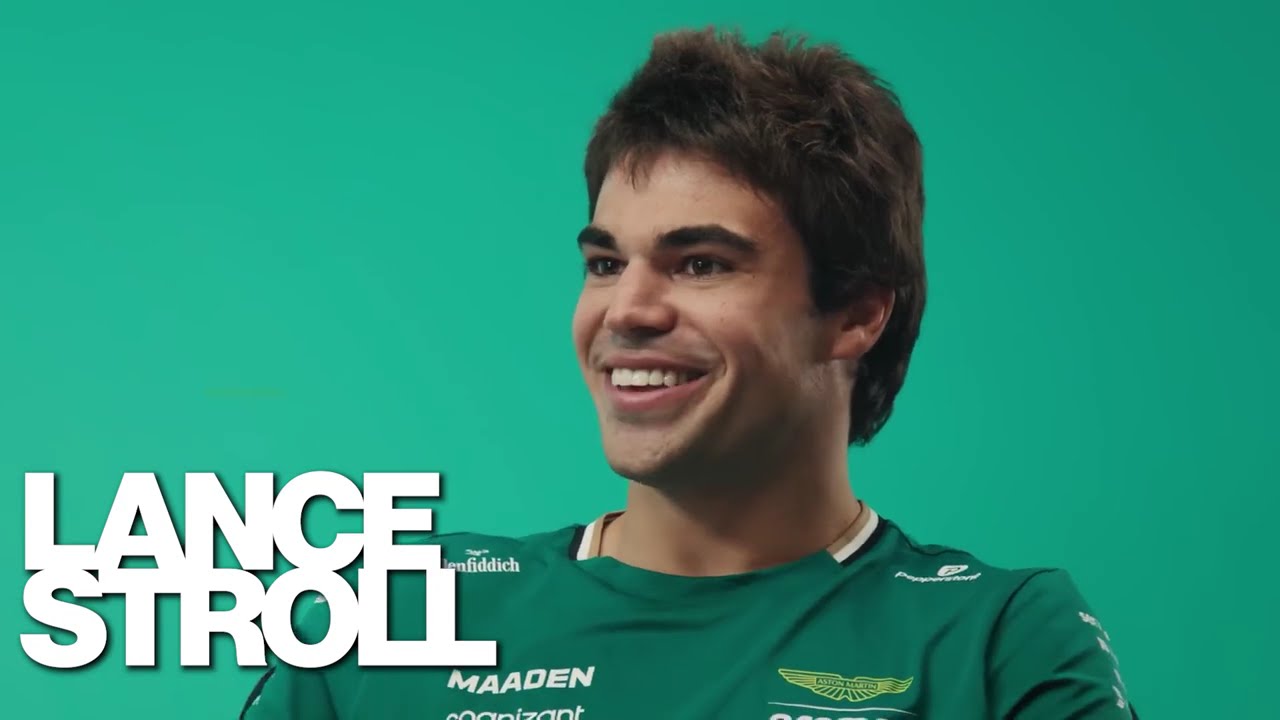
Aston Martin remains one of the most enigmatic teams in the paddock. Lawrence Stroll’s heavy investment has built state-of-the-art facilities and lured design genius Adrian Newey, but on-track results have been inconsistent. The team enters 2026 with a reunited Fernando Alonso and Honda—a partnership that was famously toxic during their McLaren days.
Alonso, defying age, continues to perform at an elite level, but he is shackled by the car’s limitations. The decision to partner with Honda, while logical on paper, brings back memories of “GP2 engine” rants. Meanwhile, Lance Stroll retains his seat, a point of contention for critics who believe the team’s potential is capped by nepotism. With Newey’s influence, the car should be aerodynamically sound, but the engine integration will be key. Will this be the year Aston Martin finally joins the elite, or will it be another season of expensive mediocrity?
The New Challengers: Audi and Cadillac
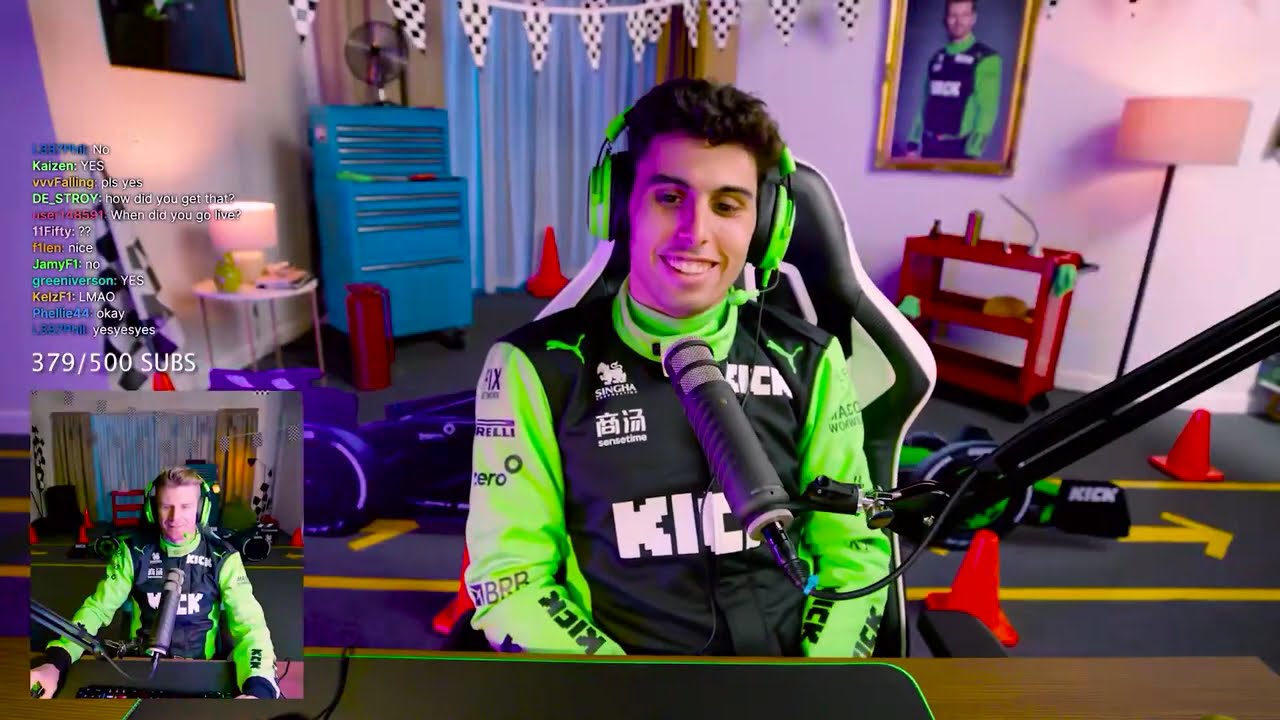
2026 sees the official entry of two massive names, though in very different circumstances. Audi has completed its takeover of Sauber, inheriting a team that has struggled mightily in recent years. Despite the German manufacturer’s history of winning in every motorsport category they enter, F1 is a different beast. Their driver lineup of Nico Hülkenberg and rookie Gabriel Bortoleto offers a mix of safe hands and raw potential, but the arrogance of the brand may be tested against the harsh realities of the midfield.
Then there is Cadillac, the 11th team, joining the grid as a true underdog. Led by Graeme Lowdon, the American outfit faces an uphill climb. Their driver pairing of Valtteri Bottas and Sergio Perez brings immense experience, essentially a battle of the “perfect number two drivers.” While expectations are low for their debut season, their presence adds a fresh dynamic to the paddock, even if they are predicted to prop up the timing sheets initially.
The Rest: Alpine and Racing Bulls
Finally, we have the teams that seem to be making up the numbers. Alpine remains in a state of perpetual turmoil. The return of Flavio Briatore and the firing of key staff has left the French outfit looking thin on the ground. Pierre Gasly and the crash-prone Franco Colapinto face a tough year ahead, especially as they transition to being a Mercedes customer team.
Racing Bulls, the Red Bull junior outfit, continues its identity crisis. Now fully leaning into a “Gen Z” aesthetic, the team serves as a holding pen for talent like Liam Lawson and rookie Arvid Lindblad. Their primary purpose remains obscure—are they a competitor or just a testing ground? In a season of high stakes for the parent team, Racing Bulls might find themselves lost in the shuffle.
Conclusion
The 2026 Formula 1 season promises to be a spectacle of the highest order. The competitive order has been shuffled, alliances have shifted, and the pressure on drivers and team principals is at an all-time high. Whether it is McLaren defending their crown, Mercedes seeking redemption, or the chaos of the newcomers, one thing is certain: this year will be anything but boring. Buckle up; the lights are about to go out on a new era.
News

Inside Shane Richie’s love life: Drug – fuelled orgy with six blondes; real reason he split from Coleen Nolan; six-year ‘affair with fan’
Inside Shane Richie’s love life: Orgy with six blondes; real reason he split from Coleen Nolan; six-year ‘affair with fan’ He’s popular with the ladies… Shane Richie…

SH0CKING REVELATI0N:A sh0cking behind-the-scenes secret revealed about Lizzie Rizzini, the woman replacing Carol Kirkwood on the 6pm weather bulletin
BBC viewers still reeling from the departure of Carol Kirkwood got another surprise last night when presenter Lizzie Rizzini appeared to flash her black lace stockings on…

HEARTBREAKING: Peter Andre’s Tearful Message to Son Junior After SHOCKING Revelation About How He Truly Feels Toward Mum Katie Price — Katie Price’s reaction scares fans.
Peter Andre’s emotional message to son Junior after it’s revealed how he really feels about mum Katie Pri… PETER Andre has shared an emotional message to his…

Ben Shephard opens up about the devastating health battle his wife is facing: “She wakes up crying every single morning…”
Inside This Morning Ben Shephard’s Life Including Rarely Seen Wife and Health Battle Ben Shephard is a name synonymous with British television, renowned for his engaging presentation…
🚨 LIVE TV HEARTBREAK: Good Morning Britain Host Announces ‘Devastating’ Dɘath of Guest Minutes Into Show
Viewers of Good Morning Britain were met with heartbreaking news just minutes into Friday’s (January 30) episode, as co-hosts Kate Garraway and Ranvir Singh reported the tragic…

Emmerdale legend Cain Dingle will never be the same again after a shock cancer diagnosis turns his world upside down
FROure Desk. Full Terms and conditions are available on the website http://www.itv.com/presscentre/itvpictures/terms Emmerdale wouldn’t be Emmerdale without the glowering, grunting embodiment of manliness that is Cain Dingle (Jeff Hordley) But…
End of content
No more pages to load






