As Formula 1 stands on the precipice of the 2026 regulation overhaul—touted as one of the most significant changes in the sport’s history—it is time to reflect on the era that defined the last twelve years. Since 2014, the “Turbo Hybrid” era has brought us high-tech V6 engines, incredible engineering feats, and some of the most intense psychological warfare ever seen in a cockpit. But as any fan knows, not all seasons are created equal. Some years had us on the edge of our seats until the final corner, while others felt like a slow procession toward an inevitable conclusion.

The Dawn of Dominance and the “Silver War”
The era kicked off in 2014, ending the four-year reign of Sebastian Vettel and Red Bull. Mercedes AMG Petronas emerged as an unstoppable force, boasting an engine that was lightyears ahead of the competition. This period gave birth to the infamous rivalry between childhood friends Lewis Hamilton and Nico Rosberg. What started as “fun and games” quickly devolved into a bitter feud. By the middle of the season, dirty tricks in Monaco and a collision in Spa signaled that the friendship was over. While Mercedes won almost everything, the emergence of Daniel Ricciardo at Red Bull—who famously embarrassed a four-time champion teammate—provided the much-needed “bangers” that kept the season in the “Mid Tier” of our rankings.
The tension peaked in 2016, a season categorized in the “Perfect Tier.” After losing the title two years running, Rosberg transformed himself into a psychological warrior. The season was defined by the double Mercedes DNF in Spain—which opened the door for an 18-year-old Max Verstappen to take his first historic win—and the nail-biting finale in Abu Dhabi. Rosberg’s immediate retirement after securing the title remains one of the most shocking exits in sports history.
Ferrari’s Hope and Heartbreak
For a brief moment in 2017 and 2018, it looked like the “Prancing Horse” would reclaim its glory. Sebastian Vettel, driving with the ghost of Michael Schumacher’s legacy on his shoulders, took the fight to Hamilton. 2017 was a “Good Tier” year, featuring a wild race in Baku and a season-altering crash in Singapore that effectively handed Hamilton the title.
However, 2018 is remembered more for the “fall of Seb.” Leading his home race at the German Grand Prix, a tiny error in the rain saw Vettel slide into the barriers. Many fans point to this exact moment as the turning point not just for the season, but for Vettel’s career. It was a year of “what ifs” that landed in the “Upper Mid Tier.”
The Rise of the New Guard
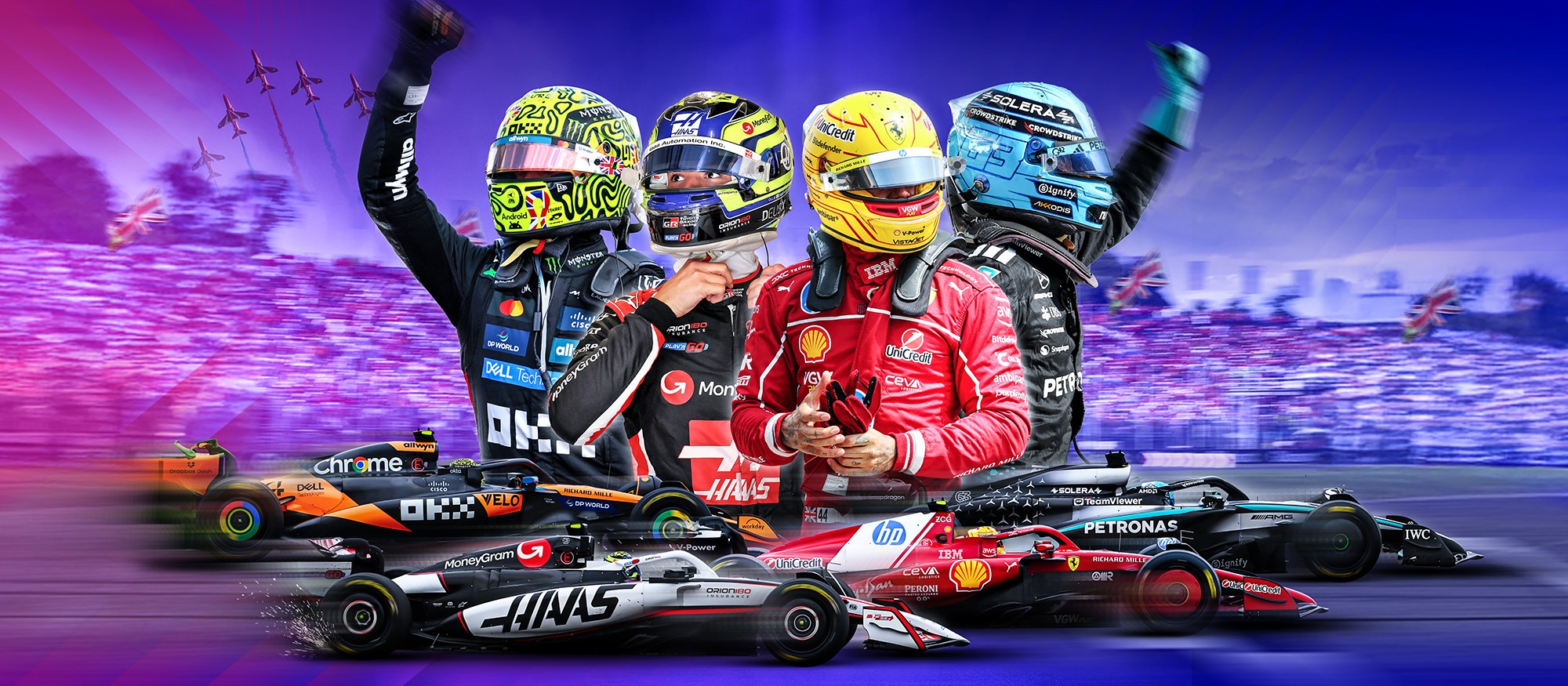
By 2019, the narrative began to shift. While Hamilton was in his prime and seemingly untouchable, a new generation was banging on the door. Charles Leclerc arrived at Ferrari and immediately proved he could contend for wins, while Max Verstappen began to shed his “Crashtappen” reputation for a more calculated, lethal approach. This year, and the pandemic-stricken 2020 season, showed us the extremes of the era. 2020 gave us the W11—the fastest F1 car ever built—and Hamilton’s record-equaling seventh title, but it also saw Ferrari fall into a “cheating” scandal that left them languishing in the midfield.
The Peak and the Pitfalls
No discussion of this era is complete without 2021. It is the gold standard of racing, placed firmly in the “2021 Abu Dhabi Grand Prix Tier.” The season was a heavyweight bout between Hamilton and Verstappen, with the two titans entering the final race exactly equal on points. Regardless of the controversy surrounding the final laps, the sheer intensity of the 22-race battle is something the sport may never see again.
Unfortunately, the momentum didn’t last. The 2022 introduction of “Ground Effect” cars was meant to improve racing, but it initially led to “porpoising” and a lopsided development race. While 2022 had a bright start with a Leclerc vs. Verstappen battle, Ferrari’s strategic incompetence allowed Max to walk away with the trophy. This led into 2023, which occupies the “Horrible Tier.” Verstappen won 19 out of 23 races, a feat of engineering brilliance that was, unfortunately, a “snoozefest” for the neutral viewer.
Closing the Chapter
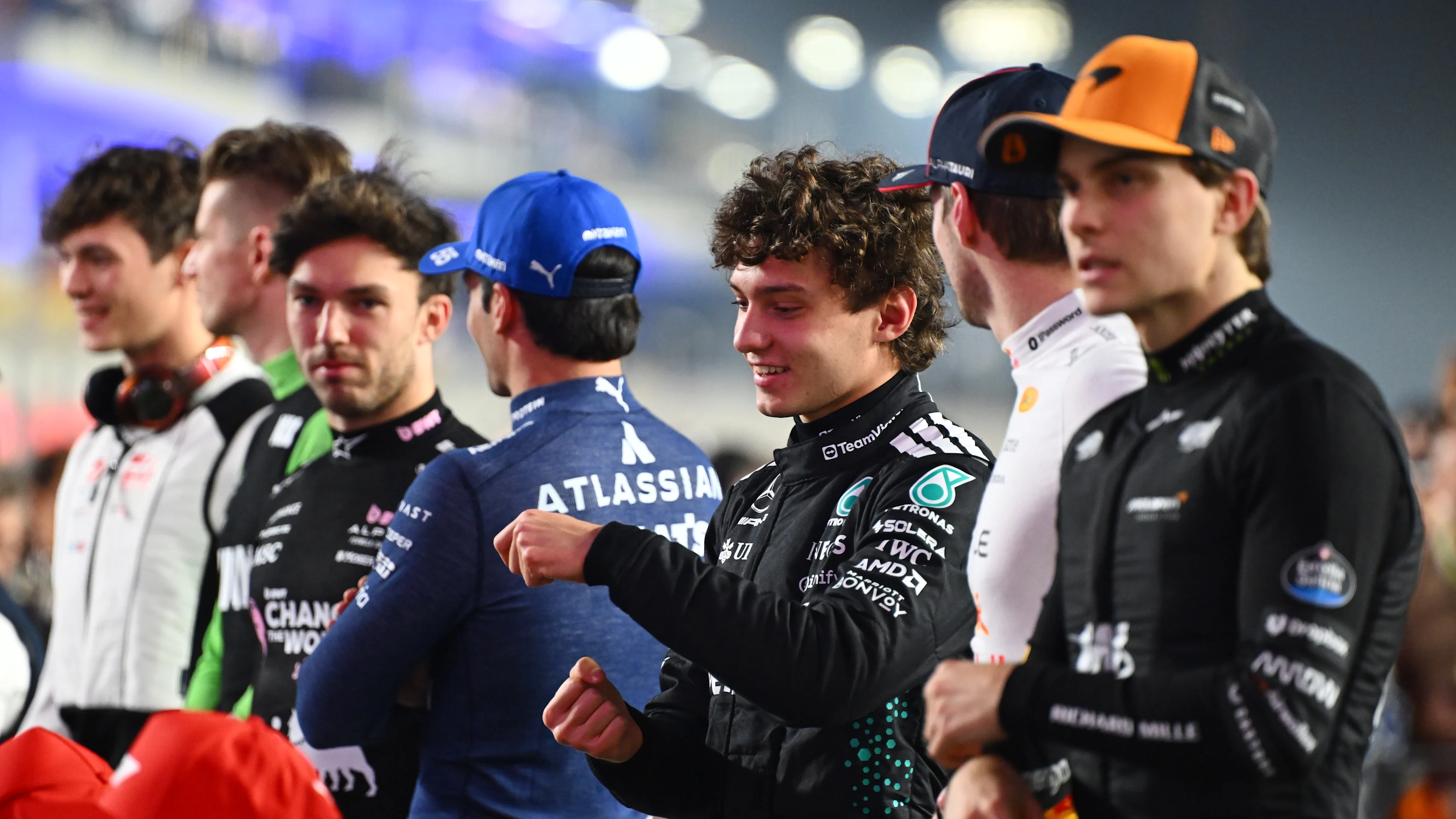
The final years of the era, 2024 and 2025, have been a mixed bag. 2024 saw a resurgence in competition as McLaren and Mercedes finally caught up to Red Bull, providing some of the best racing in years. However, 2025 felt like a step back. Despite a late title charge from Verstappen, the “Ground Effect” regulations are largely seen as a failure in their primary objective of creating closer racing.
As we look toward 2026, the Turbo Hybrid era leaves a complicated legacy. It was an era of unprecedented technical sophistication, the rise of a new GOAT in Lewis Hamilton, and the birth of a new king in Max Verstappen. It had its “Mazepin” moments of boredom, but its “Perfect” highs reminded us why we love this sport. The war of the V6 hybrids is over, and a new dawn awaits.






