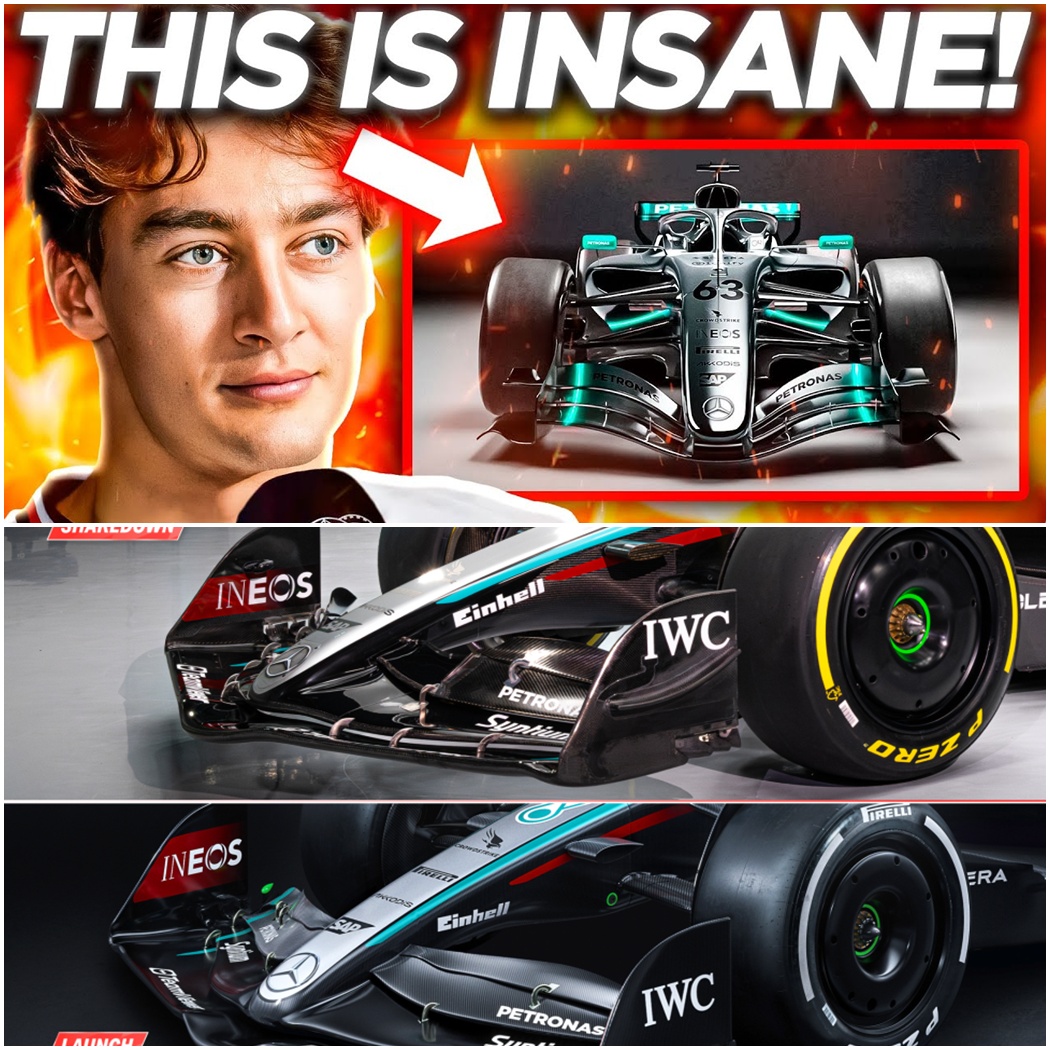
In the high-stakes world of Formula 1, races are often won long before the lights go out on Sunday. They are won in wind tunnels, in simulators, and, most crucially, in the secretive engineering bays where the sport’s brightest minds battle against the rulebook. As the paddock braces for the seismic regulatory overhaul of 2026, a familiar narrative is beginning to terrify the competition: Mercedes-AMG Petronas has done it again.
Reports emerging from the paddock suggest that the German manufacturer, the juggernaut that crushed the competition at the dawn of the turbo-hybrid era in 2014, has unlocked a revolutionary performance advantage for their W17 challenger. This isn’t just a minor aerodynamic tweak or a fuel upgrade; it is a fundamental engineering masterstroke hidden deep within the heart of the power unit—a “magic trick” involving thermal expansion that has sent shockwaves through rival garages and left competitors like Ferrari, Honda, and Audi scrambling for answers.
The “Loophole” That Changed Everything
The headline story of the 2026 season was supposed to be the leveling of the playing field. With the removal of the complex and expensive MGU-H and a shift toward 50% electrical power and sustainable fuels, the FIA intended to simplify the engine wars. However, in doing so, they may have inadvertently opened the door for Mercedes High Performance Powertrains (HPP) in Brixworth to flex their muscles.
The core of this new controversy revolves around the engine’s compression ratio. Under the strict new 2026 technical regulations, the compression ratio of the internal combustion engine is capped at 16:1. This rule was designed to prevent an expensive development war and keep performance relatively parity-checked. Standard testing protocols measure this ratio statically—when the engine is cold and sitting in a garage.
But Mercedes engineers, in a stroke of lateral thinking that defines F1 greatness, reportedly asked themselves a different question: What happens when the engine gets hot?
According to paddock insiders, Mercedes has developed a connecting rod—the vital component linking the piston to the crankshaft—manufactured from a specific material designed to expand significantly under the extreme heat of operation. In simple terms, as the engine runs and temperatures skyrocket, these rods lengthen. This thermal expansion pushes the piston higher into the cylinder chamber than it sits during static testing.
The result is staggering. While the engine sits innocently at the legal 16:1 ratio during FIA scrutineering, out on the track, the “growing” components effectively squeeze the combustion chamber tighter, raising the compression ratio to a reported 18:1.
The Impact: Free Speed
To the casual observer, a jump from 16:1 to 18:1 might sound like mathematical trivia. In the world of Formula 1 thermodynamics, however, it is a canyon of difference. Higher compression means a more efficient burn, extracting more energy from every drop of the new sustainable fuel.
Estimates suggest this “thermal trick” unlocks an additional 10 to 15 horsepower. In a sport where teams spend millions to find a single horsepower, a double-digit gain is monumental. This power boost translates to roughly a quarter of a second per lap—an eternity in modern F1 qualifying. Over a 50-lap Grand Prix, that advantage compounds into a comfortable lead, allowing Mercedes drivers to manage their tires and fuel while rivals destroy theirs trying to keep up.
Crucially, this innovation appears to be ironclad against protests. Sources indicate that Mercedes, learning from past controversies, approached the FIA during the early development phase. They were completely transparent about their design and its thermal properties. The governing body, finding no rule explicitly banning components that expand with heat (a natural physical property of all metal, after all), reportedly gave the green light.
Rival Panic and Protests
The reaction from the rest of the grid has been predictable: absolute panic. It is understood that Ferrari, Audi, and Honda have formally protested the design, claiming it violates the spirit of the regulations if not the letter. These concerns are set to be raised again at an FIA meeting on January 22nd, but without a clear regulatory breach, the FIA’s hands are tied. Banning the technology now would punish innovation and likely lead to a legal quagmire.
Red Bull Power Trains, the newly formed engine division attempting to build their own unit for the first time, appears to be the only rival that saw this coming—but not because of their own ingenuity. Rumors suggest they only caught wind of the concept after poaching an engineer from Mercedes. However, knowing about a trick and successfully implementing it are two very different things. While Red Bull attempts to play catch-up, Mercedes has spent years refining the reliability and integration of the system.
Helmut Marko, Red Bull’s notoriously blunt advisor, has been uncharacteristically pessimistic. When asked recently who he feared most for the 2026 title, his answer was telling: “I’m afraid it will be someone using the Mercedes engine.” It was a stark admission from a man who spent the last few years mocking the German team’s struggles.
A Return to the “Silver Era”?
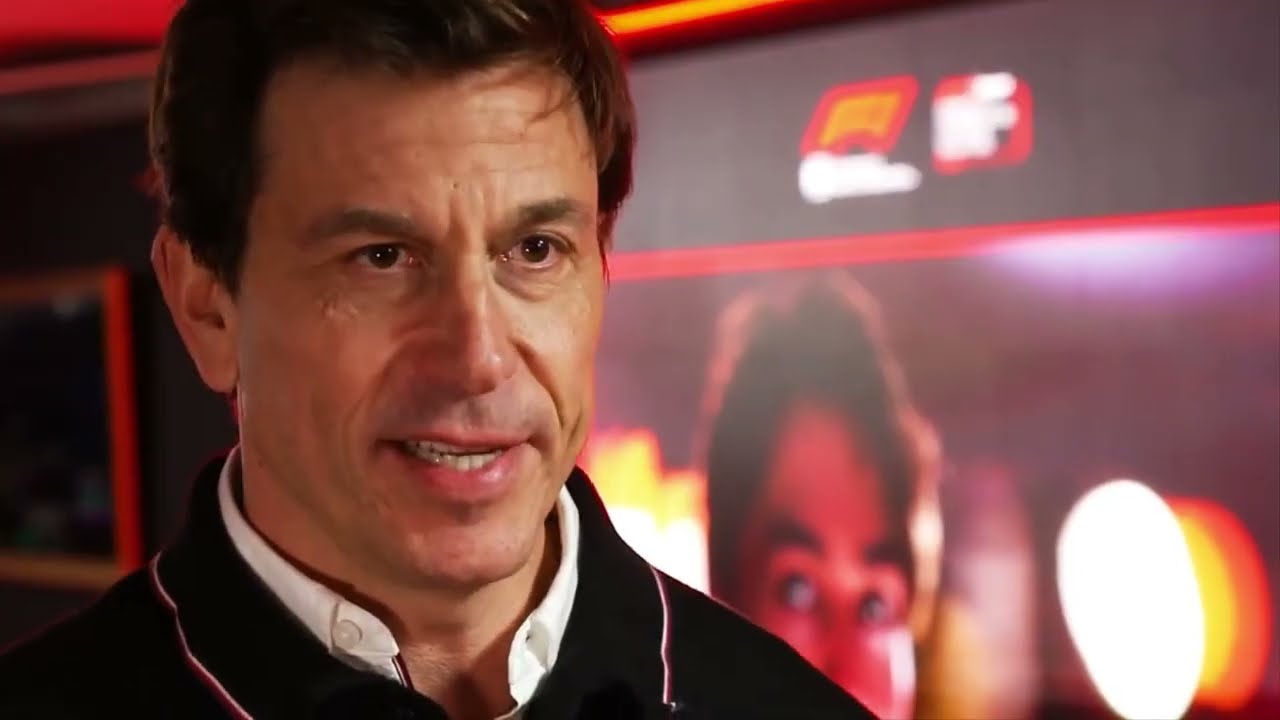
The confidence radiating from Brackley is palpable. Toto Wolff, the Mercedes team principal who guided the team to eight consecutive Constructors’ Championships, recently described his experience watching the W17 in the simulator as “fascinating.”
“We are driving 50% electric engines with sustainable fuel… and that almost gives it one notch of innovation more,” Wolff teased. His demeanor contrasts sharply with the “glass half empty” pessimism he usually projects. While he insists he is managing expectations, the smooth development path of the Mercedes engine stands in stark contrast to the reported chaos at Ferrari (chassis approval delays) and Renault/Alpine (who have abandoned their own engine program to likely become a Mercedes customer).
This leads to another terrifying prospect for the rest of the grid: the “Mercedes Super-Team.” In 2026, Mercedes will supply power units to four teams: their own factory team, McLaren, Williams, and Alpine. That represents nearly half the grid—eight cars—running this superior engine. If the thermal expansion trick works as advertised, we could see a championship where the top spots are locked out exclusively by Mercedes-powered machinery.
James Vowles, the Williams Team Principal and former Mercedes strategist, has been practically glowing about the engine’s data. His decision to commit Williams to Mercedes power long-term now looks like a stroke of genius. Even drivers like Carlos Sainz have hinted that the whispers about the Mercedes engine were a key factor in their future contract decisions.
The Human Element: Russell and Antonelli
While the engine dominates the headlines, the 2026 regulations also introduce a new “manual override” mode, allowing drivers to deploy extra electrical power tactically. This puts a premium on driver intelligence and multitasking.
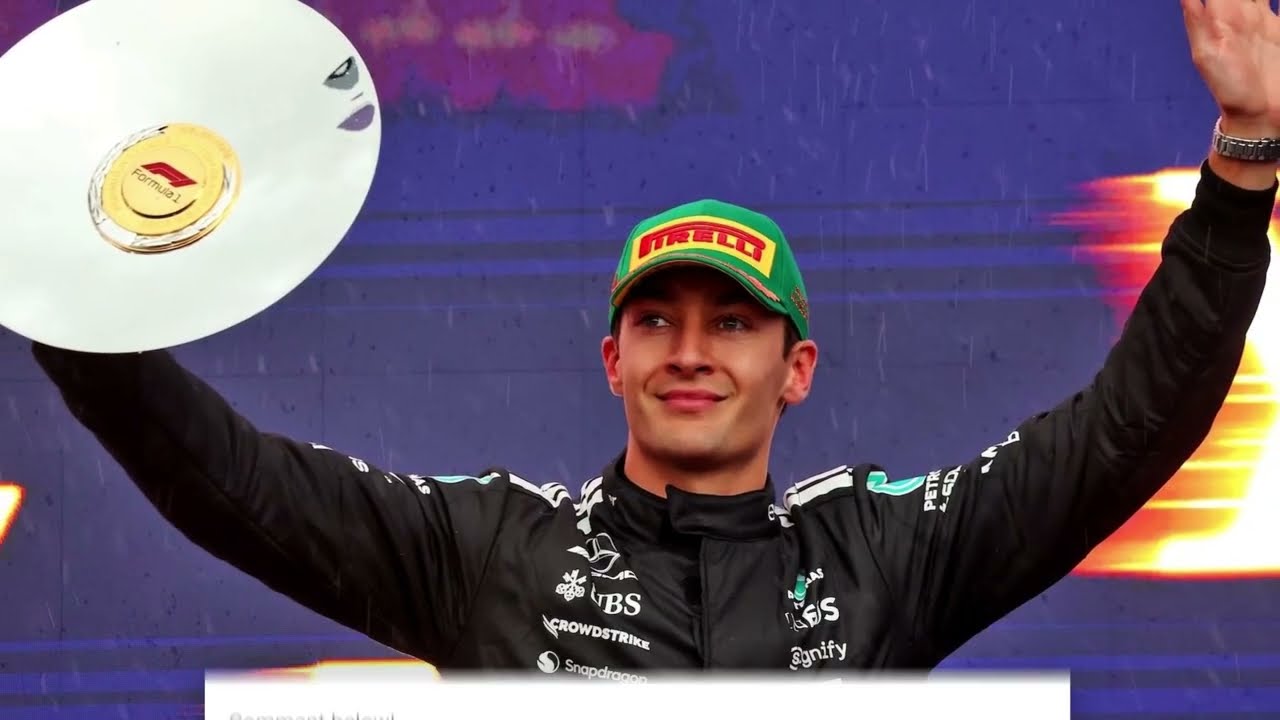
Toto Wolff believes this plays perfectly into the hands of George Russell. Known for his analytical mind and ability to process complex data at 200 mph, Russell is viewed as the ideal pilot for this new generation of cars. Alongside him, the rookie sensation Kimi Antonelli will step into a car that could potentially be a championship contender in his very first season—a scenario reminiscent of Lewis Hamilton’s debut in 2007.
Conclusion
The official reveal of the W17 renders on January 22nd, followed by the full launch on February 2nd, will be the next major milestone. But the real truth will emerge at the Barcelona private tests starting January 26th. If the Silver Arrows can rack up mileage without reliability issues while their rivals struggle to cool their engines or manage their energy recovery, the writing may already be on the wall.
For years, fans asked for a regulation change to shake up the order. They got one. But in a twist of irony, the new rules may simply have paved the way for the return of the sport’s most dominant dynasty. The W17 isn’t just a car; it’s a warning shot. Mercedes is back, and this time, they’re bringing the heat.
News

Inside Shane Richie’s love life: Drug – fuelled orgy with six blondes; real reason he split from Coleen Nolan; six-year ‘affair with fan’
Inside Shane Richie’s love life: Orgy with six blondes; real reason he split from Coleen Nolan; six-year ‘affair with fan’ He’s popular with the ladies… Shane Richie…

SH0CKING REVELATI0N:A sh0cking behind-the-scenes secret revealed about Lizzie Rizzini, the woman replacing Carol Kirkwood on the 6pm weather bulletin
BBC viewers still reeling from the departure of Carol Kirkwood got another surprise last night when presenter Lizzie Rizzini appeared to flash her black lace stockings on…

HEARTBREAKING: Peter Andre’s Tearful Message to Son Junior After SHOCKING Revelation About How He Truly Feels Toward Mum Katie Price — Katie Price’s reaction scares fans.
Peter Andre’s emotional message to son Junior after it’s revealed how he really feels about mum Katie Pri… PETER Andre has shared an emotional message to his…

Ben Shephard opens up about the devastating health battle his wife is facing: “She wakes up crying every single morning…”
Inside This Morning Ben Shephard’s Life Including Rarely Seen Wife and Health Battle Ben Shephard is a name synonymous with British television, renowned for his engaging presentation…

🚨 LIVE TV HEARTBREAK: Good Morning Britain Host Announces ‘Devastating’ Dɘath of Guest Minutes Into Show
Viewers of Good Morning Britain were met with heartbreaking news just minutes into Friday’s (January 30) episode, as co-hosts Kate Garraway and Ranvir Singh reported the tragic…

Emmerdale legend Cain Dingle will never be the same again after a shock cancer diagnosis turns his world upside down
FROure Desk. Full Terms and conditions are available on the website http://www.itv.com/presscentre/itvpictures/terms Emmerdale wouldn’t be Emmerdale without the glowering, grunting embodiment of manliness that is Cain Dingle (Jeff Hordley) But…
End of content
No more pages to load






