On December 12, 2025, the General Assembly of the Fédération Internationale de l’Automobile (FIA) concluded with a result that was as predictable as it was controversial: Mohammed Ben Sulayem was re-elected for a second four-year term as President. There was no dramatic vote count, no last-minute campaigning, and, most notably, no opposition. To the casual observer, this smooth sailing might suggest a unified federation rallying behind a beloved leader. However, the reality, buried beneath layers of bureaucratic procedure and high-stakes maneuvering, is far more complex—and far more calculating.
For months leading up to this moment, the narrative surrounding the FIA was one of turmoil, not stability. The governing body of global motorsport appeared to be fracturing from the inside out. A steady stream of high-profile departures had painted a picture of an administration in crisis. Key figures such as Steve Nielsen (Sporting Director), Tim Goss (Technical Director), Natalie Robyn (CEO), and Deborah Mayer (President of the Women in Motorsport Commission) had all vacated their posts, often abruptly.
The turmoil reached a fever pitch in late 2024 with the dismissal of Niels Wittich, the Formula 1 Race Director, and the dramatic sacking of senior steward Tim Mayer. Mayer, the son of McLaren co-founder Teddy Mayer and a fixture in motorsport officiating for decades, did not go quietly. His exit, reportedly delivered via text message, was accompanied by allegations of “hurt feelings” and centralized power plays by the presidency. Critics, including the Grand Prix Drivers’ Association (GPDA), openly expressed frustration over issues ranging from jewelry bans to fines for swearing. By all conventional metrics of leadership—morale, staff retention, and public approval—Ben Sulayem appeared vulnerable.
So, how does a leader facing such intense internal and external headwinds secure a coronation rather than a contest? The answer lies not in winning hearts and minds, but in mastering the complex, rigid chess game of the FIA’s statutes.
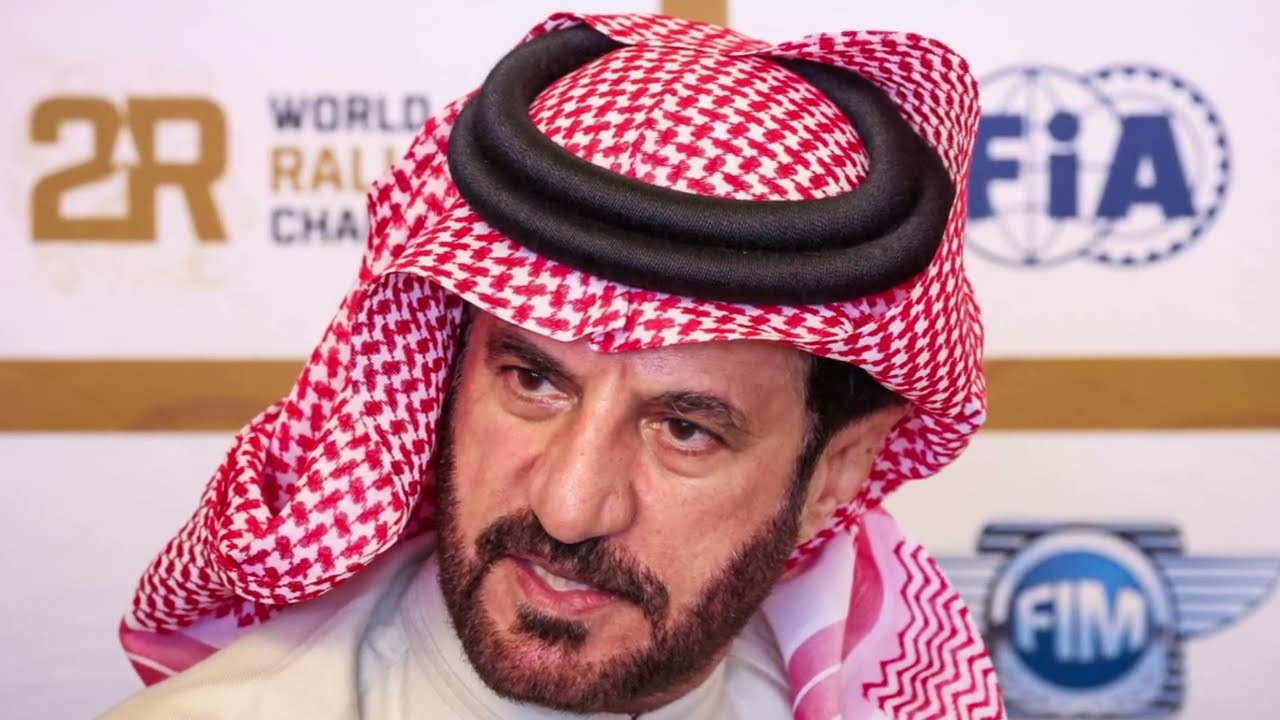
The “Slate” Strategy
To understand Ben Sulayem’s victory, one must first understand the unique hurdles of an FIA presidential bid. Unlike many democratic elections where an individual runs on their own merit, an FIA presidential hopeful must propose a complete “cabinet” or list of key deputies at the time of application.
According to the statutes, a candidate must submit a slate that includes a President of the Senate, a Vice President for Automobile Mobility and Tourism, and a Vice President for Sport. But the requirement that proved fatal to any potential opposition was the mandate for Regional Vice Presidents.
A valid presidential team must include seven Vice Presidents for Sport, drawn from specific regions: Europe, the Middle East, Africa, North America, Asia-Pacific, and South America. This rule is designed to ensure global representation. However, in the 2025 election cycle, it became the ultimate weapon of exclusion.
The trap was set months before the election. Potential candidates for these Vice President roles had to apply individually to the FIA to be vetted and approved as eligible candidates for the World Motor Sport Council (WMSC). The deadline for this approval process was September 19, 2025. Once the FIA published the final list of approved candidates, the game was effectively over.
The South American Blockade
When the list of eligible candidates was released, political analysts within the paddock noticed a glaring anomaly in the South America region. There was only one name: Fabiana Ecclestone.
Fabiana Ecclestone, the Brazilian Vice President for Sport and wife of former F1 supremo Bernie Ecclestone, was the sole approved candidate eligible to fill the South American slot on a presidential ticket. This created a bottleneck of singular influence. Under FIA rules, a Vice President candidate can only appear on one presidential list. You cannot hedge your bets; you pick a horse and ride it.
Fabiana Ecclestone had already made her choice clear. In a signed support letter endorsed by all 11 motorsport presidents of South America, she pledged her loyalty to Mohammed Ben Sulayem’s re-election bid.
This move effectively checkmated any potential rival. Even if a charismatic challenger—rumors had swirled around names like David Richards or other industry titans—had wanted to run, they faced a mathematical impossibility. To run, they needed a South American Vice President. The only eligible South American was Fabiana Ecclestone. Fabiana Ecclestone was already locked into Ben Sulayem’s list.
Therefore, no other candidate could form a valid team. The “South American Wall” had been built, and the gate was locked from the inside.
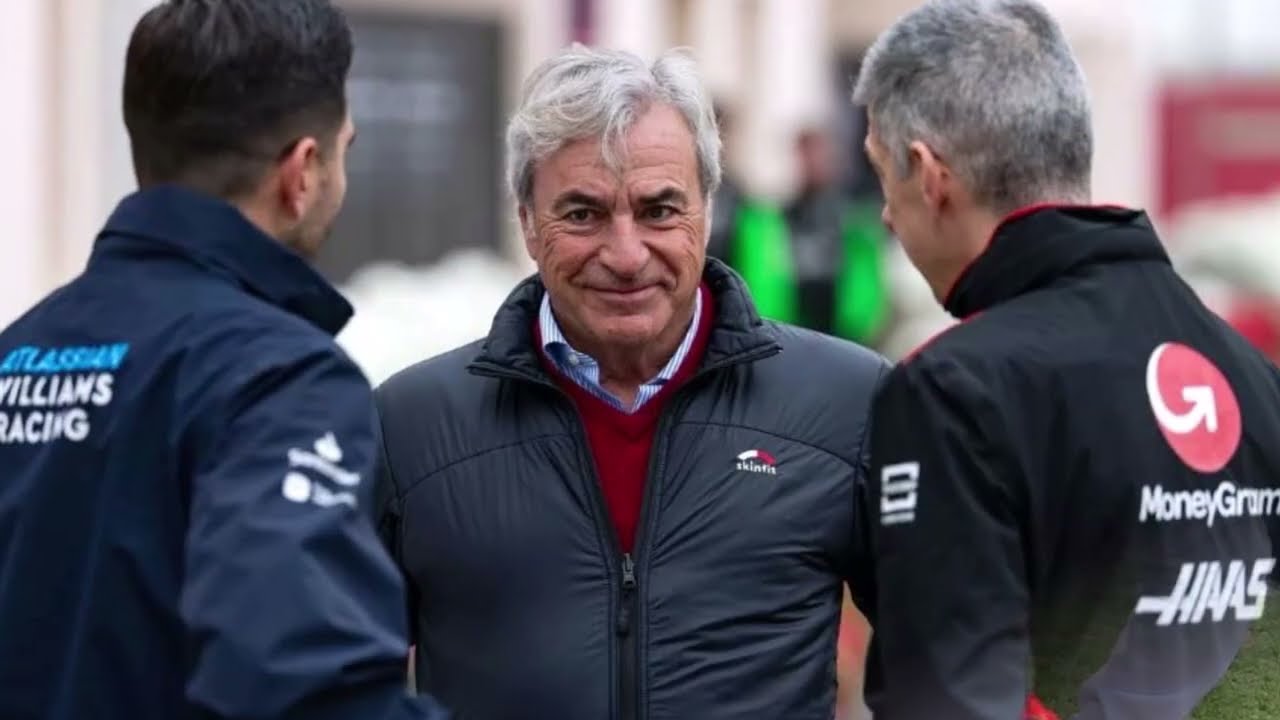
A Victory of Procedure over Popularity
The brilliance of this strategy lies in its use of the procedural calendar. By the time the application window for the presidency opened in October (the 3rd to the 24th), the pool of eligible teammates had already been frozen back in September. The opposition, perhaps waiting for the right moment to announce a challenge, found themselves defeated by a deadline that had passed weeks prior.
It renders the criticisms regarding management style moot in the context of the election. Whether staff were resigning in protest or being fired for dissent ultimately did not matter for the vote. The “electorate”—the member clubs—never had to make a difficult choice between continuity and change because “change” was never allowed to appear on the ballot.
The Ecclestone Factor
The prominent role of Fabiana Ecclestone in this political drama adds a layer of historical irony. For decades, her husband Bernie Ecclestone ruled Formula 1 with an iron fist, famously navigating the shark tank of motorsport politics with wit and ruthlessness. Now, in a different era, the Ecclestone name has once again proven pivotal in deciding the leadership of the sport, albeit through the FIA’s structures rather than the commercial rights holder.
Her consolidation of the South American bloc was total. The fact that not a single other candidate from the continent was put forward—or approved—suggests a level of regional coordination that is rare in global sports governance. Whether this was due to genuine support for her work in the region or a calculated strategic alignment with the incumbent is a matter for historians. The result, however, is indisputable.
Looking Ahead: The Next Four Years
With his mandate secured in Tashkent, Mohammed Ben Sulayem enters his second term emboldened. The “unbeatable” label is now fact, not hyperbole. He has survived the storm of 2024 and emerged with his grip on power tighter than ever.
However, the challenges that plagued his first term remain. The FIA is still hemorrhaging senior talent. The relationship with Formula 1 Management (FOM) remains fraught with tension over commercial rights and regulatory control. The drivers are increasingly vocal about their dissatisfaction with what they perceive as micromanagement of their behavior.
Yet, as the delegates depart Uzbekistan, the message from the top is clear: The President is here to stay. The opposition has been outmaneuvered not on the racetrack, but in the committee rooms. For the next four years, the world of motorsport will continue to march to the beat of Mohammed Ben Sulayem’s drum—a rhythm secured by a single, unbreakable link in South America.
As the dust settles on this “election that wasn’t,” one thing is certain: In the high-speed world of Formula 1, the most dangerous moves often happen at zero miles per hour.
News

Inside Shane Richie’s love life: Drug – fuelled orgy with six blondes; real reason he split from Coleen Nolan; six-year ‘affair with fan’
Inside Shane Richie’s love life: Orgy with six blondes; real reason he split from Coleen Nolan; six-year ‘affair with fan’ He’s popular with the ladies… Shane Richie…

SH0CKING REVELATI0N:A sh0cking behind-the-scenes secret revealed about Lizzie Rizzini, the woman replacing Carol Kirkwood on the 6pm weather bulletin
BBC viewers still reeling from the departure of Carol Kirkwood got another surprise last night when presenter Lizzie Rizzini appeared to flash her black lace stockings on…

HEARTBREAKING: Peter Andre’s Tearful Message to Son Junior After SHOCKING Revelation About How He Truly Feels Toward Mum Katie Price — Katie Price’s reaction scares fans.
Peter Andre’s emotional message to son Junior after it’s revealed how he really feels about mum Katie Pri… PETER Andre has shared an emotional message to his…
Ben Shephard opens up about the devastating health battle his wife is facing: “She wakes up crying every single morning…”
Inside This Morning Ben Shephard’s Life Including Rarely Seen Wife and Health Battle Ben Shephard is a name synonymous with British television, renowned for his engaging presentation…
🚨 LIVE TV HEARTBREAK: Good Morning Britain Host Announces ‘Devastating’ Dɘath of Guest Minutes Into Show
Viewers of Good Morning Britain were met with heartbreaking news just minutes into Friday’s (January 30) episode, as co-hosts Kate Garraway and Ranvir Singh reported the tragic…

Emmerdale legend Cain Dingle will never be the same again after a shock cancer diagnosis turns his world upside down
FROure Desk. Full Terms and conditions are available on the website http://www.itv.com/presscentre/itvpictures/terms Emmerdale wouldn’t be Emmerdale without the glowering, grunting embodiment of manliness that is Cain Dingle (Jeff Hordley) But…
End of content
No more pages to load






