In the high-octane, billion-dollar world of Formula 1, drivers often come and go as polished products of corporate academies. They are coached in PR, shielded by massive wealth, and ushered into the sport through well-paved pathways. Then, there is Fernando Alonso. To understand the “Alonso Phenomenon” is to understand a story that defies the modern logic of the paddock. He is a driver who didn’t just participate in eras; he bridged them, outlasted them, and occasionally burned them down. As we look at the current grid of young, driven simulators, it becomes increasingly clear: the mold for a man like Fernando Alonso has been broken.
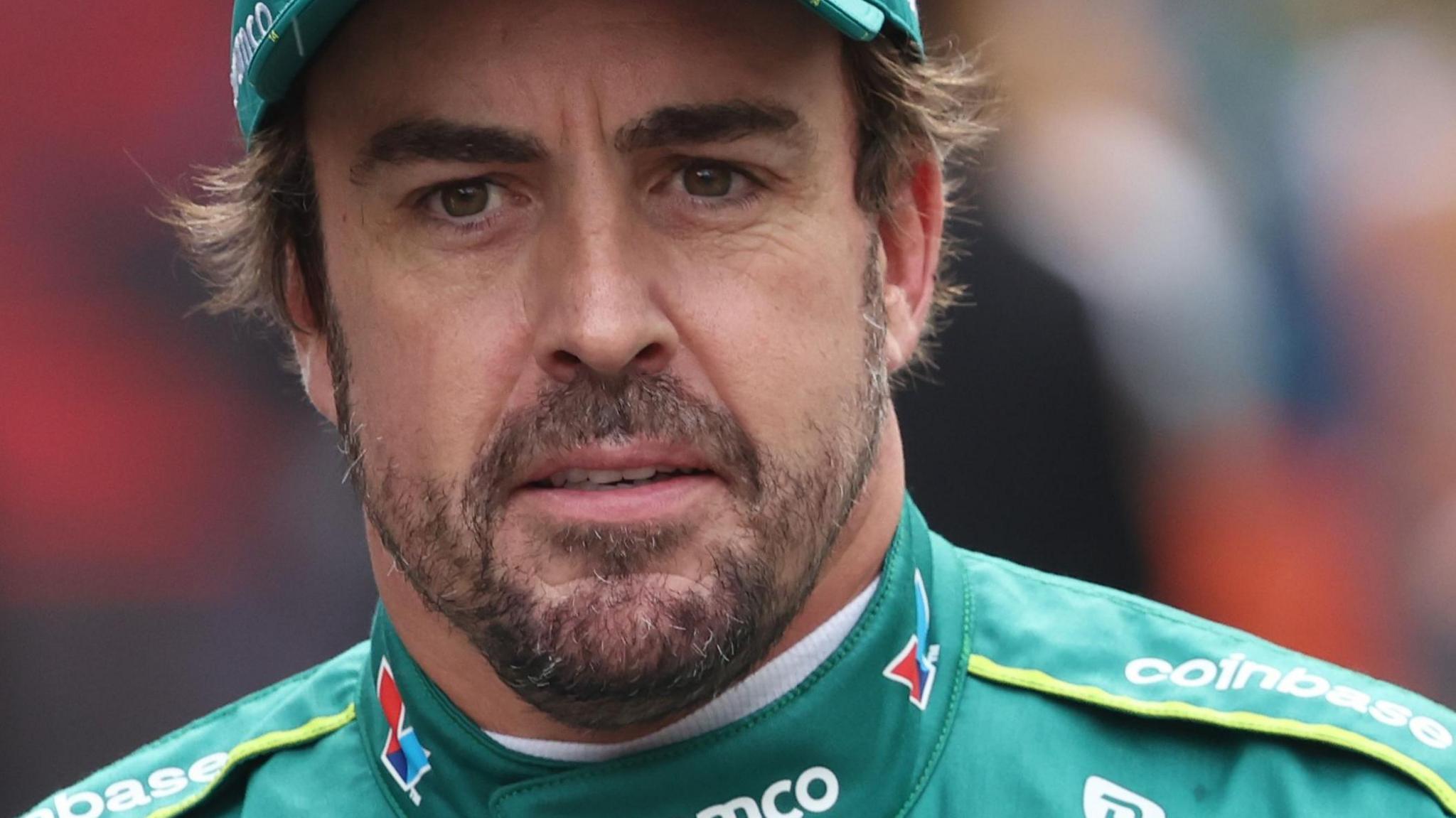
The story of “El Nano” did not begin under the bright lights of a prestigious racing school. It began in a modest garage in Oviedo, Spain. His father, a humble factory mechanic, built a go-kart out of discarded parts because the family couldn’t afford a professional one. His mother, working exhausting night shifts at a department store, hand-stitched his first racing suit. There was no Spanish “National Program” to support him because, at the time, Spain was a motorsport wasteland. This lack of infrastructure didn’t hinder Alonso; it forged him. By age three, he was navigating makeshift tracks in the rain, demonstrating a cold, calculating precision that would eventually terrify the greatest champions in history. This humble beginning is the cornerstone of his identity—a man who fought for every millimeter of asphalt because nothing was ever handed to him.
By the mid-2000s, Formula 1 had become a predictable, almost monotonous affair. Michael Schumacher and Ferrari were a relentless machine of perfection, crushing the spirits of rivals for five consecutive years. The sport was desperate for a disruptor, and in 2005, that disruptor arrived in a blue and yellow Renault. At just 24, Alonso became the youngest World Champion in history, following it up with a second title in 2006. He didn’t just beat Schumacher; he out-thought him. Alonso brought a “chess-master” mentality to the cockpit, managing tires, fuel, and psychological pressure with a maturity that bordered on the supernatural. He made F1 human again, replacing mechanical dominance with raw, Spanish passion.
However, the path to becoming a legend is rarely a straight line. If the Renault years were his ascent, the 2007 season at McLaren was his trial by fire. It was supposed to be a dream pairing—the reigning double champion joining one of the sport’s most iconic teams. Instead, it devolved into a civil war. The emergence of a young Lewis Hamilton and the internal politics of team boss Ron Dennis created a toxic environment that culminated in the infamous “Spygate” scandal. Alonso felt betrayed, treated like a visitor in his own house. While the media painted him as the villain, those who looked closer saw a man of immense pride who refused to be a secondary character in someone else’s story. That season changed him; he walked away from McLaren not as a defeated man, but as a rebel who would rather fight in the midfield than be a puppet for the elite.
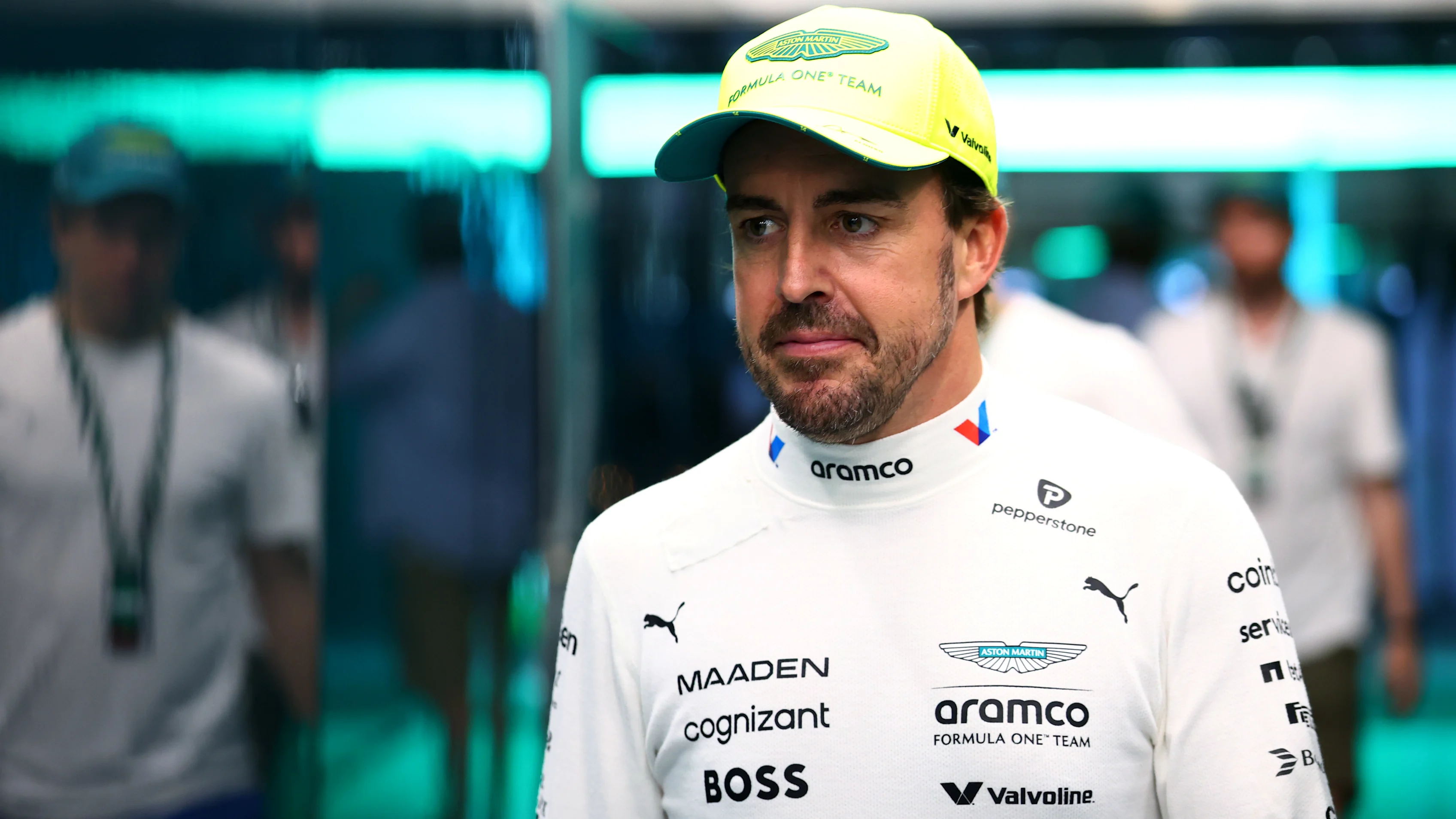
Then came the Ferrari era—a period defined by what can only be described as “beautiful tragedy.” When Alonso donned the red suit in 2010, the Tifosi saw him as their savior. For five years, he performed miracles in cars that had no business being at the front of the grid. His 2012 season is still regarded by experts as the greatest single-season performance by any driver in history. He extracted magic from mediocrity, leading the championship against a dominant Red Bull team through sheer force of will. Yet, destiny was cruel. Between strategy blunders in Abu Dhabi and a few points’ difference in Brazil, the third title remained elusively out of reach. The image of Alonso slumped in his cockpit after the 2012 finale remains one of the most heartbreaking moments in sports history. He had given Ferrari his soul, but the machinery couldn’t match his heartbeat.
The following years at McLaren-Honda were perhaps his most difficult, yet they cemented his legacy as a fighter. Driving a car that was “embarrassing” and powered by what he famously called a “GP2 engine,” Alonso never stopped pushing. While other champions might have checked out or retired, Alonso treated every P15 finish like a battle for the lead. His frustration was vocal, but his work ethic was undeniable. When he finally walked away from F1 in 2018, many thought it was the end. But a predator doesn’t stop hunting just because the terrain changes. He conquered Le Mans twice, braved the sands of the Dakar Rally, and nearly took the Triple Crown at the Indy 500. He wasn’t chasing trophies; he was chasing the feeling of being alive behind a wheel.
His return to the grid in 2021 with Alpine, and his subsequent move to Aston Martin in 2023, has been nothing short of a miracle. In a sport that usually retires drivers by their mid-30s, a 40-plus-year-old Alonso is still schooling the new generation. His defense against Hamilton in Hungary 2021 and his string of podiums in the green Aston Martin have proven that talent does not have an expiration date. He has evolved from the angry rebel to the “Wise Warrior”—still fierce, still cunning, but now carrying the weight of two decades of experience. He is the bridge between the analog era of V10 engines and the digital era of hybrid power.
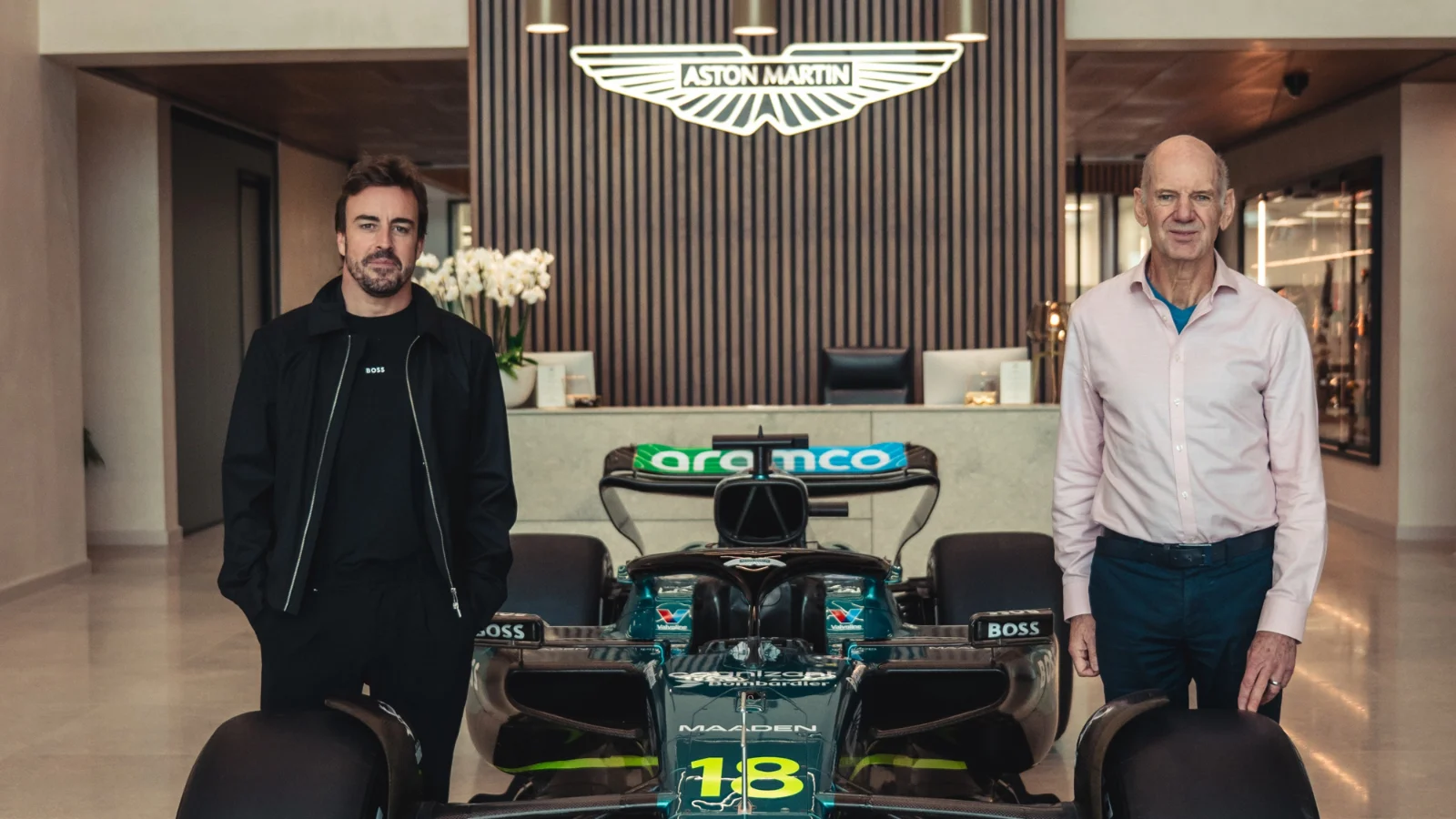
Why will there never be another Fernando Alonso? Because the modern racing world doesn’t allow for such “imperfection.” Today’s drivers are too protected, too managed, and often too similar. Alonso represents a brand of “pure racing” that values instinct over algorithms. He is a reminder that greatness isn’t just about how many times you win; it’s about how many times you get back up after being broken. He didn’t need the fastest car to prove he was the best; he proved it by surviving every storm and outlasting every rival. As he once said, he doesn’t race because he loves to win—he races because he loves to drive. And in that simple distinction lies the soul of a legend. Fernando Alonso may not have ruled the record books forever, but he ruled the hearts of everyone who believes that the human spirit is still the most powerful engine on the track.






