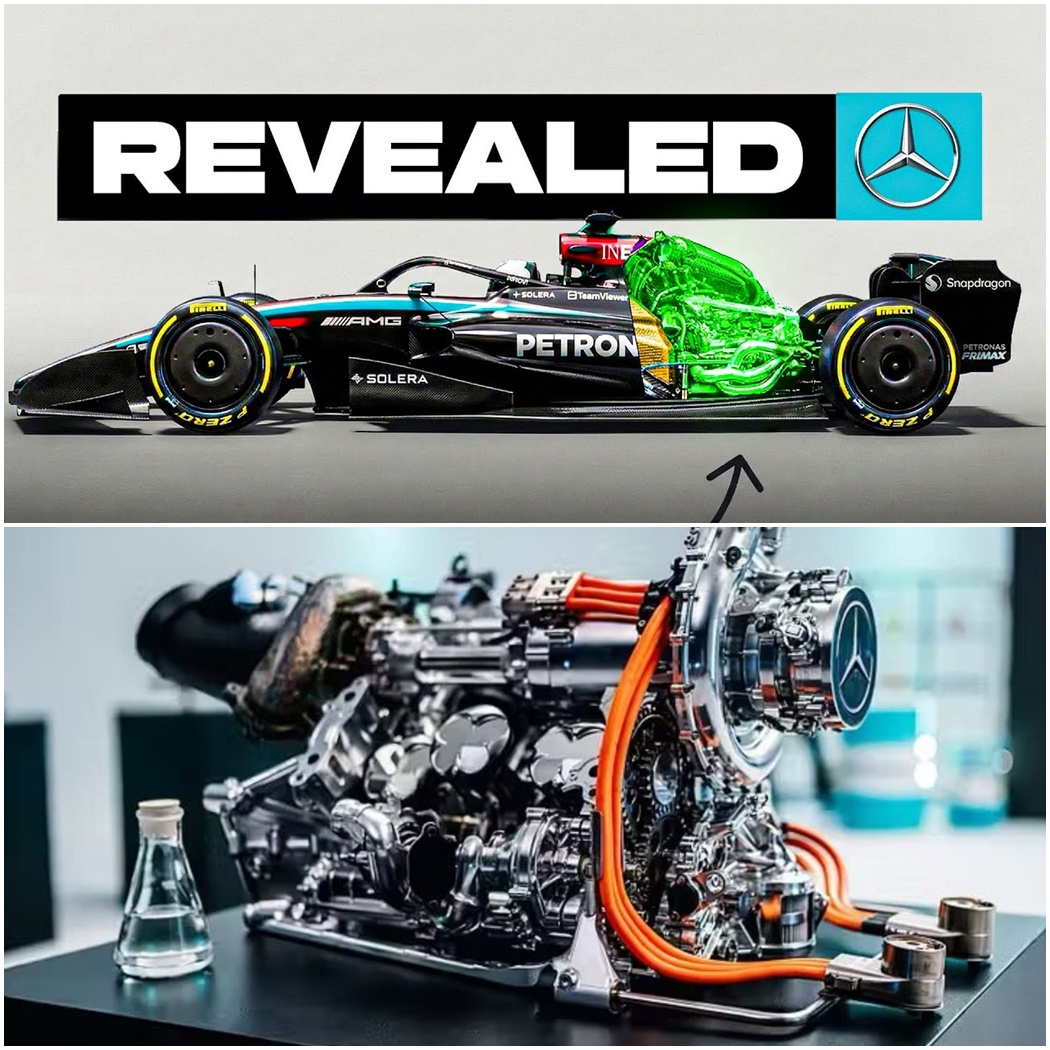
In the high-stakes world of Formula 1, the race doesn’t start when the lights go out on Sunday. It begins years in advance, deep within the fortified walls of engine factories and the hushed corridors of team HQs. Right now, the sport is hurtling toward its most radical transformation in decades: the 2026 engine regulations. But beneath the technical jargon of kilowatts and sustainable fuels lies a much darker, more human story. It is a calculated battle of corporate survival, where engineering takes a backseat to psychological warfare, and where the line between a “magic engine” and a “PR bluff” is dangerously thin.
The 10% Engineering, 90% Mind Game
To understand the friction currently sparking between Mercedes and Red Bull, one must look past the headlines and into the cold, hard reality of the new rules. The 2026 regulations are not just a tweak; they are a revolution. The sport is moving to a 50/50 power split between the Internal Combustion Engine (ICE) and the Energy Recovery System (ERS). To put this sheer scale into perspective, the current electric motor (MGU-K) produces roughly 120 kilowatts (160 horsepower). In 2026, that figure will skyrocket to 350 kilowatts—nearly 470 horsepower.
This tripling of electrical output comes with a brutal catch: the removal of the MGU-H, the complex component that historically bridged the gap between the turbo and the battery. Its absence creates an enormous engineering void, a mountain that every manufacturer must climb. But while the engineers crunch the numbers, the team principals are playing a different game.
The current atmosphere in the paddock suggests that the engine war is currently 10% engineering and 90% psychological warfare. Mercedes, a team currently fighting to regain its footing on the track, is furiously protecting its legacy. Red Bull, conversely, is fighting to build one from scratch.
The “Empty Can” Accusation
The tension reached a boiling point recently when Ben Hodgkinson, the Technical Director at Red Bull Powertrains, threw a verbal grenade into the mix. Hodgkinson is no outsider; he spent 20 years at Mercedes, intimately learning how their machine operates. When he described Mercedes’ current hype as “an empty can that rattles the loudest,” he wasn’t just hurling a playground insult. He was pointing out a strategic shift.
In the glory days of the hybrid era, specifically 2014, Mercedes’ superiority was a closely guarded secret, hidden until the cars first rolled out for qualifying. Today, however, the “buzz” of a dominant Mercedes engine is being cultivated years in advance. Why? Because fear is a currency.
Mercedes is utilizing its historical dominance as a psychological shield. By allowing rumors to circulate that they have “cracked the code” for 2026, they maintain their status as the destination of choice for elite engineers. It is a brilliant, albeit cynical, strategy to stabilize a team that has been bleeding talent—specifically to Red Bull. If you can convince the world you’ve already won, the best minds will want to join you. But as Hodgkinson hints, if you truly had a 50-horsepower advantage on the dyno right now, you would move heaven and earth to keep it quiet, lest the FIA step in and move the goalposts.
The “Frankenstein” Nightmare
While Mercedes plays the quiet game, Red Bull has been vocal—perhaps too vocal—about the technical perils of 2026. Christian Horner has famously referred to the potential 2026 machines as “Frankenstein cars,” predicting a scenario where drivers run out of battery power halfway down the straight.
This is not just hyperbole; it is based on the “clipping” phenomenon. Without the MGU-H to harvest energy from exhaust heat, the burden falls entirely on braking regeneration. Red Bull’s simulations suggest that on high-speed tracks like Monza, the battery will simply run dry. The result? A catastrophic loss of speed, potentially slowing cars by 30 to 40 km/h while still on the straight, forcing drivers to downshift bizarrely to recharge.
Red Bull’s aggressive push for active aerodynamics to reduce drag is a direct response to this fear. But the silence from the Mercedes camp is telling. If Mercedes isn’t complaining, it implies one of two things: either they are blissfully arrogant, or they have found a way to mitigate this clipping through superior energy management software.
The Hidden Chemistry of Survival
The battleground for 2026 isn’t just mechanical; it is chemical. The regulations demand a reduction in fuel flow from 100 kg/hour to roughly 70-80 kg/hour, all while using 100% sustainable fuels. This forces the engine to produce similar power levels while sipping 30% less fuel.
This is where the partnerships with fuel suppliers become the defining factor. It is a “hidden race” run behind closed doors. Mercedes, with its long-standing partner Petronas, and Red Bull, with its new alliance with Aramco and Ford, are locked in a duel of combustion chemistry. The goal is to optimize knock resistance and energy density. If Mercedes has found a fuel blend that burns cleaner and faster, allowing for a leaner mixture, they gain a massive strategic advantage that no amount of aerodynamics can overcome. This data will never be public, but it is the heartbeat of the 2026 era.
The $1 Billion Gamble: Ford vs. The Establishment
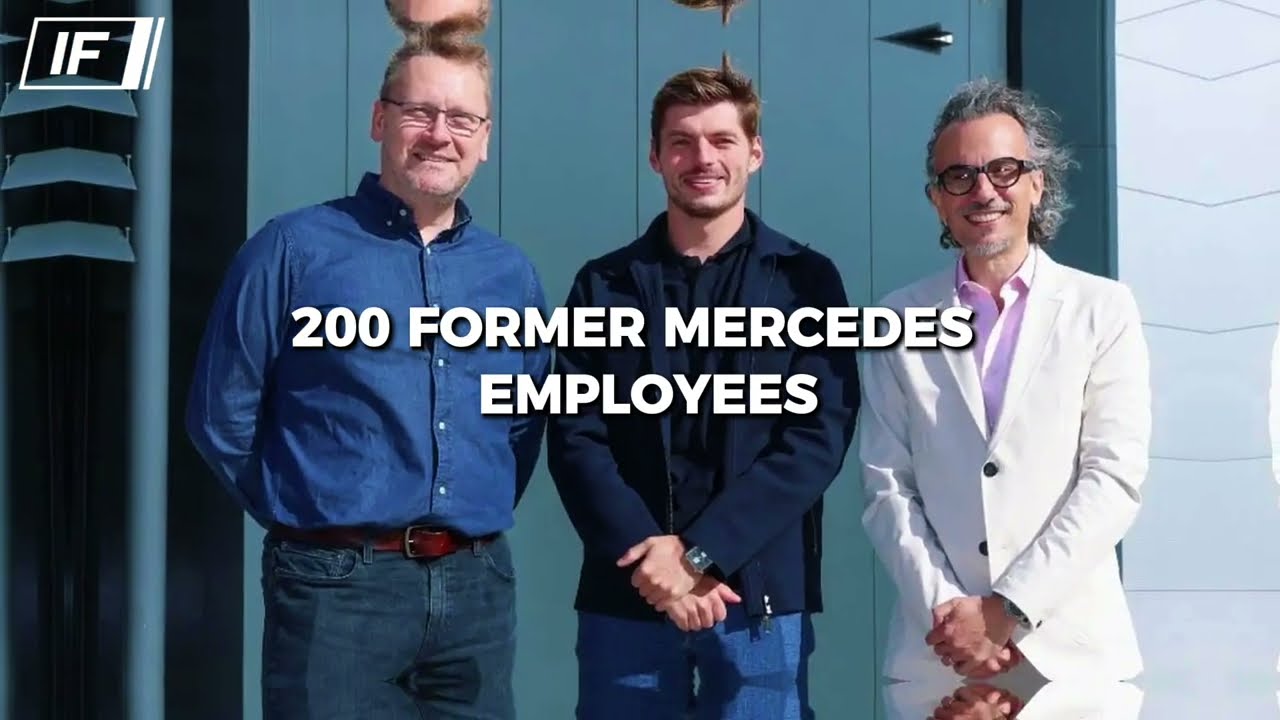
We must look at Red Bull’s position with a degree of empathy. For the first time since 2005, they are masters of their own destiny, building an engine in-house at a state-of-the-art factory in Milton Keynes. They have hired over 200 former Mercedes employees, a massive transfer of intellectual property and experience. But the pressure is monumental.
The partnership with Ford brings industrial scale and high-volume battery knowledge, but it lacks the one thing Mercedes has in spades: a decade of specific hybrid integration data stored in their servers. Mercedes knows how these systems breathe and react in the heat of battle. Red Bull is learning to walk while trying to run a marathon.
Toto Wolff’s “glass-half-empty” approach contrasts sharply with Red Bull’s bravado. By constantly downplaying Mercedes’ chances and pointing to rivals like McLaren, Wolff is lowering the bar—a classic under-promise and over-deliver tactic. If Mercedes dominates in 2026, it’s a miracle. If they are mid-pack, he warned us. It is a safety net that Red Bull, with its aggressive posture, does not have.
Max Verstappen: The Ultimate Barometer
Amidst the corporate posturing and technical debates, one human element stands out: Max Verstappen. The reigning champion has stated he is not an engine technician, but his role is pivotal. His feedback on the simulator is the reality check for the entire project.
If the 2026 car feels undrivable—if the power cuts out unpredictably or the engine feels sluggish—Max will be the first to know. His current relative silence is the most interesting data point of all. It suggests he hasn’t seen anything yet that truly alarms him, or he is keeping his cards incredibly close to his chest. The moment rumors start of Max looking at other seats is the moment we know the Red Bull engine project is in genuine trouble.
Conclusion: A New Era of Dominance?
Ultimately, the 2026 regulations represent a pendulum swing. We are transitioning from a sport currently dominated by aerodynamics back to one dominated by the powerhouse in the back of the car. The efficiency of the “round trip”—how much energy you can capture, store, and redeploy without losing it as heat—will decide the championships.
If Mercedes has leveraged their experience from the EQ road car program to improve battery cooling and discharge rates, the rumors of their advantage might be real. But Red Bull, backed by Ford and fueled by a desire to prove they can win without a supplier, is a dangerous underdog.
Is Mercedes really ahead? The smart money suggests they hold the edge in system integration, while Red Bull might be matching them in raw performance. But in a formula defined by efficiency, integration is king. As the “Frankenstein” accusations fly and the “empty cans” rattle, one truth remains: the 2026 engine war will not be won on the track in Bahrain. It is being won, or lost, right now, in the silence of the dyno rooms.
News

Inside Shane Richie’s love life: Drug – fuelled orgy with six blondes; real reason he split from Coleen Nolan; six-year ‘affair with fan’
Inside Shane Richie’s love life: Orgy with six blondes; real reason he split from Coleen Nolan; six-year ‘affair with fan’ He’s popular with the ladies… Shane Richie…

SH0CKING REVELATI0N:A sh0cking behind-the-scenes secret revealed about Lizzie Rizzini, the woman replacing Carol Kirkwood on the 6pm weather bulletin
BBC viewers still reeling from the departure of Carol Kirkwood got another surprise last night when presenter Lizzie Rizzini appeared to flash her black lace stockings on…

HEARTBREAKING: Peter Andre’s Tearful Message to Son Junior After SHOCKING Revelation About How He Truly Feels Toward Mum Katie Price — Katie Price’s reaction scares fans.
Peter Andre’s emotional message to son Junior after it’s revealed how he really feels about mum Katie Pri… PETER Andre has shared an emotional message to his…

Ben Shephard opens up about the devastating health battle his wife is facing: “She wakes up crying every single morning…”
Inside This Morning Ben Shephard’s Life Including Rarely Seen Wife and Health Battle Ben Shephard is a name synonymous with British television, renowned for his engaging presentation…

🚨 LIVE TV HEARTBREAK: Good Morning Britain Host Announces ‘Devastating’ Dɘath of Guest Minutes Into Show
Viewers of Good Morning Britain were met with heartbreaking news just minutes into Friday’s (January 30) episode, as co-hosts Kate Garraway and Ranvir Singh reported the tragic…

Emmerdale legend Cain Dingle will never be the same again after a shock cancer diagnosis turns his world upside down
FROure Desk. Full Terms and conditions are available on the website http://www.itv.com/presscentre/itvpictures/terms Emmerdale wouldn’t be Emmerdale without the glowering, grunting embodiment of manliness that is Cain Dingle (Jeff Hordley) But…
End of content
No more pages to load






