In the high-octane world of Formula 1, history is usually written in the bold ink of lap records, championship points, and champagne-soaked podiums. We celebrate the winners, the prodigies, and the record-breakers. But for every meteoric rise that captures the world’s imagination, there is often an equal and opposite reaction—a silent, brutal displacement of those who once stood in the spotlight.
The narrative surrounding Daniel Ricciardo’s career trajectory has long been a subject of intense debate, barstool analysis, and wistful “what ifs.” Most fans remember him as the “Honey Badger”—the smiling assassin with the late-braking maneuvers that defied physics, the man who dragged Red Bull to victory when Mercedes seemed invincible. But a closer look at the timeline reveals a darker, more complex reality. Ricciardo didn’t just lose his form; he lost his ecosystem. And the catalyst for this seismic shift can be traced back to a single, historic afternoon in 2016: Max Verstappen’s first victory at the Spanish Grand Prix.
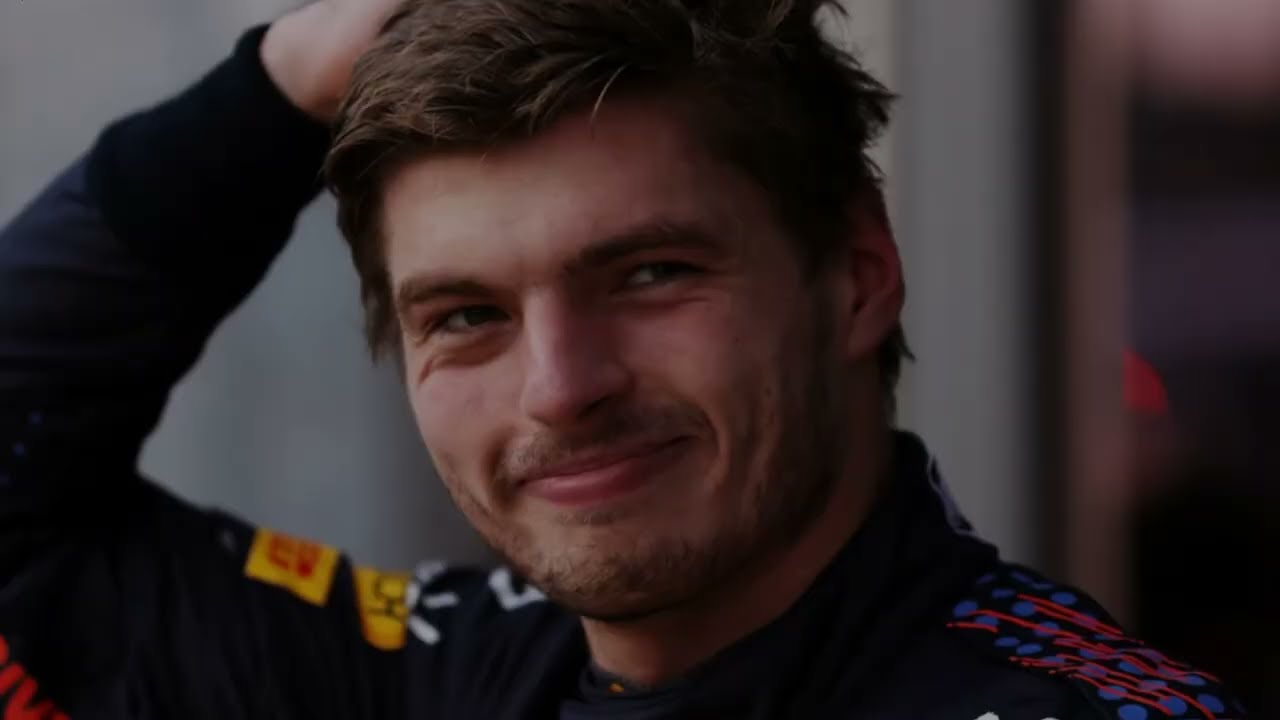
The Day the Philosophy Changed
To understand the tragedy of Ricciardo’s decline, we must first understand the machinery of Red Bull Racing. For years, the team prided itself on its driver academy—a ruthless yet meritocratic grinder that churned out talent. But when they made the controversial call to swap a teenage Max Verstappen into the main seat mid-season in 2016, they weren’t just swapping drivers; they were testing a hypothesis.
Could raw, unpolished speed replace experience? Could a child withstand the pressure cooker of a top team?
When Verstappen won that race on debut, becoming the youngest winner in F1 history, he didn’t just break a record. He validated a new, more brutal philosophy for the team. His win proved that Red Bull didn’t need to build drivers anymore; they could simply plug in a weapon and demand instant domination. That victory lit a fuse. It signaled to the entire organization that the future had arrived ahead of schedule. For Christian Horner and Helmut Marko, the gamble paid off so spectacularly that it became an addiction. The team’s focus instantly narrowed. Speed wasn’t just a metric; it was the only currency that mattered. And in that moment, the currency Daniel Ricciardo held—consistency, leadership, morale—began to devalue.
The Gravitational Shift
Fans often view F1 teams as neutral grounds where two drivers fight with equal equipment. But the reality is far more nuanced. A Formula 1 team is a living organism that adapts to survive. When a driver like Verstappen enters the garage—someone who isn’t just fast, but “structural”—the team naturally begins to bend around him.
This is the “gravity” of Max Verstappen. His driving style is unique, aggressive, and demands a specific car setup. As he began to consistently deliver results that defied the car’s theoretical limits, the engineering feedback loop shifted. The car development path began to favor the nose-heavy, loose-rear characteristics that Max thrives on, characteristics that are notoriously difficult for other drivers to master.
For Ricciardo, this was the beginning of a slow suffocation. He hadn’t forgotten how to drive. He was still the man who made the paddock smile, the guy who could thread a needle at 200 mph. But the environment that had once nurtured his aggressive, instinctive style was changing. He was no longer the architect of the team’s future; he was becoming a tenant in Max’s house.
The video analysis highlights a crucial point that is often overlooked: “Max isn’t just fast; he changes how a team operates.” When the team builds around their sharpest weapon, the second driver is no longer fighting for the championship; they are fighting to remain relevant. Ricciardo, perceptive as ever, felt this shift long before the points tally made it obvious.
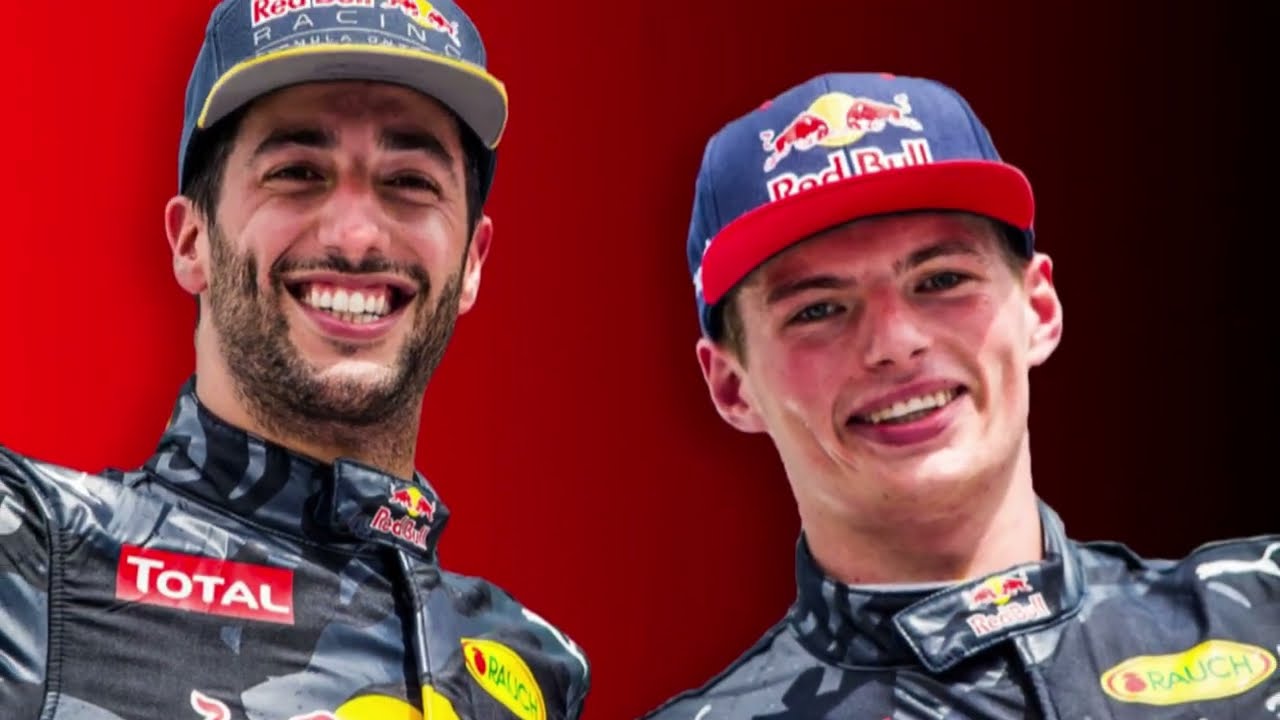
The “Oxygen” Thief
There is a psychological toll to sharing a garage with a generational talent. It’s not just about being beaten on the stopwatch; it’s about the oxygen being sucked out of the room. As Verstappen’s dominance grew, turning Sundays into routine processions, the margin for error for his teammates evaporated.
Ricciardo’s departure from Red Bull is often framed as him running away from a fight. But a more empathetic reading suggests he was running away from a rigged game. He saw the writing on the wall: stay and become the “Mark Webber” to Max’s “Sebastian Vettel,” or leave and try to find a team where he could be the center of gravity again.
He chose the latter. But what Ricciardo—and perhaps the rest of the F1 world—didn’t fully grasp was that the sport itself was changing. The cars were becoming more system-driven, more sensitive, and less reliant on the kind of “hustle” that defined Ricciardo’s best years. By leaving the protective, albeit shrinking, bubble of Red Bull, he exposed himself to teams that lacked the structural competence he was used to.
The tragedy is that Ricciardo’s specific brilliance required a specific environment. He needed a car that spoke clearly to him, a team that fed off his energy, and the confidence that comes from being “The Guy.” Red Bull had been that place. But once Max proved that the team could win without the “fun,” the necessity of Ricciardo’s role vanished. The “fun” was just a bonus; the winning was mandatory.
A Recurring Nightmare
This narrative isn’t unique to Ricciardo; he was simply the first and most high-profile casualty. Look at the graveyard of careers that followed in the second Red Bull seat. Pierre Gasly and Alex Albon both entered that environment and were chewed up and spit out in record time. Why? Because they walked into a team that had already fully crystallized around Max.
They weren’t just fighting for points; they were fighting to protect their identities. In F1, confidence is as critical as aerodynamics. Once a driver starts to question their own instincts—because the car won’t do what they want, or because the team’s strategy always seems to favor the other side of the garage—the downward spiral is almost impossible to stop.
Ricciardo’s career arc is the most painful example because we saw how high the peak was. We saw him beat a four-time world champion in Sebastian Vettel. We saw him win in Monaco with a broken car. We knew he was championship material. But talent alone cannot survive a structural displacement. When the foundation of a building moves, the cracks appear in the walls. Ricciardo was the wall; Verstappen was the shifting foundation.
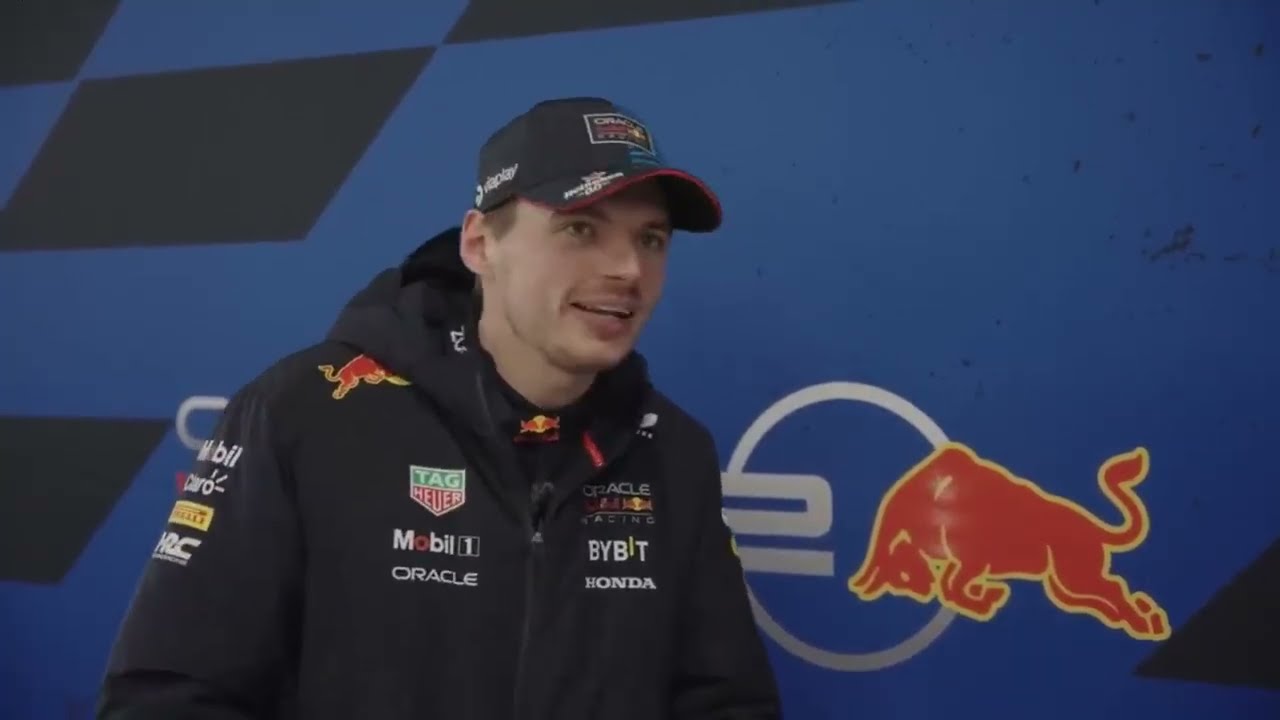
The Verdict: Tragedy or Evolution?
So, we are left with the uncomfortable question posed by the analysis: Did Daniel Ricciardo fail, or did the sport just move on without him?
It is easy to look at his time at McLaren or his brief return to AlphaTauri and say he lost his edge. But that ignores the root cause. The decline didn’t start when he left Red Bull; it started when Red Bull stopped needing him to be their savior. The moment Max Verstappen crossed the line in Spain in 2016, the timeline split. In one reality, Ricciardo remained the face of the team. In our reality, he became the “what could have been.”
F1 is not a fairytales sport. It doesn’t care about personalities, smiles, or “Drive to Survive” popularity. It cares about ruthless efficiency. Max Verstappen brought a level of efficiency that rendered the old ways obsolete.
Ultimately, Daniel Ricciardo’s career stands as a testament to the brutal nature of elite sports. You can be world-class, you can be beloved, and you can be fast. But if you are standing in the path of a juggernaut, you will be moved. The “Honey Badger” didn’t lose his fight; he just lost his battlefield. And as we watch Sergio Perez or whoever comes next struggle in that second seat, we are watching the echoes of a story that began on a sunny afternoon in Spain, nearly a decade ago.
The legacy of Max’s first win isn’t just a trophy in a cabinet. It is the ghost of the careers that had to die so his era could live.
News

Inside Shane Richie’s love life: Drug – fuelled orgy with six blondes; real reason he split from Coleen Nolan; six-year ‘affair with fan’
Inside Shane Richie’s love life: Orgy with six blondes; real reason he split from Coleen Nolan; six-year ‘affair with fan’ He’s popular with the ladies… Shane Richie…

SH0CKING REVELATI0N:A sh0cking behind-the-scenes secret revealed about Lizzie Rizzini, the woman replacing Carol Kirkwood on the 6pm weather bulletin
BBC viewers still reeling from the departure of Carol Kirkwood got another surprise last night when presenter Lizzie Rizzini appeared to flash her black lace stockings on…

HEARTBREAKING: Peter Andre’s Tearful Message to Son Junior After SHOCKING Revelation About How He Truly Feels Toward Mum Katie Price — Katie Price’s reaction scares fans.
Peter Andre’s emotional message to son Junior after it’s revealed how he really feels about mum Katie Pri… PETER Andre has shared an emotional message to his…

Ben Shephard opens up about the devastating health battle his wife is facing: “She wakes up crying every single morning…”
Inside This Morning Ben Shephard’s Life Including Rarely Seen Wife and Health Battle Ben Shephard is a name synonymous with British television, renowned for his engaging presentation…

🚨 LIVE TV HEARTBREAK: Good Morning Britain Host Announces ‘Devastating’ Dɘath of Guest Minutes Into Show
Viewers of Good Morning Britain were met with heartbreaking news just minutes into Friday’s (January 30) episode, as co-hosts Kate Garraway and Ranvir Singh reported the tragic…

Emmerdale legend Cain Dingle will never be the same again after a shock cancer diagnosis turns his world upside down
FROure Desk. Full Terms and conditions are available on the website http://www.itv.com/presscentre/itvpictures/terms Emmerdale wouldn’t be Emmerdale without the glowering, grunting embodiment of manliness that is Cain Dingle (Jeff Hordley) But…
End of content
No more pages to load






