In the high-octane world of Formula 1, speed is the currency that buys affection. We are hardwired to worship the spectacular: the smoking tires of a qualifying lap, the heart-stopping bravery of a late-braking overtake, and the visceral roar of an engine pushed to its mechanical breaking point. History remembers the daredevils, the drivers who danced on the razor’s edge of catastrophe. But while speed captures the headlines, it is control that captures the championships. And no one understood this cold, hard truth better than Alain Prost.
Prost, often dubbed “The Professor,” remains one of the most enigmatic figures in motorsport history. His legacy is frequently overshadowed by the fiery, spiritual intensity of his arch-rival, Ayrton Senna. Yet, a deeper look into Prost’s career reveals a startling reality: his approach to racing was arguably more dangerous to his competitors than raw speed ever could be. Prost didn’t just beat you; he dismantled the very logic of your race, turning your own aggression into a liability.
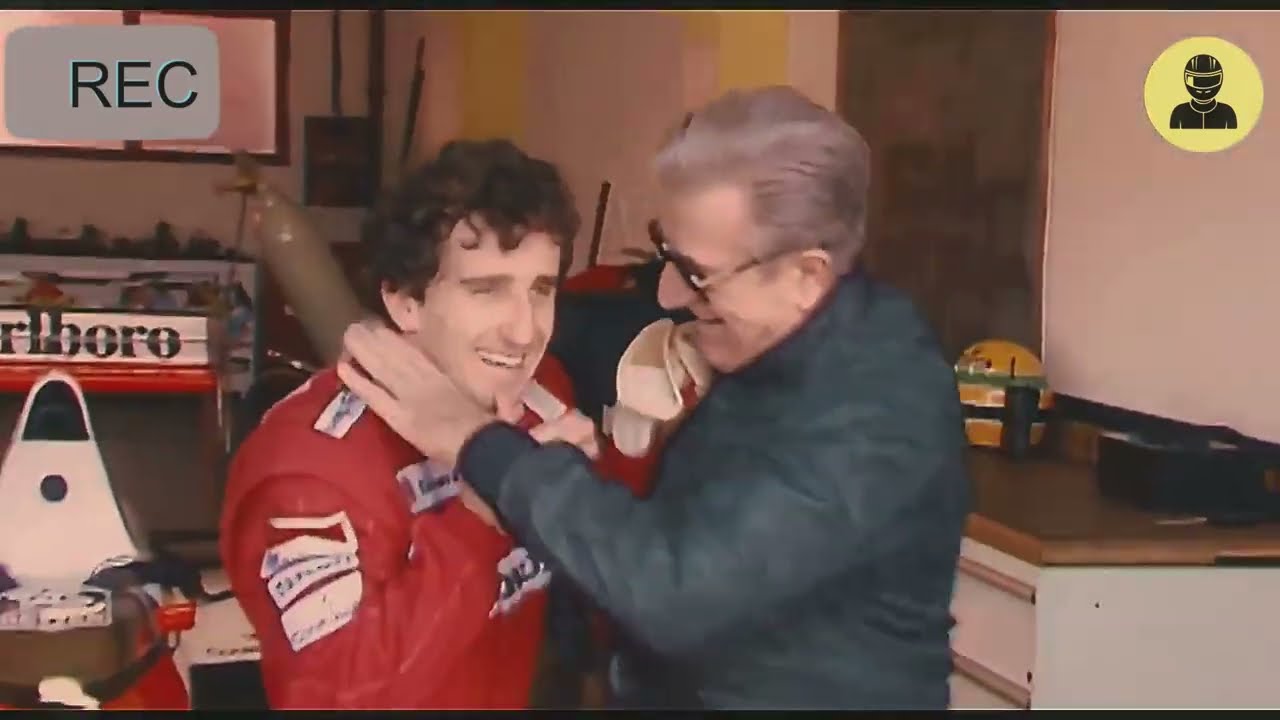
The Philosophy of Risk: Racing as a Problem to be Solved
From the moment he arrived on the grid, Alain Prost treated Formula 1 not as a contest of bravery, but as a complex equation of risk management. In an era defined by mechanical fragility—where turbocharged engines were ticking time bombs and tires were temperamental—Prost realized that the fastest driver was often the first to break down.
His mindset was revolutionary in its pragmatism. He understood that a Grand Prix wasn’t decided in the first corner or by a single “purple sector” on the timing screens. It was decided by the accumulation of small, almost invisible decisions made over the course of 300 kilometers. While his rivals were extracting 100% of the car’s performance at every moment, accepting a high probability of error or failure, Prost was operating at 98%.
This wasn’t a lack of speed; it was a surplus of intelligence. By driving slightly within the limit, he made his performance repeatable. He wasn’t interested in the volatility of brilliance. He was interested in the inevitability of the result. In a sport governed by chaos, Prost introduced the most terrifying variable of all: certainty.
The Art of Invisibility
To the casual observer, watching Alain Prost drive could be underwhelming. There were no dramatic corrections at the steering wheel, no clouds of tire smoke from locked brakes, and rarely any visible wrestling with the car. His driving style was so fluid, so economical, that it often looked slow.
But this “absence of spectacle” was his greatest weapon. Prost’s inputs were a masterclass in mechanical sympathy. He braked earlier than the aggressive late-brakers, but his release of the pedal was so smooth that he carried immense speed to the apex without unsettling the chassis. His throttle application was progressive, caressing the tires rather than punishing them.
This had tangible, race-winning consequences. By reducing the stress on the suspension, gearbox, and tires, Prost drastically reduced the likelihood of component failure. In the 1980s, when cars broke down with frustrating regularity, Prost’s ability to nurse machinery to the finish line was not luck—it was a skill. He wasn’t just driving the track; he was managing the car’s lifespan in real-time.
Lap times that appeared effortless were actually the result of structured execution. He didn’t need to push the car to its jagged edge to be fast. He simply removed the inefficiencies—the wheelspin, the slides, the corrections—that slowed others down. He proved that efficiency, not drama, is what sustains performance.
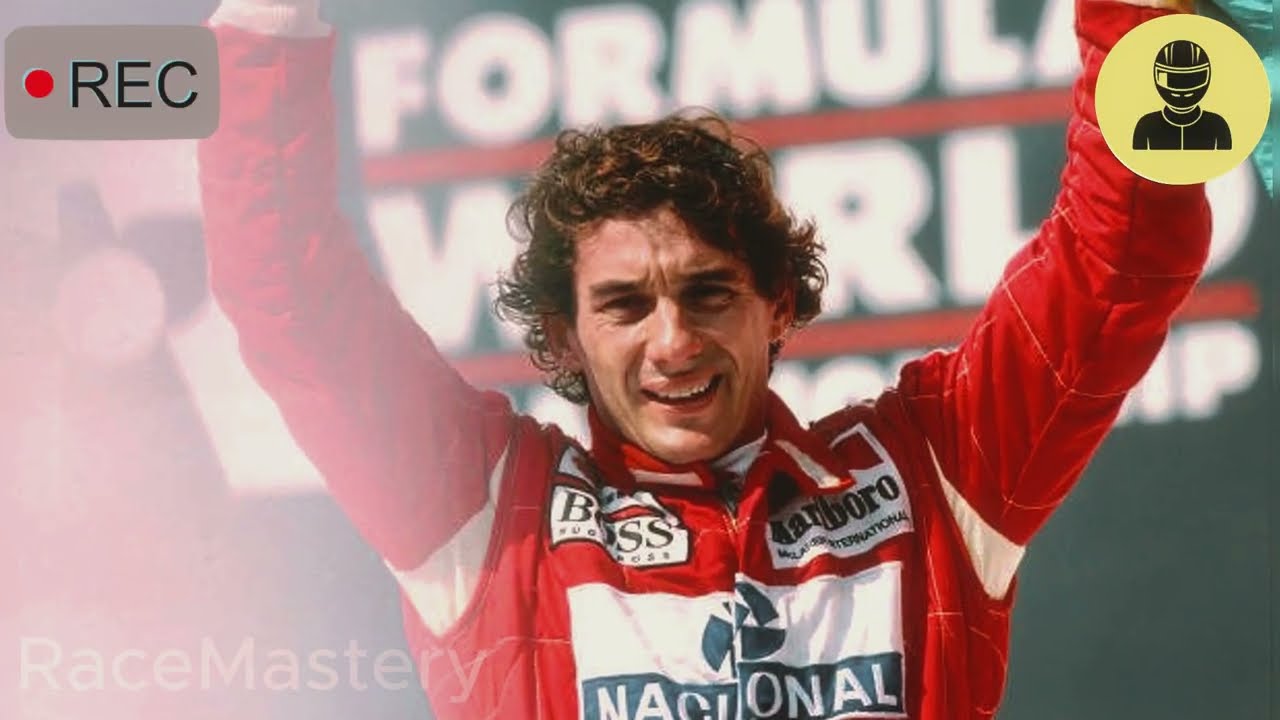
Unsettling Senna: The Weaponization of Consistency
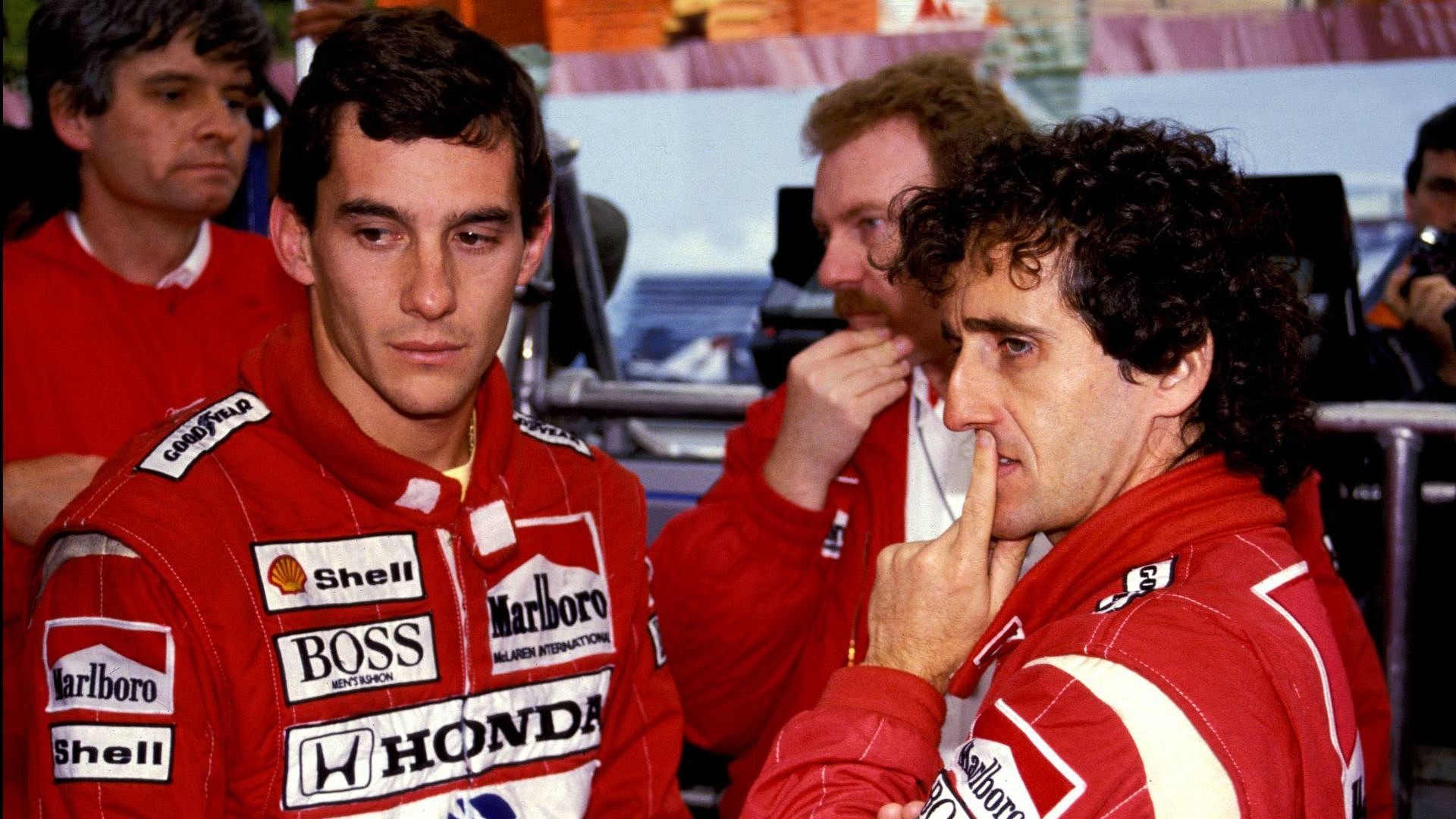
Nowhere was Prost’s philosophy more potent—and more disruptive—than during his legendary tenure at McLaren alongside Ayrton Senna. The late 1980s gave us the greatest rivalry in sport, a clash not just of personalities, but of fundamental ideologies.
Senna was the poet of speed. He sought the limit in a spiritual quest, extracting peak performance in moments of undeniable brilliance. His qualifying laps were religious experiences. Prost, however, approached the same Honda-powered machinery with a cold, calculating objective: maximize the season, not the lap.
In 1988, both drivers annihilated the field, winning nearly every race between them. But the internal dynamic was telling. Senna pursued victory with a relentless, almost desperate aggression. He needed to dominate. Prost, conversely, prioritized the long game. He focused on finishing positions, reliability, and points.
This is where Prost’s genius became psychological warfare. By maintaining a relentless, error-free baseline, he forced Senna to take extreme risks to bridge the gap. Prost didn’t need to be faster than Senna to beat him; he just needed to be constantly present in Senna’s mirrors, waiting.
Prost’s consistency denied his rivals any breathing room. If Senna made a mistake, Prost was there. If Senna’s tires faded, Prost was there. If Senna’s engine blew from over-revving, Prost was there. This pressure—the pressure of a rival who simply would not go away—forced competitors into a corner. To beat Prost, you had to drive a perfect race, every single time. And in Formula 1, the harder you try to be perfect, the more likely you are to crash.
Prost didn’t defeat Senna by neutralizing his speed. He defeated him by shaping the conditions under which that speed mattered. He shifted the burden of risk entirely onto the Brazilian, watching calmly as the volatility of “maximum attack” took its toll.
Winning the Slowest Way Possible
There is an old racing adage: “To finish first, first you must finish.” For Prost, finishing was an active achievement. His races were defined by what didn’t happen. Fewer spins. Fewer collisions. Fewer recovery drives.
He turned “staying in the race” into a competitive weapon. In chaotic wet races or high-attrition events, Prost would often recede into the midfield, letting the hotheads eliminate themselves, only to emerge in the lead in the final laps. It wasn’t magic; it was patience.
This approach created an asymmetry in the championship tables. Points lost through crashes are gone forever. Points gained through consistent podiums compound like interest in a bank account. Prost understood that a championship is a war of attrition. You don’t win it by winning every battle; you win it by surviving the war with the most resources left.
The Perfect Exit
Perhaps the ultimate testament to Prost’s control was the way he left the sport. In 1993, returning from a sabbatical to drive for Williams, he didn’t struggle to adapt to the new, tech-heavy era of active suspension and traction control. He mastered it.
He secured his fourth World Championship with the same measured, deliberate style that had defined his rookie years. And then, he did something almost unheard of in elite sports: he stopped.
There was no decline. No sad final season driving for a backmarker team. No erosion of his skills. Prost retired as the champion, on his own terms. He understood that knowing when to stop is just as important as knowing when to push. It was the final, definitive act of control—a man dictating his own destiny rather than letting the sport retire him.
The Legacy of Control
Alain Prost’s legacy is often quieter than Senna’s. He doesn’t have the tragic mythology or the highlight reel of heroic, smoking-tire slides. But his significance to the sport is arguably deeper.
He taught Formula 1 that championships are built on the mundane, unsexy work of consistency. He showed that a driver’s greatest tool is their mind, not their right foot. In a world addicted to the extreme, Prost demonstrated the overwhelming power of the center.
Today, when we look at the driven precision of modern F1, we are looking at a sport made in Prost’s image. He was the first modern driver, the prototype for the analytical champions of the 21st century.
Speed captures our attention. It thrills us and scares us. But as Alain Prost proved time and time again, speed is just a variable. Control is the constant. And in the end, control decides the outcome.
News

Inside Shane Richie’s love life: Drug – fuelled orgy with six blondes; real reason he split from Coleen Nolan; six-year ‘affair with fan’
Inside Shane Richie’s love life: Orgy with six blondes; real reason he split from Coleen Nolan; six-year ‘affair with fan’ He’s popular with the ladies… Shane Richie…

SH0CKING REVELATI0N:A sh0cking behind-the-scenes secret revealed about Lizzie Rizzini, the woman replacing Carol Kirkwood on the 6pm weather bulletin
BBC viewers still reeling from the departure of Carol Kirkwood got another surprise last night when presenter Lizzie Rizzini appeared to flash her black lace stockings on…

HEARTBREAKING: Peter Andre’s Tearful Message to Son Junior After SHOCKING Revelation About How He Truly Feels Toward Mum Katie Price — Katie Price’s reaction scares fans.
Peter Andre’s emotional message to son Junior after it’s revealed how he really feels about mum Katie Pri… PETER Andre has shared an emotional message to his…

Ben Shephard opens up about the devastating health battle his wife is facing: “She wakes up crying every single morning…”
Inside This Morning Ben Shephard’s Life Including Rarely Seen Wife and Health Battle Ben Shephard is a name synonymous with British television, renowned for his engaging presentation…
🚨 LIVE TV HEARTBREAK: Good Morning Britain Host Announces ‘Devastating’ Dɘath of Guest Minutes Into Show
Viewers of Good Morning Britain were met with heartbreaking news just minutes into Friday’s (January 30) episode, as co-hosts Kate Garraway and Ranvir Singh reported the tragic…

Emmerdale legend Cain Dingle will never be the same again after a shock cancer diagnosis turns his world upside down
FROure Desk. Full Terms and conditions are available on the website http://www.itv.com/presscentre/itvpictures/terms Emmerdale wouldn’t be Emmerdale without the glowering, grunting embodiment of manliness that is Cain Dingle (Jeff Hordley) But…
End of content
No more pages to load






