In the high-octane world of Formula 1, fans often obsess over engine horsepower, aerodynamic wings, and the supernatural reflexes of drivers. Yet, there is a singular component that bridges the gap between mechanical genius and the asphalt: the tires. Often dismissed as mere “black circles,” the history of tire manufacturing in F1 is a gripping saga of innovation, corporate warfare, and occasionally, tragedy. Since the championship’s inception in 1950, nine different manufacturers have stepped into the ring, each leaving an indelible mark on the sport.
The Early Pioneers: Continental and Engelbert
The story begins in the mid-1950s with the arrival of Continental. Entering alongside the legendary Mercedes-Benz “Silver Arrows,” Continental achieved immediate, staggering success. Under the guidance of Juan Manuel Fangio, the German manufacturer powered the team to multiple victories in just two seasons, securing world titles with clinical efficiency. However, the 1955 Le Mans disaster—a horrific accident that claimed 84 lives—prompted Mercedes to withdraw from motorsport, ending Continental’s brief but dominant stint.
Simultaneously, the Belgian firm Engelbert was making its mark. Having pioneered zigzag tread designs, Engelbert became the supplier for Ferrari during a pivotal era. While they enjoyed championship glory with Mike Hawthorn, the partnership ended in darkness. During the 1957 Mille Miglia, a tire explosion on Alfonso de Portago’s Ferrari killed the driver, his co-driver, and nine spectators. The resulting legal battle saw Enzo Ferrari and Engelbert executives facing manslaughter charges, a grim reminder of the stakes involved when rubber meets the road.
The American Invasion and the Birth of Slicks
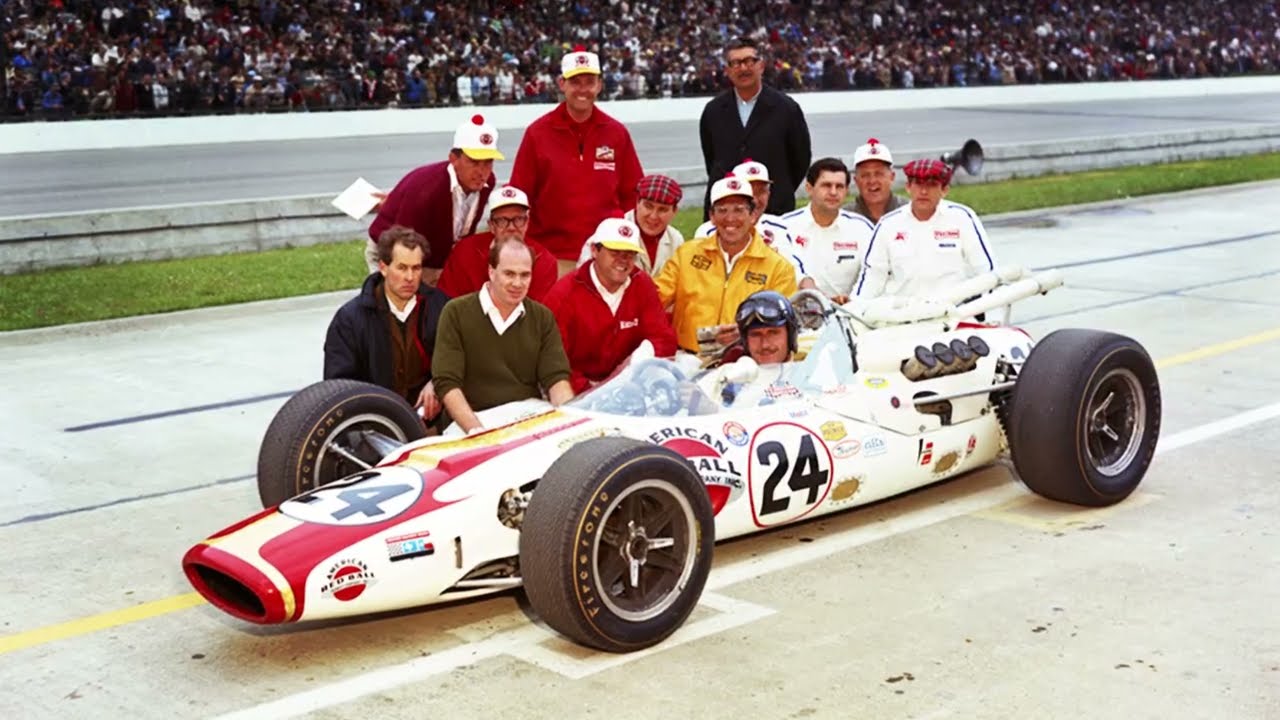
As the sport evolved, American giant Firestone entered the fray. Originally tied to the Indianapolis 500—which was a championship round in the early days—Firestone eventually made a formal full-season entry. They were the architects of one of F1’s greatest revolutions: the introduction of the “slick” tire. By removing the tread, they provided drivers with unprecedented levels of grip on dry tracks, fundamentally changing how cars cornered at high speeds.
However, Firestone’s dominance was challenged by their Ohio neighbors, Goodyear. What followed was the first true “tire war.” Goodyear eventually outlasted Firestone and Dunlop, the latter of which had been the sport’s first exclusive supplier in the early 1960s. Dunlop’s exit was a turning point, as they felt the extreme technology required for racing no longer translated directly to the tires they sold to the general public.
Goodyear’s Reign and the Radial Revolution
For decades, Goodyear was the gold standard, eventually becoming the most successful manufacturer in F1 history with hundreds of wins and dozens of driver titles. But their monopoly was shattered in the late 70s when a French company named Michelin arrived with a radical new idea: the radial tire.
Unlike the traditional cross-ply tires, Michelin’s radial technology featured cord plies at a 90-degree angle to the direction of travel, offering better durability and fuel economy. This sparked a technological arms race that forced Goodyear to reinvent its entire production process. The “tire war” of the late 70s and early 80s saw Michelin and Goodyear trade blows until Michelin’s sudden withdrawal in the mid-80s, leaving Goodyear to dominate once again for most of the 1990s.
The Modern Titans: Bridgestone and the Michelin Fiasco
In the late 90s, the Japanese firm Bridgestone entered F1, specifically tailoring their development to the needs of Michael Schumacher and Ferrari. This partnership ushered in an era of unprecedented dominance, but it also reignited the rivalry with Michelin, who returned to the sport at the turn of the millennium.
This rivalry reached its absolute nadir at the 2005 United States Grand Prix. Due to the abrasive new surface at the Indianapolis Motor Speedway, Michelin’s tires were failing under the extreme loads of the banked final turn. When the FIA refused to install a temporary chicane to slow the cars, all seven Michelin-shod teams withdrew after the formation lap. Only six cars—the Bridgestone runners—started the race, leaving thousands of fans booing in the grandstands. It remains one of the most controversial moments in sporting history and ultimately led to Michelin leaving F1 again shortly after.
The Pirelli Era: Engineering Unpredictability
For over a decade now, Pirelli has been the sole supplier of the Formula 1 grid. Unlike their predecessors, Pirelli was given a unique and difficult task: to intentionally build tires that degrade. The goal was to spice up the show by mandating multiple pit stops and creating “unpredictable” racing through strategic variety.
This philosophy has not been without its critics. High-speed blowouts at tracks like Silverstone forced the manufacturer to constantly update their internal structures and increase tire pressures. From the introduction of the “Hypersoft” to the modern 18-inch rims, Pirelli has had to navigate the transition to hybrid engines and massive increases in aerodynamic downforce. Today, the sport relies on a simplified color-coded system—Red (Soft), Yellow (Medium), and White (Hard)—to help fans track the complex strategies that often decide the winner.
Conclusion
From the early days of natural rubber and cotton fabrics to the carbon-fiber-reinforced, sensor-laden compounds of today, the tire manufacturers of Formula 1 have been the unsung heroes and occasional villains of the paddock. Whether it is Goodyear’s record-breaking longevity, Michelin’s radial revolution, or Pirelli’s quest for tactical variety, these companies have proved that in the world’s fastest sport, the most important component is the one that stays in contact with the earth. As the sport moves toward new technical regulations, the battle for grip, durability, and safety continues, proving that the “Rubber War” is far from over.






