In the high-octane world of Formula 1, securing a seat at Red Bull Racing is widely considered the golden ticket—a chance to drive the fastest car on the grid and compete for championships. However, the recent promotion of Isack Hadjar to become Max Verstappen’s teammate has triggered a wave of concern rather than just celebration. According to F1 legend Damon Hill, this move isn’t just a career milestone; it is potentially the most brutal assignment in the sport. The reality of the “second seat” at Red Bull is far darker than it appears on the surface, serving not as a launchpad, but as a pressure chamber that has quietly dismantled the confidence and reputations of numerous promising drivers before him.
The Impossible Dilemma
The core of the problem lies in the unique and often toxic dynamic of the Red Bull garage. Damon Hill’s assessment is stark: the situation is “impossible.” This isn’t melodrama; it is a historical fact reinforced by the team’s ruthless culture. The second seat is not a partnership in the traditional sense. It is a test, often rigged against the newcomer. Hadjar faces a paradox that feels almost designed to ensure failure.
On one hand, if Hadjar attempts to be the perfect “number two” driver—compliant, supportive, and safe—he risks becoming invisible. In the cutthroat world of F1, being seen as merely “useful” is a one-way ticket to mediocrity. He becomes a tool for the team, easily replaceable when a fresher talent arrives. On the other hand, if he tries to assert himself and fight Verstappen too hard, he risks destabilizing the team. In doing so, he becomes “the problem.” Red Bull has a low tolerance for friction, and history shows they will move on from a disruptive second driver without blinking. This is the trap disguised as an opportunity: a role that demands you be fast enough to help, but not fast enough to threaten the established order.
Max Verstappen: The Center of Gravity
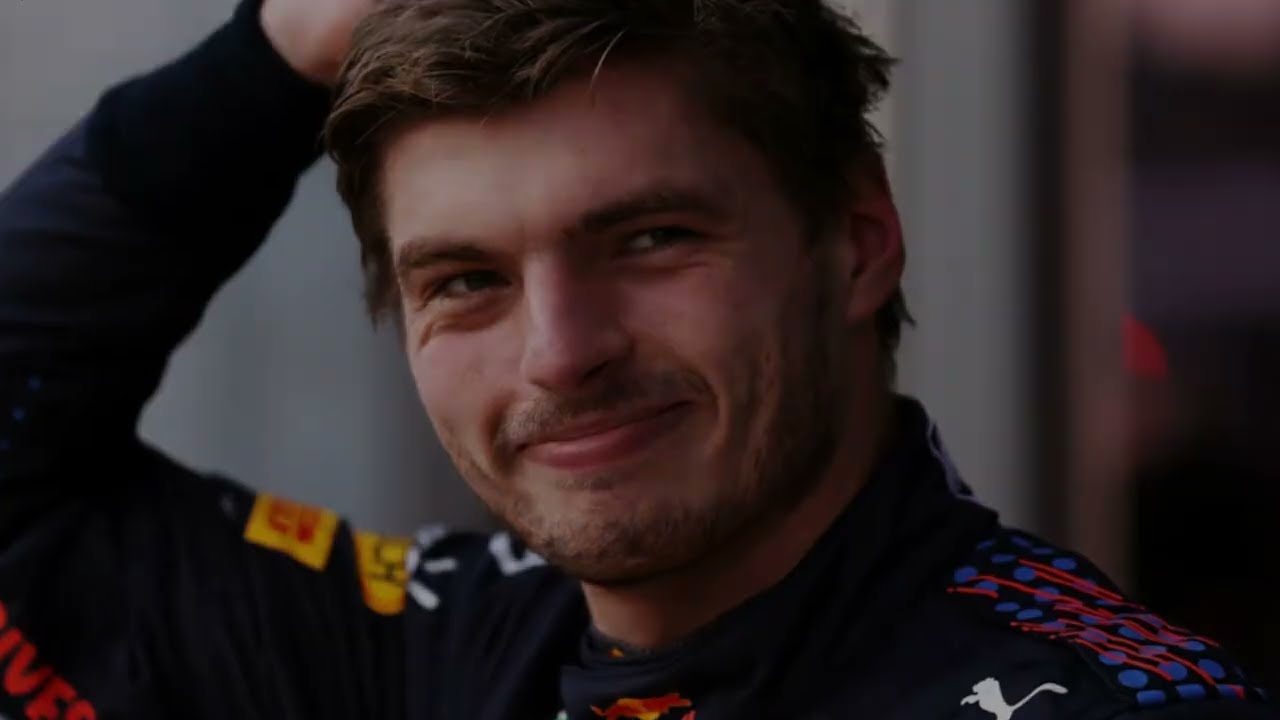
To understand why this job is so dangerous, one must understand the environment. Max Verstappen is not just a driver at Red Bull; he is the center of gravity. The entire team, from engineering to strategy, orbits around him. Damon Hill points out that in this garage, Max rules. Anyone sitting next to him is immediately cast as a supporting act.
This creates a psychological mismatch that is devastating for a rookie. Every young driver spends their entire life believing they are “the next guy”—the main character of their own story. They win in lower formulas, build their egos, and nurture a belief in their own supremacy. But the moment they step into Red Bull, reality hits them like a concrete wall. Their job description shifts overnight from “future champion” to “bodyguard.” They are there to protect the hero who already exists, not to become him.
The comparison is relentless. Performance isn’t measured against the rest of the grid; it is measured against a generational talent who is at the peak of his powers. In this context, margins that would be acceptable elsewhere become catastrophic. A gap of two-tenths is a headline. A quiet weekend is a question mark. A single mistake becomes a narrative about mental fragility. The second seat is a mirror that makes good drivers look average because the reference point is perfection.
The Identity Crisis
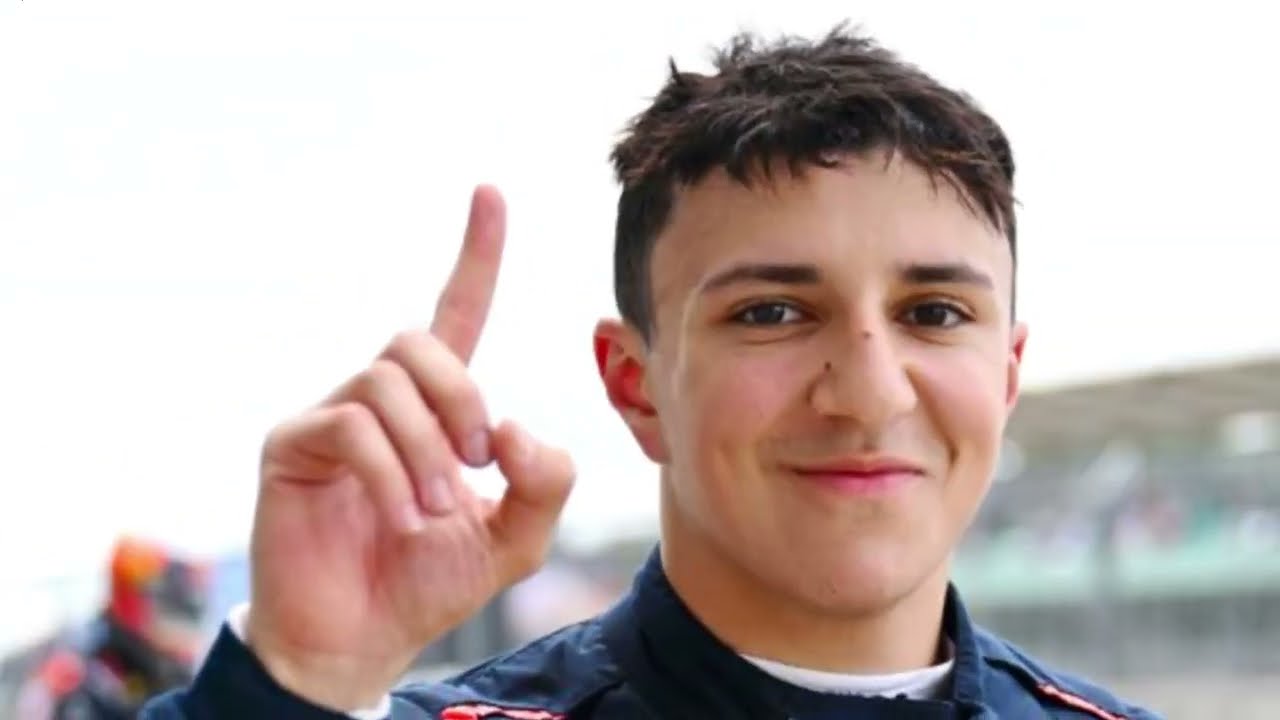
The most brutal aspect of Hill’s analysis is the question of identity. He suggests that for Hadjar to succeed, he effectively has to accept being number two. But here is the twist: would Max Verstappen ever accept that? The answer is an emphatic no. Verstappen’s mindset is built on total dominance and control. He does not exist to support others.
Therefore, Hadjar is being asked to adopt a mentality that his own teammate would reject. This creates a deep internal conflict. If Hadjar believes he is world championship material, how can he accept being a helper? And if he accepts the helper role too easily, does that prove he lacks the killer instinct required to be a champion? It is a “daily identity crisis.”
If he plays it too obediently, he suffers from slow mental erosion. He loses the fear factor that champions possess. If he pushes too hard to prove he is not just a helper, the narrative flips to him being “disruptive.” It is a political knife fight where the newcomer is unarmed.
The 2026 Nightmare Multiplier
Adding to this volatile mix is the timing. Hadjar isn’t just joining a difficult team; he is joining at a moment of impending chaos. The sport is hurtling toward the 2026 regulation reset, which will bring major changes to cars and power units.
Entering a top team during a period of stability is hard enough, but entering during uncertainty is a nightmare. If the new car is tricky or the era becomes unpredictable, the team will naturally rely even more heavily on their proven asset: Verstappen. In times of crisis, teams consolidate around their leaders. This means Hadjar’s freedom to adapt and learn will shrink. He will be forced to adapt to a car developed around Max’s feedback, Max’s preferences, and Max’s driving style.
The uncertainty of 2026 acts as a multiplier for the pressure. Hadjar won’t just be fighting for points; he will be fighting for relevance in a team that may not have the bandwidth to nurture a rookie if they are struggling to get the car right.
Survival of the Smartest
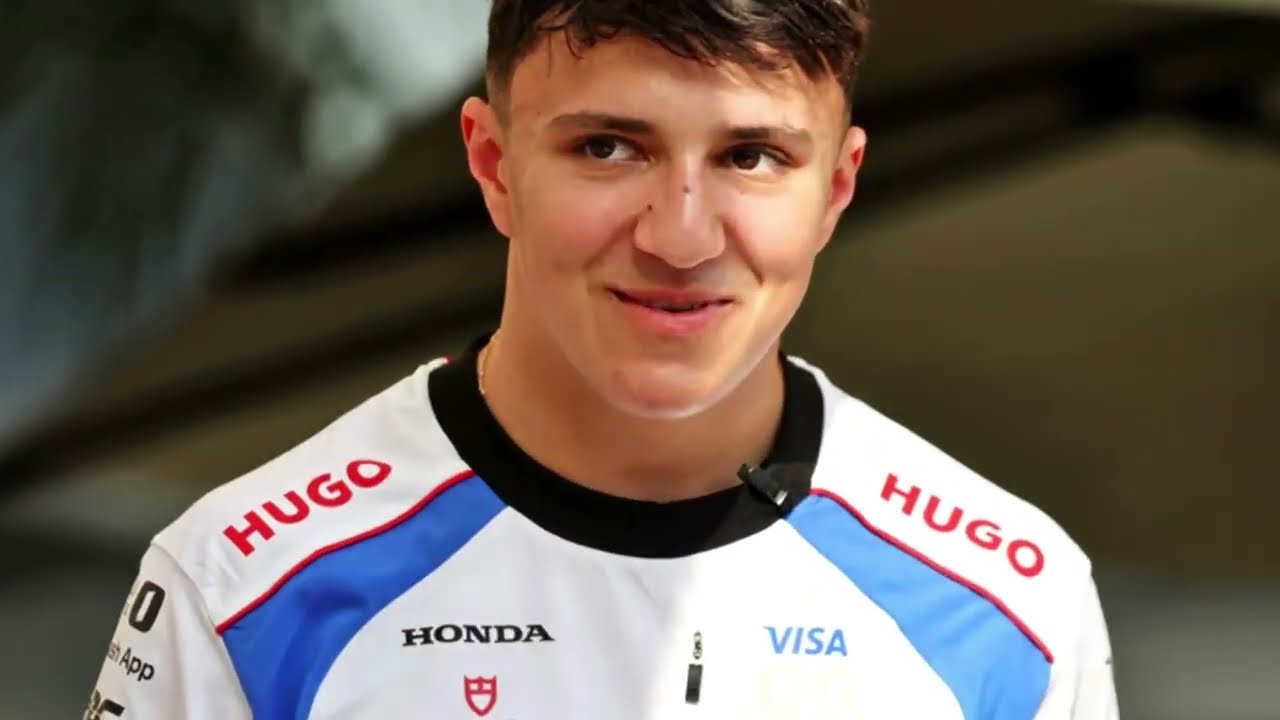
So, what is the solution? How does a driver survive a role that seems destined to break them? The answer, according to the analysis, is a game of surgical patience. Hadjar cannot win a direct war with Verstappen—not yet.
He must play the long game. This involves delivering “clean points” and “calm energy” to keep the team happy, while injecting “flashes of aggression” to remind everyone he is not harmless. It is a delicate balance of being a team player without becoming a doormat. He needs to signal, through his performance, that he is learning and growing, but that he is not comfortable settling for second place forever.
He must “survive Verstappen.” This means growing next to him without shrinking in his shadow. It means contributing to the team’s success without disappearing into the background. If he can navigate this minefield—losing small battles to win the war of credibility—he achieves something money cannot buy in Formula 1: respect.
Conclusion
Isack Hadjar’s move to Red Bull is a defining moment, not just for his career, but for the team’s future. Red Bull needs stability, but they also need a succession plan. Hadjar is being thrown into the fire to see if he is forged steel or if he melts.
Damon Hill’s warning serves as a sobering reminder that the best opportunity on the grid comes with the highest price tag. At Red Bull, you don’t get time to grow; you get time to prove you belong. Hadjar’s real battle won’t be on the track against Ferrari or McLaren; it will be in his own head, fighting to maintain his identity in a garage built for someone else. The world is watching, and in the unforgiving arena of Formula 1, survival is the only victory that matters for the second driver.
News

Inside Shane Richie’s love life: Drug – fuelled orgy with six blondes; real reason he split from Coleen Nolan; six-year ‘affair with fan’
Inside Shane Richie’s love life: Orgy with six blondes; real reason he split from Coleen Nolan; six-year ‘affair with fan’ He’s popular with the ladies… Shane Richie…

SH0CKING REVELATI0N:A sh0cking behind-the-scenes secret revealed about Lizzie Rizzini, the woman replacing Carol Kirkwood on the 6pm weather bulletin
BBC viewers still reeling from the departure of Carol Kirkwood got another surprise last night when presenter Lizzie Rizzini appeared to flash her black lace stockings on…

HEARTBREAKING: Peter Andre’s Tearful Message to Son Junior After SHOCKING Revelation About How He Truly Feels Toward Mum Katie Price — Katie Price’s reaction scares fans.
Peter Andre’s emotional message to son Junior after it’s revealed how he really feels about mum Katie Pri… PETER Andre has shared an emotional message to his…

Ben Shephard opens up about the devastating health battle his wife is facing: “She wakes up crying every single morning…”
Inside This Morning Ben Shephard’s Life Including Rarely Seen Wife and Health Battle Ben Shephard is a name synonymous with British television, renowned for his engaging presentation…

🚨 LIVE TV HEARTBREAK: Good Morning Britain Host Announces ‘Devastating’ Dɘath of Guest Minutes Into Show
Viewers of Good Morning Britain were met with heartbreaking news just minutes into Friday’s (January 30) episode, as co-hosts Kate Garraway and Ranvir Singh reported the tragic…

Emmerdale legend Cain Dingle will never be the same again after a shock cancer diagnosis turns his world upside down
FROure Desk. Full Terms and conditions are available on the website http://www.itv.com/presscentre/itvpictures/terms Emmerdale wouldn’t be Emmerdale without the glowering, grunting embodiment of manliness that is Cain Dingle (Jeff Hordley) But…
End of content
No more pages to load






