In the high-octane world of Formula 1, politics and performance have always danced a dangerous tango. Yet, for the better part of the last decade, McLaren Racing positioned itself as the antidote to the venomous “Piranha Club” of old. They were the plucky underdogs, the “papaya family,” a team that rebuilt itself from the ashes of the disastrous Honda years through grit, humor, and a refreshing sense of camaraderie. But a recent, explosive interview by McLaren CEO Zak Brown has shattered that illusion for many, revealing a ruthless underbelly that has left loyal fans questioning whether the team they fell in love with still exists.
The Interview That Changed Everything
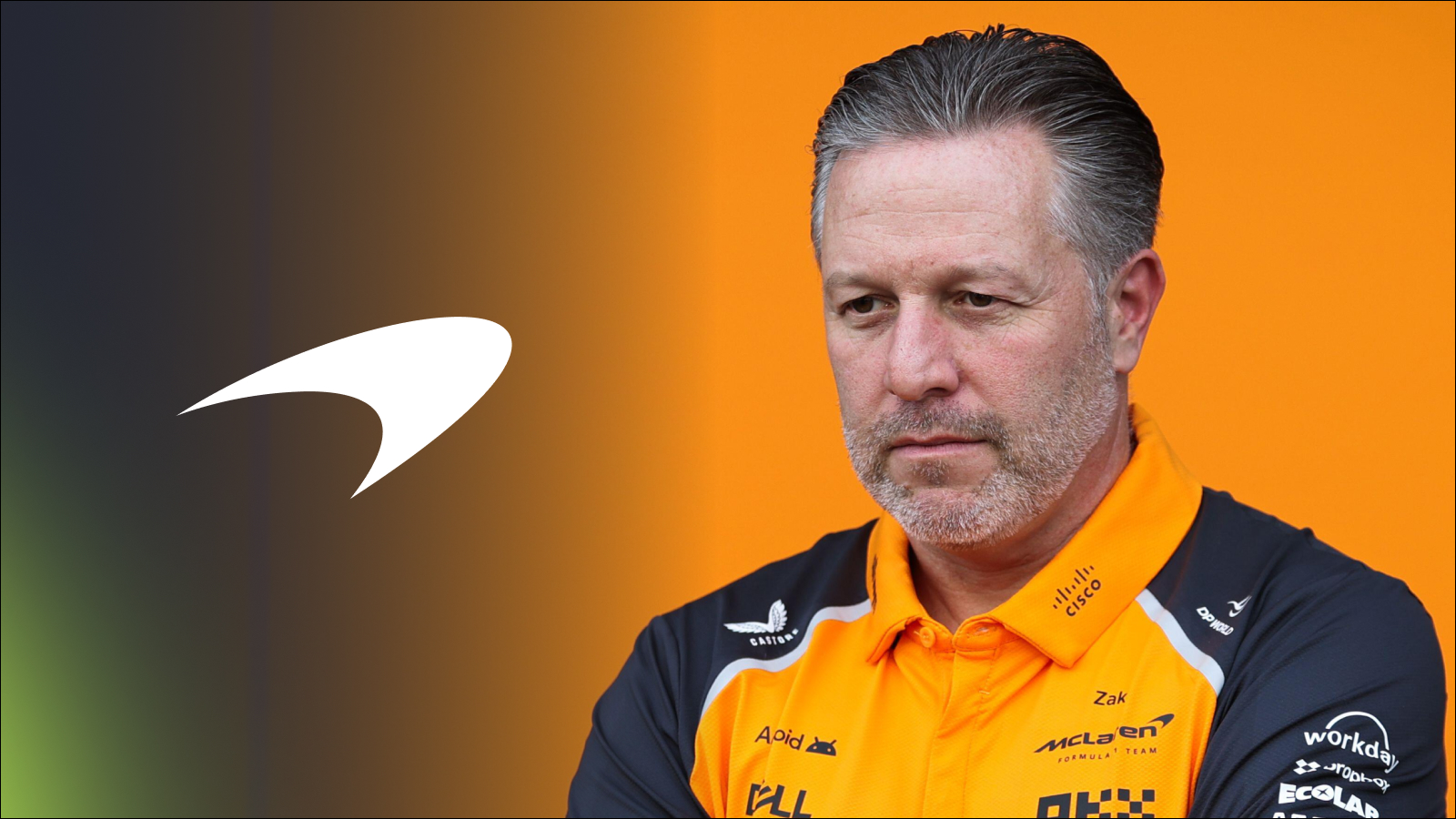
The controversy stems from a candid—perhaps too candid—interview Zak Brown gave to TalkSport. In a sport where team principals usually cloak their intentions in diplomatic speak and corporate jargon, Brown chose to strip away the veneer. He openly admitted that destabilizing other teams is not just a byproduct of competition, but an active strategy.
“We are trying to in our sport destabilize other teams,” Brown stated, effectively saying the quiet part out loud. He likened the paddock to a theater of war where “trash talk” and psychological mind games are deployed to “get in each other’s heads.”
For a generation of fans raised on the sanitized, PR-friendly image of modern athletes, this was a bucket of cold water. Brown didn’t just admit to the existence of politics; he celebrated it. He invoked the “Drive to Survive” narrative, suggesting that the off-track drama is as vital to the sport as the on-track racing. While this might be music to the ears of a Netflix producer, for the purist fan—the one who stood by McLaren during the painful GP2 engine era—it felt like a betrayal of the team’s ethos.
The Clash of Philosophies: Brown vs. Stella
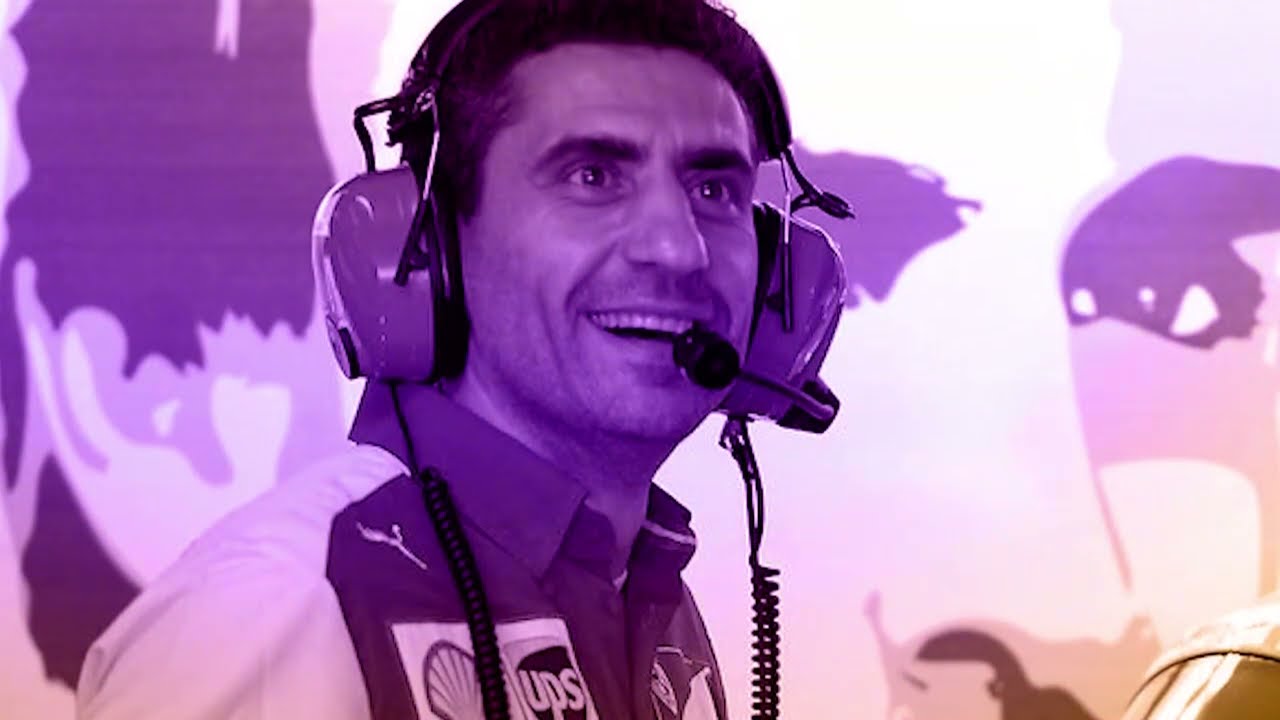
What makes this aggressive posture even more jarring is how starkly it contrasts with the demeanor of McLaren’s own Team Principal, Andrea Stella. Since taking the reins, Stella has embodied the concept of “quiet competence.” He is a man of engineering precision, forged in the fires of Ferrari’s golden era, who speaks of internal unity and focus.
Stella coined the term “poison biscuits” to describe the external noise and praise that can distract a team. His philosophy is one of a “cultural vaccine”—ignoring the hype, purging the baggage of previous seasons, and starting every year with a hunger as if they had won nothing. It is a mature, inward-facing stance designed to protect the team’s mental fortitude.
Zak Brown, however, seems to have hijacked this metaphor. Instead of using “poison biscuits” as a shield, he is using them as a weapon, hurling them back at rivals in a bid to cause chaos. This divergence creates a confusing duality at the heart of McLaren. On one side, you have Stella, the architect of their resurgence, preaching humility and focus. On the other, you have Brown, the commercial powerhouse, playing the role of the pugilist, seemingly stuck in a bygone era where whoever shouted loudest won the narrative war.
The Ghost of the Piranha Club
To understand the gravity of Brown’s comments, one must look back at F1 history. The term “Piranha Club” was famously coined by former McLaren boss Ron Dennis to describe the cutthroat nature of team principals who would “eat your face off” for a tenth of a second. It was an era defined by figures like Flavio Briatore and the young Christian Horner—men who thrived on conflict.
Brown seems to be channeling this energy, positioning himself as the new heavyweight instigator. But the sport has moved on. The “Piranha Club” is widely viewed as a relic of a less professional past. Today’s F1 is dominated by corporate giants like Audi and globally listed companies. The modern team principal—think James Vowles at Williams or the incoming brass at Audi—tends to operate with the calculated reserve of a Fortune 500 CEO, not a reality TV star.
By dragging McLaren back into the mud of overt political warfare, Brown risks making the team look archaic. While he might believe he is playing 4D chess, to many observers, he looks like a man fighting a war that ended ten years ago. He is trying to out-Horner Christian Horner, failing to realize that even Red Bull has pivoted to a more subtle, technical form of aggression under its new structure.
The Netflix Effect: Performance vs. Pageantry
There is no denying that “Drive to Survive” saved Formula 1 from cultural irrelevance, bringing in a tidal wave of new, younger fans. Zak Brown knows this better than anyone. He is a master marketer who understands that content is king. However, his recent behavior suggests he has begun to confuse the show with the sport.
Brown explicitly name-checked the Netflix series in his justification for the political games, implying that the “soap opera” is what fuels the engine. But there is a fine line between acknowledging the entertainment value of the sport and artificially manufacturing drama. When the CEO of a championship-contending team starts acting like a character in a scripted drama, it undermines the credibility of the racing operation.
Fans are savvy. They can spot the difference between genuine rivalry and performative conflict. When Brown engages in public spats or makes sweeping declarations about “destabilizing” rivals, it feels performative—a “TV executive” decision rather than a “racer” decision. It creates the impression that McLaren is prioritizing engagement metrics over sporting integrity.
Alienating the “Papaya Family”
The true tragedy of this strategic pivot is the impact it has on the fanbase. McLaren’s rise from the back of the grid to the front was one of the great feel-good stories of modern sports. Fans connected with the team because they felt human. Lando Norris and Oscar Piastri represent a new generation of talent: fiercely competitive but fundamentally decent. They want to win by being the fastest, not the loudest.
When the figurehead of the team adopts a persona of arrogance and aggression, it creates a dissonance. Fans who bought the hoodies and the hats did so because they believed in the “underdog spirit.” Now that McLaren has reached the summit, that spirit seems to have been discarded in favor of a “winner takes all” arrogance.
As the YouTube commentator “LawVS” poignantly noted in his breakdown of the situation, “This is not the McLaren I became a fan of.” The transition from the lovable strugglers to the bullies of the paddock is a jarring one. Success inevitably changes a team, but it doesn’t have to corrupt its soul. Mercedes dominated for eight years with a ruthlessness that was cold and clinical, but rarely did it feel like a circus act. McLaren, under Brown’s current direction, feels increasingly chaotic.
Reputation as a Performance Metric
In the modern corporate landscape of F1, reputation is a tangible asset. Sponsors—of which McLaren has the most—invest in values as much as victory. They want to be associated with excellence, innovation, and perhaps a touch of glamour. Do they want to be associated with “poison biscuits” and public mudslinging?
Brown’s approach risks damaging the premium allure of the McLaren brand. By dragging the team into petty squabbles, he lowers the tone. It raises the question: Is this the behavior of a world-class luxury brand, or a scrappy street fighter? While the latter might be necessary to survive at the back of the grid, it is unbecoming of a team that stands eye-to-eye with Ferrari and Mercedes.
Furthermore, this “chaos merchant” vibe distracts from the incredible work being done in the factory. The engineers, mechanics, and strategists are delivering a championship-caliber car. Their work speaks for itself. They don’t need their CEO to “talk smack” to validate their efforts. In fact, the noise from the top might actually be drowning out the applause the team deserves for its technical achievements.
The Verdict: A Team at a Crossroads
McLaren stands at a critical juncture. They have the car, the drivers, and the technical leadership to dominate the next era of Formula 1. But they are suffering from an identity crisis at the executive level.
Andrea Stella offers a path of dignity and “quiet competence”—a modern approach that aligns with the professionalism of competitors like Williams and Audi. Zak Brown offers a return to the “Piranha Club”—a loud, aggressive, and politically charged path that prioritizes narrative over nuance.
For now, the two seem to be coexisting in an uneasy truce, a “two-channel system” where Stella manages the reality and Brown manages the perception. But as the pressure of championship fights intensifies, this divergence will become unsustainable. If McLaren continues to alienate the fans who supported them through the lean years, they may find that the view from the top is lonelier than they expected.
Zak Brown has helped save McLaren from financial ruin; that is a fact that cannot be debated. He secured the sponsors, the engines, and the talent. But the skills required to save a dying team are not necessarily the same skills required to lead a champion. To stay at the top, McLaren needs to act like they belong there—with confidence, class, and a focus on the racing, not the drama. If they don’t, they risk proving their critics right: that they are just a “bunch of hot air” in a sport that demands substance.
News

Inside Shane Richie’s love life: Drug – fuelled orgy with six blondes; real reason he split from Coleen Nolan; six-year ‘affair with fan’
Inside Shane Richie’s love life: Orgy with six blondes; real reason he split from Coleen Nolan; six-year ‘affair with fan’ He’s popular with the ladies… Shane Richie…

SH0CKING REVELATI0N:A sh0cking behind-the-scenes secret revealed about Lizzie Rizzini, the woman replacing Carol Kirkwood on the 6pm weather bulletin
BBC viewers still reeling from the departure of Carol Kirkwood got another surprise last night when presenter Lizzie Rizzini appeared to flash her black lace stockings on…

HEARTBREAKING: Peter Andre’s Tearful Message to Son Junior After SHOCKING Revelation About How He Truly Feels Toward Mum Katie Price — Katie Price’s reaction scares fans.
Peter Andre’s emotional message to son Junior after it’s revealed how he really feels about mum Katie Pri… PETER Andre has shared an emotional message to his…

Ben Shephard opens up about the devastating health battle his wife is facing: “She wakes up crying every single morning…”
Inside This Morning Ben Shephard’s Life Including Rarely Seen Wife and Health Battle Ben Shephard is a name synonymous with British television, renowned for his engaging presentation…

🚨 LIVE TV HEARTBREAK: Good Morning Britain Host Announces ‘Devastating’ Dɘath of Guest Minutes Into Show
Viewers of Good Morning Britain were met with heartbreaking news just minutes into Friday’s (January 30) episode, as co-hosts Kate Garraway and Ranvir Singh reported the tragic…

Emmerdale legend Cain Dingle will never be the same again after a shock cancer diagnosis turns his world upside down
FROure Desk. Full Terms and conditions are available on the website http://www.itv.com/presscentre/itvpictures/terms Emmerdale wouldn’t be Emmerdale without the glowering, grunting embodiment of manliness that is Cain Dingle (Jeff Hordley) But…
End of content
No more pages to load






