The roar of the 2026 Formula 1 engines hasn’t even properly graced the track yet, but the paddock is already deafening with the sound of controversy. As the first chassis hit the tarmac in Barcelona for initial shakedowns, the sweet symphony of the new power units—featuring a beefed-up electric component alongside the combustion engine—was music to fans’ ears. They don’t scream like the V10s of old, but they sound good. However, beneath that sound lies a technical battle that threatens to tear the competitive order apart before the lights even go out.
It appears the ghosts of 2014 are haunting the pit lane. Remember when Mercedes showed up with a hybrid engine so powerful they effectively locked out the championship for half a decade? Well, whispers in the paddock suggest we might be standing on the precipice of another era of dominance, but this time, it’s not just about who built the best engine—it’s about who found the smartest loophole.

The “Transformer” Engine Trick
At the heart of this brewing storm is a piece of engineering wizardry attributed to Mercedes and, presumably, Red Bull. The 2026 regulations were supposed to be simple and restrictive to attract newcomers like Audi. One key rule was reducing the engine’s compression ratio limit from 18:1 down to 16:1. In plain English, this limits how much the fuel-air mixture is squeezed before ignition, capping the power output to keep things fair.
But here is where the genius—or “cheating,” depending on who you ask—comes in. The rule states the engine must pass a static test at typical ambient temperatures. Rumor has it that Mercedes and Red Bull have developed cylinder heads using advanced materials that behave normally in the garage during inspection. However, once the car is screaming down the straight and engine temperatures soar, these materials allegedly expand.
This thermal expansion effectively increases the compression ratio back up to 18:1 while the car is running. It’s a “flexi-wing” for the engine—legal when measured by the FIA with a ruler in the pit lane, but a completely different beast out on the track. The result? A potential “free” 15 horsepower advantage that their rivals simply do not have.
The Rivals Revolt
Naturally, the rest of the grid is not amused. Audi, Ferrari, and Honda are leading the charge against this interpretation of the rules. Their argument is grounded in Article C 1.5 of the regulations, which broadly states that cars must comply with the rules “at all times” during the competition, not just when parked in the garage.
Imagine playing a game of soccer where your shoes grow springs the moment the referee looks away. That’s essentially the argument the rival manufacturers are making. They claim that if the regulation says 16:1, it should mean 16:1 always. If Mercedes and Red Bull are allowed to run effectively at 18:1, the playing field is tilted before the first kickoff.
The frustration is palpable. Developing these “expanding” materials isn’t something you can do overnight. It requires months of R&D, testing, and validation on dynos. If Ferrari and Audi haven’t started this path yet, they are months behind. They can’t just bolt on a fix; engine components are the heart of the car’s reliability. A rushed job could lead to catastrophic failures.
The FIA’s Dilemma
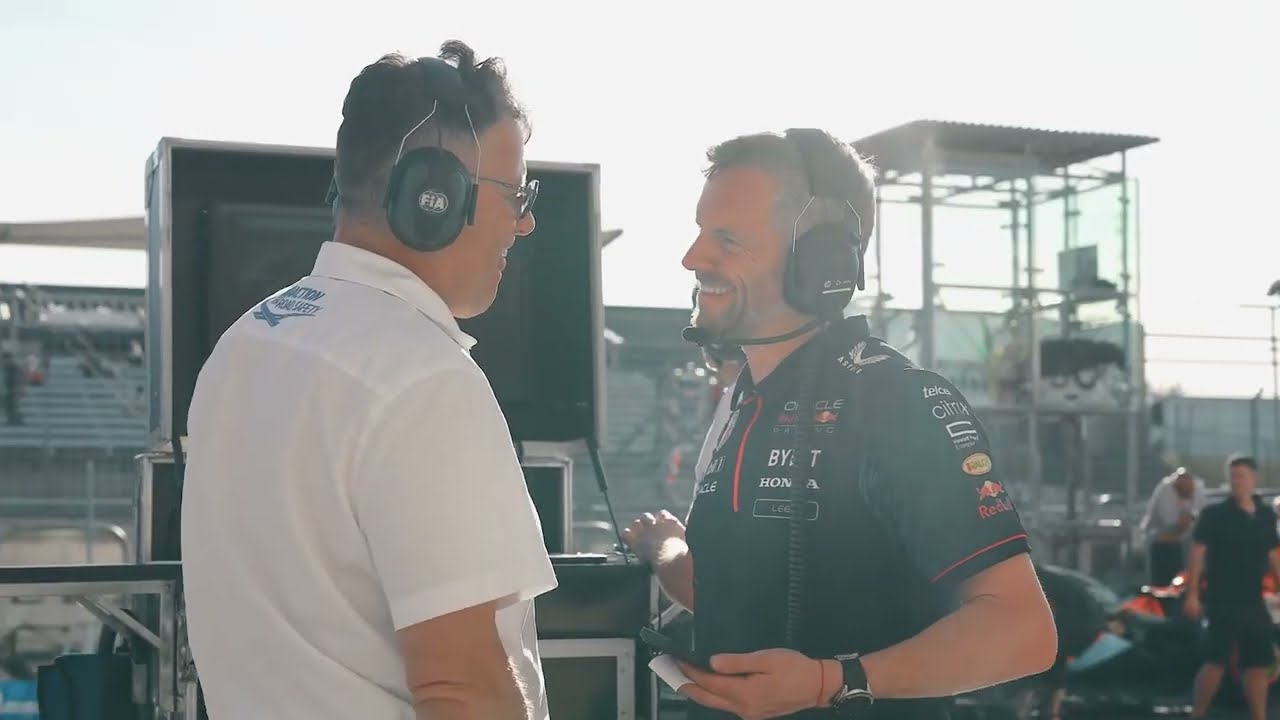
The governing body, the FIA, finds itself between a rock and a hard place. They have a Technical Commission meeting scheduled for January 22nd, just days before the official winter testing in Barcelona kicks off. The timing couldn’t be worse.
If the FIA bans the loophole now, they punish the teams that arguably read the rulebook more cleverly (and invested millions doing so). If they let it slide, they risk alienating new manufacturers like Audi and potentially handing the championship to one or two teams on a silver platter.
Current signs point to the FIA sticking to the existing text for now. Changing complex technical regulations weeks before the season is a logistical nightmare. The likely outcome? The loophole stays for the start of 2026, with a promise to tighten the wording for 2027. It’s a classic F1 compromise: “You got us this time, but don’t do it next year.”
Ferrari’s Heavy Metal Gamble
While Mercedes plays 4D chess with expanding metals, Ferrari has taken a completely different, almost retro approach. Having seemingly missed the expansion loophole, the Scuderia has reportedly opted for steel alloy cylinder heads instead of the traditional aluminum.
On paper, this sounds insane. Steel is heavy, and in F1, weight is the enemy—especially when it’s placed high up in the engine, raising the center of gravity and hurting the car’s handling. But Ferrari’s engineers aren’t amateurs. The new 2026 engines run at incredibly high pressures and temperatures. Steel is stronger and, crucially, has lower thermal conductivity. This means it keeps more heat energy inside the combustion chamber rather than letting it escape, leading to better thermal efficiency.
Ferrari is betting that this efficiency gain, combined with clever packaging to keep the rest of the engine low, will offset the weight penalty. It’s a bold engineering divergence. We are looking at a season where different teams have fundamentally different philosophies on how to build power—a treat for tech nerds, but a headache for the drivers if one philosophy turns out to be a dud.

The Safety Net
For fans terrified of another snooze-fest where one car wins every race by 30 seconds, there is a glimmer of hope. The 2026 regulations include a “catch-up” mechanism. The FIA will monitor engine performance in three phases over the season. If a manufacturer falls 2-4% behind the leaders, they get extra development time. If they are more than 4% behind, they get even more upgrades.
This system is designed to prevent a structural disadvantage from locking in for years. So, even if the “Mercedes Loophole” yields a super-engine in Round 1, the rules are designed to help Ferrari and Audi claw that performance back faster than they could in the past.
The Verdict
As we head into the Barcelona tests, the tension is thicker than tire smoke. We have secret tech, angry rivals, a hesitant referee, and a field split by radically different designs. The 2026 season was meant to be a fresh start, but it’s shaping up to be an old-fashioned street fight. Whether the “magic” cylinder heads are banned or copied, one thing is certain: the race has already started, and it’s happening in the meeting rooms, not just on the track.
News

Inside Shane Richie’s love life: Drug – fuelled orgy with six blondes; real reason he split from Coleen Nolan; six-year ‘affair with fan’
Inside Shane Richie’s love life: Orgy with six blondes; real reason he split from Coleen Nolan; six-year ‘affair with fan’ He’s popular with the ladies… Shane Richie…

SH0CKING REVELATI0N:A sh0cking behind-the-scenes secret revealed about Lizzie Rizzini, the woman replacing Carol Kirkwood on the 6pm weather bulletin
BBC viewers still reeling from the departure of Carol Kirkwood got another surprise last night when presenter Lizzie Rizzini appeared to flash her black lace stockings on…

HEARTBREAKING: Peter Andre’s Tearful Message to Son Junior After SHOCKING Revelation About How He Truly Feels Toward Mum Katie Price — Katie Price’s reaction scares fans.
Peter Andre’s emotional message to son Junior after it’s revealed how he really feels about mum Katie Pri… PETER Andre has shared an emotional message to his…

Ben Shephard opens up about the devastating health battle his wife is facing: “She wakes up crying every single morning…”
Inside This Morning Ben Shephard’s Life Including Rarely Seen Wife and Health Battle Ben Shephard is a name synonymous with British television, renowned for his engaging presentation…

🚨 LIVE TV HEARTBREAK: Good Morning Britain Host Announces ‘Devastating’ Dɘath of Guest Minutes Into Show
Viewers of Good Morning Britain were met with heartbreaking news just minutes into Friday’s (January 30) episode, as co-hosts Kate Garraway and Ranvir Singh reported the tragic…

Emmerdale legend Cain Dingle will never be the same again after a shock cancer diagnosis turns his world upside down
FROure Desk. Full Terms and conditions are available on the website http://www.itv.com/presscentre/itvpictures/terms Emmerdale wouldn’t be Emmerdale without the glowering, grunting embodiment of manliness that is Cain Dingle (Jeff Hordley) But…
End of content
No more pages to load






