In the high-octane world of Formula 1, change is usually the enemy of domination. History tells us that when the rulebook is torn up and rewritten, the pecking order shuffles. Titans fall, and new challengers rise from the midfield. This is the hope that millions of fans are clinging to as the sport hurtles toward the massive regulation overhaul of 2026. The narrative being sold is one of a clean slate—a reset button that will bring the field closer together and ignite a golden era of competitive racing.
But beneath the surface of the press releases and the technical jargon about sustainable fuels and active aerodynamics, a different, more unsettling reality is beginning to take shape. While teams scramble to build the most powerful engines and the sleekest chassis, a quiet realization is dawning on the paddock’s sharpest analysts: the 2026 regulations might not be a reset at all. In fact, they might be specifically, albeit accidentally, tailor-made to weaponize the unique, aggressive, and surgical driving style of one man—Max Verstappen.
The next era of Formula 1 won’t just be decided by who has the most horsepower or the cleverest wind tunnel data. It is going to be won by the driver who can brake like a surgeon while their car is trying to steal their confidence. And in that specific, chaotic, high-pressure environment, Max Verstappen doesn’t just survive; he thrives.
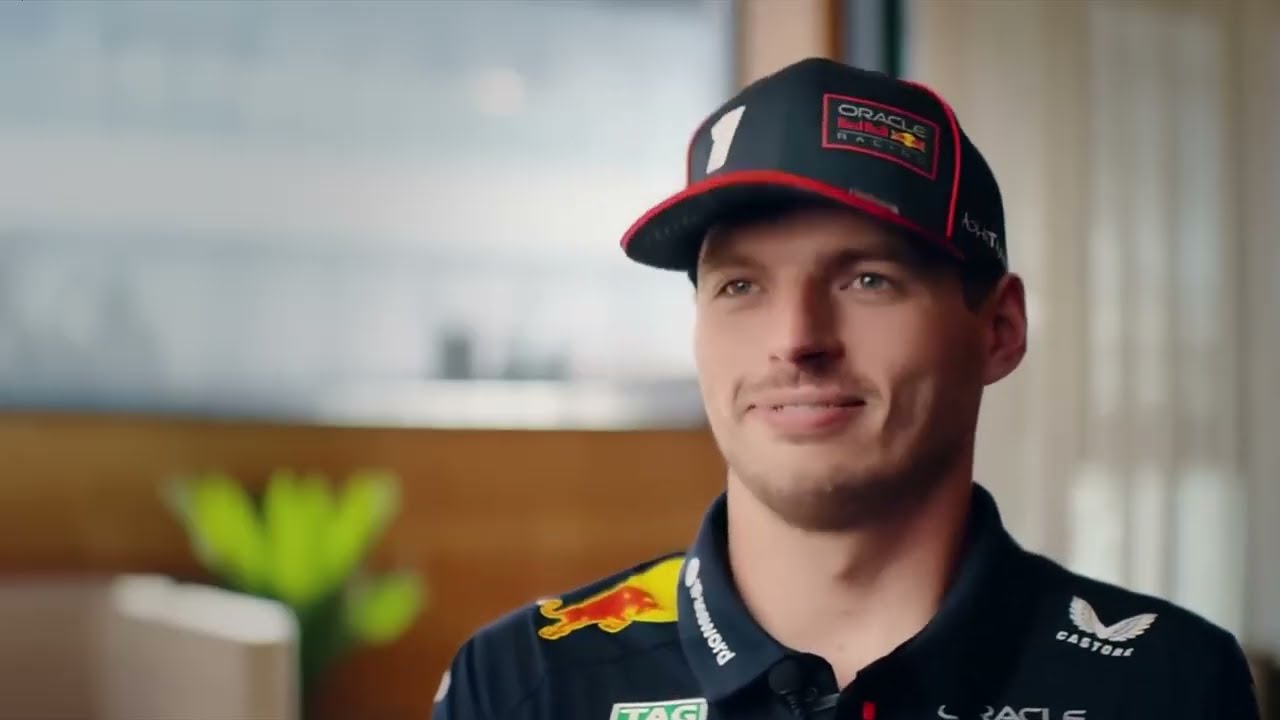
The New Currency of Speed
To understand why Verstappen is poised to tighten his grip on the sport, we first have to look at what is actually changing. The 2026 power unit regulations introduce a monumental shift in how F1 cars generate speed. The split between the internal combustion engine and electric power is moving to a near 50/50 ratio. This means the reliance on electrical energy is skyrocketing.
In the current era, if you run out of battery, you lose a bit of time. In 2026, if you run out of battery, you are effectively a sitting duck. The management of this energy is no longer a background task; it is the central pillar of racecraft.
And where does this precious electrical energy come from? It isn’t just generated by cruising around; a massive chunk of it is harvested during braking. The MGUK (Motor Generator Unit-Kinetic) recovers energy every time the driver stomps on the brake pedal.
This changes the fundamental definition of braking. For decades, braking was simply the act of shedding speed to survive a corner. It was a defensive necessity. But come 2026, braking becomes “income.” It is literally how a driver earns the right to attack on the next straight.
This is where the grid begins to fracture. Most drivers, even at the elite level, view braking as a means to an end—a way to slow the car down and hit the apex. Max Verstappen, however, views braking as a system. He doesn’t just brake to stop; he brakes to control the entire sequence of the lap. This distinction, subtle now, will become the defining chasm of the 2026 season.
The “Violent Efficiency” of Max Verstappen
Critics and casual fans often label Verstappen’s driving style as “aggressive.” They see the late lunges and the refusal to yield and call it bravery or arrogance. But to describe Max merely as aggressive is to miss the point entirely. His real superpower is “efficiency with violence.”
Verstappen has a unique ability to rotate the car using the brake pedal, not just the steering wheel. He doesn’t “chuck” the car into corners in a panic; he places it there with terrifying precision. This technique, known as trail braking—the controlled bleed-off of brake pressure as the car turns in—keeps the front tires loaded and allows the car to rotate without snapping.
In 2026, this technique transforms from a stylistic preference into a competitive necessity. Why? Because if you can keep the car balanced while recovering energy, you can brake later and exit faster. Most drivers have to trade one for the other: brake early to harvest safely, or brake late and risk destabilizing the car. Verstappen is one of the rare few who can regularly have his cake and eat it too.
He creates options by being repeatable. His inputs—pedal pressure, release timing, steering angle—are almost robotic in their consistency. In an era where energy harvesting depends on hitting the exact same braking points lap after lap, this consistency becomes a weapon. He turns the braking zone from a moment of deceleration into a strategic trap for his rivals.
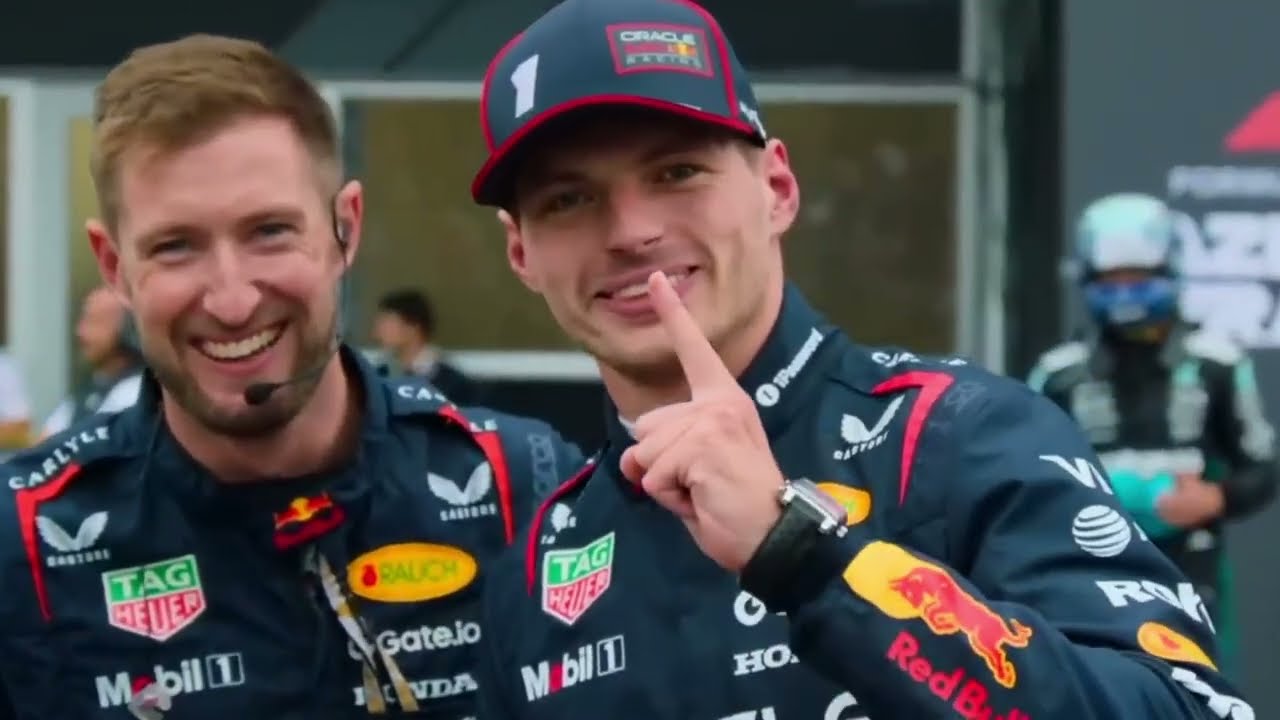
The Nightmare of Active Aero
If the energy management aspect wasn’t enough, the 2026 cars throw another variable into the mix that plays directly into Verstappen’s hands: Active Aerodynamics.
To meet efficiency targets, the new cars will feature movable wings that switch between high downforce for corners and low drag for straights. This sounds futuristic and exciting, but for the driver in the cockpit, it presents a terrifying challenge. The car will effectively change its “personality” multiple times a lap.
Imagine hurtling down a straight in “low drag” mode. The car feels slippery, fast, and light. Then, as you hit the braking zone, the wings adjust, downforce kicks in, and the balance of the car shifts instantly. This transition creates inherent instability. The car’s behavior changes in the crucial first half-second of braking.
For a driver who needs a planted, predictable rear end to feel confident, this is a nightmare. When the rear of the car feels loose or unpredictable, a driver’s natural instinct is to brake five meters earlier, then ten. They lose confidence. They stop attacking.
But Max Verstappen has spent his entire career at Red Bull mastering a car with a “sharp” front end and a loose rear. He is comfortable with instability. He doesn’t need the car to hold his hand; he grabs it by the scruff of the neck and forces it to comply. When the 2026 cars start shifting their balance mid-corner, causing other drivers to hesitate, Verstappen’s ability to handle rotation at insane speeds will give him a head start that cannot be engineered in a wind tunnel.
The Psychological Hostage Situation
The true danger of Verstappen in 2026 isn’t just that he will be faster; it’s that he will force his rivals into impossible choices. The new rules turn racing into a resource game with severe consequences.
Picture a battle on a long straight in 2026. The driver chasing Verstappen has a dilemma. If they attack and use up their battery boost to go for a move, they might pass him. But if they brake too late or too messily in the attempt, they fail to harvest enough energy for the next section. They might win the corner, but they will lose the lap because their battery is empty.
Verstappen, with his surgical braking, will optimize every deceleration zone. He will harvest exactly what he needs while still positioning his car to block a switchback. He creates a “psychological hostage situation.” He baits rivals into burning their energy inefficiently while he quietly builds up his own reserves.
It becomes a war of attrition where the enemy is not just the other driver, but the car itself. If you are behind Max, you are constantly asking yourself: “Do I burn my energy now and risk being defenseless later? or do I wait and watch him drive away?” It is a paralyzing set of options, and it is exactly where Max lives.
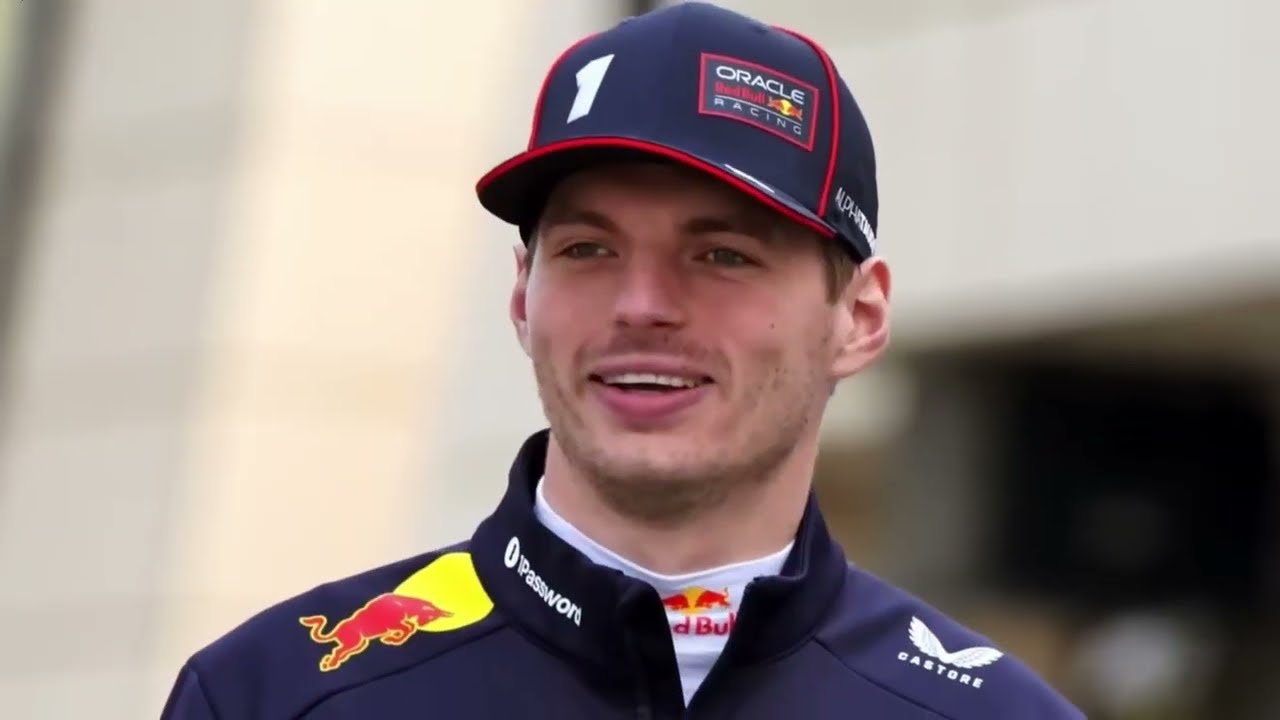
The Skill Filter
Ultimately, the 2026 regulations act as a massive “skill filter.” In stable conditions, good drivers can look great. Modern F1 cars, with their immense downforce, can mask certain deficiencies. But when you introduce instability—through active aero and the pressure of energy management—you strip away those masks.
The grid is full of drivers who are incredibly fast when the car is predictable. But 2026 is designed to be unpredictable by nature. It demands a driver who can process a decision loop—braking point, harvest amount, rotation angle, traction limit—in milliseconds, continuously, without breaking rhythm.
This is the uncomfortable political reality that teams will soon face. Every team will claim their 2026 car concept is efficient. But once they hit the track, some cars will naturally be unstable under braking. If a team has built a car for a driver who needs stability, they are in trouble. Red Bull, conversely, has spent years building a philosophy around a driver who treats instability as a tool.
Conclusion: A Dynasty Reloaded?
The irony of the 2026 revolution is palpable. The rules were written to spice up the show, to make overtaking a tactical game, and to bring the field closer. Yet, by making the cars harder to drive and linking speed directly to braking precision, the regulators may have inadvertently built a throne for the sport’s current king.
Max Verstappen’s dominance has never been solely about having the fastest car; it has been about his ability to extract performance that others cannot. In 2026, the car will ask more of the driver than ever before. It will ask for efficiency, adaptability, and a level of car control that borders on the supernatural.
For the rest of the grid, 2026 is a journey into the unknown, a scary new world of active wings and battery management. For Max Verstappen, it looks suspiciously like home field advantage. As fans, we should be excited for the new era, but we should also be prepared for the possibility that the “reset” is actually a coronation. The era of the “Braking Dynasty” may be just beginning.
News

Inside Shane Richie’s love life: Drug – fuelled orgy with six blondes; real reason he split from Coleen Nolan; six-year ‘affair with fan’
Inside Shane Richie’s love life: Orgy with six blondes; real reason he split from Coleen Nolan; six-year ‘affair with fan’ He’s popular with the ladies… Shane Richie…

SH0CKING REVELATI0N:A sh0cking behind-the-scenes secret revealed about Lizzie Rizzini, the woman replacing Carol Kirkwood on the 6pm weather bulletin
BBC viewers still reeling from the departure of Carol Kirkwood got another surprise last night when presenter Lizzie Rizzini appeared to flash her black lace stockings on…

HEARTBREAKING: Peter Andre’s Tearful Message to Son Junior After SHOCKING Revelation About How He Truly Feels Toward Mum Katie Price — Katie Price’s reaction scares fans.
Peter Andre’s emotional message to son Junior after it’s revealed how he really feels about mum Katie Pri… PETER Andre has shared an emotional message to his…

Ben Shephard opens up about the devastating health battle his wife is facing: “She wakes up crying every single morning…”
Inside This Morning Ben Shephard’s Life Including Rarely Seen Wife and Health Battle Ben Shephard is a name synonymous with British television, renowned for his engaging presentation…

🚨 LIVE TV HEARTBREAK: Good Morning Britain Host Announces ‘Devastating’ Dɘath of Guest Minutes Into Show
Viewers of Good Morning Britain were met with heartbreaking news just minutes into Friday’s (January 30) episode, as co-hosts Kate Garraway and Ranvir Singh reported the tragic…

Emmerdale legend Cain Dingle will never be the same again after a shock cancer diagnosis turns his world upside down
FROure Desk. Full Terms and conditions are available on the website http://www.itv.com/presscentre/itvpictures/terms Emmerdale wouldn’t be Emmerdale without the glowering, grunting embodiment of manliness that is Cain Dingle (Jeff Hordley) But…
End of content
No more pages to load






