In the high-octane world of Formula 1, the drama on the tarmac is often eclipsed by the tension in a small, secluded room away from the roar of the engines. We watch the cars scream across the finish line, the fireworks ignite, and the champagne spray, but for the true insiders, the race isn’t over until the final document is signed. A race win can vanish in five seconds. A world championship can be decided not by an overtake on the final corner, but by a panel of officials debating a regulation in a quiet office. In modern Formula 1, penalties don’t just punish mistakes; they have the terrifying power to rewrite history.
To the casual observer, the application of these penalties can feel chaotic, almost random. One week, a driver pushes a rival off the track and receives a mere slap on the wrist; the next week, a similar incident results in a race-destroying time penalty. This inconsistency is the source of endless frustration for fans, teams, and drivers alike. However, behind the apparent madness lies a complex, rigid, and often controversial system designed to keep the sport fair, safe, and credible. Without this enforcement, the fastest sport on Earth would descend into dangerous anarchy. But understanding who makes these decisions and how they are reached reveals a shocking reality about the sport’s governance that few fans truly grasp.
The Volunteer Officials in a Billion-Dollar Sport
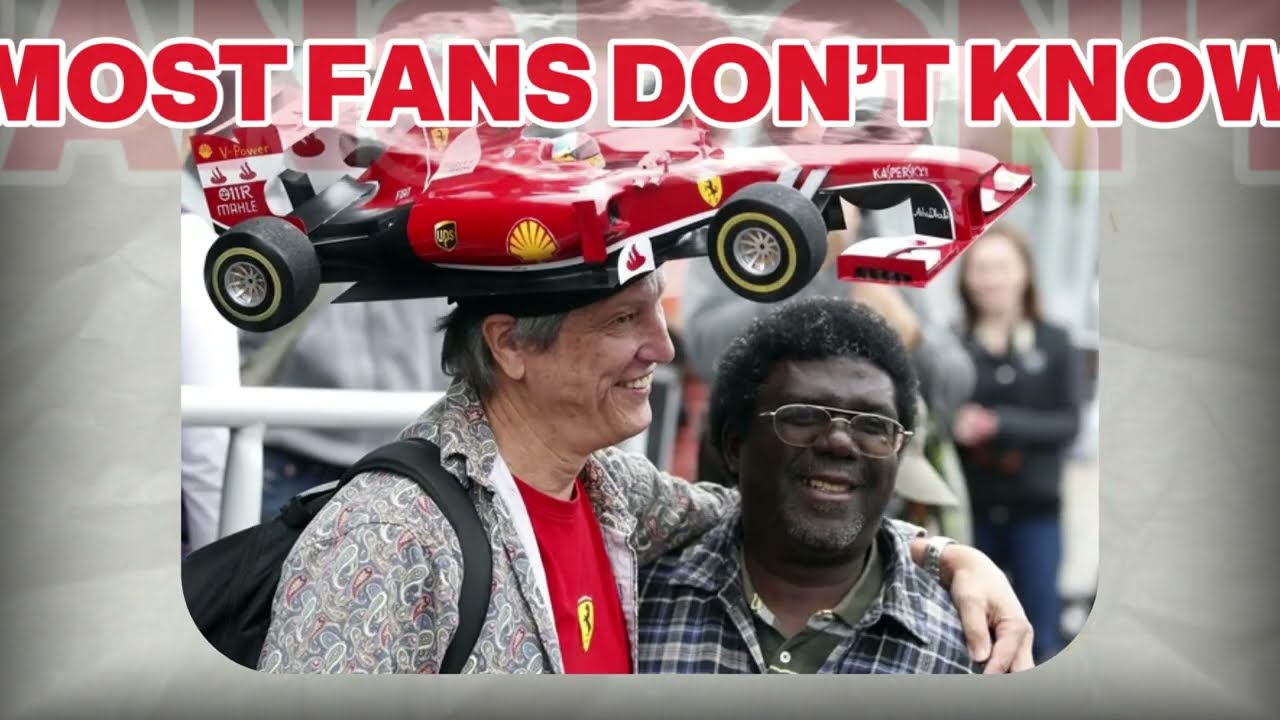
Perhaps the most startling revelation about Formula 1’s judicial system is the nature of the judges themselves. You might expect that a global sport worth billions of dollars, where teams spend hundreds of millions on technology and drivers are paid fortunes, would employ a permanent, professional high court of referees. You would be wrong.
Penalties are decided by the FIA stewards, a rotating panel of three or four officials present at every race weekend. While this panel typically includes a former racing driver to provide a competitor’s perspective, a national steward from the host country, and a permanent FIA steward, they are not full-time employees. They are classified as volunteers. They receive expenses, but no salary.
This structure is the root of one of the fiercest debates in modern motorsport. Because the panel changes from race to race, the interpretation of the “constitution” of F1—the sporting regulations—shifts with them. A maneuver deemed aggressive but fair in Silverstone might be penalized as dangerous driving in Monza simply because a different group of people is sitting in the room. This lack of permanent, professional adjudicators is why consistency remains the sport’s “white whale”—desperately sought after but rarely found. Critics argue that until F1 moves to a system of full-time professional stewards, the rulings will always suffer from human subjectivity and variance.
The Forensic Science of an Investigation
When an incident occurs—whether it’s a collision, a pit lane infringement, or a technical violation—it reaches the stewards in one of two ways. either the Race Director reports it, or the stewards spot it themselves. Once an investigation is launched, the process becomes a high-speed forensic analysis.
The romantic idea of officials just watching the TV broadcast and making a call is dead. Today, the stewards have access to a wealth of data that rivals a government intelligence agency. They analyze multiple angles of video footage, including onboard cameras from every car involved. They listen to the raw, unedited team radio communications to understand the intent and instructions given to the driver. Crucially, they examine telemetry data—traces that show exactly when a driver braked, accelerated, or turned the steering wheel. This data strips away the excuses; it reveals if a driver truly lost control or if they deliberately crowded a rival.
If the evidence is inconclusive, the verdict is “No Further Action”—a phrase that brings relief to one garage and fury to another. But when a rule is broken, the stewards turn to a strict ladder of penalties that escalate from minor warnings to career-altering disqualifications.
The Ladder of Punishment: From Warnings to Disqualification
At the bottom of the ladder are warnings and reprimands. A warning is often issued for minor infractions like track limits or small procedural errors. It’s a “fix it and don’t do it again” message. A reprimand is more serious. It hangs over a driver like a dark cloud because they are cumulative. In a twist that adds strategic pressure to the season, receiving five reprimands in a single season automatically triggers a grid penalty. This means that a collection of small, seemingly insignificant mistakes can suddenly ruin a race weekend months down the line.
Then there are the fines. While often financial, they serve as a public rebuke. These can range from a few hundred euros for speeding in the pit lane to astronomical sums. The most infamous example remains the “Spygate” scandal of 2007, where the McLaren team was fined a record-breaking $100 million. It stands as a stark reminder that in F1, the rulebook is a legal document, and violating it can carry penalties that dwarf the GDP of small nations.
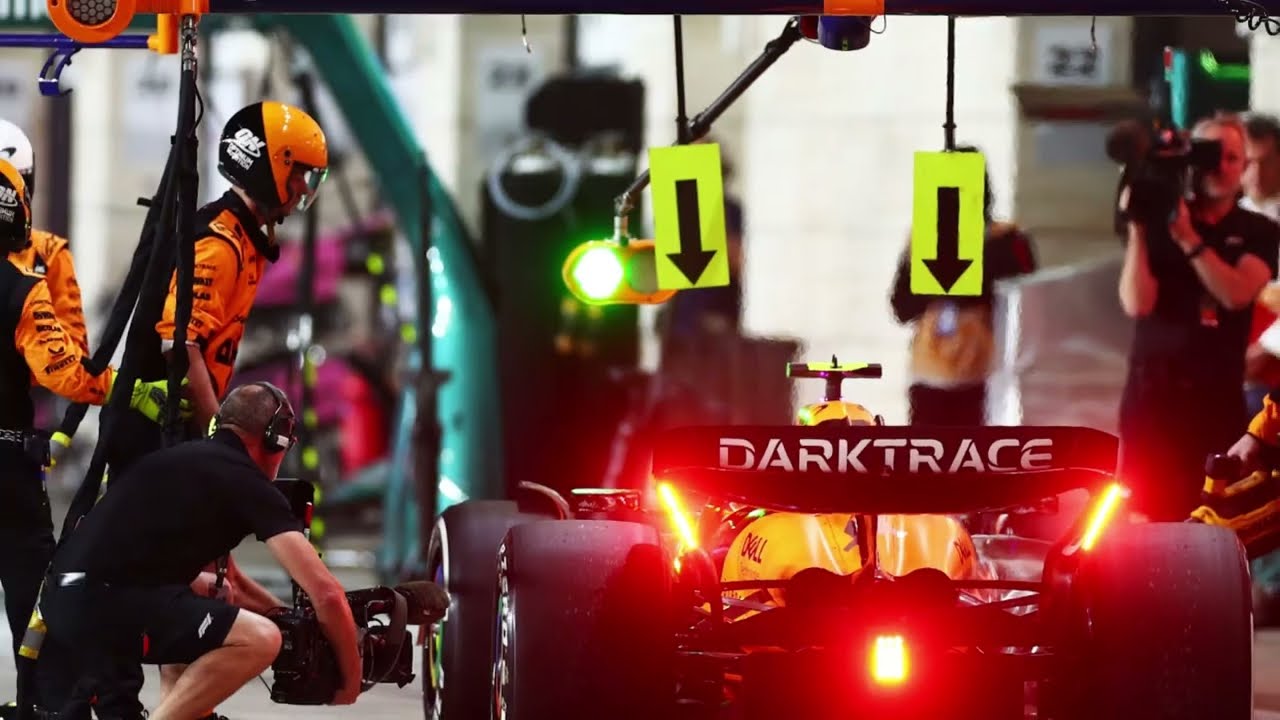
However, the most common weapon in the stewards’ arsenal is the time penalty—usually five or ten seconds. This sounds negligible in everyday life, but in F1, where gaps are measured in thousandths of a second, five seconds is an eternity. If a driver serves this penalty during a pit stop, the car must remain absolutely stationary for the duration before mechanics can even touch a wheel nut. It disrupts the rhythm, cools the tires, and destroys strategy. If the penalty is applied after the race, it creates a bizarre scenario where the driver who crosses the line first might officially finish third, completely reshuffling the podium while the drivers are already on their cool-down lap.
For more severe offenses, the punishments become draconian. A “drive-through” penalty forces a driver to travel through the pit lane at a reduced speed, losing significant track position. Even worse is the “stop-and-go,” where a driver must pit, stop for ten seconds, and then rejoin—without any work being done on the car. This is effectively a death sentence for a driver’s race, instantly dropping them out of contention.
At the extreme end lies disqualification. This is the nuclear option, usually reserved for technical violations like illegal fuel flow, underweight cars, or failing post-race scrutineering. When this happens, the results change instantly and irrevocably. A driver’s hard-fought points, podiums, or wins are erased from the record books as if they never happened.
The Hidden License: Penalty Points and Race Bans
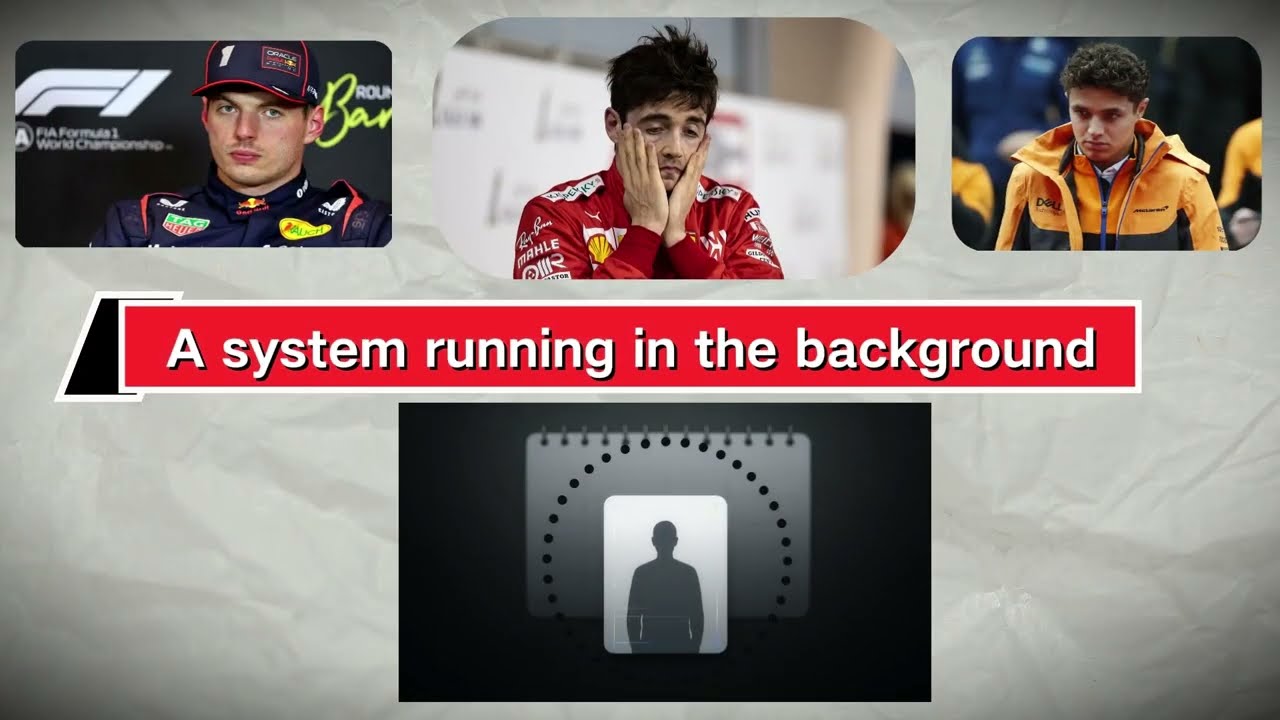
Running quietly in the background of every season is a system that many fans forget until it is too late: penalty points. This is Formula 1’s version of a standard driving license. Drivers who accumulate 12 penalty points within a rolling 12-month period face an automatic race ban.
This system forces drivers to think long-term. A reckless lunge in the first race of the season doesn’t just risk a penalty on the day; it adds points to their license that will stay there for a full year. It creates a psychological burden, forcing aggressive drivers to temper their instincts or risk being benched for a Grand Prix. It is a strict accountability measure designed to curb dangerous driving habits over time.
The Impossibility of Rewriting History
Despite the rigorous process, the system is flawed. Teams can appeal decisions, but the bar for overturning a ruling is incredibly high. They must present “new and significant” evidence that was not available at the time of the original decision. This makes successful appeals rare.
Furthermore, some penalties are physically irreversible. If a driver is wrongly given a drive-through penalty and serves it, that lost time cannot be given back even if the stewards later admit they were wrong. The race has been run; the history has been written. This finality is why the pressure on the stewards is so immense. A wrong decision in the heat of the moment can decide the outcome of a world championship, and once the moment passes, it is gone forever.
Conclusion
Penalties are part of Formula 1’s DNA. They are the invisible walls that define the limits of competition. They protect the drivers from each other and ensure that the sport remains a test of skill rather than a demolition derby. Yet, as the stakes continue to rise and the financial value of the sport explodes, the debate over the amateur status of stewards will only grow louder.
In a sport defined by precision engineering and professional excellence, the reliance on volunteer officials remains a contentious anomaly. Until that changes, the steward’s room will remain the most powerful—and unpredictable—corner of the paddock. Because in Formula 1, the race doesn’t always end at the checkered flag; it ends when the rules say it does.
News

Inside Shane Richie’s love life: Drug – fuelled orgy with six blondes; real reason he split from Coleen Nolan; six-year ‘affair with fan’
Inside Shane Richie’s love life: Orgy with six blondes; real reason he split from Coleen Nolan; six-year ‘affair with fan’ He’s popular with the ladies… Shane Richie…

SH0CKING REVELATI0N:A sh0cking behind-the-scenes secret revealed about Lizzie Rizzini, the woman replacing Carol Kirkwood on the 6pm weather bulletin
BBC viewers still reeling from the departure of Carol Kirkwood got another surprise last night when presenter Lizzie Rizzini appeared to flash her black lace stockings on…

HEARTBREAKING: Peter Andre’s Tearful Message to Son Junior After SHOCKING Revelation About How He Truly Feels Toward Mum Katie Price — Katie Price’s reaction scares fans.
Peter Andre’s emotional message to son Junior after it’s revealed how he really feels about mum Katie Pri… PETER Andre has shared an emotional message to his…

Ben Shephard opens up about the devastating health battle his wife is facing: “She wakes up crying every single morning…”
Inside This Morning Ben Shephard’s Life Including Rarely Seen Wife and Health Battle Ben Shephard is a name synonymous with British television, renowned for his engaging presentation…

🚨 LIVE TV HEARTBREAK: Good Morning Britain Host Announces ‘Devastating’ Dɘath of Guest Minutes Into Show
Viewers of Good Morning Britain were met with heartbreaking news just minutes into Friday’s (January 30) episode, as co-hosts Kate Garraway and Ranvir Singh reported the tragic…

Emmerdale legend Cain Dingle will never be the same again after a shock cancer diagnosis turns his world upside down
FROure Desk. Full Terms and conditions are available on the website http://www.itv.com/presscentre/itvpictures/terms Emmerdale wouldn’t be Emmerdale without the glowering, grunting embodiment of manliness that is Cain Dingle (Jeff Hordley) But…
End of content
No more pages to load






