The Arrival That Shook the World
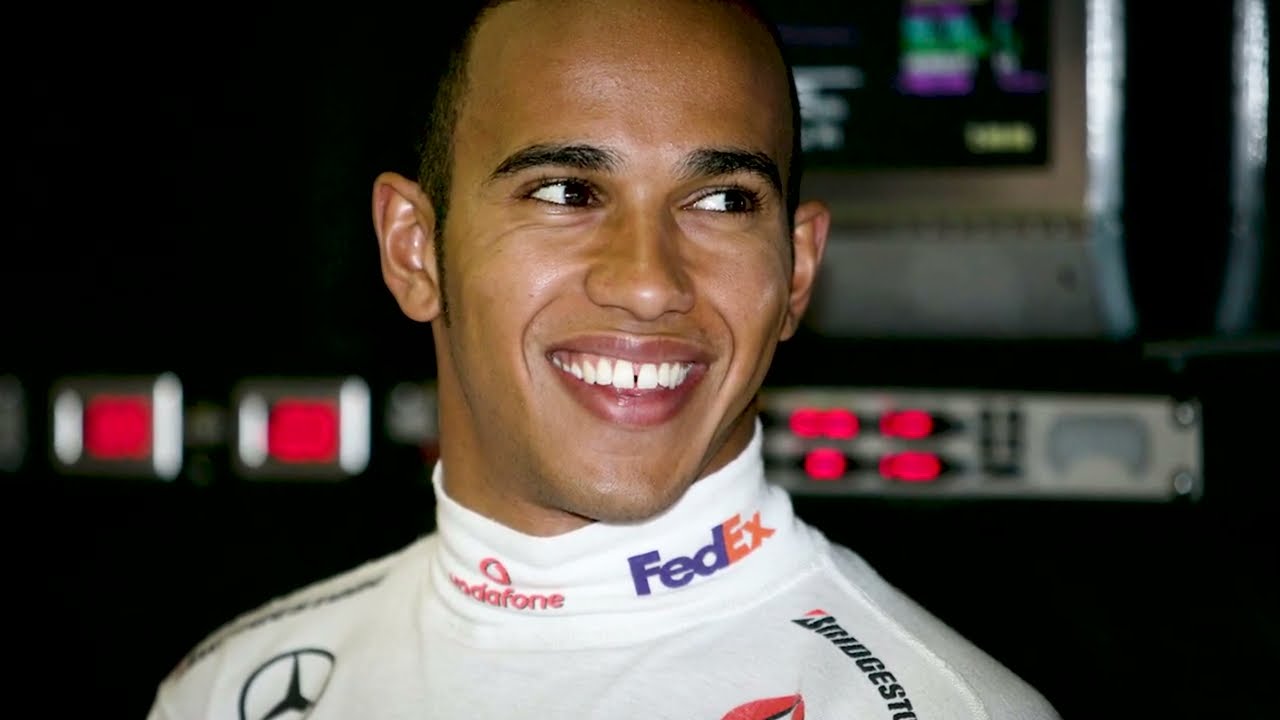
The year was 2007. The location: Melbourne, Australia. The Formula 1 world was comfortable with its hierarchy, expecting rookies to learn their place and veterans to rule the roost. Then, a 22-year-old kid from Stevenage named Lewis Hamilton stepped into a McLaren cockpit.
He wasn’t just any rookie; he was partnered with Fernando Alonso, the reigning two-time world champion. The script said Hamilton should be the dutiful apprentice. But by the end of the first corner, that script was shredded. Hamilton passed Alonso around the outside, a bold, audacious move that announced to the world: I am not here to learn. I am here to take over.
In that single moment, Hamilton destroyed every assumption about the learning curve in elite motorsport. He finished on the podium in his first nine races. He won four times in his debut season. He missed the championship by a single point. It remains, to this day, the greatest rookie season in the history of the sport. But as we now know, that was merely the warm-up act for a career that would redefine greatness.
The Gamble That Changed Everything
Fast forward to 2012. Hamilton had a world title under his belt (the dramatic 2008 victory in Brazil), but frustration was mounting at McLaren. In a move that stunned pundits and fans alike, he announced he was leaving his winning team to join Mercedes—a midfield team struggling to find pace.
Critics called it career suicide. They couldn’t see what Hamilton saw: the vision of Ross Brawn and a team preparing to gamble everything on the radical new regulations of 2014. Hamilton wasn’t just chasing a paycheck; he was chasing a legacy.
When the hybrid era arrived in 2014, Mercedes delivered a masterpiece, and Hamilton unleashed a level of dominance rarely seen in sports. Between 2014 and 2020, he claimed six world titles. The partnership became a dynasty, winning 51 of 59 races in a three-year span alone. But to attribute this success solely to the car is to ignore the evidence of what happened on the track.
More Than Just a Fast Car
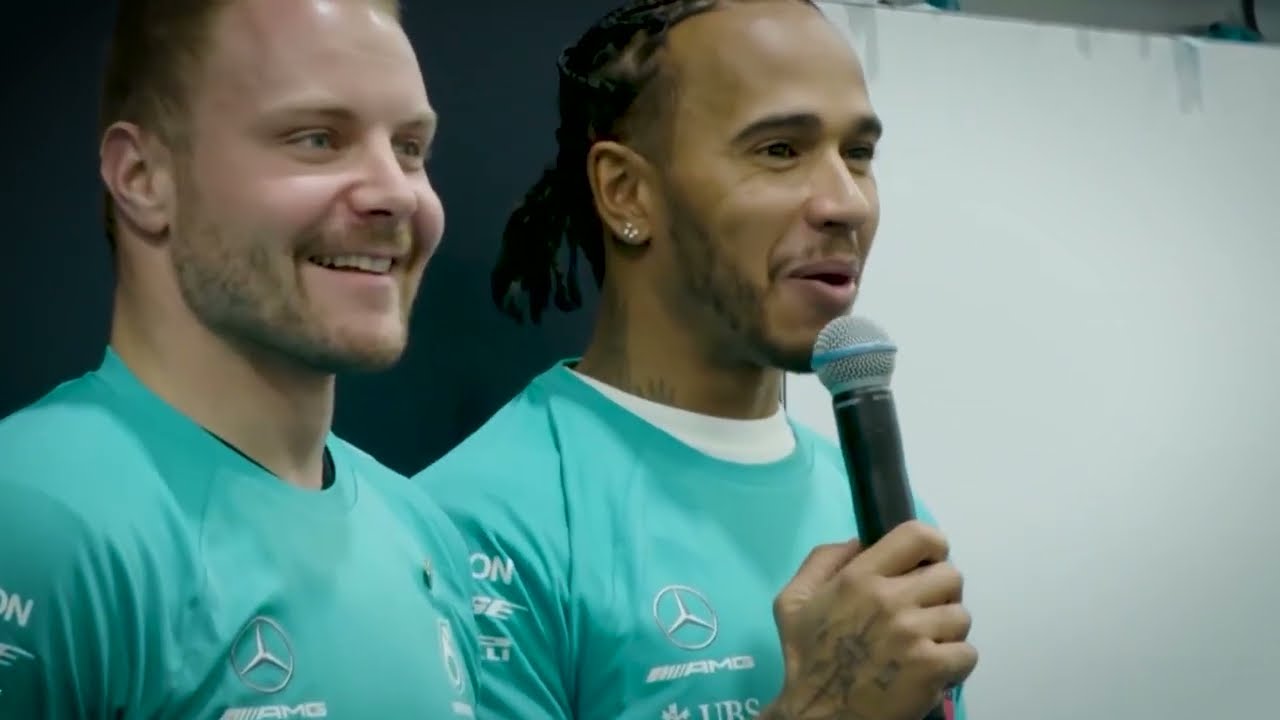
The “it’s just the car” argument falls apart when you look at who was sitting in the other seat. Valtteri Bottas drove the exact same Mercedes machinery as Hamilton from 2017 to 2021. In that time, Hamilton won 50 races and four championships. Bottas won 10 races and zero championships. The equipment was identical; the difference was the human being behind the wheel.
Even against Nico Rosberg, a fiercely quick driver, Hamilton’s edge was undeniable. In their shared time at Mercedes, Hamilton won 31 races to Rosberg’s 20. He had a surgical precision in wheel-to-wheel combat, an uncanny ability to place his car in gaps that didn’t exist, and a “trail braking” technique that allowed him to carry more speed into corners while saving fuel and tires.
The Master of the Impossible
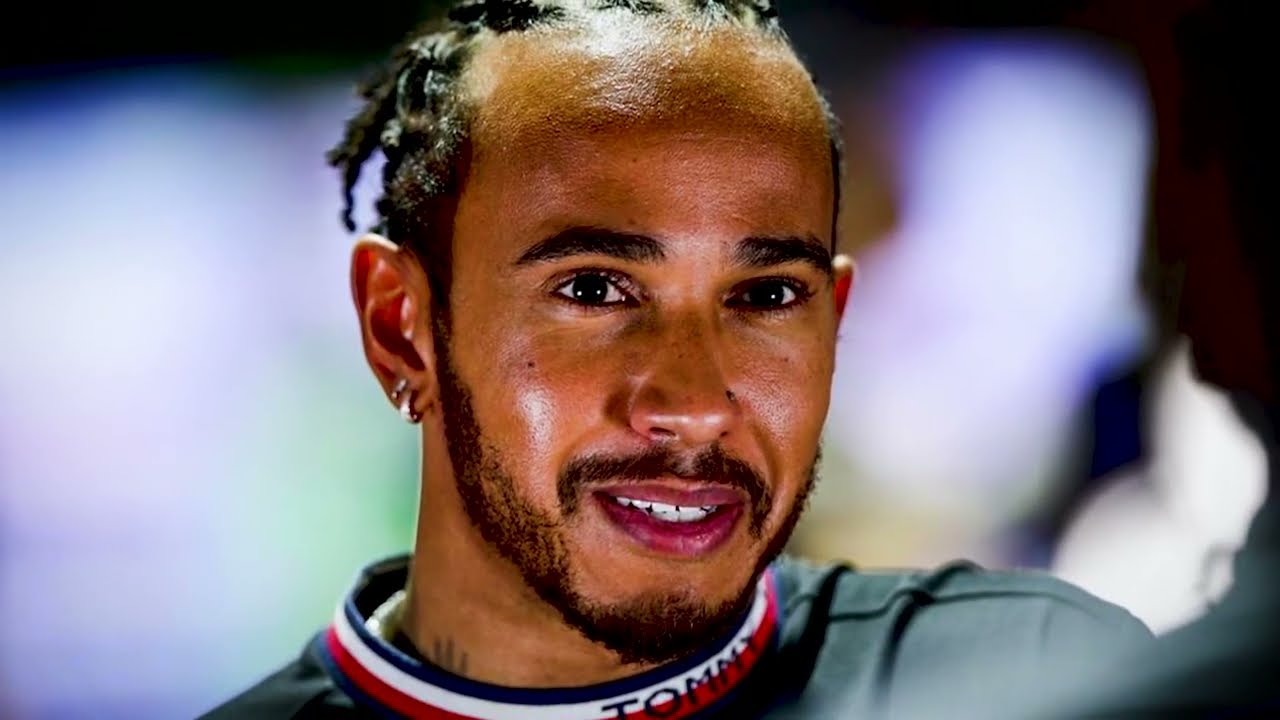
To understand “Prime Hamilton,” you have to look beyond the 105 wins and 104 pole positions. You have to look at the moments where logic failed.
Take the 2020 British Grand Prix. On the final lap, Hamilton’s front-left tire exploded. With Max Verstappen closing in at 30 seconds per lap, Hamilton didn’t park the car. He dragged it, on three wheels, through the corners, balancing a disintegrating machine through sheer force of will to cross the line first. It was the defining image of his tenacity—snatching victory from the jaws of absolute disaster.
Or consider the 2020 Turkish Grand Prix. On a newly resurfaced track that was as slippery as an ice rink, drivers were spinning helplessly. Hamilton qualified sixth. But while others pitted for fresh rubber, Hamilton stayed out on a single set of intermediate tires for 50 laps. He nursed them, massaged them, and turned them into slicks, eventually winning by over 30 seconds to secure his seventh world title. Sebastian Vettel, his longtime rival, told him immediately after the race that it was a privilege to witness history being made.
The Wet Weather King
Perhaps the truest test of a driver’s raw skill is the rain, which acts as a great equalizer, stripping away the car’s aerodynamic advantages. From late 2014 to mid-2019, Hamilton went nearly five years without losing a rain-affected race.
His ability to find grip on a wet track is supernatural. He senses the asphalt’s changing conditions before the data even registers on the pit wall. This “sixth sense” allowed him to pull off victories that defied strategy models, proving that his computer-like consistency was matched by an old-school racer’s instinct.
The Verdict: A Complete Driver
So, how good was Prime Lewis Hamilton? The statistics—seven world titles, over 100 wins, and pole positions—paint a picture of dominance. But the reality is even more impressive. He was a complete driver: rapid in qualifying, imperious in racecraft, unmatched in the rain, and mentally unbreakable.
He faced down Alonso, Vettel, Rosberg, and Verstappen—generations of talent—and beat them all. He broke Michael Schumacher’s “unbreakable” records. When he finally won again at Silverstone in 2024, ending a 945-day drought, the raw emotion from the paddock showed just how much his legacy means to the sport.
Whether he is the undisputed GOAT will always be a subject of heated debate among fans of Senna, Schumacher, and Clark. But on his best days—in the rain at Silverstone, in the heat of Brazil—Lewis Hamilton operated at a level that made the impossible look routine. He didn’t just drive the grid; he destroyed it.
News

Inside Shane Richie’s love life: Drug – fuelled orgy with six blondes; real reason he split from Coleen Nolan; six-year ‘affair with fan’
Inside Shane Richie’s love life: Orgy with six blondes; real reason he split from Coleen Nolan; six-year ‘affair with fan’ He’s popular with the ladies… Shane Richie…

SH0CKING REVELATI0N:A sh0cking behind-the-scenes secret revealed about Lizzie Rizzini, the woman replacing Carol Kirkwood on the 6pm weather bulletin
BBC viewers still reeling from the departure of Carol Kirkwood got another surprise last night when presenter Lizzie Rizzini appeared to flash her black lace stockings on…

HEARTBREAKING: Peter Andre’s Tearful Message to Son Junior After SHOCKING Revelation About How He Truly Feels Toward Mum Katie Price — Katie Price’s reaction scares fans.
Peter Andre’s emotional message to son Junior after it’s revealed how he really feels about mum Katie Pri… PETER Andre has shared an emotional message to his…

Ben Shephard opens up about the devastating health battle his wife is facing: “She wakes up crying every single morning…”
Inside This Morning Ben Shephard’s Life Including Rarely Seen Wife and Health Battle Ben Shephard is a name synonymous with British television, renowned for his engaging presentation…
🚨 LIVE TV HEARTBREAK: Good Morning Britain Host Announces ‘Devastating’ Dɘath of Guest Minutes Into Show
Viewers of Good Morning Britain were met with heartbreaking news just minutes into Friday’s (January 30) episode, as co-hosts Kate Garraway and Ranvir Singh reported the tragic…

Emmerdale legend Cain Dingle will never be the same again after a shock cancer diagnosis turns his world upside down
FROure Desk. Full Terms and conditions are available on the website http://www.itv.com/presscentre/itvpictures/terms Emmerdale wouldn’t be Emmerdale without the glowering, grunting embodiment of manliness that is Cain Dingle (Jeff Hordley) But…
End of content
No more pages to load






