The 2026 Formula 1 season was promised as a clean slate. A reset. A new era of sustainable fuels, electric power, and a leveled playing field that would bring the grid closer together. But as the countdown to the first lights out in Melbourne ticks away, the silence of the winter break has been shattered by the sound of a brewing storm. Behind the closed doors of high-tech factories and FIA offices, a war has erupted—one that threatens to decide the championship before a single wheel has turned in anger.
The controversy centers on a technical regulation that sounds deceptively boring: compression ratio. But make no mistake, in the cutthroat world of Formula 1, this “boring” number is currently the difference between a winning car and a mid-field struggler, and potentially, the catalyst for a season full of lawsuits and protests.
The 16:1 Rule and the “Thermal” Loophole
Here is the issue in plain English. For the new 2026 power units, the FIA set a strict limit on the engine’s compression ratio—the measure of how much the fuel-air mixture is squeezed before ignition. To keep costs down and attract new manufacturers, this ratio was capped at 16:1. It was written in black and white. Simple, right?
Not in Formula 1.
While teams like Ferrari, Audi, and Honda reportedly read the rule as a hard limit to be obeyed at all times, others—specifically Mercedes and Red Bull Powertrains—are accused of finding a “grey area” large enough to drive a truck through.
Insiders suggest that these teams have engineered their power units to pass the FIA’s checks when the car is stationary in the garage (where the ratio is legally 16:1). However, once the engine is fired up and running flat-out on the track, the immense heat causes the materials to expand—a phenomenon known as thermal expansion. This expansion allegedly alters the internal geometry of the engine, allowing the compression ratio to creep up towards the old standard of 18:1.
This might sound like minor technical jargon, but on the track, a higher compression ratio means more explosive power and better efficiency. In a sport measured in thousandths of a second, it is a massive, potential championship-winning advantage.
The Paddock Split: “Clever Engineering” or “Cheating”?
The revelation has split the paddock into two hostile camps. On one side, you have the “purists”—Ferrari, Audi, and Honda—who followed the intent of the rule and are now looking at their rivals’ potential advantage with horror. They argue that a rule is a rule, and “at all times” means at all times, not just when the scrutineers are looking.
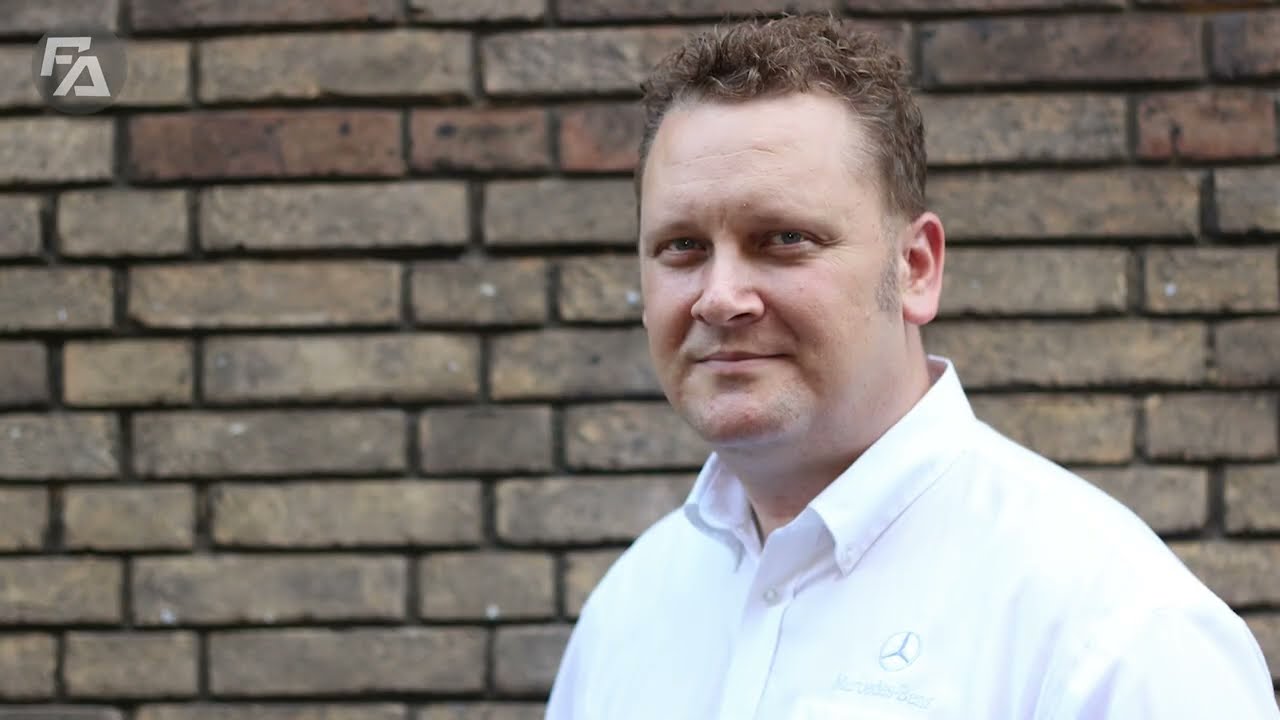
On the other side are the “innovators.” Ben Hodgkinson, the technical boss at Red Bull Powertrains, has come out swinging, dismissing the complaints as nothing more than panic from rivals who missed a trick.
“I think there’s some nervousness from various power unit manufacturers that there might be some clever engineering going on in some teams,” Hodgkinson said, his confidence bordering on defiance. “I know what we’re doing. I’m confident that what we’re doing is legal. Any engineer that doesn’t understand about thermal expansion doesn’t deserve to be in this sport.”
It’s a bold defense: We aren’t cheating; we’re just better engineers. But to the teams that played it safe, it smells like a cynical exploitation of a loophole that undermines the entire spirit of the 2026 reset.
The “Groundbreaking” Meeting
The situation has become so toxic that the FIA has been forced to call a “groundbreaking” emergency meeting. The governing body is desperate to avoid a scenario where the season opener in Australia is overshadowed by protests and disqualifications.
The FIA’s dilemma is agonizing. If they clamp down now and close the loophole immediately, they risk the wrath of Mercedes and Red Bull, who may have designed their entire engine architecture around this concept. Banning it this late could effectively destroy their seasons before they start.
However, if they do nothing, they risk handing a baked-in advantage to the loophole teams for the entire year. James Key, technical director at Audi (formerly Sauber), warned that allowing such a discrepancy would be unacceptable.
“You’ve got to have a level playing field,” Key insisted. “If a team comes with a clever diffuser and you said ‘it’s not right, no one can have it, but you can have it for the whole year’… It doesn’t make sense. We’d never accept that.”
Key’s reference to “diffusers” sends a chill down the spine of long-time fans. It recalls the 2009 season, where Brawn GP’s “double diffuser” decimated the field, leaving everyone else fighting for scraps. The FIA knows they cannot afford a repeat of that unbalance in year one of a new era.
Cadillac Caught in the Middle
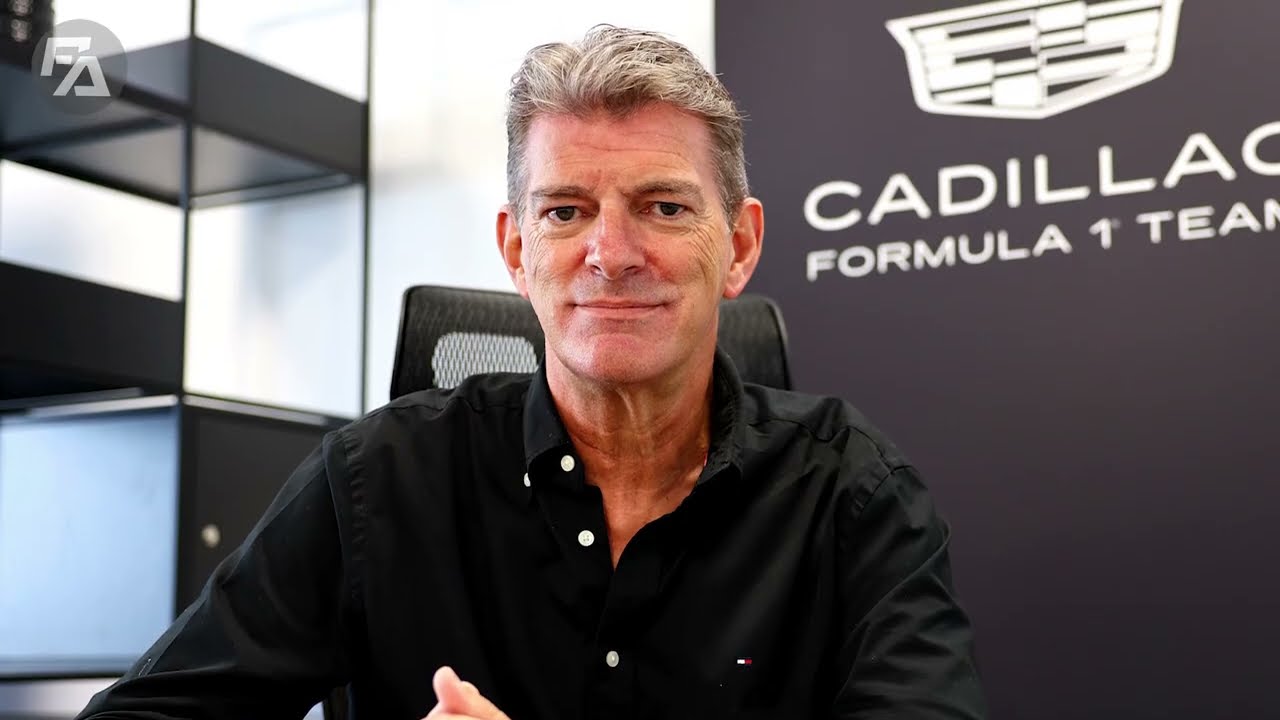
Caught in the crossfire of this political war is Formula 1’s newest entrant, Cadillac. The American team, backed by General Motors, is set to make its historic debut in 2026. They have already hit the track for a shakedown at Silverstone, with their new star driver Sergio Perez behind the wheel—a massive statement of intent.
Cadillac is using Ferrari power units for their first few seasons, placing them firmly in the “legal” camp. Team Principal Graeme Lowdon has voiced his full support for his engine partner, expressing relief that they are on the “safe” side of the regulations.
“What I’m very confident and happy about is we have a fully legal engine,” Lowdon stated. “We know that Ferrari have completely followed the rules… It’s extremely clear, it’s there in black and white.”
But Lowdon’s confidence highlights the fear: if the “black and white” rules are allowed to turn grey, Cadillac and Ferrari could find themselves bringing a knife to a gunfight. Being “legal” is cold comfort if you are two seconds a lap slower than a “clever” rival.
The War Has Begun
Pre-season testing in Barcelona and Bahrain is just around the corner. Once the cars hit the track in anger, the whispers will turn into hard data. If Mercedes and Red Bull suddenly show a significant pace advantage, the “noise” Hodgkinson dismisses will turn into a roar of protest.
The 2026 regulations were supposed to be about innovation, sustainability, and close racing. Instead, we are back to the most traditional of F1 traditions: arguing over millimeters, interpretations, and the definition of the word “is.”
The FIA has a near-impossible decision to make in the coming days. Do they punish the innovators to protect the spirit of the rules? Or do they reward the risk-takers and tell the others to catch up?
One thing is certain: The engines haven’t even raced yet, but the battle for the 2026 World Championship is already underway. And right now, it’s getting very, very dirty.
News

Inside Shane Richie’s love life: Drug – fuelled orgy with six blondes; real reason he split from Coleen Nolan; six-year ‘affair with fan’
Inside Shane Richie’s love life: Orgy with six blondes; real reason he split from Coleen Nolan; six-year ‘affair with fan’ He’s popular with the ladies… Shane Richie…

SH0CKING REVELATI0N:A sh0cking behind-the-scenes secret revealed about Lizzie Rizzini, the woman replacing Carol Kirkwood on the 6pm weather bulletin
BBC viewers still reeling from the departure of Carol Kirkwood got another surprise last night when presenter Lizzie Rizzini appeared to flash her black lace stockings on…

HEARTBREAKING: Peter Andre’s Tearful Message to Son Junior After SHOCKING Revelation About How He Truly Feels Toward Mum Katie Price — Katie Price’s reaction scares fans.
Peter Andre’s emotional message to son Junior after it’s revealed how he really feels about mum Katie Pri… PETER Andre has shared an emotional message to his…

Ben Shephard opens up about the devastating health battle his wife is facing: “She wakes up crying every single morning…”
Inside This Morning Ben Shephard’s Life Including Rarely Seen Wife and Health Battle Ben Shephard is a name synonymous with British television, renowned for his engaging presentation…

🚨 LIVE TV HEARTBREAK: Good Morning Britain Host Announces ‘Devastating’ Dɘath of Guest Minutes Into Show
Viewers of Good Morning Britain were met with heartbreaking news just minutes into Friday’s (January 30) episode, as co-hosts Kate Garraway and Ranvir Singh reported the tragic…

Emmerdale legend Cain Dingle will never be the same again after a shock cancer diagnosis turns his world upside down
FROure Desk. Full Terms and conditions are available on the website http://www.itv.com/presscentre/itvpictures/terms Emmerdale wouldn’t be Emmerdale without the glowering, grunting embodiment of manliness that is Cain Dingle (Jeff Hordley) But…
End of content
No more pages to load






