The Glitter Fades, The Stopwatch Remains
The 2026 Formula 1 launch season has officially concluded, a whirlwind 16-hour finale that saw the sport’s newest challenger, a world champion outfit, and Adrian Newey’s new home reveal their true colors. But as the confetti settles from Super Bowl extravaganzas and Saudi Arabian light shows, the cold, hard data from the track is painting a starkly different picture. The hype is over; the panic—and the planning—has begun.
While liveries and digital renders dominated the headlines, the real story emerged from the asphalt of Barcelona and the boardrooms of the teams. From Cadillac’s “backmarker” confession to Aston Martin’s race against a 4-month delay, the final reveals have exposed the brutal pecking order of the new era.
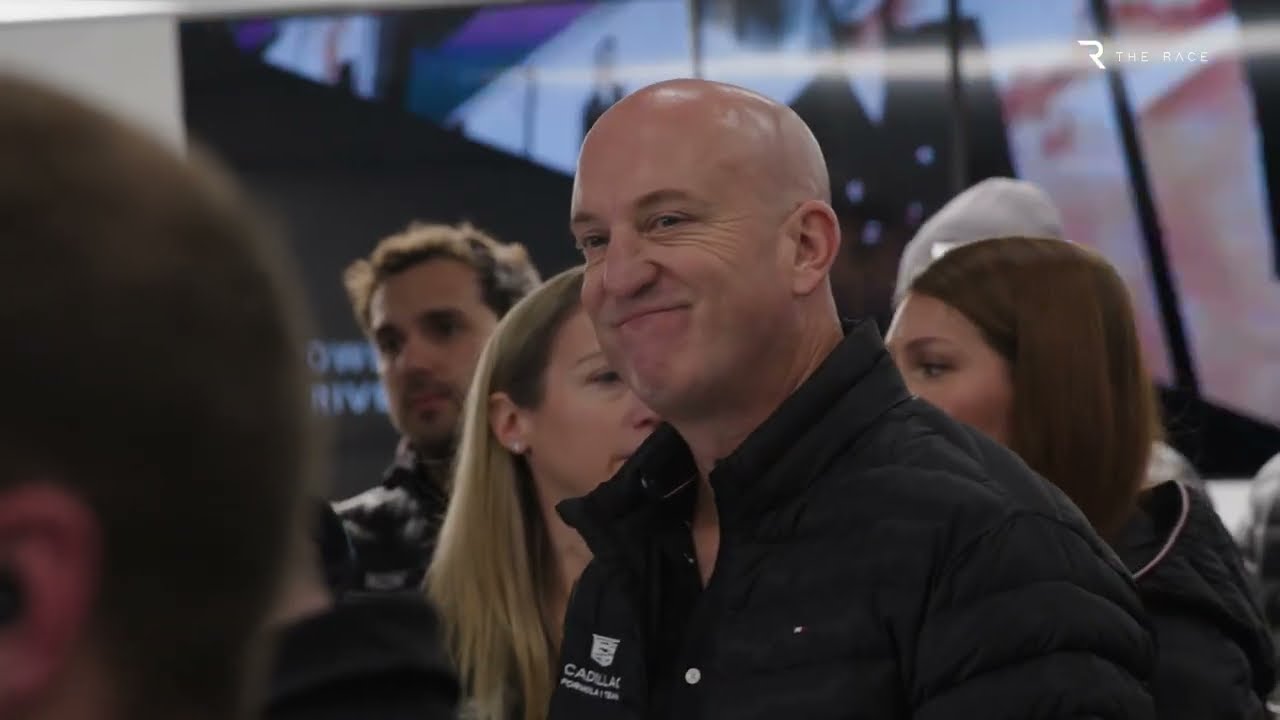
Cadillac: The “Super Bowl” Spectacle vs. The “Backmarker” Truth
Cadillac entered Formula 1 with the subtlety of a sledgehammer. Launching their “unconventional split sides” livery during the Super Bowl and parking a car in Times Square was a statement of intent: American muscle has arrived. But according to Dan Towriss, CEO of the TWG Motorsports brand running the team, the on-track reality is far more humbling.
“All expectations are that Cadillac will be at the back,” the report confirms.
The numbers from the Barcelona shakedown are sobering. Cadillac managed just 164 laps—roughly one-third of the mileage accumulated by Mercedes. More alarmingly, their pace was a staggering 4.572 seconds off the fastest time set by Lewis Hamilton. In modern Formula 1, where gaps are measured in thousandths, 4.5 seconds is an eternity. It is the difference between a race car and a safety car.
However, buried in that deficit is a glimmer of hope. The critical hurdle for any new team is the “107% Rule”—a regulation that bars cars from racing if they are too slow in qualifying. Valtteri Bottas’s lap time was approximately 6% adrift of the benchmark. Crucially, the 107% cutoff is calculated based on the fastest time in Q1, not the absolute pole position lap. This suggests Cadillac is “in the ballpark” to strictly qualify for the race, avoiding the humiliating fate of HRT in 2012.
The team is a paradox: they boast “2,500 combined years of F1 experience” at the senior level, yet the group has only been working together for about 11 months. They are operating in “double quick time,” building a team from scratch while rivals have had decades of continuity. The verdict? Cadillac will likely slot in somewhere between the 2016 Haas debut (points on entry) and the 2010 struggles of Lotus and Virgin. They are safe, but they are slow.
Aston Martin: The “Unpainted” Car and the 4-Month Void
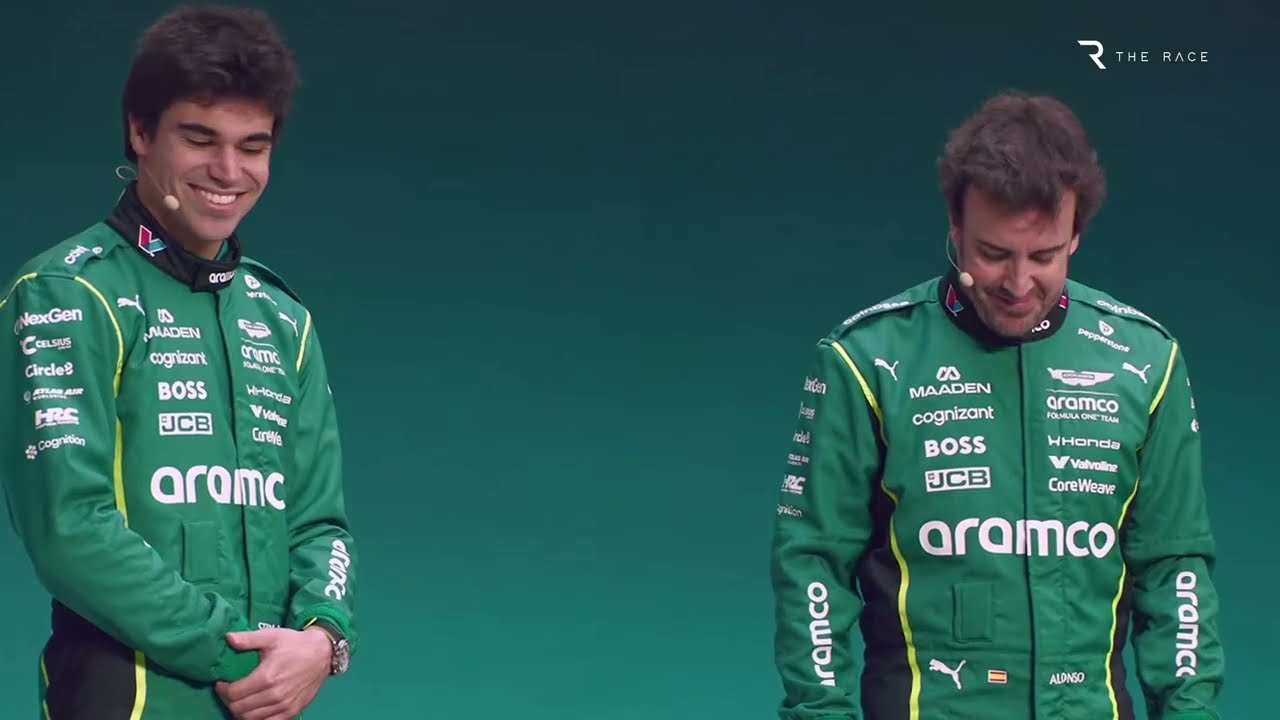
If Cadillac’s struggle was expected, Aston Martin’s situation is a shock to the system. The arrival of design genius Adrian Newey as Team Principal and shareholder was supposed to signal an immediate threat to the established order. Instead, the team is playing catch-up.
The revelation from their Saudi Arabia launch is startling: Aston Martin lost approximately four months of development due to delays in getting their car into the new wind tunnel, which only came online in mid-April. The schedule was so compressed that the car running in Barcelona was “unpainted carbon black” simply because they didn’t have time to apply the livery.
“They don’t know yet where they stand,” the report admits. The Barcelona test was largely wasted on constant-speed running just to check systems, leaving them with almost no performance data compared to Ferrari, Mercedes, or Red Bull.
However, the mood isn’t one of panic, but of patience. Newey and star driver Fernando Alonso are preaching “the long game.” The car’s philosophy is a holistic concept Newey developed during his “gardening leave” from Red Bull. It’s a unique approach that the team has bought into completely. The message is clear: do not judge Aston Martin by the Australian Grand Prix. This is a season of rapid development, and with Newey at the helm, the car that starts the season may look nothing like the one that finishes it.
McLaren: The Silent Assassins?
While Cadillac manages expectations and Aston Martin manages delays, McLaren is managing… silence. The Woking-based squad has adopted a strategy of aggressive modesty. They revealed their “proper” 2026 colors just before the Bahrain test, but their words have been carefully chosen to hype up everyone but themselves.
CEO Zak Brown has pointed to the Red Bull engine as a “surprise,” while Team Principal Andrea Stella has lauded the Mercedes power unit for “raising the bar.” It’s a classic deflection tactic.
Why the modesty? Because the data suggests McLaren might be in a very strong position. Despite completing low mileage (beating only the strugglers like Audi and Cadillac), their simulation data is perfectly correlating with what they see on track. Their fastest lap in Barcelona was within 0.2 seconds of Hamilton’s benchmark.
Unlike Aston Martin, there are “no major red flags.” Unlike Cadillac, there is no fear of qualifying. McLaren seems to be confident that their MCL40 is a “strong contender.” In a season where reliability and development speed will be king, starting with a car that simply works and matches the simulator is a massive advantage.
The Bahrain Crucible
The “launch season” is merely a beauty pageant. The real war begins in Bahrain. This is where engines will be turned up, fuel loads will be dropped, and the sandbagging will stop.
For Cadillac, it is a test of survival: can they close the gap enough to look respectable? For Aston Martin, it is a test of validity: does Newey’s “holistic philosophy” actually work on track? And for McLaren, it is a test of truth: are they really just 0.2 seconds away from glory?
The 2026 era has arrived, and as the final reveals have shown, not everyone is ready for what comes next.
News

Inside Shane Richie’s love life: Drug – fuelled orgy with six blondes; real reason he split from Coleen Nolan; six-year ‘affair with fan’
Inside Shane Richie’s love life: Orgy with six blondes; real reason he split from Coleen Nolan; six-year ‘affair with fan’ He’s popular with the ladies… Shane Richie…

SH0CKING REVELATI0N:A sh0cking behind-the-scenes secret revealed about Lizzie Rizzini, the woman replacing Carol Kirkwood on the 6pm weather bulletin
BBC viewers still reeling from the departure of Carol Kirkwood got another surprise last night when presenter Lizzie Rizzini appeared to flash her black lace stockings on…

HEARTBREAKING: Peter Andre’s Tearful Message to Son Junior After SHOCKING Revelation About How He Truly Feels Toward Mum Katie Price — Katie Price’s reaction scares fans.
Peter Andre’s emotional message to son Junior after it’s revealed how he really feels about mum Katie Pri… PETER Andre has shared an emotional message to his…

Ben Shephard opens up about the devastating health battle his wife is facing: “She wakes up crying every single morning…”
Inside This Morning Ben Shephard’s Life Including Rarely Seen Wife and Health Battle Ben Shephard is a name synonymous with British television, renowned for his engaging presentation…

🚨 LIVE TV HEARTBREAK: Good Morning Britain Host Announces ‘Devastating’ Dɘath of Guest Minutes Into Show
Viewers of Good Morning Britain were met with heartbreaking news just minutes into Friday’s (January 30) episode, as co-hosts Kate Garraway and Ranvir Singh reported the tragic…

Emmerdale legend Cain Dingle will never be the same again after a shock cancer diagnosis turns his world upside down
FROure Desk. Full Terms and conditions are available on the website http://www.itv.com/presscentre/itvpictures/terms Emmerdale wouldn’t be Emmerdale without the glowering, grunting embodiment of manliness that is Cain Dingle (Jeff Hordley) But…
End of content
No more pages to load






