The engines haven’t even fired up for the first race of the new era, yet the Formula 1 paddock is already engulfed in a technical firestorm that threatens to decide the 2026 World Championship before it even begins.
In a sport defined by tenths of a second, a discovery has emerged that is measuring advantages in seconds—or at least, a massive chunk of one. A controversial exploitation of the 2026 engine regulations has reportedly handed two manufacturers—widely believed to be Mercedes and Red Bull Powertrains—a devastating performance advantage that their rivals, including Ferrari, Audi, and Honda, may be powerless to overcome for at least a year.
The “Loophole” That Changed Everything
At the heart of this controversy is a dry, technical figure: the compression ratio. In an effort to level the playing field for new entrants like Audi, the 2026 regulations mandated a reduction in the engine compression ratio from roughly 18:1 down to a strict 16:1.
The intention of the rule was clear: lower the ceiling to stop established manufacturers from gaining a massive advantage through complex combustion science. However, the wording of the rule left a door arguably wide open. The regulations state that the compression ratio is checked and measured when the car is stationary and at ambient temperature.
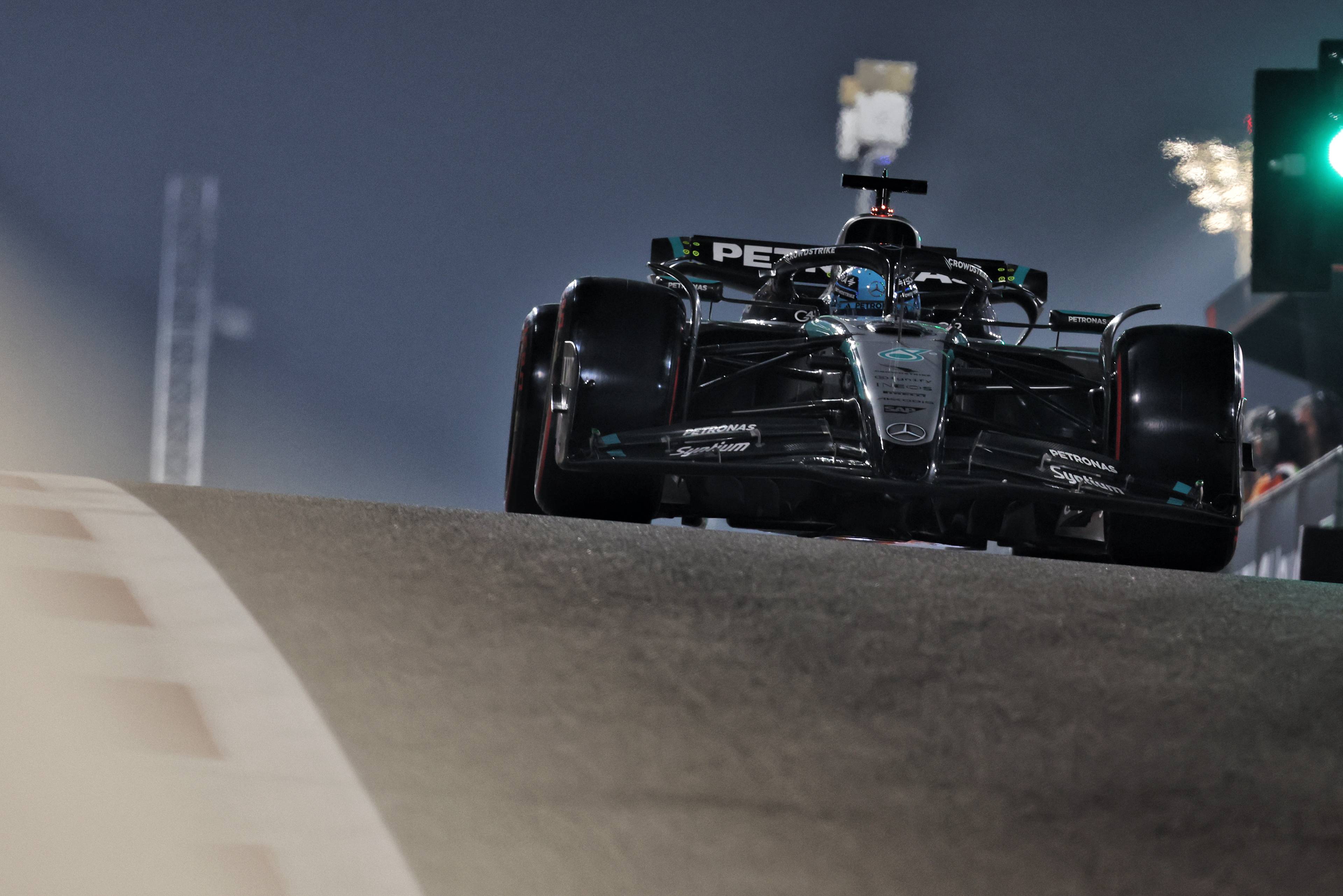
It appears that while some teams (like Ferrari and Audi) designed their engines to strictly adhere to a 16:1 limit under all conditions, others took a more creative approach. Sources indicate that Mercedes and Red Bull have designed power units that pass the 16:1 check when cold, but physically expand or alter their geometry once they reach operating temperature on the track. This “thermal expansion” allows the compression ratio to creep back up towards 18:1 during the race.
A Devastating Performance Gap
This might sound like minor engineering semantics, but the on-track impact is nothing short of catastrophic for the competition.
Raising the compression ratio from 16 to 18 is estimated to unlock approximately 10 kilowatts of power—about 13 horsepower. In Formula 1 terms, where engineers fight for single horsepower gains, this is a goldmine. Calculations suggest this power boost translates to a lap time advantage of 0.3 to 0.4 seconds.
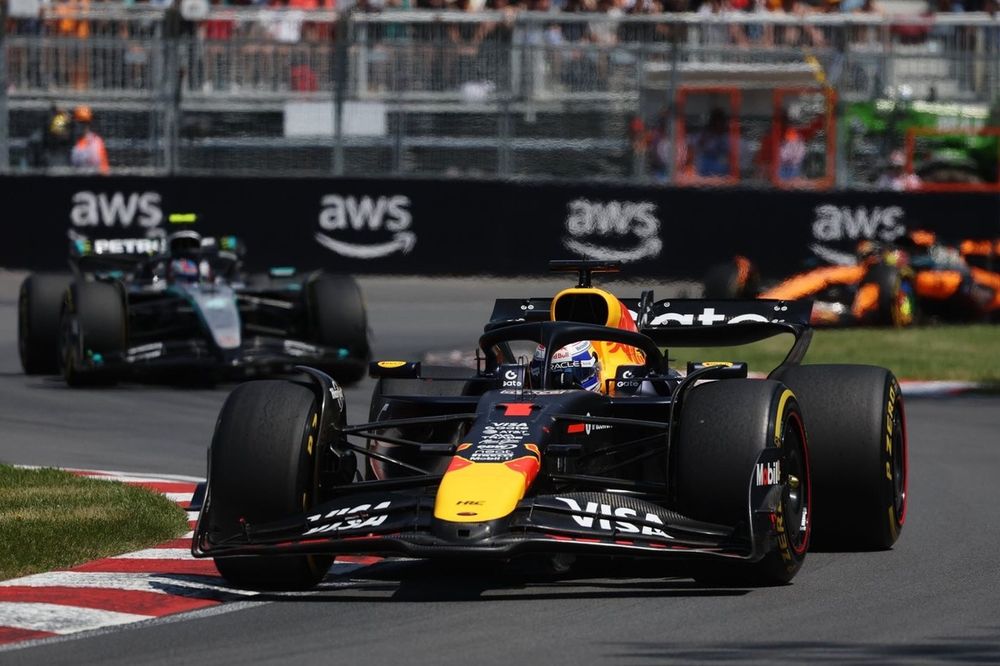
To put that into perspective, 0.4 seconds was often the gap between pole position and the midfield in the 2025 season. It is a “championship-deciding” margin. If Mercedes and Red Bull start the season with this advantage locked in, they will effectively be racing in a different category than Ferrari and Honda.
“No Hope Until 2027”
The panic among the rival teams is palpable because this isn’t a problem that can be fixed with a quick software update or a new front wing. An F1 engine is a complex piece of hardware with incredibly long lead times for design and manufacturing.
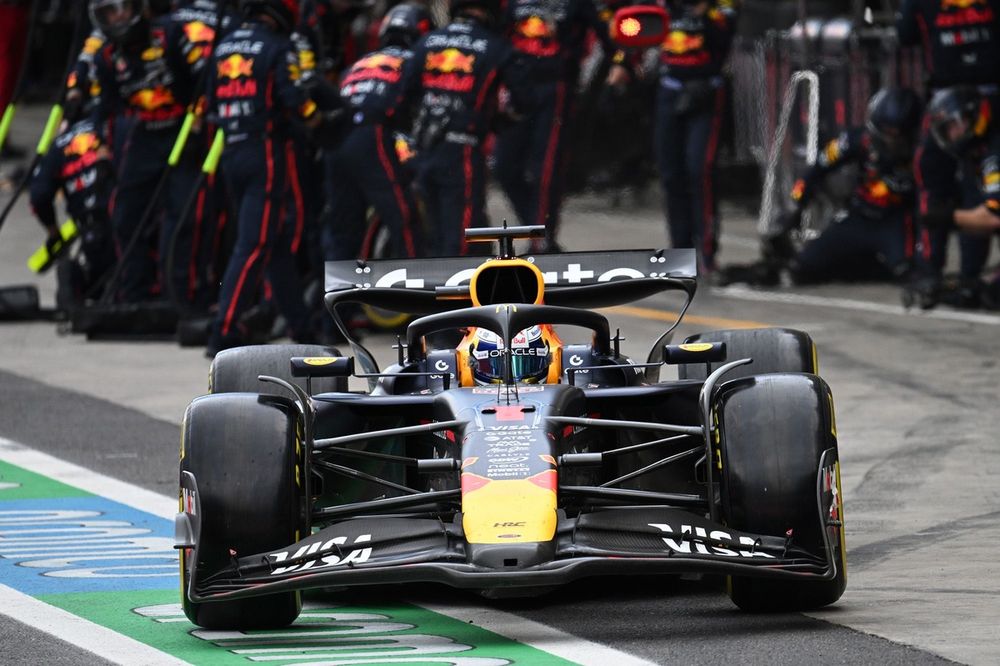
If Ferrari or Audi were to decide today to redesign their engine to exploit this same loophole, they would effectively be starting from scratch. They would need to scrap their current architecture, redesign the block and pistons to account for different thermal expansion properties, and re-homologate the unit. Experts estimate this process would take months, effectively writing off the entire 2026 season.
As the paddock whispers suggest, if you haven’t done it already, there is “no hope until 2027.”
Is It Legal?
This is the billion-dollar question. The teams on the wrong side of this gap view it as a violation of the rule’s intent. They argue that a limit should be a limit, regardless of temperature.
However, the FIA’s current stance appears to be one of “letters over spirit.” The rulebook dictates the check is performed at ambient temperature. If the car passes that check, it is legal. The FIA cannot physically measure the compression ratio of a piston moving at 12,000 RPM inside an exploding cylinder while the car is doing 200 mph. Therefore, what happens out on the track is technically beyond the scope of the static enforcement check.
Mercedes, for their part, argue they have simply followed the regulations. They saw a test defined by specific parameters (cold, stationary), and they built a car to pass that test while maximizing performance everywhere else. In the history of F1—from the Brawn double diffuser to the flexible wings of the Red Bull era—this kind of ingenuity is usually celebrated, not banned.
The Looming Political War
While the FIA seems reluctant to intervene for 2026, the political maneuvering has only just begun. Ferrari is reportedly considering a formal protest, likely citing a catch-all regulation that demands cars must comply “at all times.”
A protest might not result in a ban—disqualifying half the grid would be a PR disaster for the sport—but it could be a strategic “fishing expedition.” By forcing the matter into court, rivals could compel Mercedes and Red Bull to reveal the technical details of how they achieved this variable compression. This intelligence would be crucial for Ferrari and others to fast-track their own copies for the 2027 season.
There is also a “balance of power” mechanism in the 2026 rules that allows manufacturers who are significantly behind (more than 3% down on power) to make development upgrades. It is possible that rivals will use this political crisis to demand the FIA allows them to break the engine freeze early to catch up.
A Broken Season or Engineering Excellence?
For the fans, the news brings a mix of awe and dread. There is a deep respect for the genius of engineers who can find a 0.4-second gain in the fine print of a rulebook. That is the DNA of Formula 1.
However, the prospect of a two-tier championship where half the manufacturers are non-competitive by default is a hard pill to swallow for a sport desperate for close racing. If the advantage is as real as the data suggests, the 2026 trophy may already have one hand on it, months before the lights go out in Melbourne.
For now, the message to Tifosi and fans of the new Audi project is grim: brace yourselves. It’s going to be a long year.
News

Inside Shane Richie’s love life: Drug – fuelled orgy with six blondes; real reason he split from Coleen Nolan; six-year ‘affair with fan’
Inside Shane Richie’s love life: Orgy with six blondes; real reason he split from Coleen Nolan; six-year ‘affair with fan’ He’s popular with the ladies… Shane Richie…

SH0CKING REVELATI0N:A sh0cking behind-the-scenes secret revealed about Lizzie Rizzini, the woman replacing Carol Kirkwood on the 6pm weather bulletin
BBC viewers still reeling from the departure of Carol Kirkwood got another surprise last night when presenter Lizzie Rizzini appeared to flash her black lace stockings on…

HEARTBREAKING: Peter Andre’s Tearful Message to Son Junior After SHOCKING Revelation About How He Truly Feels Toward Mum Katie Price — Katie Price’s reaction scares fans.
Peter Andre’s emotional message to son Junior after it’s revealed how he really feels about mum Katie Pri… PETER Andre has shared an emotional message to his…

Ben Shephard opens up about the devastating health battle his wife is facing: “She wakes up crying every single morning…”
Inside This Morning Ben Shephard’s Life Including Rarely Seen Wife and Health Battle Ben Shephard is a name synonymous with British television, renowned for his engaging presentation…

🚨 LIVE TV HEARTBREAK: Good Morning Britain Host Announces ‘Devastating’ Dɘath of Guest Minutes Into Show
Viewers of Good Morning Britain were met with heartbreaking news just minutes into Friday’s (January 30) episode, as co-hosts Kate Garraway and Ranvir Singh reported the tragic…

Emmerdale legend Cain Dingle will never be the same again after a shock cancer diagnosis turns his world upside down
FROure Desk. Full Terms and conditions are available on the website http://www.itv.com/presscentre/itvpictures/terms Emmerdale wouldn’t be Emmerdale without the glowering, grunting embodiment of manliness that is Cain Dingle (Jeff Hordley) But…
End of content
No more pages to load






