If you have been following Formula 1 for the past few years, you might think you know the pecking order. You know who the dominant forces are, who struggles in the midfield, and which drivers are the safe bets. But let me stop you right there. As we stand on the precipice of the 2026 season, everything you think you know is about to be thrown out the window.
Welcome to the year zero of modern motorsport.
The 2026 Formula 1 season is not merely “another year” of racing. It is a complete, ground-up reimagining of the sport. For the first time in recent memory, the sport is undergoing a simultaneous revolution in both chassis and power unit regulations. This double whammy means that every single team—from the defending champions McLaren to the newest entrants—is starting from a blank sheet of paper. There is no carrying over the dominant car from last year. There is no “evolution.” There is only revolution. And for the fans, that means one thing: pure, unadulterated chaos.
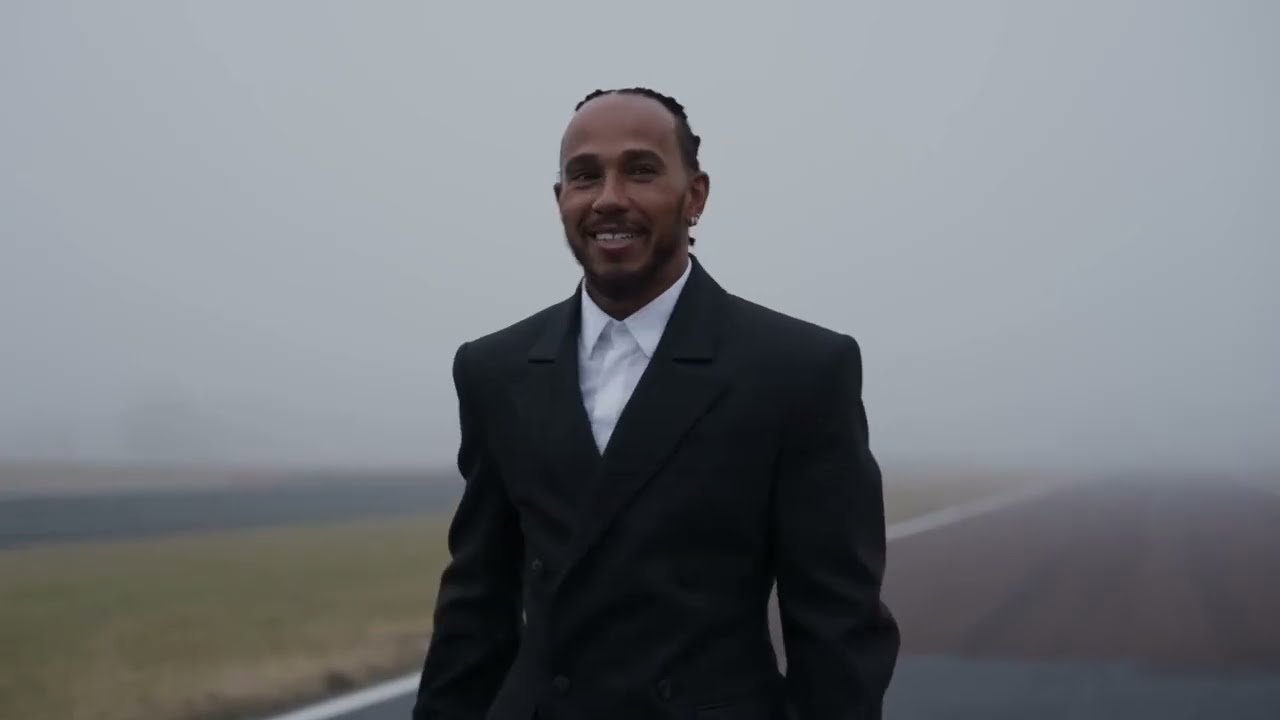
The Machines: Leaner, Meaner, and “Shape-Shifting”
Let’s start with the hardware. For years, drivers and fans alike have complained that F1 cars have become too heavy, too boat-like, and too cumbersome. The FIA has finally listened. The 2026 machines are a direct response to those criticisms, designed to be more nimble and combat-ready.
The new cars are significantly smaller. The wheelbase has been slashed by 20 centimeters, the width narrowed by 10 centimeters, and perhaps most critically, the minimum weight has been dropped by 30 kilograms. In the world of high-performance engineering, where teams spend millions to save grams, a 30kg reduction is monumental. These cars will feel alive in a way the previous generation did not. They are designed to be twitchy, responsive, and physically demanding.
But the headline-grabbing feature isn’t the size; it’s the air. The Drag Reduction System (DRS), a staple of overtaking for 15 years, is dead. In its place comes the era of “Active Aerodynamics.”
Imagine a car that changes its shape as it races. In 2026, drivers will have control over movable wings on both the front and rear of the car. On the straights, the wings will flatten out to slash drag and boost top speed. As they hit the braking zone for a corner, the wings will deploy to generate massive downforce, gluing the car to the tarmac. It sounds like science fiction, but it is the new reality. This system is designed to allow cars to follow each other closely through corners without washing out in “dirty air,” theoretically leading to tighter, wheel-to-wheel combat. However, with a general 30% reduction in overall downforce, the cars will be slower in the corners and faster on the straights, forcing drivers to recalibrate their internal gyroscopes entirely.
The Power Unit: A 50/50 Electric Revolution
Under the hood, the changes are even more radical. The internal combustion engine remains, but its role has changed. The new power units feature a 50/50 split between electric power and petrol power.
Previously, the electric hybrid system was a helpful boost. Now, it is half the show. The electric motors are three times more powerful than their predecessors. To balance this, the fuel tanks have shrunk from roughly 105kg to just 70kg. This creates a fascinating strategic dilemma that drivers are already calling a “chess match.”
Drivers can no longer simply plant their foot on the floor and drive flat-out from lights to flag. With less fuel and a massive dependency on battery deployment, energy management becomes the primary skill differentiator. They must decide tactically when to deploy their massive electric torque for an overtake and when to harvest energy to survive the stint. It is a cerebral challenge that will expose the drivers who rely solely on raw speed versus those who can think three laps ahead.
Furthermore, the sport has achieved a massive sustainability milestone: 100% sustainable fuel. Derived from biological waste and plant matter rather than fossil fuels, this keeps the combustion engine roaring while aligning with global automotive trends. It’s a message that F1 is future-proofing itself without losing its soul.
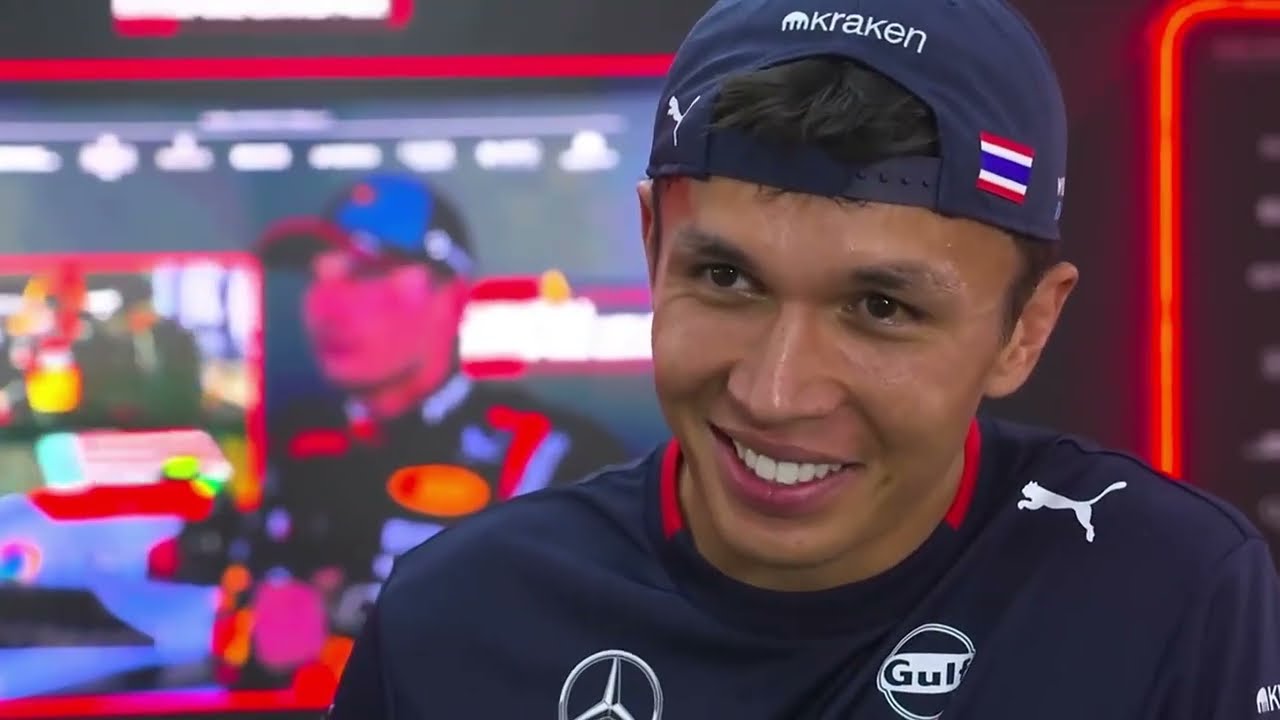
The Grid: New Faces, New Colors, and Old Rivalries
The technical regulations are only half the story. The human drama for 2026 is off the charts. The grid has expanded to 11 teams and 22 drivers, injecting new blood and reviving old storylines.
The Cadillac Factor The biggest news on the team front is the arrival of Cadillac. The American giant enters the sport not just to make up the numbers but to compete. They have made a statement by signing two drivers hungry for redemption: Valtteri Bottas and Sergio Perez. Both are race winners, both have been bruised by their times at top teams, and both are looking to prove they are still elite. While a debut team winning immediately is unlikely, Cadillac has the financial muscle to become a threat sooner rather than later.
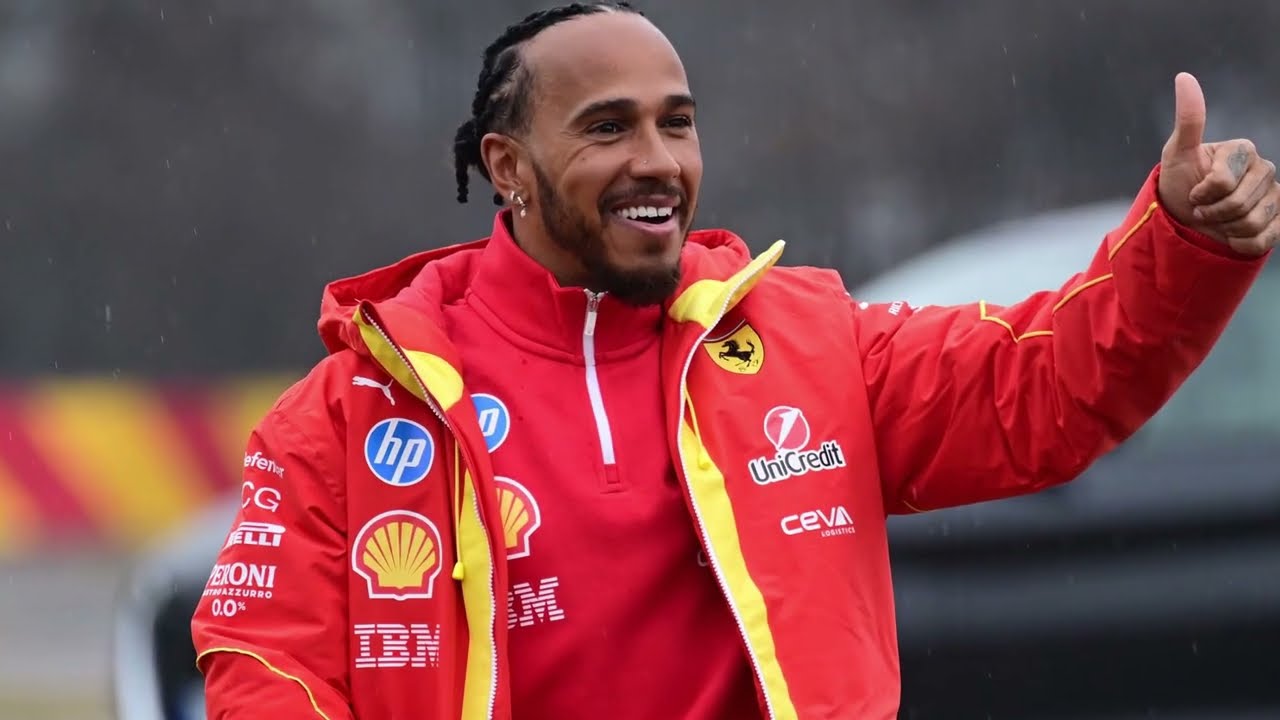
Hamilton in Red The narrative that will dominate every headline, however, is Lewis Hamilton at Ferrari. The seven-time champion seeking his eighth title with the most iconic team in history is the stuff of movies. Ferrari has been developing their 2026 challenger, rumored to be “Project 678,” specifically to capitalize on these new engine rules. If they have nailed the engine, Hamilton could be in position to rewrite the record books one last time.
The Defending Champions McLaren enters the season with the number 1 on the car, having secured the championship in 2025. Lando Norris and Oscar Piastri are a formidable duo, but the “reset” nature of 2026 means their previous advantage is erased. They are the hunted, and the target on their back is massive.
The Red Bull Question Red Bull faces a fascinating transition. Partnering with Ford for their new engine project, they step into the unknown. Max Verstappen remains the benchmark for driver performance, but he is joined by a new face, Isack Hadjar, promoted after a stellar rookie season in 2025. How Verstappen handles a new teammate and a new engine manufacturer will be crucial.
The Rookie Wave The grid is peppered with exciting young talent. Mercedes has paired George Russell with the highly-touted Kimi Antonelli. Audi, fully taking over the Sauber entry, fields veteran Nico Hulkenberg alongside young Gabriel Bortoleto. Racing Bulls introduces Arvid Lindblad, a name many are tipping for future greatness. The mix of 45-year-old Fernando Alonso (still pushing at Aston Martin) and teenagers creating their legacies highlights the generational clash defining this era.
The Unknowns: Danger and Opportunity
With all these changes come massive risks. The “Active Aero” is brand new technology. What happens if a wing gets stuck in the “low drag” position at the end of a straight? The potential for mechanical failure is high, and reliability will likely decide the early races.
The “Power Unit War” is also back. With the engine freeze lifted, manufacturers like Ferrari, Mercedes, Red Bull-Ford, Honda, and Audi are in an unrestricted development race. History tells us that in years like this, one manufacturer often finds a “magic bullet” that gives them a huge advantage, while others falter. Could we see a team like Audi or Alpine suddenly fighting for wins because they aced the engine design? Absolutely.
Even the weather becomes a new variable. Lighter cars with different aerodynamic philosophies will react differently to rain. Wet races in 2026 could be the ultimate test of driver skill, separating the legends from the rest of the field.
The Season Ahead
The calendar is grueling, stretching from March to December with 24 races, including a new street race in Madrid and six Sprint weekends. But before the lights go out in Australia on March 6th, all eyes will be on the pre-season tests. The private session in Barcelona in late January will be our first whisper of the truth, but the public tests in Bahrain in February will reveal who has built a rocket ship and who has built a lemon.
2026 is not just a season; it is a question mark. Will the racing be better? Will the cars be harder to drive? Will Hamilton get his eighth? Will Cadillac embarrass the establishment?
Nobody knows. And that is exactly why we will be watching. The playing field is level, the rules are rewritten, and the engines are primed. Formula 1 is back, and it has never looked this exciting.
News

Inside Shane Richie’s love life: Drug – fuelled orgy with six blondes; real reason he split from Coleen Nolan; six-year ‘affair with fan’
Inside Shane Richie’s love life: Orgy with six blondes; real reason he split from Coleen Nolan; six-year ‘affair with fan’ He’s popular with the ladies… Shane Richie…

SH0CKING REVELATI0N:A sh0cking behind-the-scenes secret revealed about Lizzie Rizzini, the woman replacing Carol Kirkwood on the 6pm weather bulletin
BBC viewers still reeling from the departure of Carol Kirkwood got another surprise last night when presenter Lizzie Rizzini appeared to flash her black lace stockings on…

HEARTBREAKING: Peter Andre’s Tearful Message to Son Junior After SHOCKING Revelation About How He Truly Feels Toward Mum Katie Price — Katie Price’s reaction scares fans.
Peter Andre’s emotional message to son Junior after it’s revealed how he really feels about mum Katie Pri… PETER Andre has shared an emotional message to his…

Ben Shephard opens up about the devastating health battle his wife is facing: “She wakes up crying every single morning…”
Inside This Morning Ben Shephard’s Life Including Rarely Seen Wife and Health Battle Ben Shephard is a name synonymous with British television, renowned for his engaging presentation…

🚨 LIVE TV HEARTBREAK: Good Morning Britain Host Announces ‘Devastating’ Dɘath of Guest Minutes Into Show
Viewers of Good Morning Britain were met with heartbreaking news just minutes into Friday’s (January 30) episode, as co-hosts Kate Garraway and Ranvir Singh reported the tragic…

Emmerdale legend Cain Dingle will never be the same again after a shock cancer diagnosis turns his world upside down
FROure Desk. Full Terms and conditions are available on the website http://www.itv.com/presscentre/itvpictures/terms Emmerdale wouldn’t be Emmerdale without the glowering, grunting embodiment of manliness that is Cain Dingle (Jeff Hordley) But…
End of content
No more pages to load






