In the high-octane world of Formula 1, visual perception is often mistaken for mechanical reality. For the past few seasons, millions of fans have watched Max Verstappen carve through circuits with a terrifying smoothness. His Red Bull looks like it is on rails—glued to the tarmac, immune to physics, and perfectly compliant. But then, you look at the other side of the garage.
Whether it’s Sergio Perez, Alex Albon, or Pierre Gasly, the driver in the second seat tells a completely different visual story. The same chassis looks nervous, snappy, and unpredictable. It fights the driver at every apex. This disparity has birthed a lazy narrative: “Max is a god, and the others are just average.” While Max’s generational talent is undeniable, the true story is far more technical—and far more disturbing for Red Bull’s long-term dominance.
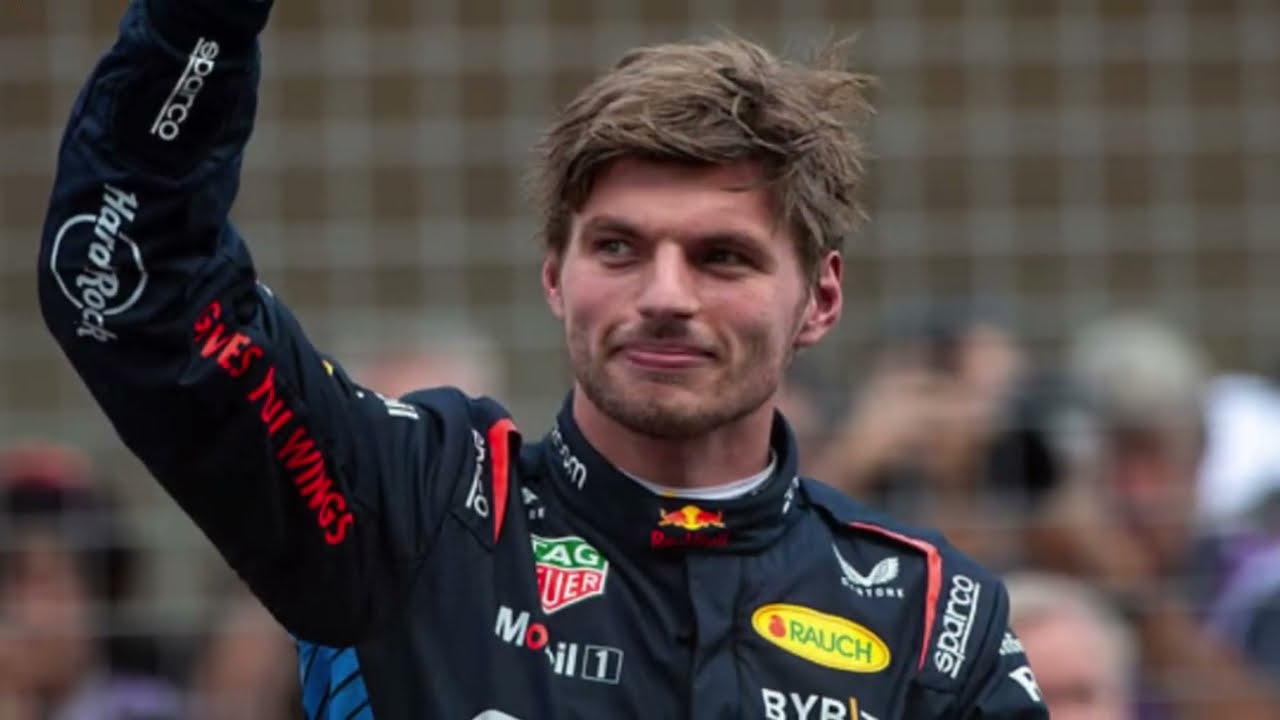
The “Eye-Watering” Design Philosophy
The uncomfortable truth that Red Bull rarely broadcasts is that their car is not designed for stability; it is designed for rotation.
Most Formula 1 teams aim for a car with a touch of natural understeer. It’s safe. It’s predictable. If you push too hard, the front tires slide, you scrub some speed, and you carry on. It’s a setup that builds confidence. Red Bull, led by the genius of Adrian Newey and his technical team, has spent years chasing the opposite: a car with an “eye-wateringly sharp” front end.
Alex Albon, a driver who prefers a sharp car himself, famously described Max’s setup preference as being on a completely different level of sensitivity. This design philosophy creates a machine that “bites” the moment you turn the wheel. It changes direction violently and instantaneously. To the untrained eye, this looks like agility. To a driver trying to find a limit, it feels like the rear end is constantly trying to kill you.
The “Trap” of Reaction Time
This is where the divergence between Max and his teammates occurs. In a car that rotates this aggressively, the concept of “reacting” is already a failure.
When a normal racing driver feels the rear of the car step out (oversteer), their brain triggers a correction. They counter-steer to catch the slide. But in a Red Bull set up for Max, by the time you feel the slide and react, you are already too late. The car has rotated too much. Your correction scrubs valuable speed, overheats the tires, and destroys your confidence for the next corner. This cycle of fear and hesitation explains why talented drivers suddenly look slow and clumsy in the RB chassis.
Max Verstappen does not react to the Red Bull. He pre-controls it.
Max’s driving style is unique because he uses the brake pedal to load the front axle extremely early. He creates the rotation before the apex, effectively turning the entry phase of the corner into a controlled slide that he initiates on purpose. He isn’t waiting for the car to move; he is commanding it to rotate exactly when and how he wants. He “weaponizes” the instability that terrifies everyone else, using it to point the nose and fire out of the corner while his teammate is still busy fighting the steering wheel.
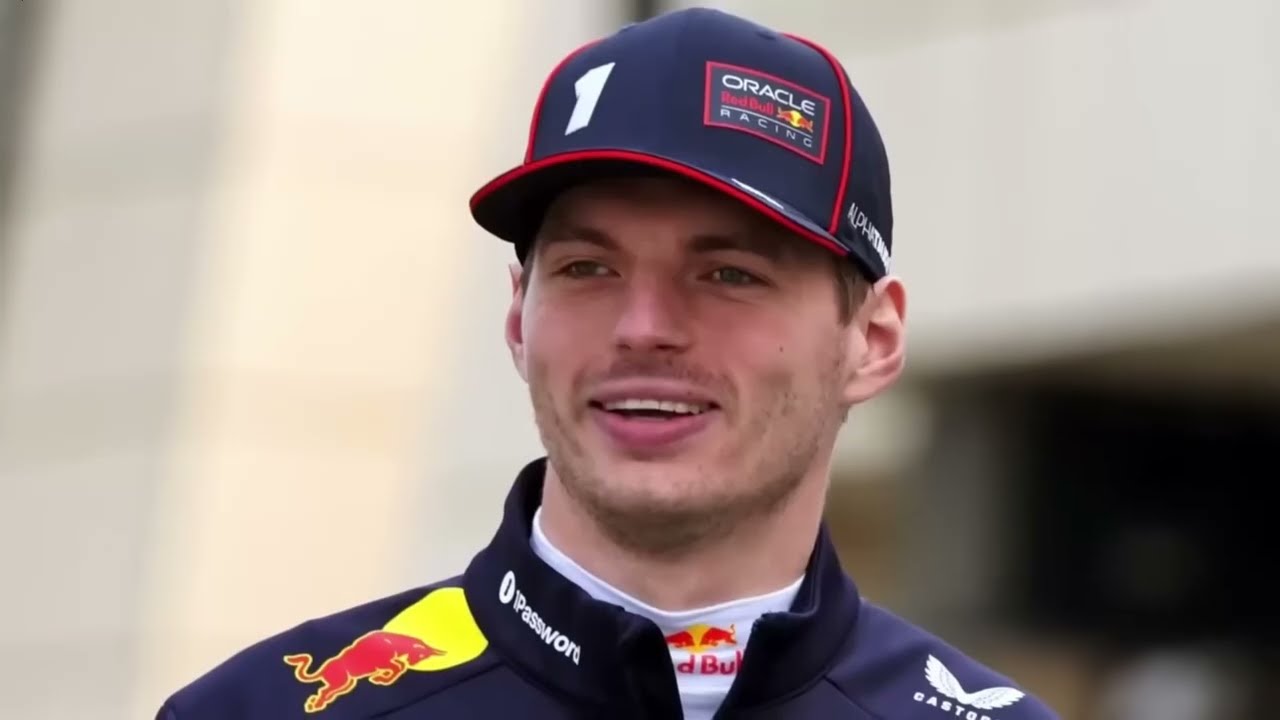
The Illusion of Stability
This leads to a fascinating conclusion: The Red Bull is not a stable car. It is a car on a knife-edge. The stability we see on TV is a mirror trick performed by Verstappen. He acts as the human stabilizer for a machine that naturally wants to be chaotic.
This distinction is critical because it shatters the “it’s all mental” excuse often given for the struggles of the second driver. It’s not just pressure; it’s mechanical incompatibility. To be fast in a Red Bull, you must be comfortable with a rear end that feels loose. Most drivers are wired to seek comfort and security in the rear axle to push the limits. Max, however, has been driving “loose” karts and cars since childhood. He doesn’t just tolerate the instability; he demands it because he knows it offers a higher theoretical ceiling of performance.
The Fragility of a One-Driver Dynasty
While this philosophy has delivered championships, it has also trapped Red Bull in a dangerous corner. By aggressively developing the car down this “sharp” path to maximize Verstappen’s speed, they effectively render the car undriveable for almost anyone else.
This creates a “One-Driver Team” reality that is strategically expensive. In Formula 1, you need two cars to fight a war. You need a second driver to block rivals, execute undercut strategies, and steal points from competitors. When your second driver is fighting just to keep the car on the island, you are fighting with one hand tied behind your back.
As rival teams like McLaren and Ferrari close the gap with cars that are inherently more balanced and drivable for both their pilots, Red Bull’s gamble becomes risky. If the car’s performance window narrows even slightly—if the “sharpness” becomes “unpredictability”—even Max begins to complain. But for the second driver, it becomes a disaster.
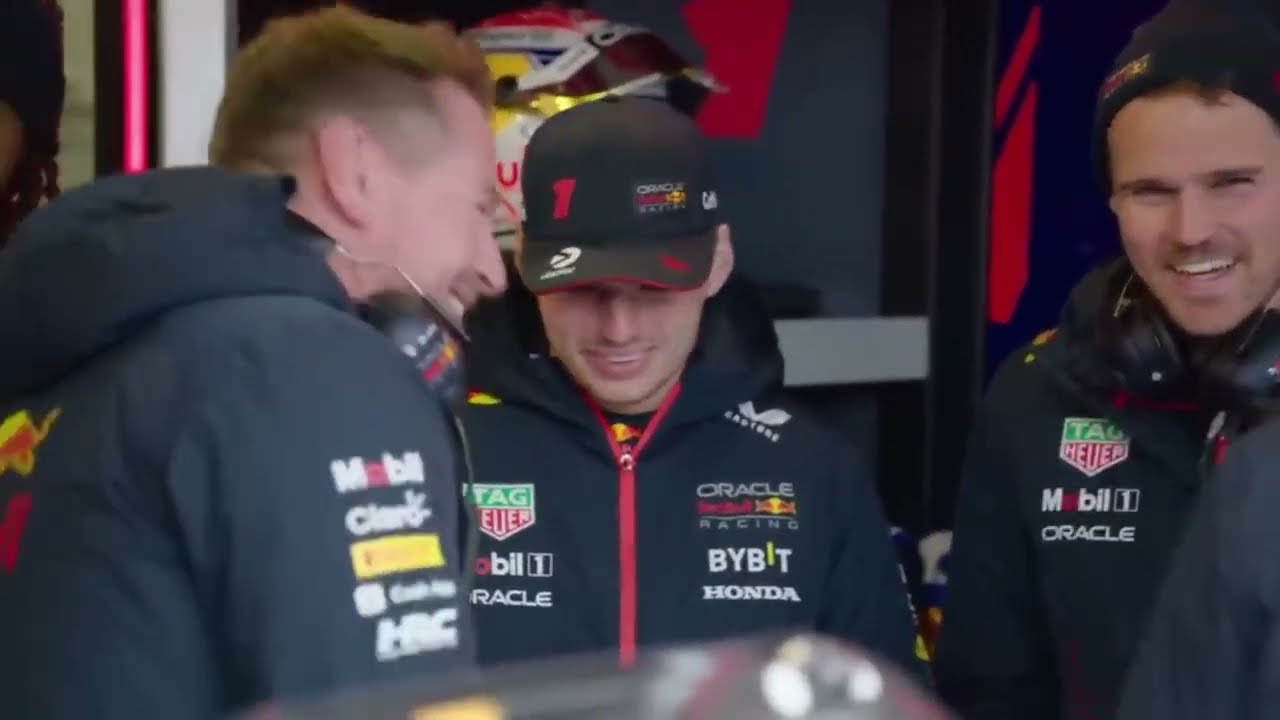
Conclusion: The Cost of Perfection
Red Bull faces an engineering existential crisis. Do they continue to build the sharpest, fastest tool that only one human can use? Or do they dial it back, sacrificing peak theoretical speed for a more forgiving platform that allows a second driver to contribute?
History shows that dynasties often crumble when they become too specialized. The current Red Bull looks unbeatable not because the machinery is perfect, but because the marriage between a specific mechanical flaw (instability) and a specific human genius (Max) is perfect. But take Max out of that equation, or push the concept too far, and the stability myth collapses.
The next time you see a Red Bull teammate struggling while Max sails into the distance, don’t just blame the driver. Remember that they are trying to ride a unicycle on a tightrope, while Max is the only one who knows how to fly.
News

Inside Shane Richie’s love life: Drug – fuelled orgy with six blondes; real reason he split from Coleen Nolan; six-year ‘affair with fan’
Inside Shane Richie’s love life: Orgy with six blondes; real reason he split from Coleen Nolan; six-year ‘affair with fan’ He’s popular with the ladies… Shane Richie…

SH0CKING REVELATI0N:A sh0cking behind-the-scenes secret revealed about Lizzie Rizzini, the woman replacing Carol Kirkwood on the 6pm weather bulletin
BBC viewers still reeling from the departure of Carol Kirkwood got another surprise last night when presenter Lizzie Rizzini appeared to flash her black lace stockings on…

HEARTBREAKING: Peter Andre’s Tearful Message to Son Junior After SHOCKING Revelation About How He Truly Feels Toward Mum Katie Price — Katie Price’s reaction scares fans.
Peter Andre’s emotional message to son Junior after it’s revealed how he really feels about mum Katie Pri… PETER Andre has shared an emotional message to his…

Ben Shephard opens up about the devastating health battle his wife is facing: “She wakes up crying every single morning…”
Inside This Morning Ben Shephard’s Life Including Rarely Seen Wife and Health Battle Ben Shephard is a name synonymous with British television, renowned for his engaging presentation…

🚨 LIVE TV HEARTBREAK: Good Morning Britain Host Announces ‘Devastating’ Dɘath of Guest Minutes Into Show
Viewers of Good Morning Britain were met with heartbreaking news just minutes into Friday’s (January 30) episode, as co-hosts Kate Garraway and Ranvir Singh reported the tragic…

Emmerdale legend Cain Dingle will never be the same again after a shock cancer diagnosis turns his world upside down
FROure Desk. Full Terms and conditions are available on the website http://www.itv.com/presscentre/itvpictures/terms Emmerdale wouldn’t be Emmerdale without the glowering, grunting embodiment of manliness that is Cain Dingle (Jeff Hordley) But…
End of content
No more pages to load






