The Formula 1 paddock is a volatile theatre of speed, ambition, and cut-throat corporate politics, yet even for a sport known for its dramatic exits, the swift removal of Dr. Helmut Marko sent a tremor through the foundations of the Red Bull empire. After two decades as the motorsport advisor—the sharp-tongued, unforgiving mastermind behind the most successful driver program in modern history—Marko’s “retirement” at the close of 2025 is less a peaceful conclusion and more the final, brutal act in a sweeping corporate coup.
This is the definitive end of an era. With the departure of team principal Christian Horner earlier in the year, and design genius Adrian Newey having already faded from view, Marko’s forced exit dismantles the original triumvirate—the three musketeers—who took a failing Jaguar team in 2005 and transformed it into a powerhouse capable of conquering eight Drivers’ Championships and six Constructors’ titles. Together, Horner managed the team, Newey sculpted the cars, and Marko—with an almost supernatural instinct—managed the talent. Now, the machine they built is entirely in the hands of a new, distant corporate authority, and the results could shatter the competitive equilibrium of the sport.
The Architect of Champions
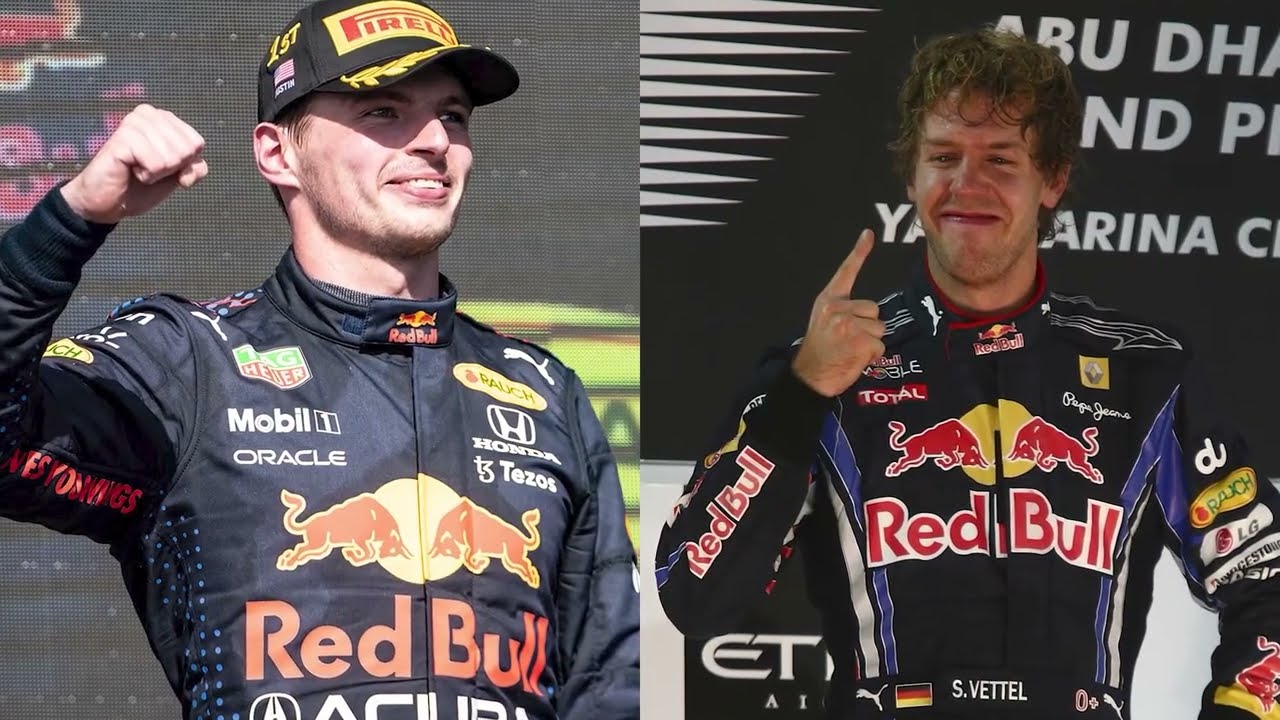
To understand the magnitude of Marko’s departure, one must appreciate his unique role. He was not merely a manager; he was Dietrich Mateschitz’s trusted right-hand man, a Le Mans 24-Hour winner from Graz who was tasked with building the Red Bull Racing dynasty from the ground up. His most enduring legacy, however, is the junior driver program, a ruthless meritocracy that acted as F1’s greatest talent factory.
Look across the grid today, and Marko’s fingerprints are everywhere: Sebastian Vettel, Max Verstappen, Alex Albon, Pierre Gasly, Carlos Sainz. Each is a world-class talent, honed by the Austrian’s rigorous scrutiny. His true masterstroke, the move that cemented his status as indispensable, was the identification of Max Verstappen. While Mercedes hesitated, suggesting Verstappen needed a year in GP2, Marko saw lightning in a bottle. He immediately fast-tracked the Dutchman into a Toro Rosso seat for 2015, making him the youngest F1 driver in history at just 17 years old. This audacious, risk-taking ability to spot and cultivate genius was Marko’s currency—and for two decades, it made him untouchable.
The Power Vacuum and the Fall
The stability of the Red Bull Racing leadership was anchored by the vision and presence of Mateschitz himself. Following his death, the carefully balanced power structure began to crumble. The power struggles were immediate and intense, culminating in the high-profile exit of Christian Horner. Ironically, it was Horner’s removal that inadvertently set the stage for Marko’s own downfall.
According to reports, in the immediate vacuum left by the team principal, Marko experienced a newfound, albeit temporary, freedom. He began to act on his own initiative, bypassing the new corporate hierarchy now controlled by Sporting CEO Oliver Minslaf and the shareholders in Austria. This rogue operation centred on his continued management of the junior program.
The flashpoint was a controversial series of driver signings. Marko unilaterally signed Arvid Limblad to Racing Bulls without internal consensus, ignoring initial criticism. But the fatal mistake was the contract he offered to Alexander Dunn later in the year. Marko was reportedly aware that the shareholders—Minslaf and Teimos Laurameis—had already ruled out Dunn as an option for the program. Yet, in a defiant move that spoke to his old-guard autonomy, Marko signed the British driver anyway, without the knowledge of the central management.
The reaction from the new Austrian headquarters was furious. The contract, which was never publicly acknowledged, had to be terminated immediately. Red Bull was reportedly forced to pay “hundreds of thousands” to nullify the unauthorized agreement. This wasn’t just a misstep; it was an act of insubordination that the new corporate regime simply could not tolerate.
The New Corporate Order Takes Over
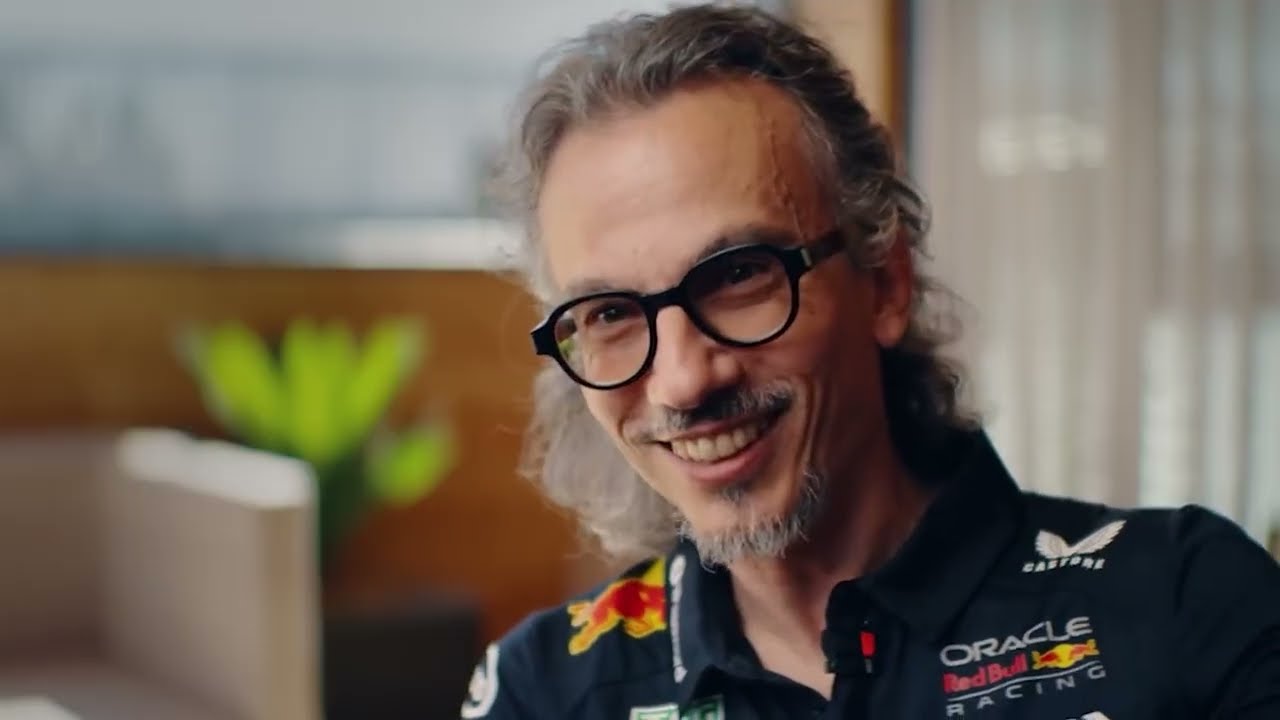
Marko’s exit, officially termed a “retirement,” is the clearest possible sign that the days of individual power, personal loyalty, and independent action within Red Bull Racing are over. The new management, having orchestrated a significant reshuffle that started with Horner’s departure, is imposing a rigid, centralized corporate structure.
This is a stark shift from the founder-driven, quasi-maverick culture Mateschitz fostered. The new mandate is clear: “The new Red Bull management don’t want the team to have a renegade member in a senior position taking action first and asking permission second.” The move involves taking a firmer grip on the F1 operations from the Austrian parent company, with key management positions and even the head of PR being moved to the headquarters. Marko’s removal signifies a decisive victory for the new, corporate-driven mindset over the old, personality-driven genius. It centralizes control, eliminates dissenting voices, and standardizes procedure—a formula that is fundamentally opposed to the way the original dynasty was built.
The Max Verstappen Question
The most immediate and critical question arising from Marko’s sudden exit concerns the reigning champion, Max Verstappen. Verstappen’s loyalty to Marko is legendary, describing him as an “important pillar” and even a “second father.” Marko’s decision to risk his reputation on the then-17-year-old created a powerful, mutual bond that has endured two years of internal turmoil. During the peak of the Horner-Marko power struggles, Verstappen—backed by his father, Jos—firmly stood in Marko’s corner.
However, the reality of Formula 1 success is unforgivingly pragmatic. While Verstappen is contracted until the end of 2028, his future has always been tied to a single, non-negotiable factor: performance.
Verstappen has repeatedly stated that his future at Red Bull—and even his future in F1—is entirely dependent on whether he has a car capable of challenging for a championship. He has no interest in midfield stability or one-off podiums; his focus is championships. The coming regulation changes in 2026 are expected to shake up the entire competitive order, and this moment of flux is the true barometer of Verstappen’s commitment.
If Red Bull delivers a dominant machine in 2026, Marko’s departure will be little more than a regrettable footnote for the champion. If, however, the new, streamlined, corporate machine gets its car development wrong, then no amount of loyalty to a departed mentor—or anyone else—will keep Max Verstappen in the seat. While Marko’s presence might have kept Verstappen settled for a season longer, the ultimate decision hinges on engineering excellence, not emotional ties. Performance, in this new Red Bull order, will always come first.
A Legacy of Color and Controversy
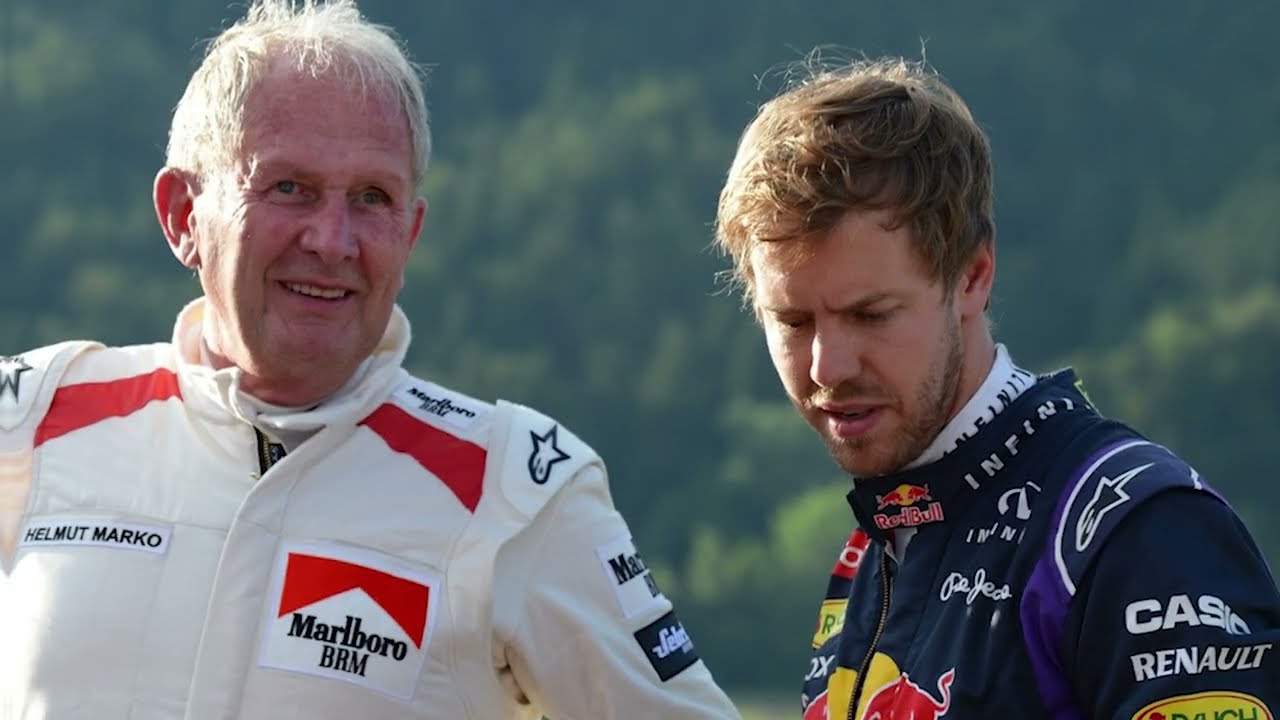
Helmut Marko may have been a controversial, often divisive figure in the paddock, known for his unvarnished, headline-grabbing quotes. In an era where PR training has smoothed the edges off the sport’s personalities, Marko provided the necessary “color” and character that fueled conversations and gave F1 a much-needed dose of unfiltered personality.
His legacy is indelible. He built the talent base of a dynasty, took a monumental gamble on the sport’s most prodigious talent, and helped shape the competitive landscape for two decades. His exit, driven by his final, defiant act of independence, is a harsh reminder that in modern, high-stakes motorsport, genius is no longer enough to insulate an individual from the cold logic of corporate control. The dynasty he helped build remains, but the soul—the rebellious, idiosyncratic heart of it—has been extinguished, replaced by the cool efficiency of the boardrooms in Austria. The age of the ‘renegade’ is officially over.






