The recent Formula 1 season will be remembered not just for the battles at the front, but for a dramatic generational shift that saw an unprecedented cluster of new talent make their full-season debuts. Like the pivotal class that introduced Norris, Albon, and Russell, this new crop promised future champions. However, what made this season uniquely brutal was the disparity: some rookies were fighting for wins, while others were battling to scrape together a single point.
Judging a rookie is a complex affair, balancing outright pace against the quality of equipment, the pressure from management, and the sheer challenge of adapting to the pinnacle of motorsport. When reviewing the debuts of this massive influx of talent, one must weigh potential against the cruel reality of execution. This is the definitive, brutal ranking of the F1 rookies, from the unlucky worst to the undeniable best.
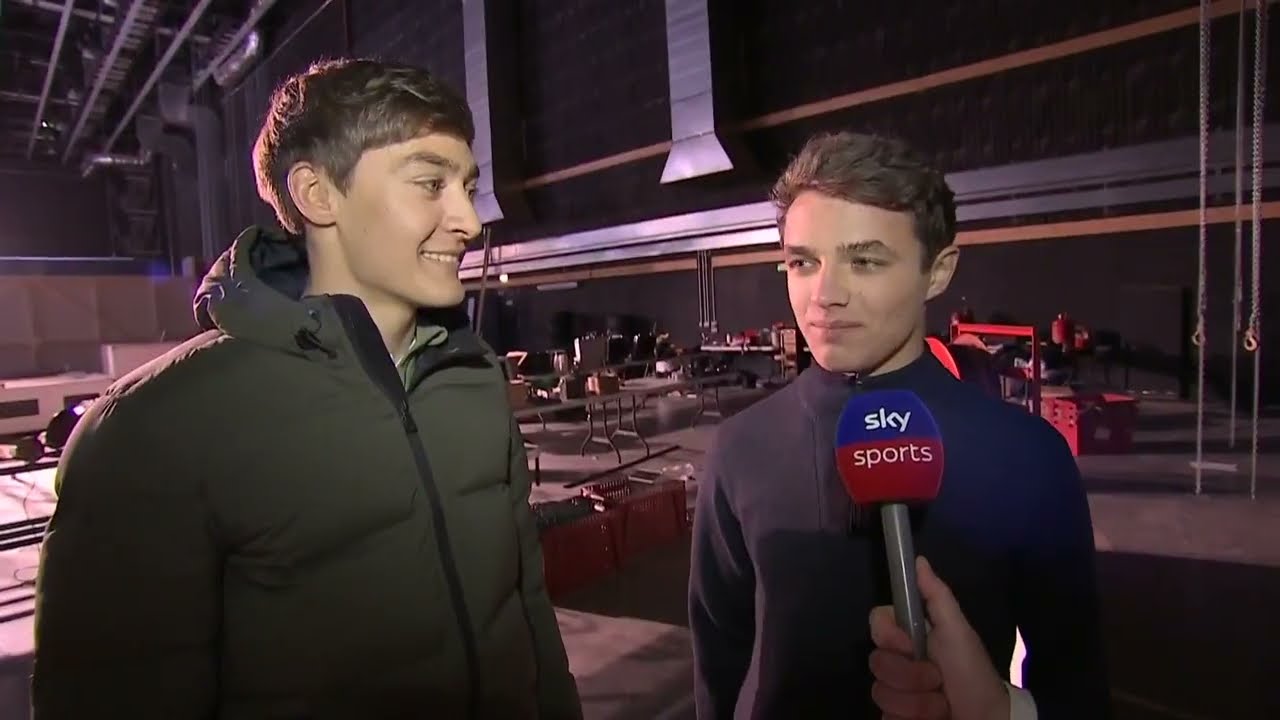
7. Jack Doohan: The Victim of Political Game-Play
Placing Jack Doohan last might seem harsh, but the reality of his brief tenure at Alpine paints a picture of a driver who was, quite simply, set up to fail. Doohan only lasted a handful of Grand Prix before Alpine—fueled by external investment—bought Franco Colapinto out of his Williams contract, guaranteeing his seat. The writing was on the wall before the season even began, making Doohan’s fight an almost “borderline ridiculous expectation.”
While his fate was theoretically in his hands, requiring a flawless performance to stave off the inevitable, perfection is never expected from a rookie, especially not in a car as poor as the Alpine. Doohan showed flashes of promise, notably out-qualifying Pierre Gasly in his final race in Miami. Yet, these high points were overshadowed by heavy, costly shunts, including crashes in the tricky conditions of the first races, and the “embarrassing crash” in Suzuka. In a cruel twist, his average qualifying gap to Gasly over those races was almost identical to what Colapinto later achieved over the remainder of the season, underscoring the political nature of his exit. Doohan deserves a better shot.
6. Franco Colapinto: The Preparedness Gap
The man who took Doohan’s seat, Franco Colapinto, ironically faced many of the same challenges, earning him the second-to-last spot. He, too, wrestled with the poor performance of the Alpine. Crucially, Colapinto did not have the benefit of pre-season testing and preparation that Doohan enjoyed, immediately putting him on the back foot.
While the Alpine was undoubtedly a struggle, it was not entirely without potential, as teammate Pierre Gasly managed to score points multiple times during their tenure together. Colapinto’s greatest failing was his inability to capitalize on the few opportunities that arose, suggesting that while he possesses talent—evidenced by his ability to score points in better machinery in the past—he was simply unable to extract the maximum from a challenging car when it mattered most.
5. Liam Lawson: A Failure to Capitalize on Experience
Liam Lawson’s inclusion on this list is based on the premise that a driver should be judged on their first full season, despite having made multiple race starts prior. Given his greater experience compared to the other rookies, the expectations placed upon him were justifiably higher. The early part of his season at Red Bull against a top champion was quickly dismissed as “an embarrassment” and “absolutely horrific.”
However, even focusing strictly on his time at Racing Bulls against his new teammate, the season was a disappointment. Lawson was “thoroughly beaten” by Isack Hadjar, a driver making his Grand Prix debut. Hadjar outscored him, out-raced him, and maintained a significant average qualifying gap of almost two-tenths. This gap is substantial, especially considering Hadjar’s lack of experience at several tracks. While Lawson had flashes of brilliance—including a top-five finish in Baku and a top-six in Austria—the inconsistency and the failure to outperform the less-experienced Hadjar, given his head start, place him surprisingly low on the ranking.
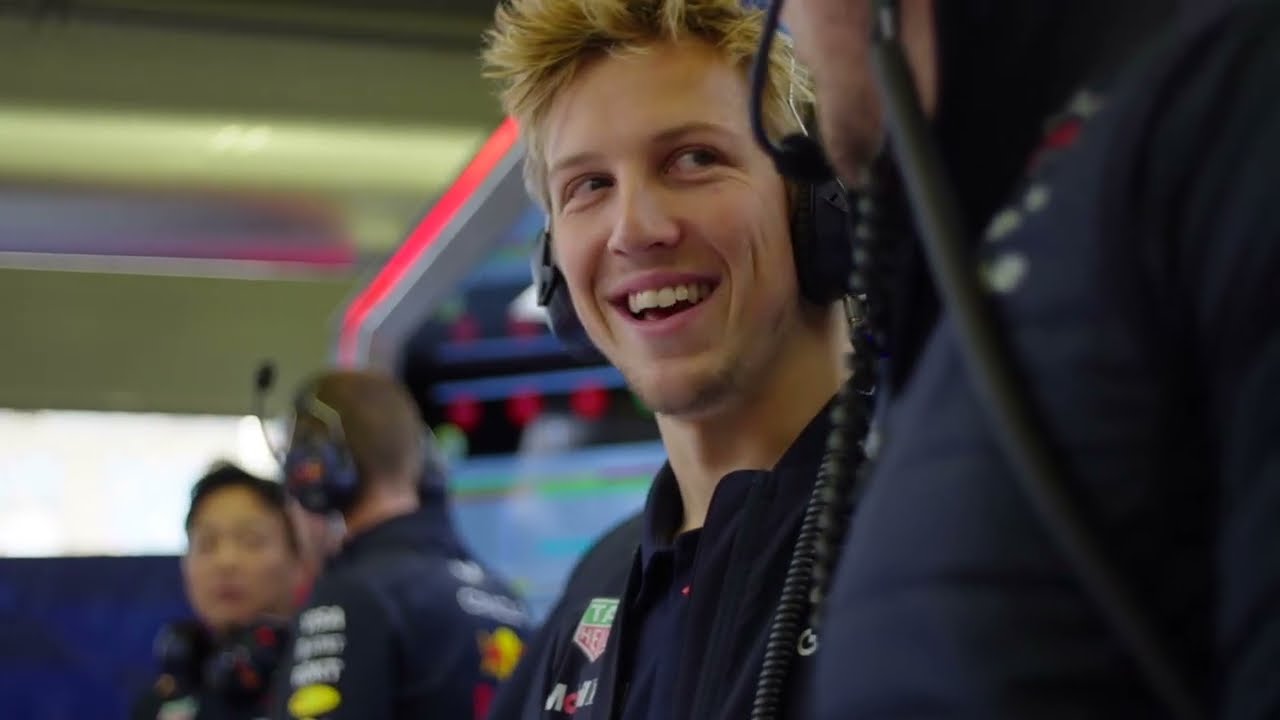
4. Kimi Antonelli: The Half-Second Question
Kimi Antonelli’s debut in the Mercedes was, by far, the most anticipated and arguably the most controversial to rank. His season was a genuine roller-coaster. His high points offered breathtaking glimpses into the hype surrounding him: a phenomenal P2 in Sao Paulo, soaking up pressure from a former champion, and a stunning charge from the back of the grid to P3 in Las Vegas.
But Antonelli was driving a Mercedes, a “race-winning car” that was comfortably ahead of the midfield. This context is why his low moments stick out so vividly. The most alarming statistic was the pace difference to his teammate, George Russell. Antonelli was almost half a second slower in qualifying over the season—a massive gap of 4.5 tenths. This was coupled with several high-profile rookie mistakes: taking out a champion and damaging multiple cars in Austria, a “needless” incident with Charles Leclerc in Zandvoort, and another unfortunate clash with top drivers in Sao Paulo. Furthermore, he struggled to adapt to a mid-season upgrade, leading to a period where he became “quite lost,” showcasing a significant area for future learning in adaptability. The peaks were incredible, but the valleys were deep, costing the team valuable results.
3. Gabriel Bortoleto: The Silent Contender
The decision to rank Gabriel Bortoleto above Antonelli is the first major point of debate, but it is justified by the context of his performance. Bortoleto, driving for Sauber, put together a stronger, more consistent body of work relative to his experienced teammate, Nico Hulkenberg.
Yes, Bortoleto had his own back-to-back low points—multiple crashes in his home Grand Prix in Sao Paulo, followed by a “horrific” accident at the start of the Las Vegas race. However, his overall performance against Hulkenberg in an inconsistent car—which was “really bad at the beginning of the year”—was remarkable. He managed to out-qualify the veteran German, and their Grand Prix head-to-head was a razor-thin margin in Hulkenberg’s favour. Bortoleto’s defining moment was a “Halo” sixth place in Hungary, a major high point. Given the equipment and the calibre of his teammate, Bortoleto’s season displayed a maturity and relative consistency that Antonelli, despite the better car, simply could not match.
2. Ollie Bearman: The Jekyll and Hyde Runner-Up
Ollie Bearman, the runner-up in this rookie class, delivered a season that could only be described as “Jekyll and Hyde.” His talent was known from his prior appearances, but his rookie year at Haas was a dramatic mix of brilliance and self-inflicted pain.
The “stupid” incidents, such as the “ridiculous crash under the red flag” at Silverstone and being on the verge of a race ban, were low points that can be attributed to rookie errors that need to be “cleaned up.”
Yet, the raw pace and ability to “execute on the Sunday” were undeniable. Bearman ended the year in phenomenal form, scoring consecutive points finishes, culminating in a career-best fourth place in Mexico—an incredible result that could have even been a podium. Crucially, he out-qualified and beat his established teammate, Esteban Ocon, in the championship standings. Furthermore, his ability to hold off the sustained pressure from a former champion during the opening stint in Mexico proved he has the temperament and ability under pressure to be a “champion of the future.”
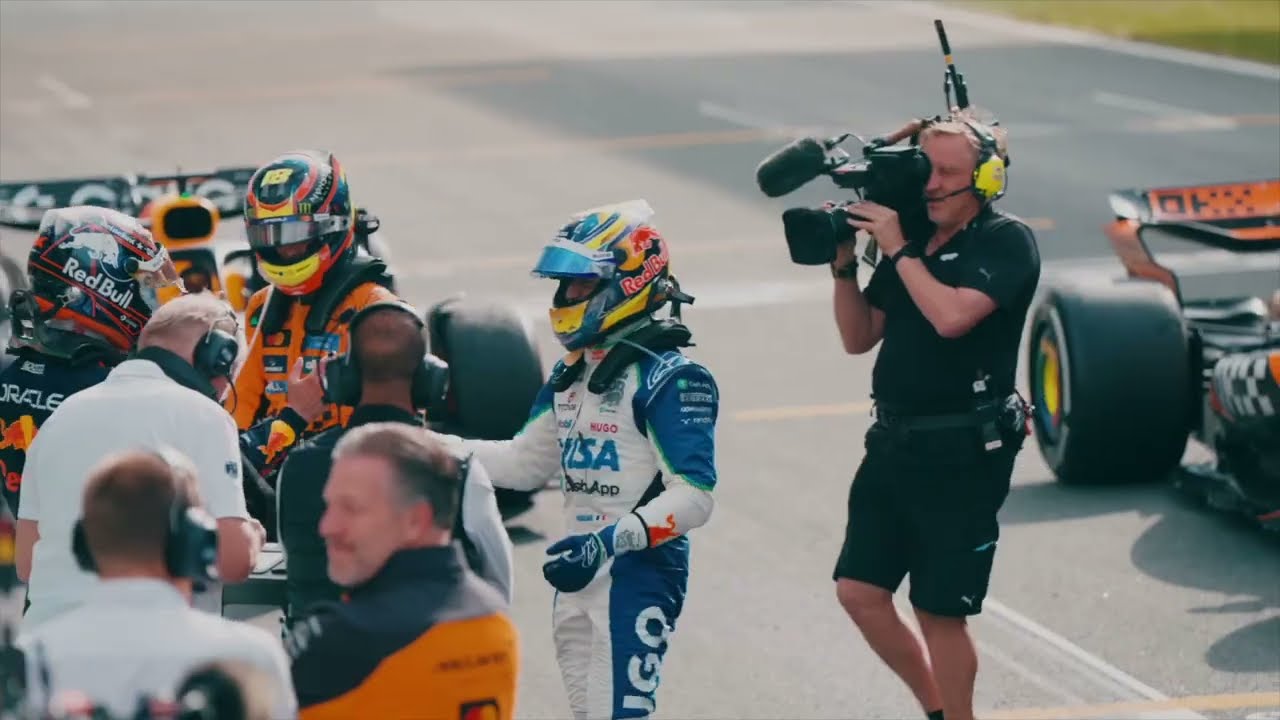
1. Isack Hadjar: The Undoubted Rookie of the Year
While a certain top driver may have been the undisputed Driver of the Season, Isack Hadjar was an “undoubted lock for rookie of the year.” His performance was a comprehensive demolition of expectations, culminating in a season that was defined by high points, consistent point-scoring, and a sensational podium at Zandvoort.
What truly sets Hadjar apart from every other rookie on this list is not just his high ceiling, but the incredible height of his floor. While every other competitor suffered through major, high-profile, or self-inflicted incidents that cost them dearly (Bearman’s near ban, Antonelli’s crashes, Bortoleto’s back-to-back shunts), Hadjar’s few mistakes were minor and understandable, such as a tag of Antonelli in the “very tricky conditions” of Silverstone. He had no incidents that were even “worth talking about.”
Hadjar completely dominated his more experienced teammate, Liam Lawson. His hallmark was being on the pace from the moment he arrived at the track, right from very early on in practice, across almost every single circuit. This consistency and raw speed, without the baggage of costly errors, is the ultimate measure of a rookie’s readiness. It makes his story even more remarkable that he was, by some accounts, a driver that Red Bull never even wanted in Formula 1, only placing him in the Racing Bulls out of “necessity” after the driver shuffles. Regardless of his immediate future, Isack Hadjar’s debut season was simply masterful, making him the definitive and most impressive rookie of the current class.






