For the past few years, Formula 1 has felt inevitable. Max Verstappen throws a Red Bull into a corner, rotates it with impossible aggression, and disappears into the distance. It’s a “cheat code” driving style—living on a knife-edge of front-end grip that no other driver can handle.
But as the sport barrels toward the revolutionary 2026 regulations, an uncomfortable truth is beginning to dawn on the paddock: The cheat code might have just been patched.
The 2026 rules aren’t just a facelift; they are a fundamental rewrite of the physics of racing. And according to deep technical analysis, they seem almost perfectly designed to neutralize the specific superpowers that have made Verstappen untouchable.
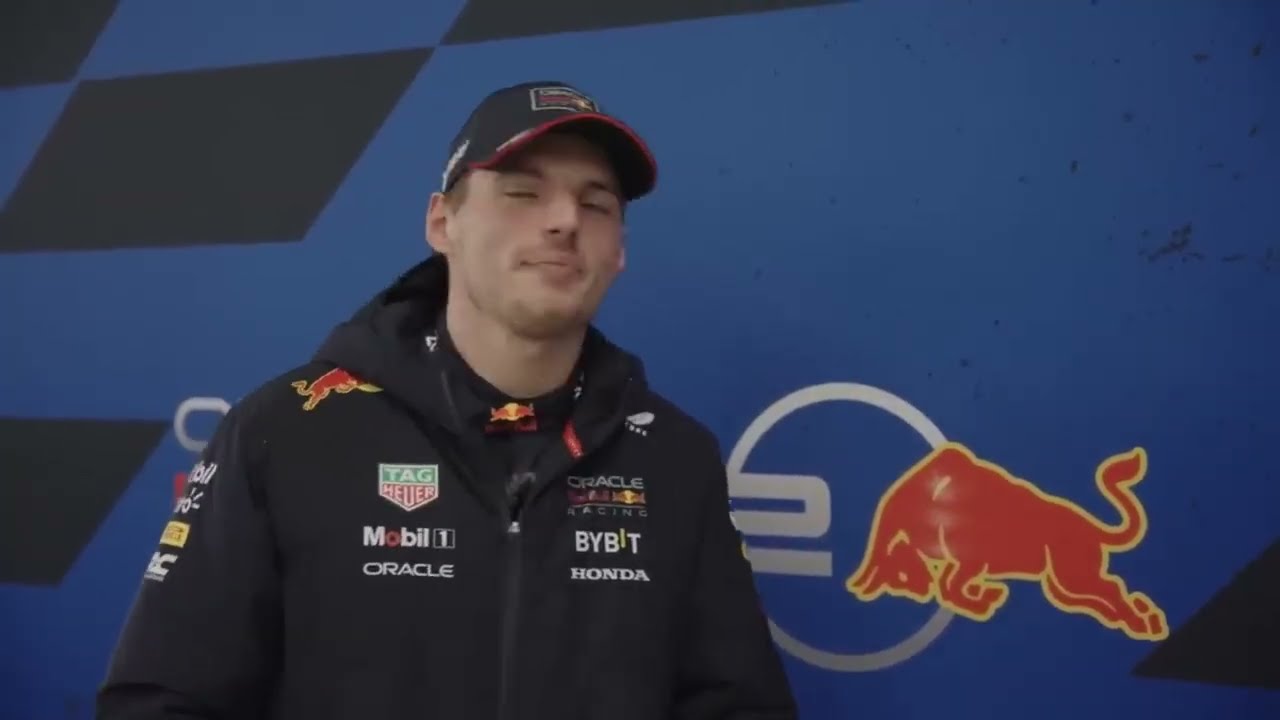
The Death of “Sharp”
Max Verstappen’s entire philosophy can be summed up in one blunt phrase he has often repeated: “Understeer is death.”
His dominance is built on a car with a “pointy” front end—a machine that dives into corners and rotates around his hips the moment he breathes on the steering wheel. He commits earlier than anyone else, trusting the rear to follow.
However, the 2026 cars introduce a chaotic new variable: Active Aerodynamics.
These new machines will constantly shift their drag and downforce profiles throughout the lap. The car you turn into the corner is not the same car you have in the middle, and definitely not the same car on exit. It is a “moving platform.”
“If those transitions aren’t perfectly predictable, the driver starts paying a hidden tax,” analysts warn. “Micro-lifts, delayed commitment, and conservative entries—exactly the things that erase Max’s superpower.”
In a world where the floor feels like it’s moving beneath you, a car setup on the razor’s edge of instability—Max’s preferred weapon—becomes a liability. The “sharpness” he craves could turn into unpredictability, forcing him to wait a fraction of a second longer before attacking. And in F1, those fractions are everything.
The “Manager” vs. The “Attacker”
The second threat to Verstappen’s reign comes from the power unit. The 2026 engines split power 50/50 between combustion and electricity, placing a massive premium on energy management.
The sport is moving from “maximum performance” to “precision performance.” The fastest lap is no longer just the one driven with the most aggression; it’s the one sequenced perfectly with energy deployment.
“Two laps with identical driving can produce different outcomes depending on deployment state,” the report notes. “That’s not romance; that’s math.”
Verstappen thrives on “corner violence”—trail-braking deep, pivoting hard, and smashing the throttle. But this style consumes energy and heats tires. If the 2026 rules demand a smoother, more rhythmic approach to keep the battery alive and the aero platform stable, Max may be forced to drive against his natural instincts. He might have to become a “manager” rather than an “attacker.”
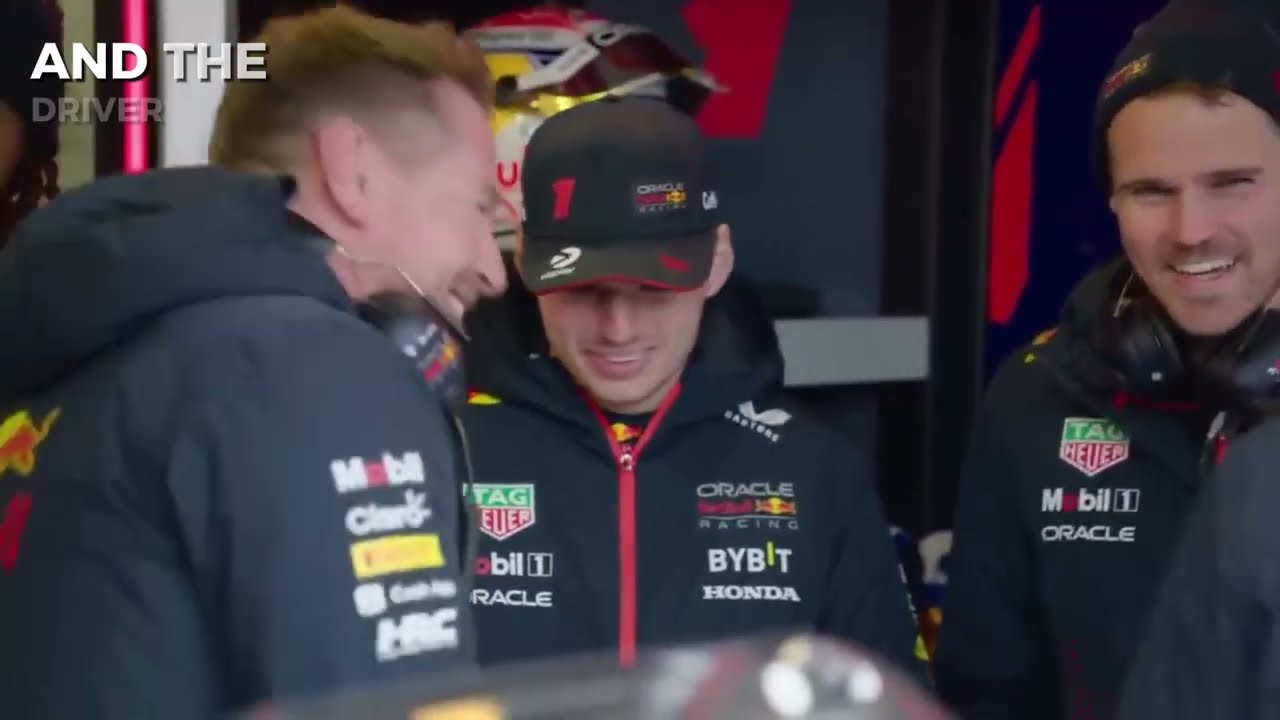
Red Bull’s Dilemma: Stability or Speed?
This creates a nightmare scenario for Red Bull’s engineering team. They face a “fork in the road” that could define the next era of the sport.
Option A: Build a stable, understeer-prone car that manages the active aero and energy systems safely. This is easier for the engineers but caps Max’s peak performance because he hates understeer.
Option B: Build a sharp, aggressive car that Max loves. But if the active aero makes it too nervous, the “Max-friendly” setup becomes impossible to stabilize, leading to confusion and development dead ends.
“That’s how dynasties end,” the analysis chills. “Not with a crash, but with confusion.”
If Red Bull builds a car that is “Max sharp” but the 2026 systems make it unpredictable, the team could spend the season chasing correlation issues rather than wins.
The “Normal” Max
The scary part for Red Bull isn’t that Max will suddenly become slow. It’s that he might become normal.
If the car forces him to compromise his entries—to trail-brake a little less, to wait a little longer—he loses the separation he usually creates in medium-speed corners. And if Max looks normal, the rest of the grid suddenly looks dangerous.
“The best drivers don’t usually fall off,” the report concludes. “They get forced into margins where they can’t be themselves every lap.”
Can He Adapt?
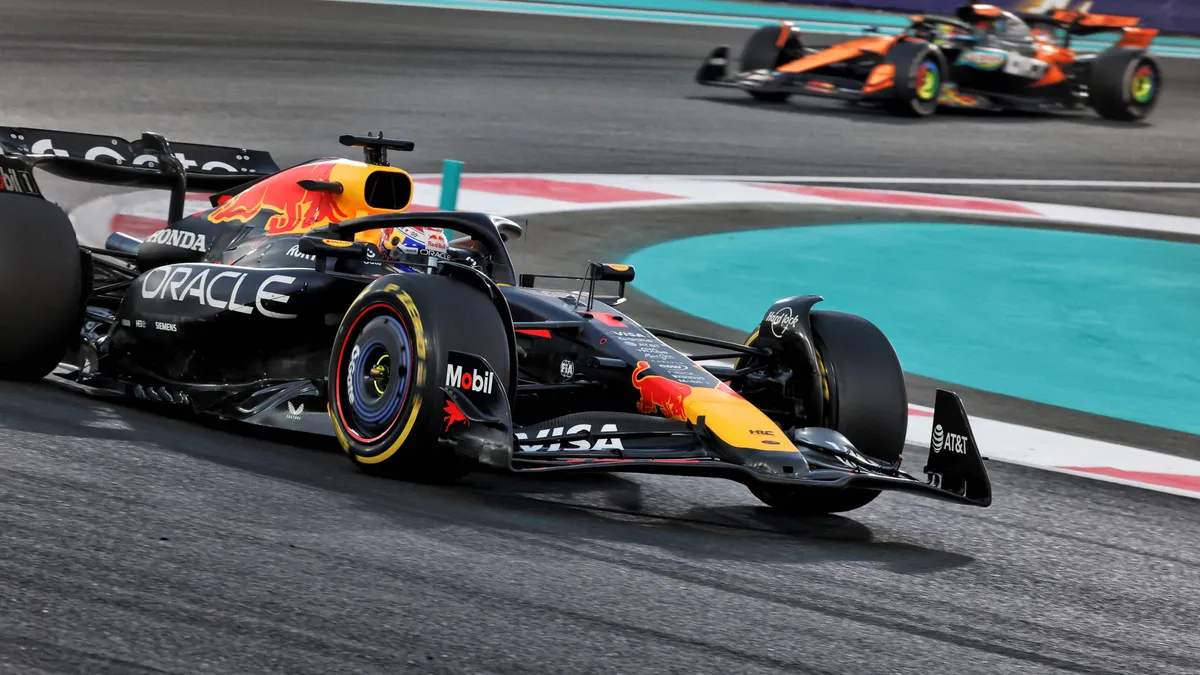
Of course, betting against Max Verstappen is rarely a winning strategy. He is one of the smartest racers on the grid, and his adaptability is legendary. His “system racing”—his ability to read a race and manage tires—is elite.
There is a scenario where Max compresses the learning curve, mastering the chaos faster than anyone else and using the uncertainty to psychological advantage.
But the 2026 regulations have undoubtedly narrowed the window. The sport is no longer about letting one driver bend physics to his will. It is about syncing with a complex system of energy and aerodynamics.
The question is no longer “Can anyone beat Max?” It is “Can Max beat the rules?” And for the first time in years, the answer isn’t guaranteed.
News

Inside Shane Richie’s love life: Drug – fuelled orgy with six blondes; real reason he split from Coleen Nolan; six-year ‘affair with fan’
Inside Shane Richie’s love life: Orgy with six blondes; real reason he split from Coleen Nolan; six-year ‘affair with fan’ He’s popular with the ladies… Shane Richie…

SH0CKING REVELATI0N:A sh0cking behind-the-scenes secret revealed about Lizzie Rizzini, the woman replacing Carol Kirkwood on the 6pm weather bulletin
BBC viewers still reeling from the departure of Carol Kirkwood got another surprise last night when presenter Lizzie Rizzini appeared to flash her black lace stockings on…

HEARTBREAKING: Peter Andre’s Tearful Message to Son Junior After SHOCKING Revelation About How He Truly Feels Toward Mum Katie Price — Katie Price’s reaction scares fans.
Peter Andre’s emotional message to son Junior after it’s revealed how he really feels about mum Katie Pri… PETER Andre has shared an emotional message to his…

Ben Shephard opens up about the devastating health battle his wife is facing: “She wakes up crying every single morning…”
Inside This Morning Ben Shephard’s Life Including Rarely Seen Wife and Health Battle Ben Shephard is a name synonymous with British television, renowned for his engaging presentation…

🚨 LIVE TV HEARTBREAK: Good Morning Britain Host Announces ‘Devastating’ Dɘath of Guest Minutes Into Show
Viewers of Good Morning Britain were met with heartbreaking news just minutes into Friday’s (January 30) episode, as co-hosts Kate Garraway and Ranvir Singh reported the tragic…

Emmerdale legend Cain Dingle will never be the same again after a shock cancer diagnosis turns his world upside down
FROure Desk. Full Terms and conditions are available on the website http://www.itv.com/presscentre/itvpictures/terms Emmerdale wouldn’t be Emmerdale without the glowering, grunting embodiment of manliness that is Cain Dingle (Jeff Hordley) But…
End of content
No more pages to load






