As the calendar turned to 2026, the motorsport world collectively rubbed its eyes, looking back at 2025 like it was a fever dream. What began with the intoxicating optimism of Formula 1’s most successful driver joining its most historic team ended in absolute disarray. The marriage between Lewis Hamilton and Ferrari, promised to be the fairytale capstone to a legendary career, dissolved into what can only be described as a sad, unmitigated disaster.
For the first time in his illustrious career, Lewis Hamilton finished a season with zero podiums. Let that sink in. A man who redefined dominance found himself grappling with a Prancing Horse that refused to gallop, caught in a chaotic storm of technical failures, operational incompetence, and a personal decline that has left fans and pundits alike asking the painful question: Is this the end?
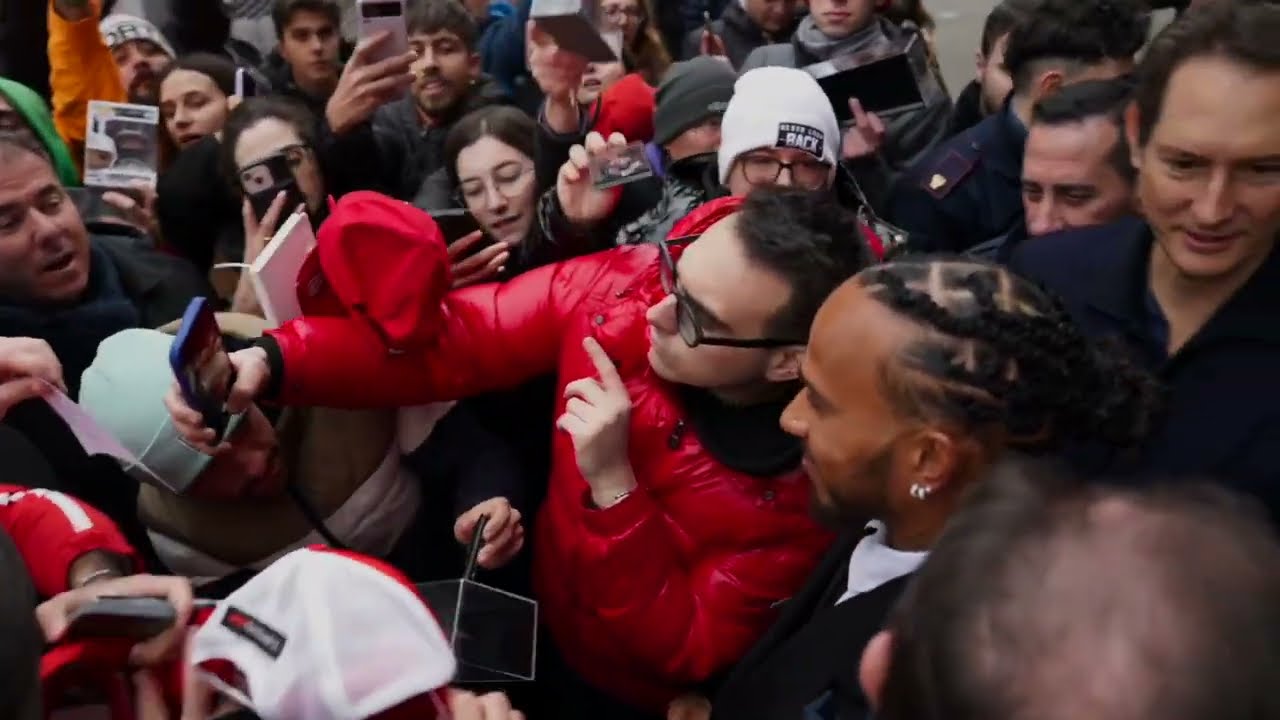
The Ferrari Fiasco: A Team at War with Itself
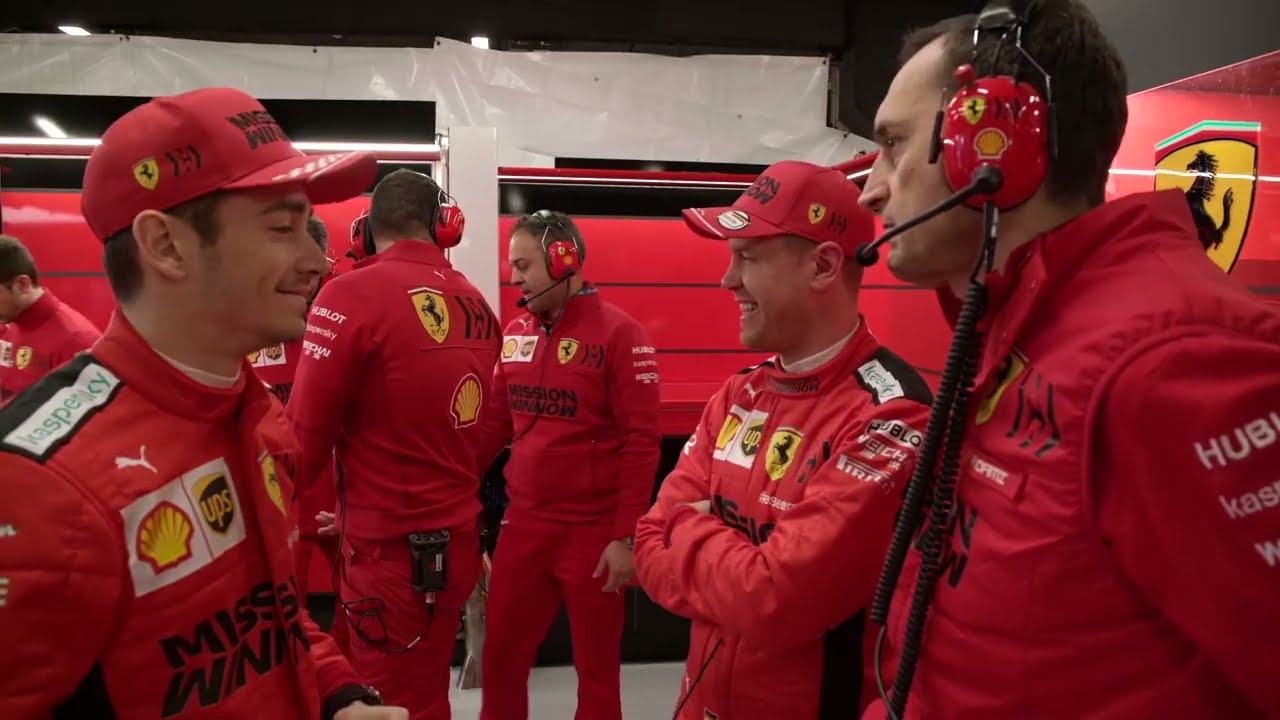
To pin the blame solely on Hamilton would be a gross misrepresentation of the 2025 season. Ferrari’s operational machinery seemed to regress to its darkest days. The car was frequently labeled “undrivable” by both Hamilton and his teammate Charles Leclerc, plagued by an unpredictability that shattered driver confidence.
Yet, rather than shielding their star talents, Ferrari’s upper management seemed intent on deflecting blame. In a bizarre public statement, Ferrari Chairman John Elkann praised the technical department while implicitly criticizing the drivers, essentially telling them to keep their complaints in-house. It was a toxic environment reminiscent of the team’s most turbulent eras, characterized by a lack of self-awareness and a resistance to the kind of brutal honesty required to win championships.
The team’s strategic ineptitude was personified by the partnership between Hamilton and race engineer Riccardo Adami. It was, by all accounts, a calamitous pairing. The chemistry was non-existent. Critical information was withheld or delivered too late, leading to avoidable penalties—such as the track limits fiasco in Abu Dhabi or the qualifying disaster in Monaco, where poor communication handed Hamilton a grid penalty that ruined his race before it began. For a driver already battling his own demons, the lack of a reliable voice in his ear was the final straw.
The Achilles’ Heel: Qualifying and the “Ground Effect” Era
However, stripping away the team’s failures reveals a harsher truth about Hamilton’s own performance. The 2025 season exposed a fundamental decline in what was once his greatest weapon: his one-lap pace.
In the “Ground Effect” era of Formula 1, qualifying has become paramount due to the difficulty of overtaking and the closeness of the field. Unfortunately, this is exactly where Hamilton has faltered. Throughout 2025, he was consistently outqualified by Leclerc, with an average deficit of nearly two-tenths of a second. In a grid separated by milliseconds, that gap is an eternity.
The statistics are damning. While Carlos Sainz—whom Ferrari controversially dropped to make way for Hamilton—often matched or beat Leclerc, Hamilton struggled to keep up. By the end of the season, Lewis had scored just 64.5% of the points Leclerc managed. While flashes of brilliance remained, such as his vintage domination of the Sprint in China, they were fleeting sparks in a dying fire. The consistency that defined his championship years has evaporated, replaced by a fragility that saw him knocked out in Q2 while his teammate advanced.
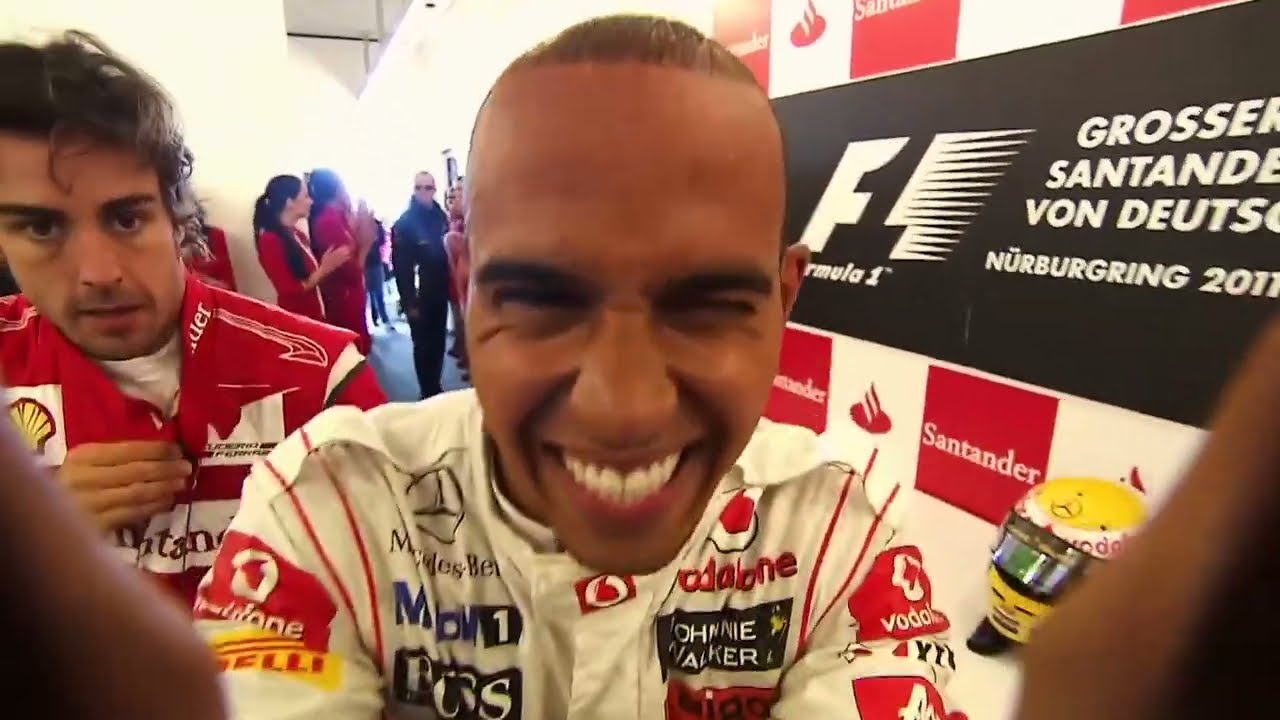
A Broken Man
Perhaps the most distressing aspect of the 2025 season was not the lack of trophies, but the visible toll it took on the man himself. Post-qualifying interviews became painful to watch. Hamilton didn’t just sound disappointed; he sounded broken.
He was uncharacteristically self-critical, at times calling himself “useless” and suggesting the team might need a new driver. These weren’t just the vented frustrations of a competitor; they were the words of an athlete confronting his own mortality. The confidence that once radiated from him was replaced by confusion and self-doubt. He had moved to Ferrari seeking a new spark, a fresh motivation to reinvigorate his spirit. Instead, he found a crumbling empire that compounded his insecurities.
The parallels to Michael Schumacher’s return to Mercedes are now impossible to ignore. Like Schumacher, Hamilton is an all-time great struggling against the dying of the light, outperformed by a younger, prime teammate, and unable to extract the maximum from a difficult car. It is a blemish on a legacy, a “sad downfall” that threatens to overshadow the brilliance of his prime.
The Verdict: Time to Bow Out?
As we look toward 2026, the hope that a new regulation cycle will magically fix these issues seems like wishful thinking. Hamilton’s struggles with qualifying pace are not specific to a single car concept; they are the natural erosion of speed that comes with age. Even Fernando Alonso, the only peer of Hamilton’s generation still racing, has shown similar signs of decline in raw speed, though often masked by weaker teammates.
Lewis Hamilton has nothing left to prove. His records stand as monuments to his greatness. But the 2025 season has made one thing brutally clear: the magic is fading. Unless he can find a joy in racing that was completely absent last year, the most dignified move might be to accept that the torch has passed.
Ferrari wanted a savior. Hamilton wanted a renaissance. Instead, they got a tragedy. And for those of us who watched Lewis Hamilton conquer the world, seeing him reduced to a midfield participant in a dysfunctional team is a heartbreak we never wished to witness.
News

Inside Shane Richie’s love life: Drug – fuelled orgy with six blondes; real reason he split from Coleen Nolan; six-year ‘affair with fan’
Inside Shane Richie’s love life: Orgy with six blondes; real reason he split from Coleen Nolan; six-year ‘affair with fan’ He’s popular with the ladies… Shane Richie…

SH0CKING REVELATI0N:A sh0cking behind-the-scenes secret revealed about Lizzie Rizzini, the woman replacing Carol Kirkwood on the 6pm weather bulletin
BBC viewers still reeling from the departure of Carol Kirkwood got another surprise last night when presenter Lizzie Rizzini appeared to flash her black lace stockings on…

HEARTBREAKING: Peter Andre’s Tearful Message to Son Junior After SHOCKING Revelation About How He Truly Feels Toward Mum Katie Price — Katie Price’s reaction scares fans.
Peter Andre’s emotional message to son Junior after it’s revealed how he really feels about mum Katie Pri… PETER Andre has shared an emotional message to his…

Ben Shephard opens up about the devastating health battle his wife is facing: “She wakes up crying every single morning…”
Inside This Morning Ben Shephard’s Life Including Rarely Seen Wife and Health Battle Ben Shephard is a name synonymous with British television, renowned for his engaging presentation…
🚨 LIVE TV HEARTBREAK: Good Morning Britain Host Announces ‘Devastating’ Dɘath of Guest Minutes Into Show
Viewers of Good Morning Britain were met with heartbreaking news just minutes into Friday’s (January 30) episode, as co-hosts Kate Garraway and Ranvir Singh reported the tragic…

Emmerdale legend Cain Dingle will never be the same again after a shock cancer diagnosis turns his world upside down
FROure Desk. Full Terms and conditions are available on the website http://www.itv.com/presscentre/itvpictures/terms Emmerdale wouldn’t be Emmerdale without the glowering, grunting embodiment of manliness that is Cain Dingle (Jeff Hordley) But…
End of content
No more pages to load






