For decades, Formula 1 operated on a brutal yet beautifully simple meritocracy: the stopwatch never lied. In this high-octane world, if you were fast, you were safe. If you were slow, you were out. It didn’t matter if you had the charisma of a rock star or the personality of a wet cardboard box; if you could shave a tenth of a second off a lap time, you had a job. But as we settle into the reality of modern motorsport, that ancient rulebook hasn’t just been rewritten—it has been shredded, burned, and replaced by an algorithm.
In the 2024 paddock, speed is rapidly becoming a secondary metric. We are witnessing a seismic shift where a driver’s digital footprint, follower count, and “meme-ability” are becoming just as powerful as their throttle pedal. Social media has transformed from a simple fan engagement tool into a career-defining currency. But as many drivers are finding out, this currency has a volatile exchange rate. It can buy you a seat, certainly, but the tax it levies on mental health and focus can cost you everything else.
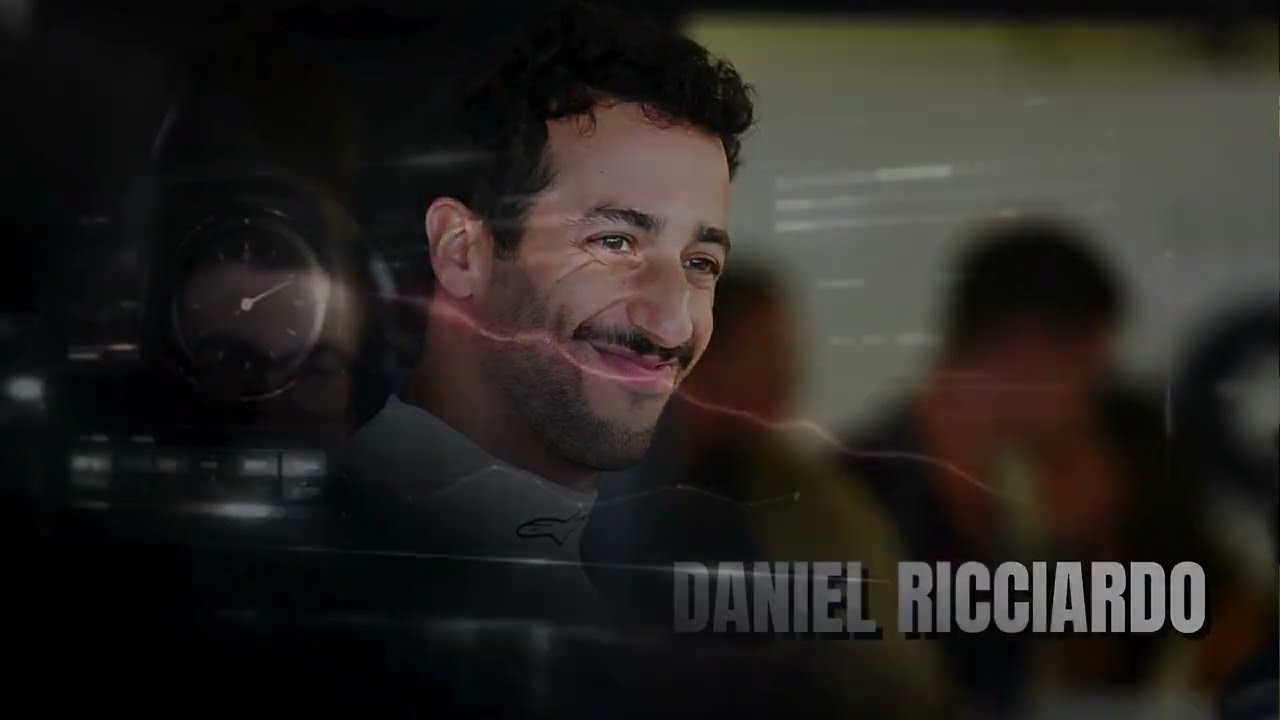
The $35 Million Smile: The Ricciardo Effect
To understand this new hierarchy, one needs to look no further than the curious case of Daniel Ricciardo. By traditional racing metrics, his stint at McLaren was an objective failure. He was consistently outpaced by his teammate, struggled to adapt to the car, and was eventually paid millions of dollars just to leave the team early. In the “old world” of Formula 1, such a performance would have been a career-ending curtain call. He would have been thanked for his service and quietly ushered out the exit door.
Yet, in 2024, Ricciardo didn’t just stay on the grid; he became the face of a rebranded team. Why? Because in the modern era, speed is only 50% of a driver’s value. Reports suggest that the massive Visa and Cash App title sponsorship for the RB team—a deal worth a staggering $35 million annually—was heavily influenced by one singular factor: the marketability of Daniel Ricciardo. His infectious smile, his Drive to Survive stardom, and his army of 9 million Instagram followers were worth more to the team’s bottom line than a few tenths of a second on the track. This is the new reality: a driver’s ability to sell a credit card is now arguably as valuable as their ability to overtake.
The Hamilton Empire: A Global Media Channel
While Ricciardo represents the survival aspect of this new economy, Lewis Hamilton represents its absolute dominance. Hamilton is the undisputed king of the digital metric. With over 40 million followers on Instagram alone, his digital reach is double that of any other driver on the grid. He has transcended the sport to become a cultural icon.
Analysts estimate that a single sponsored post from Lewis Hamilton can carry a media value of anywhere between $120,000 to over $170,000. When brands like Tommy Hilfiger or IWC partner with him, they aren’t just sponsoring a racing driver; they are buying airtime on a global media channel. This immense distribution network allows Hamilton to command a salary that reflects not just his record-breaking seven world titles, but his status as a one-man marketing machine.
For midfield teams, this digital currency is a lifeline. When teams like Williams or Haas scout for talent, they are no longer just looking at lap times in F2. They are asking, “What budget or attention do you bring?” The “Netflix Effect” has turned drivers into characters, and teams know that signing a personality guarantees screen time. Screen time guarantees sponsor satisfaction, and sponsor satisfaction pays the electricity bills. In this era, being boring is a financial risk. You can be fast, but if you are invisible online, you are leaving millions of dollars on the table.
The Human Cost: Mental Health in the Digital Age
However, there is a dark side to this digital revolution. While social media builds careers, it simultaneously erodes the human being behind the helmet. We often forget that many of these gladiators are merely men in their early 20s, growing up under a level of scrutiny that previous generations of champions never had to imagine.
Lando Norris has been one of the most vocal figures regarding this harsh reality. On the surface, Lando is the prototype of the modern digital driver: he streams on Twitch, founded his own gaming and lifestyle brand, Quadrant, and memes with the best of them. But peel back the layers, and the cost is evident. Norris has openly admitted to spirals of self-doubt triggered by social media. In his early seasons, he confessed to reading every comment, letting the “armchair experts” dictate his self-worth.
“I was struggling a lot with my mental health,” Norris told interviewers, “feeling like I didn’t know if I was good enough.” The pressure is relentless. Every lockup, every bad strategy call, and every frustrated radio message is clipped, captioned, and dissected by millions within seconds.
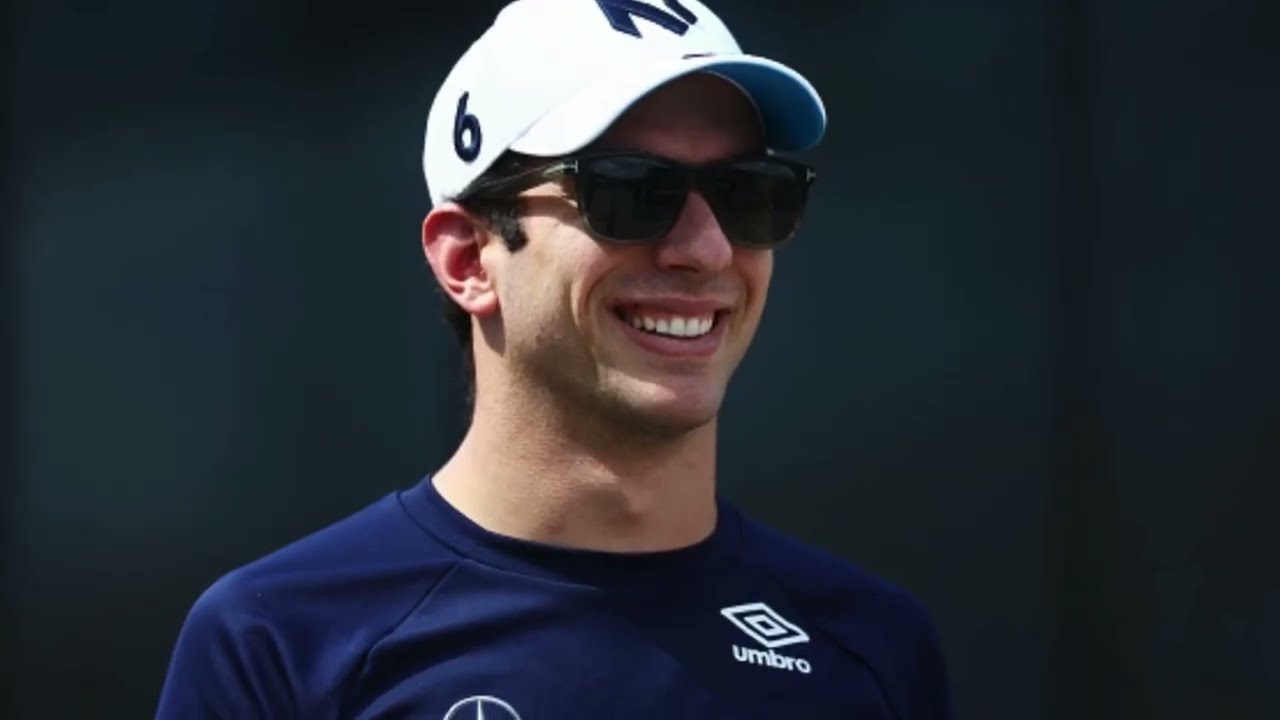
The incident with Nicholas Latifi in Abu Dhabi 2021 remains the darkest example of this toxicity. A simple racing error—a crash that could happen to anyone—led to death threats, forced security details for his family, and a necessary retreat from the public eye. This is the paradox modern drivers face: they must be online to satisfy sponsors and build their brand, but being online exposes them to a toxicity that can directly impact their performance. It is a tightrope walk where one slip doesn’t just mean hitting a wall on the track; it means hitting a wall of public abuse.
Managed Authenticity: The Future of the Sport
So, how does the sport respond? We are entering an era of “managed authenticity.” Ten years ago, Kimi Räikkönen could just be Kimi—blunt, rude, or silent—and fans loved him for it. Today, that lack of engagement is a harder sell. Teams are now hiring digital strategists who sit in briefings alongside race engineers. They are scripting TikToks and managing viral challenges. Drivers are becoming content creators first, and athletes second, for at least 30% of their week.
Even the governing body, the FIA, is tightening the leash. New guidelines look to impose stricter penalties on driver conduct, creating a sanitized version of the sport where swearing in a press conference—something legends like James Hunt would have done over breakfast—can land a driver like Max Verstappen with community service. The message is clear: Be famous, but be safe. Be loud, but don’t say the wrong thing.
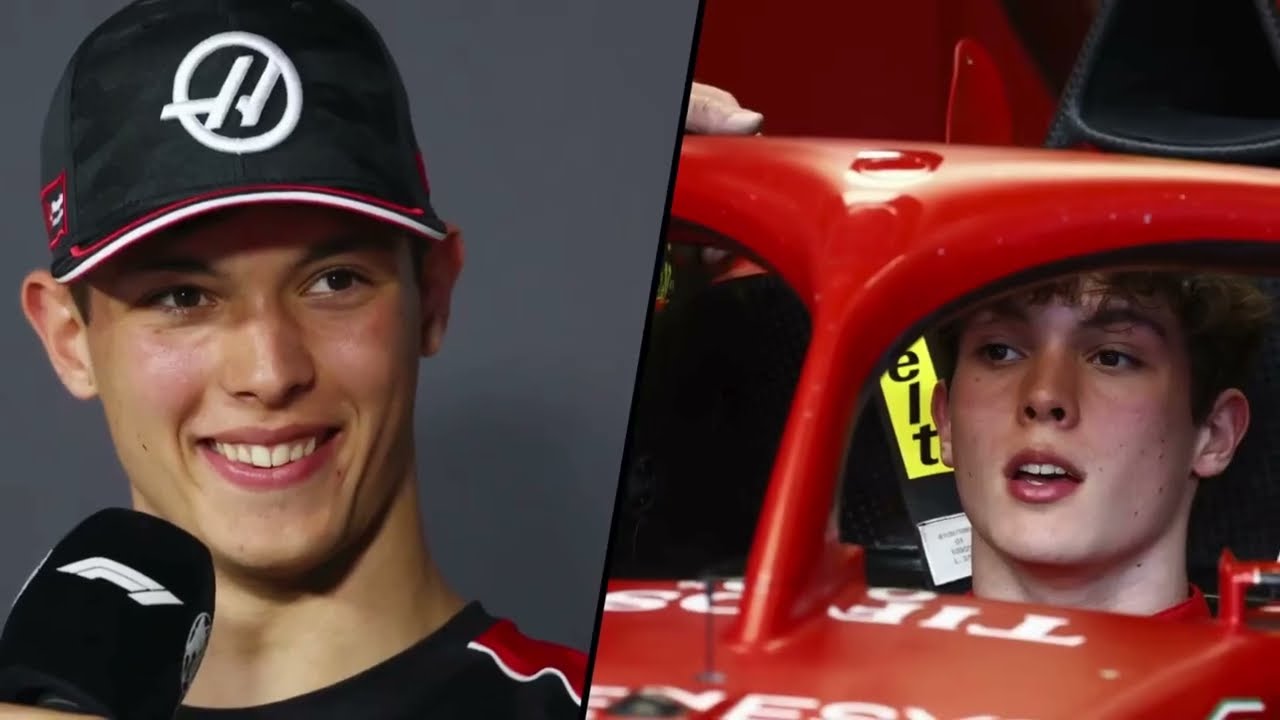
As we look to the future, to the young talents like Kimi Antonelli and Oliver Bearman joining the grid, we are looking at the first generation of true digital natives. These kids haven’t just learned how to race karts; they’ve learned how to manage a community. The driver of the future must be a hybrid. They need the raw speed of a Verstappen, the marketing savvy of a Hamilton, and the mental resilience to filter out the noise of millions.
Social media hasn’t just changed the coverage of Formula 1; it has fundamentally changed the job description. Drivers are no longer just pilots; they are influencers, brand ambassadors, and content machines. In this high-speed data economy, a “like” might not be as fast as a lap time, but it is becoming just as valuable.
News

Inside Shane Richie’s love life: Drug – fuelled orgy with six blondes; real reason he split from Coleen Nolan; six-year ‘affair with fan’
Inside Shane Richie’s love life: Orgy with six blondes; real reason he split from Coleen Nolan; six-year ‘affair with fan’ He’s popular with the ladies… Shane Richie…

SH0CKING REVELATI0N:A sh0cking behind-the-scenes secret revealed about Lizzie Rizzini, the woman replacing Carol Kirkwood on the 6pm weather bulletin
BBC viewers still reeling from the departure of Carol Kirkwood got another surprise last night when presenter Lizzie Rizzini appeared to flash her black lace stockings on…

HEARTBREAKING: Peter Andre’s Tearful Message to Son Junior After SHOCKING Revelation About How He Truly Feels Toward Mum Katie Price — Katie Price’s reaction scares fans.
Peter Andre’s emotional message to son Junior after it’s revealed how he really feels about mum Katie Pri… PETER Andre has shared an emotional message to his…

Ben Shephard opens up about the devastating health battle his wife is facing: “She wakes up crying every single morning…”
Inside This Morning Ben Shephard’s Life Including Rarely Seen Wife and Health Battle Ben Shephard is a name synonymous with British television, renowned for his engaging presentation…
🚨 LIVE TV HEARTBREAK: Good Morning Britain Host Announces ‘Devastating’ Dɘath of Guest Minutes Into Show
Viewers of Good Morning Britain were met with heartbreaking news just minutes into Friday’s (January 30) episode, as co-hosts Kate Garraway and Ranvir Singh reported the tragic…

Emmerdale legend Cain Dingle will never be the same again after a shock cancer diagnosis turns his world upside down
FROure Desk. Full Terms and conditions are available on the website http://www.itv.com/presscentre/itvpictures/terms Emmerdale wouldn’t be Emmerdale without the glowering, grunting embodiment of manliness that is Cain Dingle (Jeff Hordley) But…
End of content
No more pages to load






