The gravel trap at the first corner of the Suzuka Circuit is perhaps the most famous patch of dirt in the history of motorsport. It is a silent witness to a moment that transcended sport and entered the realm of mythology. On October 21, 1990, two cars, a McLaren-Honda and a Ferrari, barreled toward Turn 1 at breakneck speeds. Moments later, they were intertwined in a cloud of dust, their suspensions shattered, their wheels askew.
To the millions watching around the globe, it looked like a desperate racing incident—a collision between two titans refusing to yield an inch. But beneath the twisted carbon fiber lay a story far darker and more complex than a simple error in judgment. It was the climax of a toxic feud involving political conspiracy, personal betrayal, and a burning desire for revenge that had consumed one of the greatest athletes the world has ever seen: Ayrton Senna.
For decades, the crash at the 1990 Japanese Grand Prix has been debated, analyzed, and romanticized. But to truly understand why Ayrton Senna drove his car into Alain Prost that day, we must peel back the layers of the “Senna vs. Prost” rivalry. It wasn’t just about speed; it was about a man who felt the entire system was rigged against him, and the extreme measures he took to balance the scales.
The Roots of the War
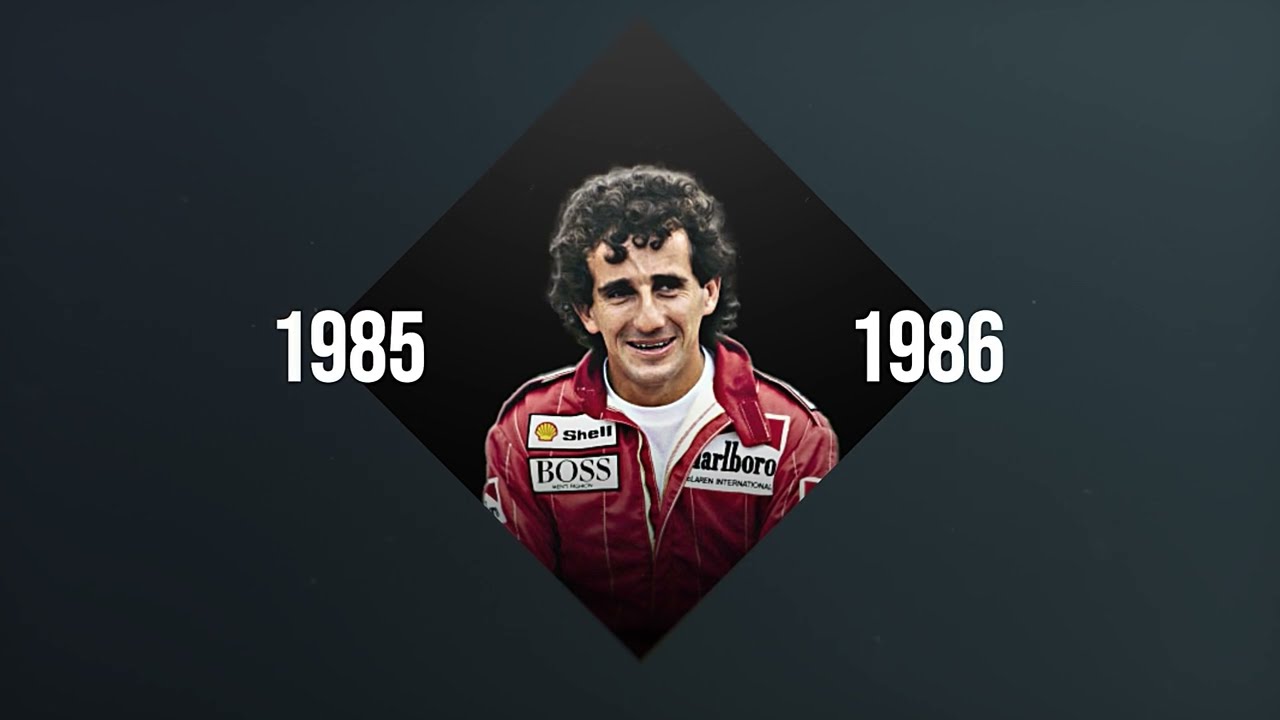
To understand the violence of 1990, we must rewind to the genesis of the conflict. In 1988, Ayrton Senna joined Alain Prost at McLaren. On paper, it was a dream team. Prost, the “Professor,” was the established double world champion—calculated, political, and methodical. Senna, the challenger, was raw, spiritual, and possessed a speed that seemed to defy physics.
Initially, the relationship was cordial. Prost had even blessed Senna’s signing, telling team boss Ron Dennis that Senna was the best option for the team. They dominated the 1988 season, winning 15 out of 16 races. But the honeymoon was short-lived. The cracks appeared at the Portuguese Grand Prix when Senna, in a moment of ruthless aggression, squeezed Prost toward the pit wall at 180 mph. Prost won the race but was shaken. “If he wants the championship that badly, he can have it,” Prost famously remarked, signaling the end of their friendship and the beginning of a war.
By 1989, the tension had metastasized into pure hatred. They were no longer just teammates; they were enemies sharing a garage. The psychological warfare was constant, dividing the McLaren team into two hostile camps. But it was the 1989 Japanese Grand Prix that would light the fuse for the explosion that followed a year later.
The Injustice of 1989
The 1989 title decider at Suzuka is etched in infamy. Senna needed to win to keep his championship hopes alive. Late in the race, he dove down the inside of Prost at the chicane. True to his word, Prost closed the door. The two cars locked wheels and slid to a halt. Prost unbuckled and walked away, thinking he was the world champion.
But Senna didn’t give up. Marshals pushed his McLaren back onto the track, and he bump-started the engine. With a broken front wing, he pitted, rejoined, and drove like a man possessed to win the race on the road. It was a miraculous recovery, a testament to his refusal to accept defeat.
However, the miracle was short-lived. In the steward’s room, politics took over. Jean-Marie Balestre, the authoritarian French president of FISA (the sport’s governing body), intervened. Senna was disqualified not for the crash, but for “cutting the chicane” when rejoining. The decision handed the championship to Prost.
Senna was apoplectic. He didn’t just lose a title; he felt he was the victim of a conspiracy orchestrated by Balestre to ensure a French driver won. The aftermath was brutal. Senna was fined $100,000 and handed a suspended six-month ban. He was labeled a dangerous driver. For a man of Senna’s intense sense of justice and religious conviction, this was a wound that would not heal. He felt persecuted, targeted, and robbed.
He carried that anger through the winter, into the 1990 season, and all the way back to Japan.
The Setup: Suzuka 1990
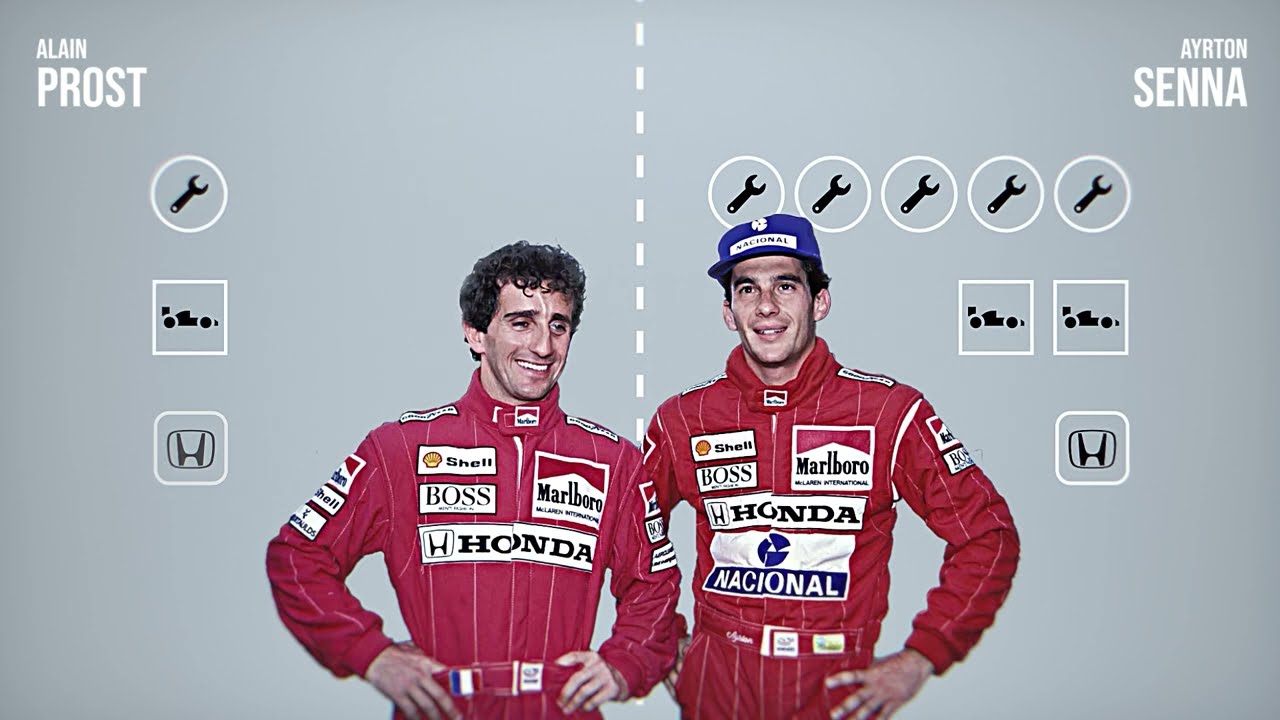
Fast forward to October 1990. The landscape had changed. Prost had moved to Ferrari, taking the number 1 on his car. Senna remained at McLaren, determined to reclaim his crown. The equation was simple: if Prost didn’t finish the race, Senna would be champion.
Senna was in blistering form, putting his McLaren on pole position. But immediately, the old ghosts of politics resurfaced. Pole position at Suzuka was located on the “dirty” side of the track—the side where the asphalt had less rubber and grip. The second-place slot, where Prost would start, was on the “clean” racing line.
Senna, recognizing the disadvantage, asked officials to move pole position to the clean side. The race stewards agreed that it was a logical request. But then, an executive order came down from the top. Jean-Marie Balestre denied the request. Pole would stay on the dirty side.
For Senna, this was the final straw. It wasn’t just a grid slot; it was confirmation in his mind that Balestre and the establishment were trying to screw him again. He was the fastest man, yet he was being penalized. The sense of injustice that had festered since 1989 boiled over into a cold, hard resolve.
Senna stormed out of the drivers’ briefing. He told his team and the media: “If pole is on the dirty side, I will get a bad start. If I get a bad start, and Prost gets the jump, I will not lift at the first corner. If he turns in, we crash.”
It was a warning that few took seriously. Surely, a driver wouldn’t deliberately crash a Formula 1 car at 160 mph?
The Crash
Race day. The lights went green. As predicted, Senna struggled for traction on the dirty dust. Prost, on the clean side, launched his Ferrari perfectly and surged ahead. By the time they reached the braking zone for the high-speed Turn 1, Prost was half a car length ahead and had the racing line.
Normally, the driver behind yields. They tuck in, fight another lap. But Senna was not driving normally. He was driving with the weight of a year’s worth of anger. He kept his foot pinned to the throttle. He didn’t brake where he normally would. He placed his car on a trajectory that intersected perfectly with the apex Prost was aiming for.
Prost turned in, expecting Senna to back out. Senna did not.
Bam.
The McLaren slammed into the rear wheel of the Ferrari. Both cars careened off the circuit at terrifying speed, plowing through the gravel trap and slamming into the tire wall. Dust billowed into the air. The crowd gasped.
In the cockpit of the Ferrari, Prost was furious. He knew immediately what had happened. He didn’t even look at Senna. In the McLaren, Senna unbuckled, walked back to the pits, and watched the rest of the race. He was the World Champion.
The Lie That Became Legend
In the immediate aftermath, the world demanded answers. Did he do it on purpose? Was it a mistake?
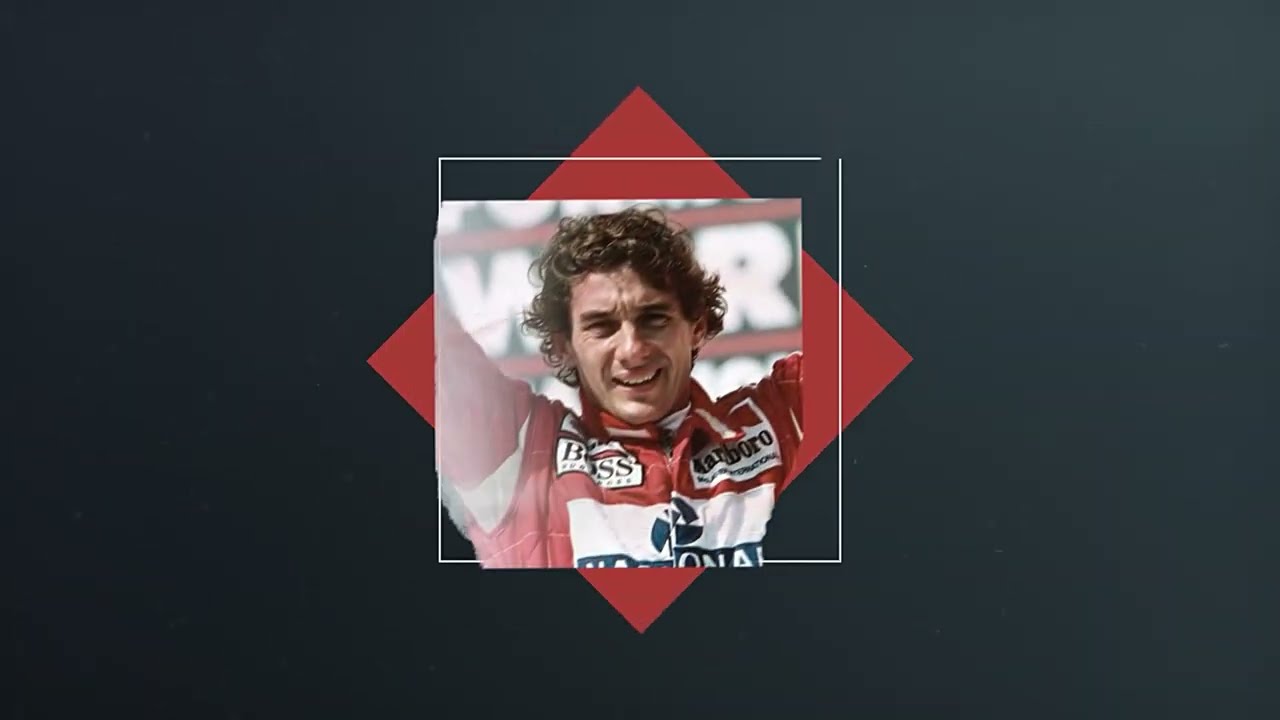
Senna put on a masterclass of deflection. He blamed Prost for “closing the door.” He blamed the dirty side of the grid. When legendary driver Jackie Stewart interviewed him and asked if he had crashed intentionally, Senna became defensive.
“I am very surprised that you, a world champion, would ask such a question,” Senna retorted. He then delivered the line that would become the most misused quote in racing history: “If you no longer go for a gap that exists, you are no longer a racing driver.”
It was a brilliant soundbite. It painted him as a pure racer, a gladiator who simply saw an opening and took it. It turned his aggression into a philosophy. Fans ate it up. The quote was plastered on t-shirts, posters, and in documentaries. It became the mantra for aggressive drivers everywhere.
But it was a lie.
The Confession
The truth remained buried for a year. It wasn’t until 1991, after Senna had secured his third world title, that the dam broke. At the press conference in Suzuka—the scene of the crime—Senna finally dropped the mask.
In a moment of raw honesty, he admitted everything. He told the stunned room of journalists that the 1990 crash had been premeditated.
“I said to myself, ‘Okay, you try to work cleanly and get screwed by the system, so I will do it the other way,'” Senna confessed. “I told myself, if I don’t get into the first corner first, I’m not backing off. I didn’t care if we crashed. I went for it.”
He revealed that the refusal to move the pole position was the trigger. “It was the result of a bad decision by the politicians,” he said. “I felt that I had to fight for what I thought was right.”
The revelation shattered the “racing incident” narrative. The famous “gap” quote was revealed to be a fabrication, a shield used to protect himself from the backlash of a deliberate act of violence on track.
The Legacy of the Move
The 1990 crash remains the most polarizing moment in Ayrton Senna’s career. To his detractors, it was a moment of madness, a dangerous and unsportsmanlike act that endangered lives. Prost would later say, “He wanted to beat me, but he also wanted to destroy me. That was his motivation.” Prost felt that Senna believed he had a divine right to win, and that anyone who stood in his way was not just an opponent, but an obstacle to God’s will.
To his supporters, however, it was a moment of ultimate justice. It was a lone warrior standing up against a corrupt system. Senna wasn’t just crashing into Prost; he was crashing into Jean-Marie Balestre and the politics of FISA. It was a violent protest, a refusal to be bullied.
Regardless of where one stands on the morality of the move, it highlighted the terrifying intensity that made Senna unique. He was a man of extremes. He could be incredibly gentle, pulling his car over to save the life of a fellow driver (as he did for Érik Comas), yet he could also ram his rival off the road at 160 mph to settle a score.
Conclusion
Thirty-five years later, the dust has settled at Suzuka, but the story retains its power. The 1990 Japanese Grand Prix serves as a reminder that Formula 1 is never just about cars going in circles. It is a human drama played out at the limit of adhesion.
Ayrton Senna’s decision to crash into Alain Prost was not the action of a robot or a simple sportsman. It was the action of a man pushed to his emotional limit, driven by a complex cocktail of pride, persecution, and genius. It stripped away the veneer of civility and showed the world the raw, ruthless desire required to be the absolute best.
When we watch the replay today, we don’t just see a crash. We see the culmination of a Greek tragedy in fireproof overalls. We see the moment where the “Magic” turned dark, and the “Professor” learned that logic has no power against a man who believes he is on a mission from above. It remains the most controversial, dangerous, and unforgettable few seconds in the history of the sport.
News

Inside Shane Richie’s love life: Drug – fuelled orgy with six blondes; real reason he split from Coleen Nolan; six-year ‘affair with fan’
Inside Shane Richie’s love life: Orgy with six blondes; real reason he split from Coleen Nolan; six-year ‘affair with fan’ He’s popular with the ladies… Shane Richie…

SH0CKING REVELATI0N:A sh0cking behind-the-scenes secret revealed about Lizzie Rizzini, the woman replacing Carol Kirkwood on the 6pm weather bulletin
BBC viewers still reeling from the departure of Carol Kirkwood got another surprise last night when presenter Lizzie Rizzini appeared to flash her black lace stockings on…

HEARTBREAKING: Peter Andre’s Tearful Message to Son Junior After SHOCKING Revelation About How He Truly Feels Toward Mum Katie Price — Katie Price’s reaction scares fans.
Peter Andre’s emotional message to son Junior after it’s revealed how he really feels about mum Katie Pri… PETER Andre has shared an emotional message to his…

Ben Shephard opens up about the devastating health battle his wife is facing: “She wakes up crying every single morning…”
Inside This Morning Ben Shephard’s Life Including Rarely Seen Wife and Health Battle Ben Shephard is a name synonymous with British television, renowned for his engaging presentation…
🚨 LIVE TV HEARTBREAK: Good Morning Britain Host Announces ‘Devastating’ Dɘath of Guest Minutes Into Show
Viewers of Good Morning Britain were met with heartbreaking news just minutes into Friday’s (January 30) episode, as co-hosts Kate Garraway and Ranvir Singh reported the tragic…
Emmerdale legend Cain Dingle will never be the same again after a shock cancer diagnosis turns his world upside down
FROure Desk. Full Terms and conditions are available on the website http://www.itv.com/presscentre/itvpictures/terms Emmerdale wouldn’t be Emmerdale without the glowering, grunting embodiment of manliness that is Cain Dingle (Jeff Hordley) But…
End of content
No more pages to load






