In the high-stakes world of Formula 1, there is a polite fiction that teams strive to build the most balanced, drivable car possible—a machine that any world-class pilot can step into and push to the limit. We like to believe that the car is a neutral canvas and the driver is the artist. But at Red Bull Racing, that philosophy died a long time ago. The Milton Keynes outfit has quietly stopped building neutral race cars, shifting instead toward a design doctrine that is far more dangerous for the rest of the grid and devastating for anyone brave enough to sit in the second seat.
The uncomfortable reality, one that is rarely admitted out loud in the paddock, is that every major design decision, every aerodynamic concept, and every razor-thin setup window on the modern Red Bull car points back to a single name: Max Verstappen. Once you understand the mechanics of this strategy, you begin to see why so many talented drivers—from Pierre Gasly to Alex Albon and Sergio Perez—have looked pedestrian in championship-winning machinery. It is not that they forgot how to drive; it is that they are trying to tame a beast that was bred for someone else.
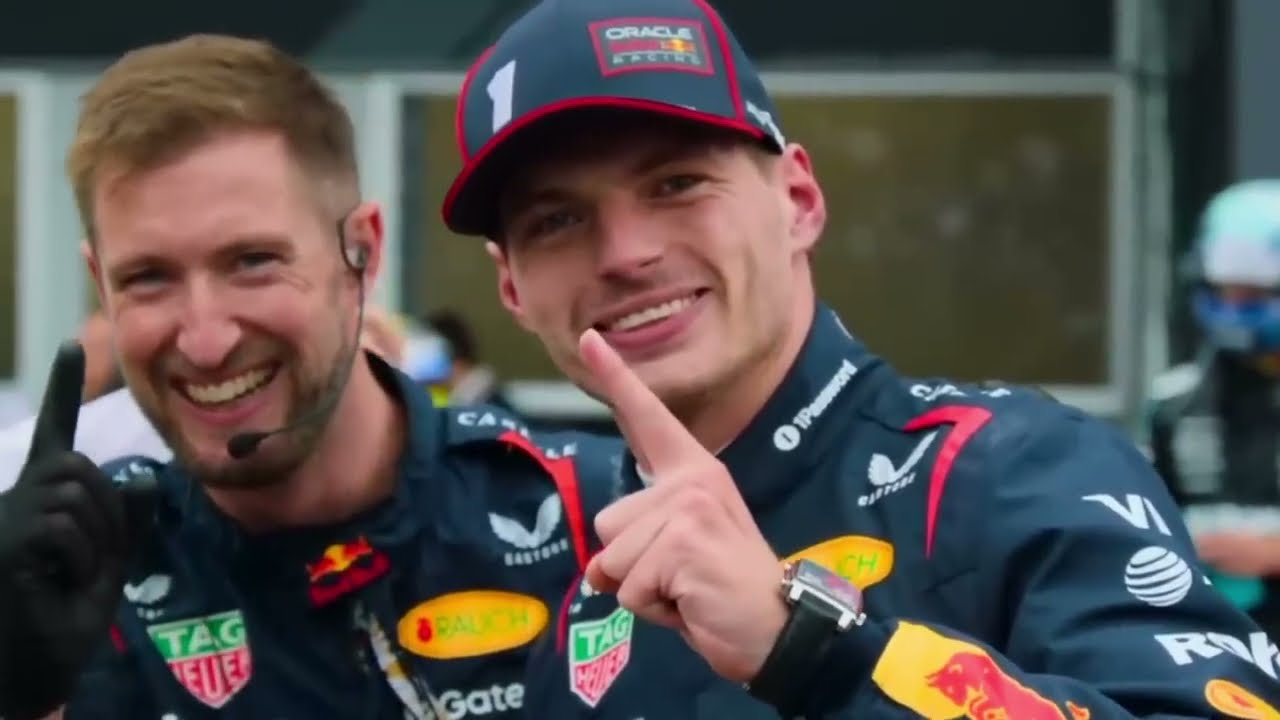
The End of Balance and the Rise of Leverage
For decades, the holy grail of race car engineering was “drivability.” A compliant car gave a driver confidence, and confidence meant speed. But in the modern cost-cap era, where teams cannot simply spend their way out of a deficit, Red Bull has realized that balance is overrated. They have traded balance for leverage.
The smartest advantage in today’s F1 isn’t just a clever suspension trick or a double diffuser; it is building a car that unlocks a theoretical performance ceiling that only one human being on the planet can reach. By 2023, it became clear that Verstappen wasn’t just winning; he was dismantling traditional performance models. He won on tracks that should have favored Ferrari, in conditions that exposed chassis instability, and in scenarios where his teammates couldn’t even stay within half a second of his lap times.
This performance disparity forced Red Bull to ask a ruthless question: Why waste resources making the car easier to drive for the second driver when making it “harder” makes it faster for the lead driver? Formula 1 rewards results, not fairness. If one driver can extract absolute dominance from a car that actively punishes everyone else, the logical, albeit cold, decision is to stop diluting that concept.
The Neurological Advantage: Chaos vs. Predictability
To understand why the Red Bull car is so difficult for others, you have to look at how Max Verstappen drives. His style is distinct and arguably neurological. Max prefers an incredibly sharp front end—a car that darts into a corner the instant he breathes on the steering wheel. To get that responsiveness at the front, you often have to sacrifice stability at the rear.
Most drivers need a planted rear end to feel confident committing to a high-speed corner. They need to know the back of the car will stick. Verstappen, however, is comfortable—even happy—with a rear end that feels loose or “on edge.” Telemetry data shows he applies throttle earlier than almost anyone else, often before the car has fully settled. He is correcting micro-slides at 200 mph, using the instability to rotate the car faster.
For a driver like Sergio Perez, who relies on rear stability to manage his tires and carry speed, this trait is a nightmare. When the rear becomes light, Perez loses confidence and bleeds time. For Verstappen, that looseness is a tool. He uses it to point the car exactly where he wants it. Red Bull’s engineers, led by the legendary Adrian Newey and Pierre Waché, leaned into this. They stopped trying to fix the instability and started optimizing it, creating a feedback loop that weaponized Max’s unique reflexes.
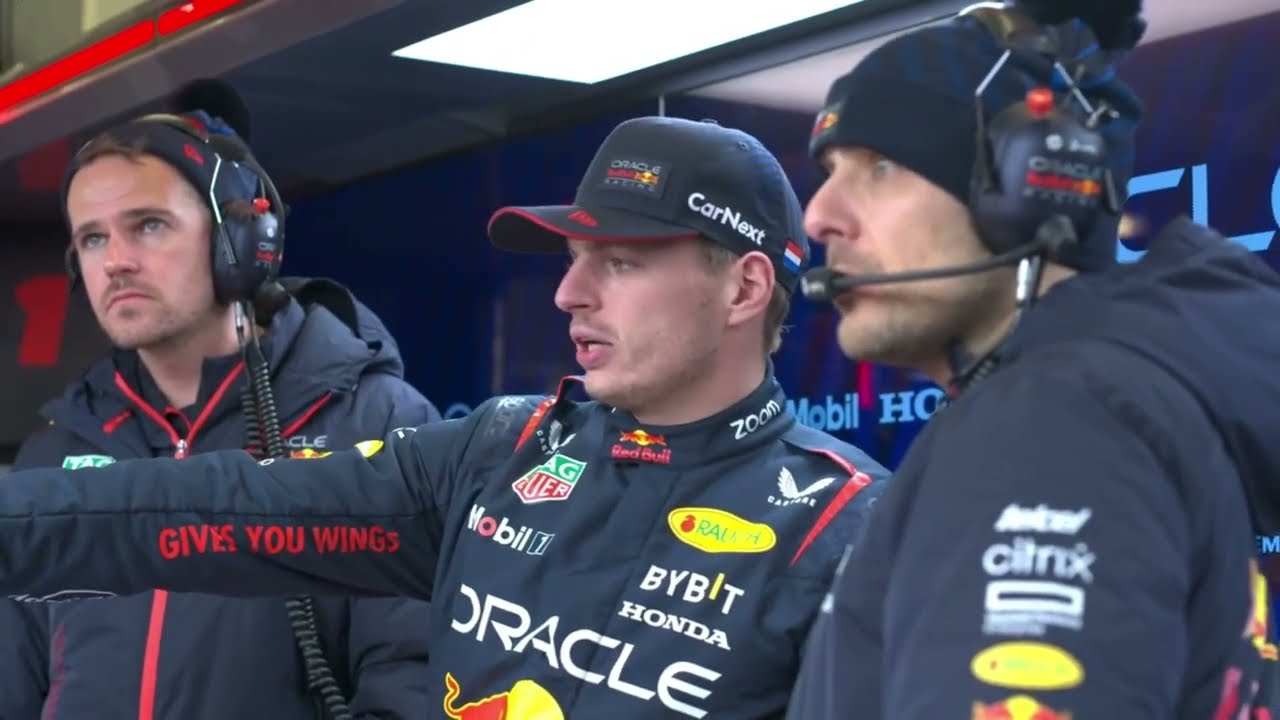
The Teammate Trap
This philosophy explains the “curse” of the second Red Bull seat. It creates an invisible trap for any teammate. When a driver like Alex Albon says the car felt like it was “trying to spit you out,” he isn’t exaggerating. The setup window on these cars is incredibly narrow. If you miss it, the lap time collapses.
Drivers like Gasly and Albon arrived at Red Bull with stellar reputations, only to look lost. They found themselves fighting the car on entry, terrified the rear would snap on them. Meanwhile, in the same garage, Verstappen was complaining that the front wasn’t sharp enough. The car demands a level of precision and a specific driving style that simply cannot be taught. You cannot teach a driver to be comfortable with the sensation of crashing; they either have the instinct for it, or they don’t.
This doesn’t mean Red Bull is anti-teammate. It means they are pro-winning. They have accepted that optimizing the car for their best driver yields more points than compromising the design to make it accessible to both. It is a brutal calculation, but the trophy cabinet proves it works.
The 2026 Threat: Doubling Down on Difficulty
If the current situation seems grim for Verstappen’s rivals, the horizon looks even darker. The upcoming 2026 regulations are set to introduce a new era of power units with a 50/50 split between internal combustion and electric power. These cars will have less downforce and require significantly more driver input to manage energy deployment and throttle application.
The 2026 rules will reward drivers who can modulate power delivery mid-corner without destabilizing the car—drivers who know exactly when to lift, when to coast, and when to commit despite having only partial grip. This description fits Max Verstappen disturbingly well.
His throttle traces are already smoother and more decisive than his peers. While others hesitate to avoid wheelspin, Max rides the limit of traction with robotic consistency. If Red Bull builds their 2026 challenger to amplify these traits rather than suppress them, they could unlock a level of dominance that makes the current era look competitive. The new rules demand “throttle discipline,” a skill that is effectively Max’s superpower.
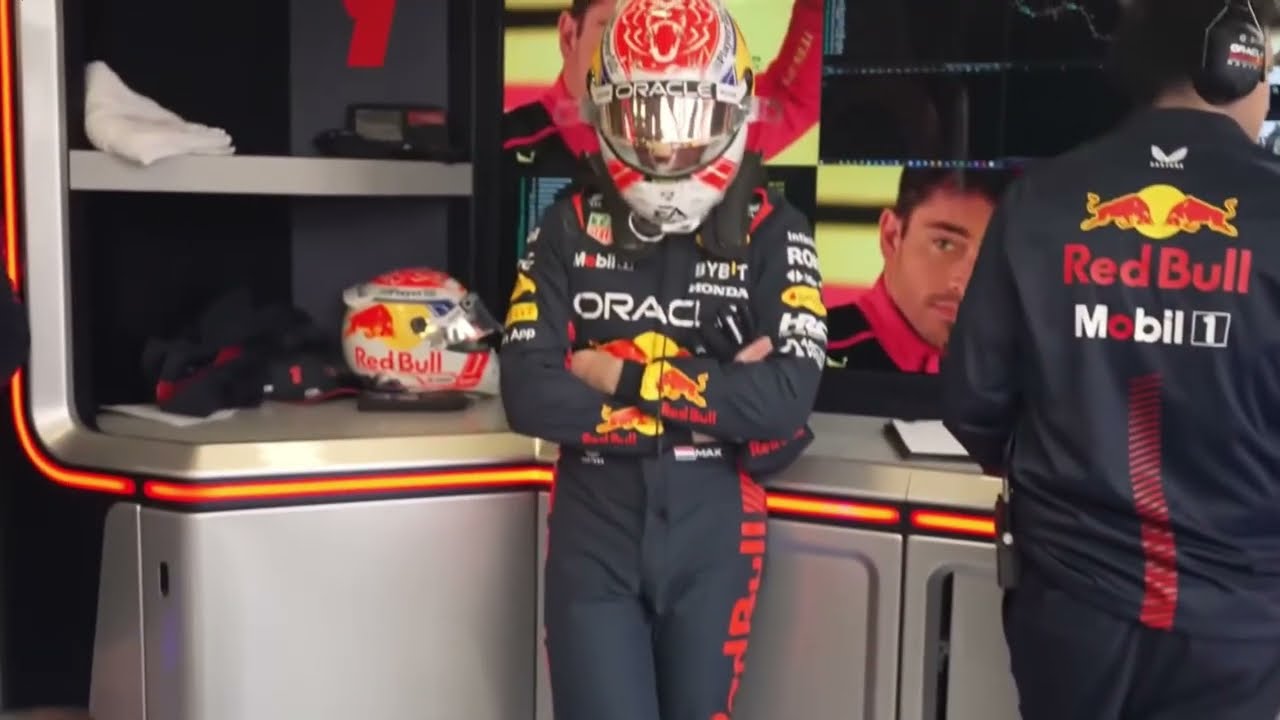
The Ultimate Risk
However, this strategy is not without peril. Designing an entire engineering philosophy around the instincts of one man creates a massive point of failure. If Verstappen were to retire, switch teams, or suffer an injury, the Red Bull system risks immediate collapse. They would be left with a car that is theoretically the fastest on the grid but practically undrivable for anyone else.
Mercedes learned a similar lesson when they chased aerodynamic theory over driver feel, and Ferrari has spent years oscillating between philosophies. Red Bull is making a calculated gamble that Verstappen’s ceiling is high enough to withstand any regulation change. So far, they have been right.
As we look toward the future, the rest of the grid isn’t just chasing a faster car; they are chasing a symbiosis between man and machine that is nearly impossible to replicate. Red Bull has stopped trying to build a car that anyone can win with, and in doing so, they have redefined what it means to be a team in Formula 1. It is no longer about two drivers fighting for glory; it is about one driver and a machine built solely to serve his will.
Conclusion
The narrative of “fairness” in sport is compelling, but Formula 1 has never been fair. It is an engineering war, and Red Bull has found the ultimate weapon. By sacrificing the performance of the second car to maximize the potential of the first, they have created a dynasty. Whether you view this as a stroke of genius or a cynical sabotage of the second driver, one thing is undeniable: it is working. And as 2026 approaches, the team seems ready to push this “dangerous” philosophy even further, challenging the world to catch a driver who is quite literally in a league—and a car—of his own.
News

Inside Shane Richie’s love life: Drug – fuelled orgy with six blondes; real reason he split from Coleen Nolan; six-year ‘affair with fan’
Inside Shane Richie’s love life: Orgy with six blondes; real reason he split from Coleen Nolan; six-year ‘affair with fan’ He’s popular with the ladies… Shane Richie…

SH0CKING REVELATI0N:A sh0cking behind-the-scenes secret revealed about Lizzie Rizzini, the woman replacing Carol Kirkwood on the 6pm weather bulletin
BBC viewers still reeling from the departure of Carol Kirkwood got another surprise last night when presenter Lizzie Rizzini appeared to flash her black lace stockings on…

HEARTBREAKING: Peter Andre’s Tearful Message to Son Junior After SHOCKING Revelation About How He Truly Feels Toward Mum Katie Price — Katie Price’s reaction scares fans.
Peter Andre’s emotional message to son Junior after it’s revealed how he really feels about mum Katie Pri… PETER Andre has shared an emotional message to his…

Ben Shephard opens up about the devastating health battle his wife is facing: “She wakes up crying every single morning…”
Inside This Morning Ben Shephard’s Life Including Rarely Seen Wife and Health Battle Ben Shephard is a name synonymous with British television, renowned for his engaging presentation…

🚨 LIVE TV HEARTBREAK: Good Morning Britain Host Announces ‘Devastating’ Dɘath of Guest Minutes Into Show
Viewers of Good Morning Britain were met with heartbreaking news just minutes into Friday’s (January 30) episode, as co-hosts Kate Garraway and Ranvir Singh reported the tragic…

Emmerdale legend Cain Dingle will never be the same again after a shock cancer diagnosis turns his world upside down
FROure Desk. Full Terms and conditions are available on the website http://www.itv.com/presscentre/itvpictures/terms Emmerdale wouldn’t be Emmerdale without the glowering, grunting embodiment of manliness that is Cain Dingle (Jeff Hordley) But…
End of content
No more pages to load






