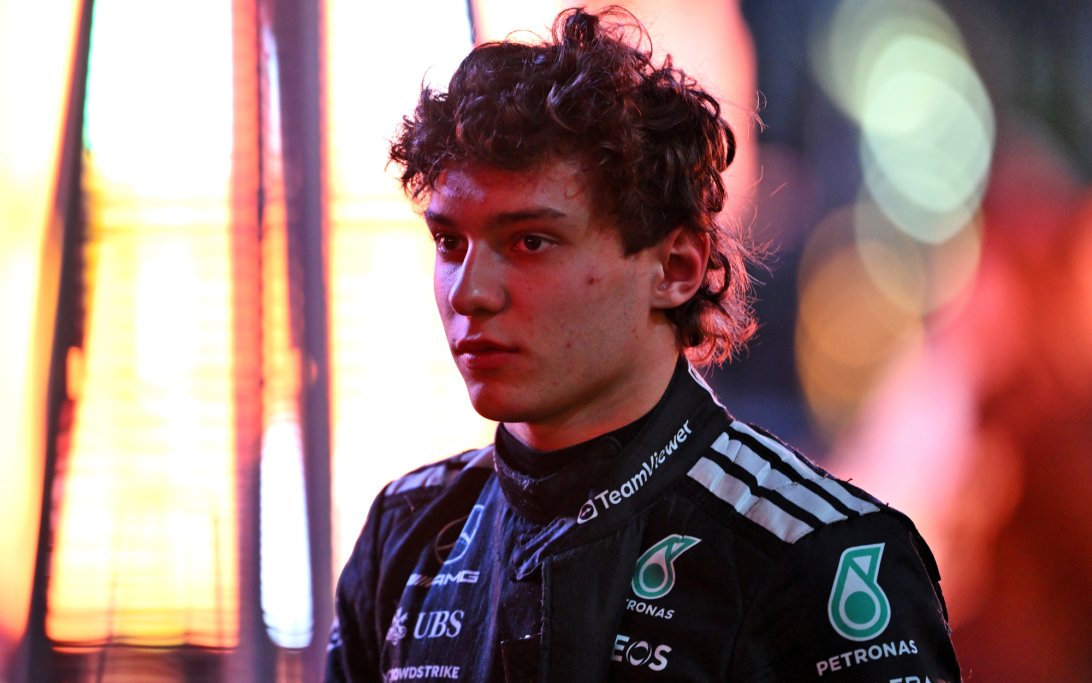
The glitz and glamour of Formula 1 often obscure a darker, more volatile reality that lurks beneath the surface of the sport: the ferocious and often unchecked toxicity of social media. Following the recent Qatar Grand Prix, this ugly side of fandom once again reared its head, targeting one of the grid’s youngest and most promising talents, Andrea Kimi Antonelli. What began as a split-second error on the race track spiraled into a full-blown conspiracy theory, fueled by high-profile misunderstandings and resulting in a deluge of online abuse directed at a nineteen-year-old driver.

The incident in question occurred during the closing stages of the Qatar Grand Prix. Lando Norris, fighting his way back through the field after a compromised strategy, found himself closing in on Antonelli’s Mercedes in a battle for fourth position. To the casual observer watching the live broadcast, the overtake looked peculiar. The cameras, focused primarily on Norris, caught the moment the McLaren swept past the Mercedes with surprising ease. Without the full context of the preceding corners, it appeared to some as though Antonelli had simply moved aside, effectively waving his rival through.
In the high-stakes pressure cooker of a Formula 1 championship fight, where every point is scrutinized and tribal loyalties run deep, this moment became a flashpoint. The narrative of “collusion”—that a Mercedes-powered car was helping a McLaren driver to disadvantage Red Bull—was immediately born. However, the reality of the situation was far more mundane and far more dangerous for the driver involved. Replays that surfaced minutes later painted a completely different picture. Antonelli had not waved Norris past; he had made a driving error. Pushing hard through the high-speed “S” curves, he lit up his rear tires, overheated the rubber, and lost grip. This forced him to run wide onto the rumble strips and off the track, killing his momentum and allowing Norris to capitalize.
Unfortunately, before these replays could clear Antonelli’s name, the narrative had already been set by influential voices within the sport. The first domino to fall was a radio message from Gianpiero Lambiase (GP), Max Verstappen’s race engineer. In the heat of the moment, observing the race from the pit wall, GP radioed Verstappen saying, “He seemed to let Norris by.” It was an observation made in real-time, without the benefit of replays or multiple camera angles. While team radio is primarily a tool for internal communication, its broadcast to millions of viewers worldwide gave this unverified opinion the weight of fact.
The situation was exacerbated significantly by comments from Red Bull advisor Helmut Marko. Speaking to Sky Germany after the race, Marko did not mince words. He stated it was “too obvious” that Antonelli had waved Norris past. Unlike Lambiase, who was communicating urgently during the race, Marko’s comments came in a media interview, a setting where words are typically more calculated. By labeling the move as an obvious act of collusion, he effectively validated the conspiracy theories brewing online.
The reaction from a vocal minority of the fanbase was swift and vicious. Mercedes later confirmed that Antonelli received over one thousand abusive messages on his social media platforms in the hours following the race. The sheer volume and vitriol of the attacks forced the teenager to “black out” his social media presence, retreating from the digital world to protect his mental well-being. It is a stark reminder that behind the helmet and the millions of dollars in sponsorship, these drivers are human beings—and in Antonelli’s case, a remarkably young one.
In the cold light of day, the accusations have crumbled. Both Lambiase and Marko have since walked back their statements. Lambiase, upon seeing the full context and the replay of Antonelli’s mistake, reportedly approached Mercedes Team Principal Toto Wolff to apologize for his radio message. He acknowledged that he hadn’t seen the full incident and was reacting to limited information. Similarly, Helmut Marko retracted his “too obvious” claim after reviewing the footage, admitting that his assessment was incorrect.
While the apologies are welcome, they raise difficult questions about the responsibility of public figures in the sport. While Lambiase can be given some leeway for a heat-of-the-moment comment made during the intense workload of a race, Marko’s reckless assertion to the media is harder to excuse. When figures of authority validate baseless conspiracies, they inadvertently grant permission for toxic elements of the fanbase to attack. The “benefit of the doubt” that should be afforded to drivers risking their lives at high speeds was notably absent, replaced instead by a rush to judgment.
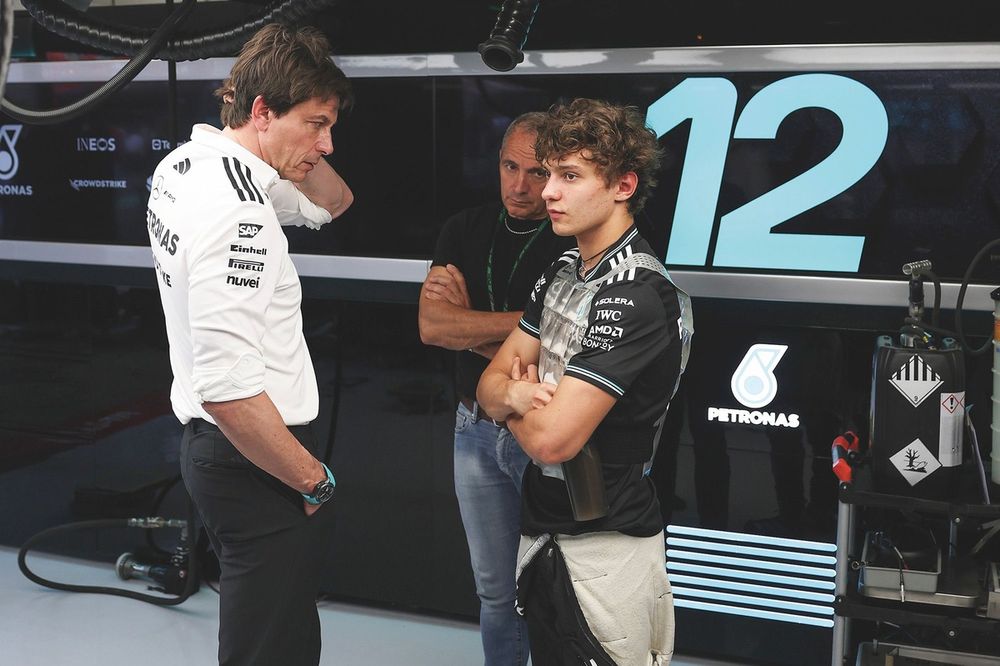
The broader issue, however, extends beyond the paddock. It highlights a societal problem regarding the anonymity and lack of accountability on social media. The ease with which “fans” can direct hateful, abusive, and threatening messages to athletes is alarming. As content creator Tommo noted in his analysis of the situation, while passion is the lifeblood of Formula 1, the line between rivalry and abuse is being crossed with increasing frequency. The “fly-on-the-wall” access we have to driver radios and personal lives is a privilege, but incidents like this threaten to curtail that openness. If drivers are constantly besieged by hate for every on-track error or perceived slight, they will inevitably retreat, building walls between themselves and the fans.
For now, Kimi Antonelli appears to be showing resilience. Reports from the paddock in Abu Dhabi suggest he is in good spirits, supported by his team and looking forward to the next challenge. But the scars of such a public piling-on can linger. This incident serves as a sobering case study of how quickly misinformation can travel and how devastating the consequences can be. It is a call to action for the F1 community—fans, media, and team personnel alike—to exercise caution, verify facts, and remember the human cost of a “hot take.”
As the dust settles on the Qatar Grand Prix, the hope is that this ugly episode will prompt a moment of reflection. The sport we love thrives on competition and drama, but it should never come at the cost of a young driver’s dignity. The abuse directed at Kimi Antonelli was not just a reaction to a race; it was a failure of the community to uphold the basic values of respect and sportsmanship. Moving forward, the challenge remains: how to preserve the passion of the sport while rooting out the poison that threatens to consume it.






