Formula 1 is known as the pinnacle of motorsport, a high-octane world defined by precision engineering, split-second reflexes, and glamour. It is a sport where the finest drivers in the world pilot the fastest machines on the planet. However, for all its technological perfection and strict regulations, F1 has also played host to some of the most absurd, terrifying, and downright weird moments in sporting history. From cars spontaneously falling apart to unauthorized guests on the track, the history of Grand Prix racing is peppered with incidents that defy logic.
Below, we dive deep into the chaotic archive of Formula 1 to uncover the strangest crashes, the oddest interruptions, and the miracles that left fans and drivers alike in total disbelief.
The Day a Ferrari Split in Two
Perhaps the most visually arresting image of F1 fragility occurred not during a Grand Prix, but at a historic event at the legendary Laguna Seca circuit. The incident involved Frits Kroymans, a wealthy Dutch amateur driver and car dealer, who was piloting a Ferrari F399—the same model chassis driven by Michael Schumacher in the 1999 season.
During a warm-up session, Kroymans lost control at Turn 6. While the impact with the tire barrier didn’t initially look catastrophic, the result was shocking. The carbon-fiber monocoque, designed to withstand immense forces, cleanly sheared in half just ahead of the cockpit bulkhead. The front nose and suspension sat detached from the rest of the chassis, leaving the driver’s legs completely exposed to the open air. In a twist of incredible fortune, Kroymans was uninjured. He stepped out of the wreckage calmly, walking away from a crash that looked like it should have been fatal. It remains a stark reminder that even the most legendary engineering can fail in the most unexpected ways.
The Inferno in the Pits
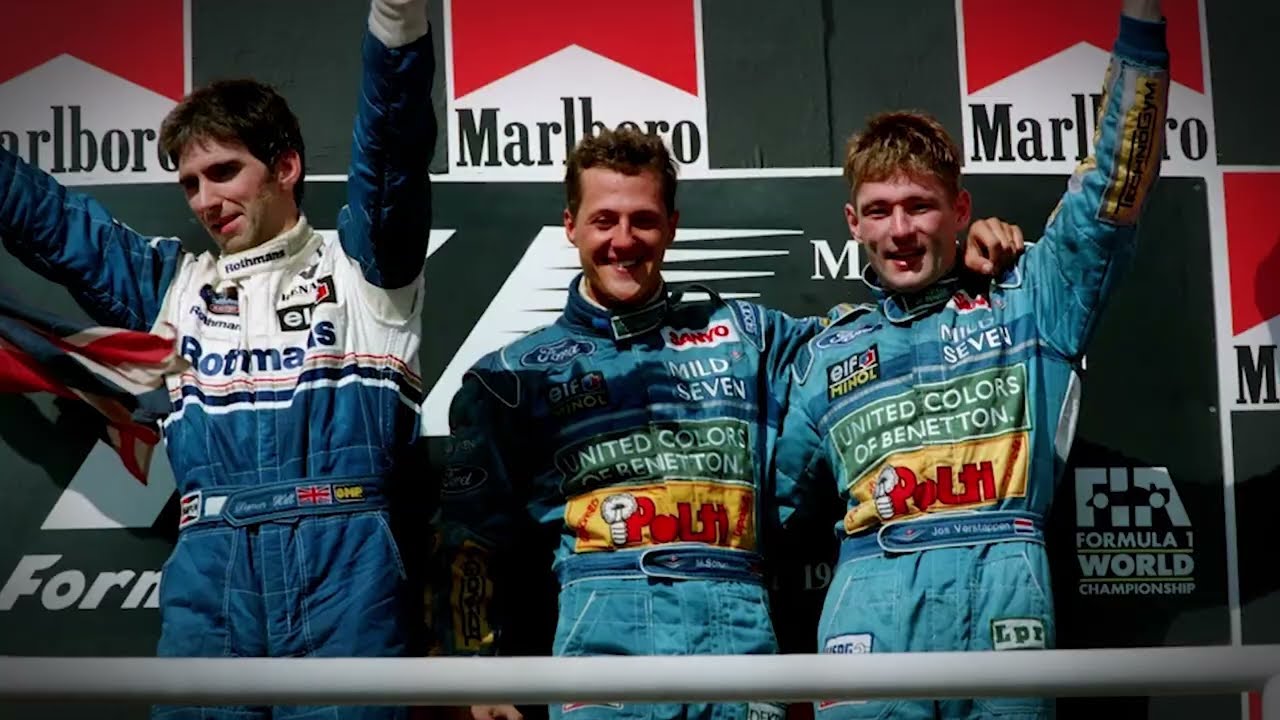
Fire is the primal fear of every racing driver, and few images are as haunting as the pit lane blaze at the 1994 German Grand Prix. Jos Verstappen, father of current champion Max Verstappen, was driving for Benetton and pulled in for what should have been a routine refueling stop.
In 1994, refueling was still a part of the sport, adding a dangerous strategic element. As the fuel hose was connected, a seal failed, spraying gallons of fuel over the hot car and the mechanics. In a split second, a spark ignited the vapor, and the entire Benetton was engulfed in a massive, terrifying ball of orange flame. For a few heart-stopping seconds, Verstappen was invisible inside the inferno. The Benetton crew acted with heroic speed, extinguishing the fire almost immediately. Miraculously, Verstappen escaped with only minor burns around his eyes, a testament to the effectiveness of his fireproof race suit and the bravery of his team.
The Unwanted Track Invaders
A Formula 1 track is a sterile environment, strictly controlled to ensure safety at 200 mph. But sometimes, the outside world breaks in.
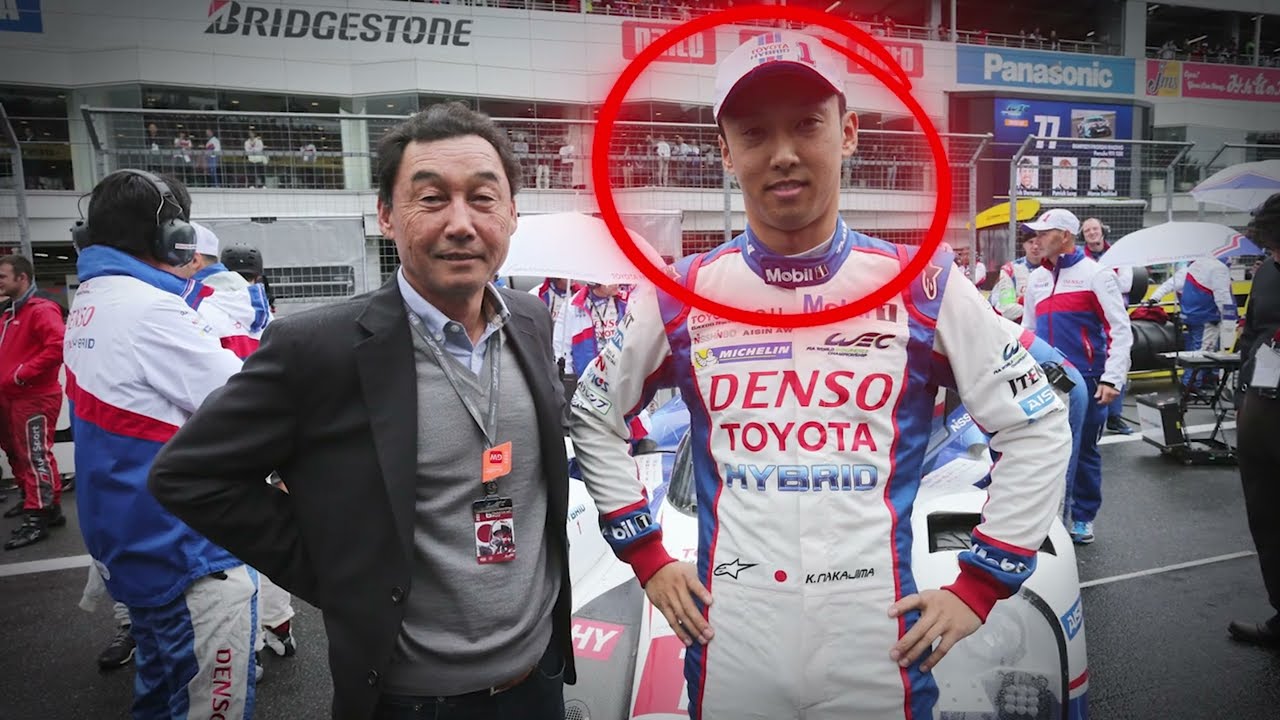
One of the most notorious incidents occurred at the 2003 British Grand Prix. As cars hurtled down the Hangar Straight at top speed, a man named Neil Horan, dressed in a kilt and a beret, ran onto the track waving religious banners. Drivers swerved wildly to avoid him as he danced in the middle of the road. It was a moment of pure madness that required a rugby tackle from a brave marshal to end.
Animals have also had their 15 minutes of fame. At the 2020 Bahrain Grand Prix, a terrified dog wandered onto the circuit during a night session, prompting nervous laughter and a “Who let the dogs out?” joke from Sebastian Vettel. More famously, during the 2015 Canadian Grand Prix, a groundhog decided to cross the track, forcing drivers to take evasive action. While these moments often end with a chuckle, they highlight the terrifying lack of control drivers have over their environment.
However, not all invasions are accidental. At the 2022 British Grand Prix, the race was red-flagged after a massive crash involving Zhou Guanyu. While cars were returning to the pits, a group of climate activists stormed the Wellington Straight and sat down on the asphalt. Had the race been at full speed, the consequences would have been unthinkable. Police and marshals removed them just in time, averting a tragedy that would have shaken the sport to its core.
The Phantom Race of 2005
The 2005 United States Grand Prix at Indianapolis stands as the most farcical event in F1 history. The weekend began with a series of tire failures for teams using Michelin rubber, including a heavy crash for Ralf Schumacher. Michelin realized their tires could not handle the high-speed banking of the Indy circuit and advised their teams it was unsafe to race.
After days of political wrangling and failed compromises—including a rejected proposal to install a chicane—the race went ahead on Sunday with a bizarre twist. After the formation lap, every single Michelin-shod car (14 in total) pulled into the pits and retired. Only the six cars using Bridgestone tires (Ferrari, Jordan, and Minardi) took the start. The crowd, realizing they had paid to watch a six-car procession, erupted in anger, throwing beer cans and trash onto the track. Michael Schumacher won the “race,” but it was a hollow victory on a dark day for the sport’s reputation.
When Wheels and Mechanics Fly
Suspension failure is a driver’s nightmare, but what happened to Sébastien Buemi at the 2010 Chinese Grand Prix was almost comedic in its absurdity. Braking for the hairpin at the end of the long back straight, the front uprights on his Toro Rosso sheared simultaneously. In a cartoon-like fashion, both front wheels shot off the car at the same time, leaving Buemi steering a wheelless sled into the gravel. The bewildered look on his face as he continued to steer a car that no longer had wheels remains an iconic meme in the F1 community.
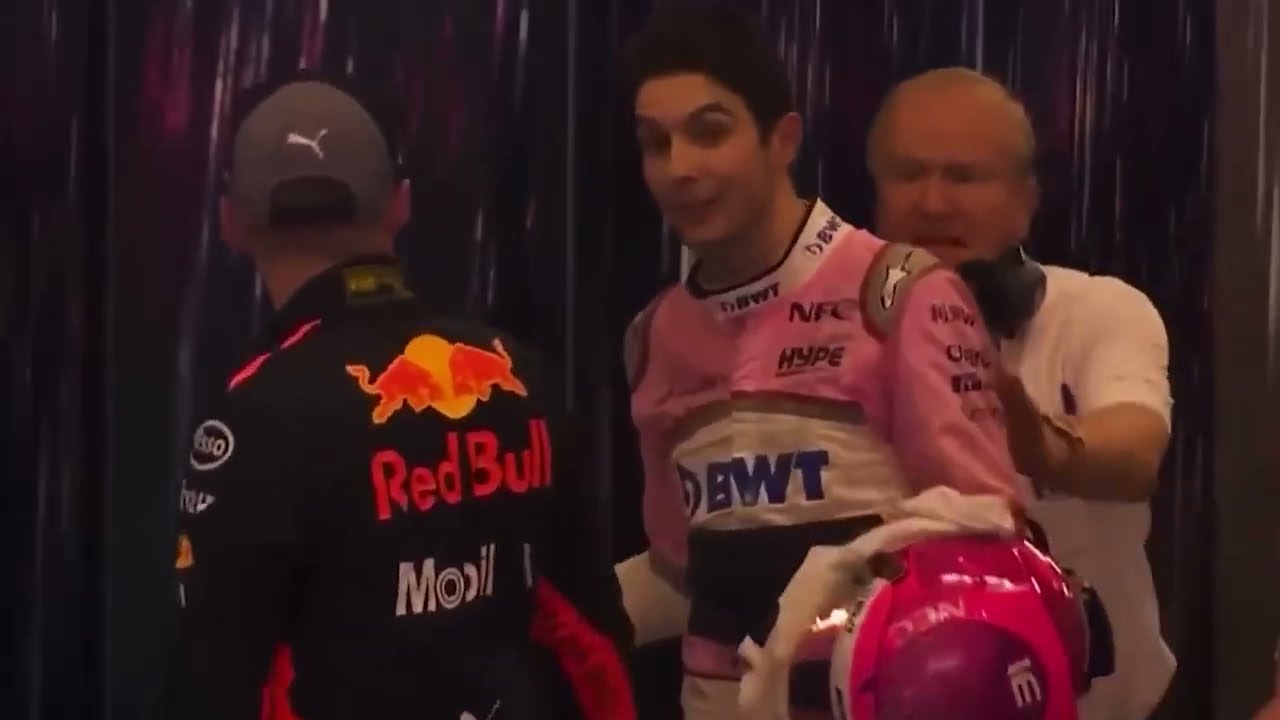
Equally bizarre, but far more painful, was Kazuki Nakajima’s pit stop at the 2007 Brazilian Grand Prix. Making his debut for Williams, the pressure was immense. As he entered the pit box, he misjudged his braking point and plowed into his own pit crew. Two mechanics were thrown into the air, suffering bruises and shock. It was a humiliating moment for the rookie, proving that the danger in F1 isn’t just out on the track—it’s in the garage, too.
The Safety Car That Caused a Crash
The Safety Car and Medical Car are there to protect drivers, but in Brazil 2002, the Medical Car became the hazard. During a warm-up session, Enrique Bernoldi crashed his Arrows. The Medical Car, a Mercedes station wagon driven by former racer Alex Ribeiro, was deployed and parked near the wreckage to assist.
Nick Heidfeld, driving for Sauber, came flying around the blind corner. Surprised by the yellow flags and the parked vehicle, Heidfeld took evasive action, swerving onto the grass. Just as he passed the Mercedes, Ribeiro opened his door to get out. Heidfeld’s Sauber smashed into the open door, ripping it clean off. It was a game of inches; had Heidfeld been a foot to the right, the impact could have been lethal for Ribeiro. It remains the only time in history a driver has collided with the Medical Car’s door.
The Final Lap
From cameras falling off cars to destroy suspensions (Jean Alesi on Gerhard Berger, Monza 1995) to start lights failing and causing grid pileups (Europe 1999), Formula 1 is a theater of the unexpected. These moments serve as a reminder that no matter how much data is analyzed or how much money is spent, chaos is always just around the corner.
While we tune in for the overtakes and the podium celebrations, it is often these bizarre, unscripted moments that stick in our memories the longest. They remind us that at its heart, racing is unpredictable, dangerous, and occasionally, completely hilarious.
News

Inside Shane Richie’s love life: Drug – fuelled orgy with six blondes; real reason he split from Coleen Nolan; six-year ‘affair with fan’
Inside Shane Richie’s love life: Orgy with six blondes; real reason he split from Coleen Nolan; six-year ‘affair with fan’ He’s popular with the ladies… Shane Richie…

SH0CKING REVELATI0N:A sh0cking behind-the-scenes secret revealed about Lizzie Rizzini, the woman replacing Carol Kirkwood on the 6pm weather bulletin
BBC viewers still reeling from the departure of Carol Kirkwood got another surprise last night when presenter Lizzie Rizzini appeared to flash her black lace stockings on…

HEARTBREAKING: Peter Andre’s Tearful Message to Son Junior After SHOCKING Revelation About How He Truly Feels Toward Mum Katie Price — Katie Price’s reaction scares fans.
Peter Andre’s emotional message to son Junior after it’s revealed how he really feels about mum Katie Pri… PETER Andre has shared an emotional message to his…

Ben Shephard opens up about the devastating health battle his wife is facing: “She wakes up crying every single morning…”
Inside This Morning Ben Shephard’s Life Including Rarely Seen Wife and Health Battle Ben Shephard is a name synonymous with British television, renowned for his engaging presentation…

🚨 LIVE TV HEARTBREAK: Good Morning Britain Host Announces ‘Devastating’ Dɘath of Guest Minutes Into Show
Viewers of Good Morning Britain were met with heartbreaking news just minutes into Friday’s (January 30) episode, as co-hosts Kate Garraway and Ranvir Singh reported the tragic…

Emmerdale legend Cain Dingle will never be the same again after a shock cancer diagnosis turns his world upside down
FROure Desk. Full Terms and conditions are available on the website http://www.itv.com/presscentre/itvpictures/terms Emmerdale wouldn’t be Emmerdale without the glowering, grunting embodiment of manliness that is Cain Dingle (Jeff Hordley) But…
End of content
No more pages to load






