The year 2026 is looming like a storm cloud over the world of motorsport, promising to wash away the established order and leave something entirely new in its wake. Formula 1 is bracing for its most significant regulation reset in over a decade, and three titanic forces are marching into the arena to claim the throne. This isn’t just a sporting contest; it is a multi-billion dollar war of attrition, ego, and engineering arrogance.
Three very different “gladiators” are entering the paddock, each armed with massive budgets and even bigger ambitions. On one side, you have Audi, the German powerhouse attempting to turn a back-of-the-grid team into a champion through sheer meticulous planning. On the other, Cadillac is bringing Detroit grit and American money to a sport that has historically looked down on both. And standing atop the hill is Red Bull, partnering with Ford in a move that feels less like a technical alliance and more like a blockbuster movie sequel. The real question isn’t just who will win—it’s who will avoid setting fire to their billions in the process.
The Graveyard of Giants
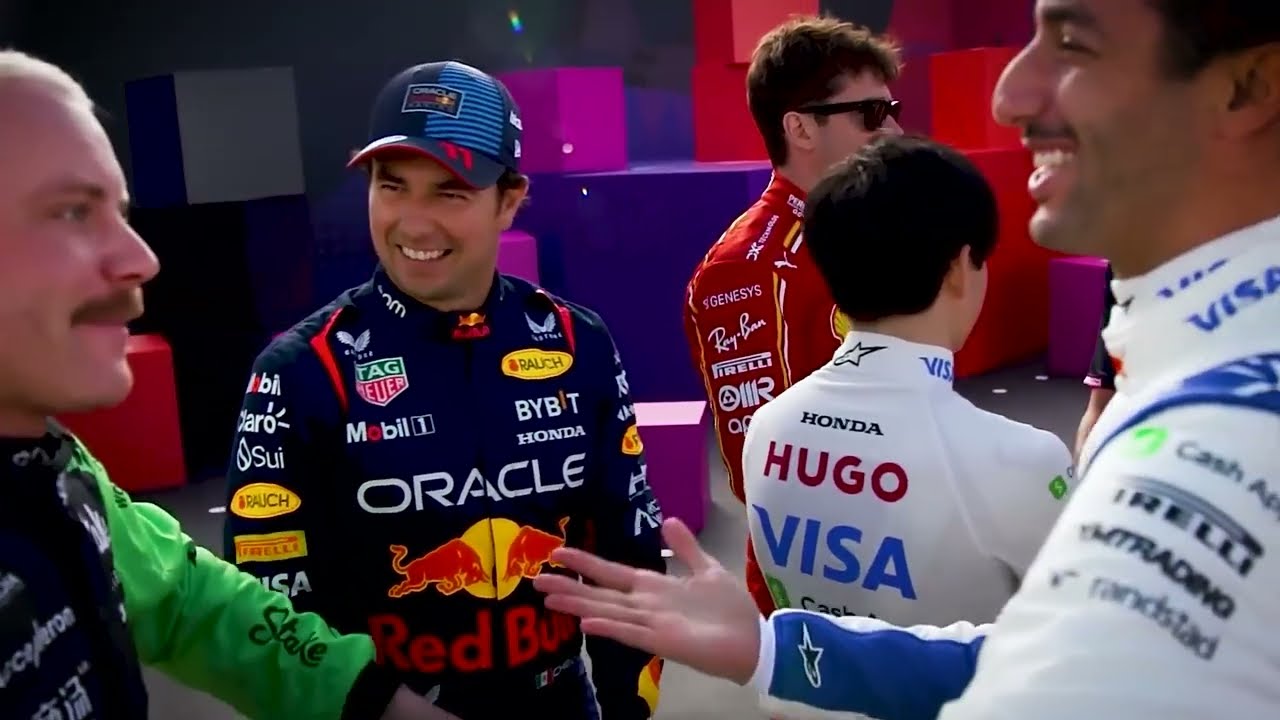
Before getting swept up in the hype of new liveries and driver announcements, it is crucial to remember where we are. Formula 1 has a cruel habit of humbling the world’s biggest car manufacturers. The history books are littered with the wreckage of corporate dreams. Toyota famously spent at least $2 billion over eight years and never won a single race. BMW arrived with force, only to bail out the moment the balance sheet turned red. Honda has left and returned so many times they practically have a revolving door at the FIA headquarters.
These giants all walked into the sport believing that writing a large enough check would guarantee a trophy. They were wrong. F1 drains money, momentum, and pride faster than any other sport on Earth. However, 2026 offers a glimmer of hope that 2014 did not. When the hybrid era began, Mercedes had a massive head start. This time, the rule book has been flipped completely. The removal of the complex MGU-H system means that established teams have to untangle years of legacy technology, while newcomers get to start with a clean sheet. This “reset” is the only reason why Audi and Cadillac believe they can survive where others have perished.
Audi: The German Masterplan
Audi’s entry is perhaps the most systematic of the three. By taking over the Sauber team, they are attempting a complete “reset” of an operation with 50 years of heritage. The plan is classic German engineering: a step-by-step roadmap from back-marker to challenger, and finally to champion by 2030.
Technically, Audi is in a strong position. Their power unit program in Neuburg is already well underway, and they possess legitimate electrification credibility from their years dominating Le Mans with advanced hybrid systems. Unlike Ferrari or Mercedes, who must adapt their existing knowledge to new rules, Audi gets to design directly for the 2026 regulations without any baggage. They have also locked in a blend of experience and youth with drivers Nico Hülkenberg and Gabriel Bortoleto, providing a stable foundation for development.
However, hardware is rarely the problem in F1; people are. Sauber has been plagued by a steady stream of departures in critical roles. Turnover is the enemy of progress, and trying to build a long-term culture while the ground beneath you is shifting is a dangerous game. Audi looks great on paper—organized, funded, and serious—but F1 is a place where efficiency often dies at the hands of politics.
Cadillac: The American Gamble
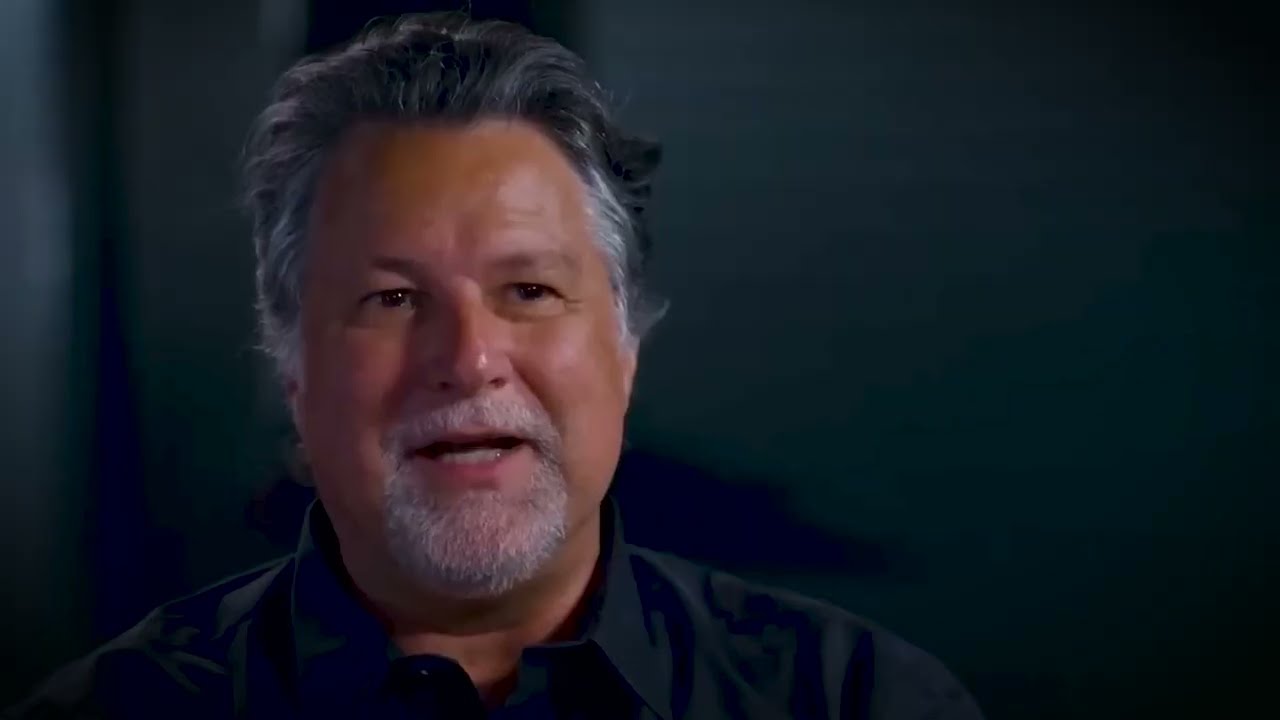
If Audi is the calculated sniper, Cadillac is the cowboy kicking down the saloon doors. General Motors’ entry into Formula 1 is defined by a bold, almost stubborn confidence. They paid a staggering $450 million in anti-dilution fees just to get a seat at the table—a price tag that proves they are not here to mess around.
Cadillac’s journey has been anything but smooth. After the political mess involving the Andretti partnership and the FIA’s cold shoulder, they pushed ahead anyway. Their goal is to prove that Detroit can build more than just trucks and V8s. GM brings massive EV expertise to the table, which is vital for the 2026 rules that lean heavily on electric power. Interestingly, while they develop their own engine for 2028, they are expected to partner with Ferrari for their initial power unit. It’s a pragmatic move: use Maranello’s tech to survive the early years while building a bespoke American engine in the background.
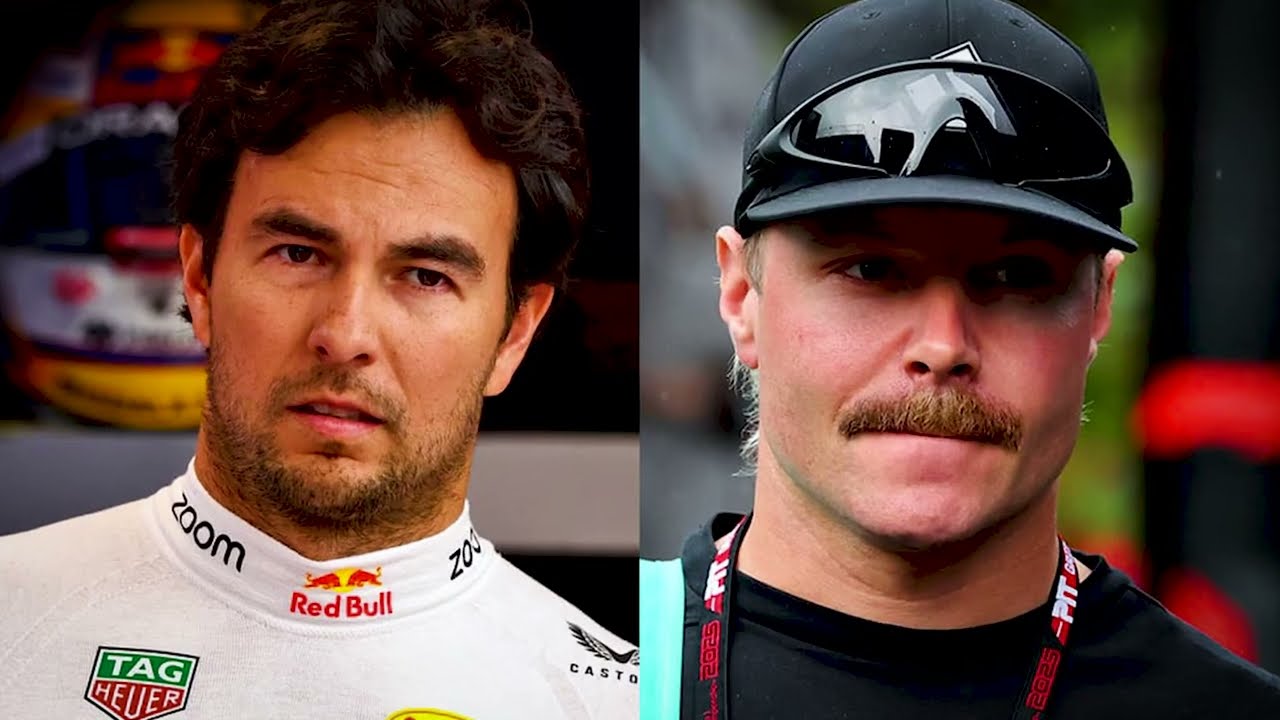
The driver strategy for Cadillac is equally aggressive. Reports suggest they have moved early to sign veterans Valtteri Bottas and Sergio Perez. This is a masterstroke if true; two proven race winners who know exactly what a good car feels like can provide invaluable feedback to a rookie team. Cadillac is betting that deep pockets, a “us against the world” mentality, and American optimism can overcome the steep learning curve.
Red Bull-Ford: The Defending Kings
Then there is Red Bull. They treat Formula 1 like their personal playground, and the partnership with Ford is simply their way of staying on top. The challenge for Red Bull isn’t money or aero—it’s the engine. After years of the “will-they-won’t-they” drama with Honda, Red Bull decided to build their own power unit division. It is a massive risk. Can a chassis manufacturer build a championship-winning engine on their first try?
Ford’s role is critical here. They bring the battery and EV knowledge needed to hit the new 350 kW electric output targets. However, early whispers in the paddock suggest that the Red Bull power unit might be trailing behind Mercedes and Ferrari in initial benchmarks. It’s not a crisis yet, but it puts immense pressure on a team that expects to win every Sunday.
Despite the engine anxiety, Red Bull starts with the ultimate ace in the hole: Max Verstappen. In a reset year, having the best driver and the best aerodynamic team (even post-Newey) is priceless. They are the target everyone else is aiming for.
The Verdict: Who Wins the War?
When you boil down the budgets, the egos, and the technical specs, a likely timeline emerges. Red Bull and Ford remain the safe bet for immediate success. They have the culture of winning and the operational sharpness that takes decades to build. Expect them to win races in 2026, though reliability issues with their new engine could cost them a title fight.
Audi is poised to be the “best of the rest” among the new blood. If they can stabilize their personnel issues, their factory backing and technical preparation should see them grabbing podiums by 2027. They have the blueprint; they just need to execute it.
Cadillac faces the steepest climb. Building a team from scratch is one of the hardest engineering challenges on Earth. However, their sheer financial power and aggressive recruitment suggest they won’t be at the back for long. Scoring points by 2028 would be a massive victory for the American marque.
In the end, the introduction of these three giants guarantees one thing: chaos. Someone will panic, someone will quit, and someone will accidentally build a rocket ship. For the fans, and for Netflix, the “New Blood War” of 2026 is going to be the greatest show on Earth.






