In the high-octane world of Formula 1, we often talk about aerodynamic gains, tire degradation, and the lightning-fast reflexes of drivers. But there is a silent, invisible race happening behind the garage doors—one that involves chemists in white coats rather than mechanics in fire suits. This is the development race for fuel, and as we head toward 2026, the price of staying at the front of the grid is about to explode in a way that would make even the wealthiest team owners blink.
Currently, Formula 1 fuel is a marvel of modern engineering. Unlike the gas you pump at your local station, F1 fuel is a bespoke, high-performance cocktail tailored specifically to the unique architecture of each team’s power unit. As of today, these fuels already contain a 10% sustainable ethanol component, harvested from wood crops and sugar beets. To ensure maximum power, this fuel is injected into the combustion chamber at a staggering 500 bar of pressure, with a compression ratio of 18:1—figures more reminiscent of a heavy-duty diesel engine than a high-revving race car.
At €25 per liter, this specialized liquid is already expensive. A typical race weekend sees a team burn through approximately 300 liters of fuel per car. Over a standard 24-race season, two cars will rack up a fuel bill of roughly €360,000. While that sounds like a fortune to the average person, it is a drop in the bucket for a Formula 1 budget. However, that is all about to change.
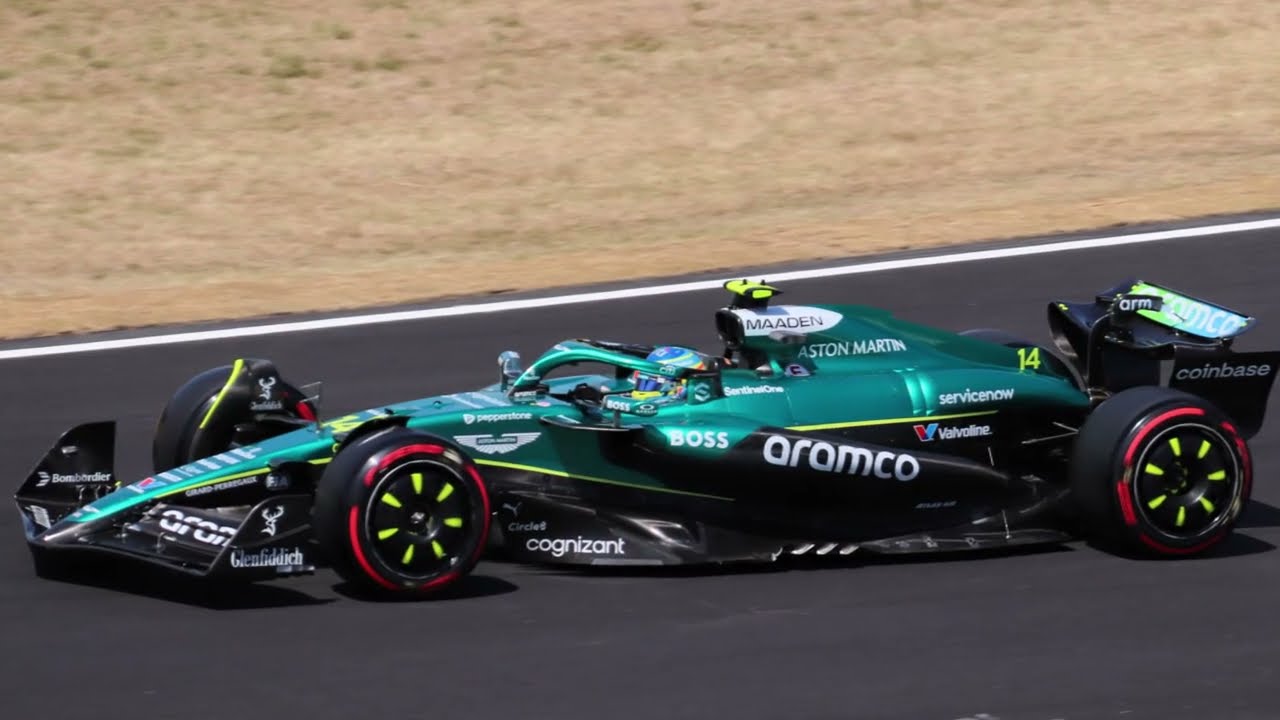
The 2026 Shock: A 1,000% Increase
Formula 1 has set an ambitious goal to reach Net Zero by 2030. Part of this initiative involves the introduction of 100% sustainable “E-Fuels” in 2026. While the race cars themselves only account for a tiny fraction of the sport’s total carbon footprint, they serve as the ultimate laboratory for technology that could one day power the world’s passenger vehicles.
But “going green” in the world’s fastest sport comes with a jaw-dropping price tag. Because these E-Fuels must be created either through fully synthetic processes—combining hydrogen and captured CO2—or via advanced sustainable bio-products, the research and development costs are astronomical. These high-tech components aren’t just sitting on a shelf; fuel companies like Shell, Petronas, and Aramco have to invent them from scratch.
The result? The cost of fuel for the 2026 season is projected to be ten times higher than it is today. To put that into perspective, filling a single 100kg fuel tank in 2026 will cost a team approximately €28,000. By the end of a full season, a two-car team will be looking at a fuel bill of roughly €3.5 million.
Engineering Trade-offs and the Supplier Shuffle
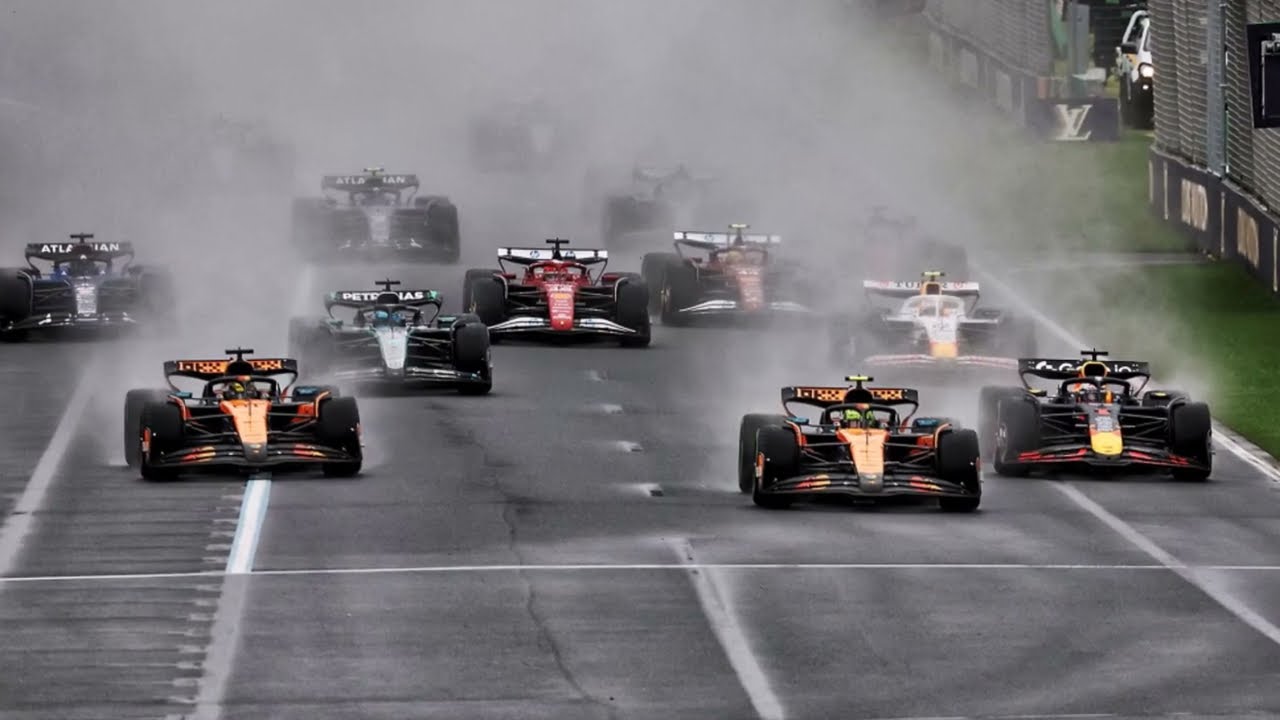
To prevent engines from literally blowing themselves apart with these new chemical compositions, the FIA has actually had to turn down the technical requirements for 2026. Fuel pressure will be capped at 350 bar instead of 500, and the compression ratio will be reduced to 16:1. Despite these concessions, the “fuel war” is intensifying as teams realign their partnerships to find a competitive edge.
The landscape of the grid is shifting. While Ferrari remains loyal to its decades-long partnership with Shell and Mercedes continues with Petronas, other teams are making strategic moves. Honda, moving to partner with Aston Martin in 2026, will switch from ExxonMobil to Aramco. Audi has made a massive statement by securing BP as their partner for their entry into the sport, while Red Bull continues its partnership with ExxonMobil—notably choosing to stick with them even though their future engine partner, Ford, has a global strategic tie-up with BP.
Why This Matters to You
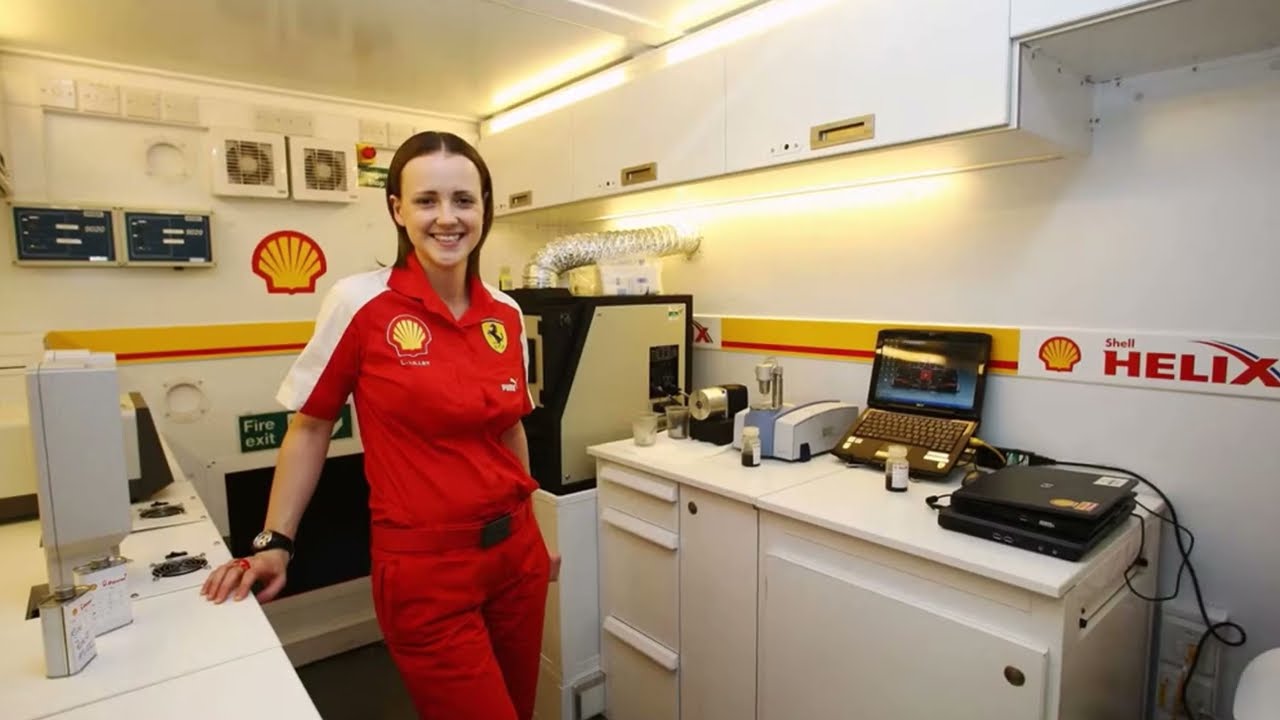
You might wonder why we should care about the fuel bills of billionaires and multinational corporations. The answer lies in the technology transfer. The extreme conditions of a Formula 1 engine—where fuel must ignite perfectly thousands of times per minute under intense pressure—act as a “stress test” for sustainable energy. If these engineers can create an E-Fuel that produces 1,000 horsepower and survives a Grand Prix, they are essentially creating the blueprint for carbon-neutral fuels that could keep existing internal combustion engines on the road for decades to come.
The hidden development race of 2026 isn’t just about who wins the trophy in Monaco; it’s about who owns the patents for the fuel of the future. It is a high-stakes, multi-million dollar gamble that is transforming the very DNA of the sport. Formula 1 is no longer just a race between drivers; it is a race between molecules.
News

Inside Shane Richie’s love life: Drug – fuelled orgy with six blondes; real reason he split from Coleen Nolan; six-year ‘affair with fan’
Inside Shane Richie’s love life: Orgy with six blondes; real reason he split from Coleen Nolan; six-year ‘affair with fan’ He’s popular with the ladies… Shane Richie…

SH0CKING REVELATI0N:A sh0cking behind-the-scenes secret revealed about Lizzie Rizzini, the woman replacing Carol Kirkwood on the 6pm weather bulletin
BBC viewers still reeling from the departure of Carol Kirkwood got another surprise last night when presenter Lizzie Rizzini appeared to flash her black lace stockings on…

HEARTBREAKING: Peter Andre’s Tearful Message to Son Junior After SHOCKING Revelation About How He Truly Feels Toward Mum Katie Price — Katie Price’s reaction scares fans.
Peter Andre’s emotional message to son Junior after it’s revealed how he really feels about mum Katie Pri… PETER Andre has shared an emotional message to his…

Ben Shephard opens up about the devastating health battle his wife is facing: “She wakes up crying every single morning…”
Inside This Morning Ben Shephard’s Life Including Rarely Seen Wife and Health Battle Ben Shephard is a name synonymous with British television, renowned for his engaging presentation…

🚨 LIVE TV HEARTBREAK: Good Morning Britain Host Announces ‘Devastating’ Dɘath of Guest Minutes Into Show
Viewers of Good Morning Britain were met with heartbreaking news just minutes into Friday’s (January 30) episode, as co-hosts Kate Garraway and Ranvir Singh reported the tragic…

Emmerdale legend Cain Dingle will never be the same again after a shock cancer diagnosis turns his world upside down
FROure Desk. Full Terms and conditions are available on the website http://www.itv.com/presscentre/itvpictures/terms Emmerdale wouldn’t be Emmerdale without the glowering, grunting embodiment of manliness that is Cain Dingle (Jeff Hordley) But…
End of content
No more pages to load






