Imagine, for a moment, that you are strapped into the cockpit of a Formula 1 car. You are hurtling toward a corner at 200 miles per hour, and as you hit the brakes, the rear of the car doesn’t plant itself firmly into the asphalt. Instead, it feels light, nervous, and ready to snap. As you turn the wheel, the front end bites with terrifying sharpness, sending the back sliding out before you’ve even reached the apex. For the vast majority of racing drivers, this sensation is the stuff of nightmares. It is unpredictable, exhausting, and fundamentally contrary to how they are taught to drive.
But for Max Verstappen, that terrifying instability isn’t a problem. It feels like home.
As the Formula 1 world gears up for the massive regulation overhaul in 2026, there is a prevailing narrative that the playing field will be leveled. Fans and rivals alike are hoping that the new era of engines and aerodynamics will finally reset the order, perhaps ending the crushing dominance we’ve seen in recent years. However, an uncomfortable truth is beginning to emerge from the technical shadows: the 2026 regulations are inadvertently designing a generation of cars that play perfectly into the hands of the reigning champion.
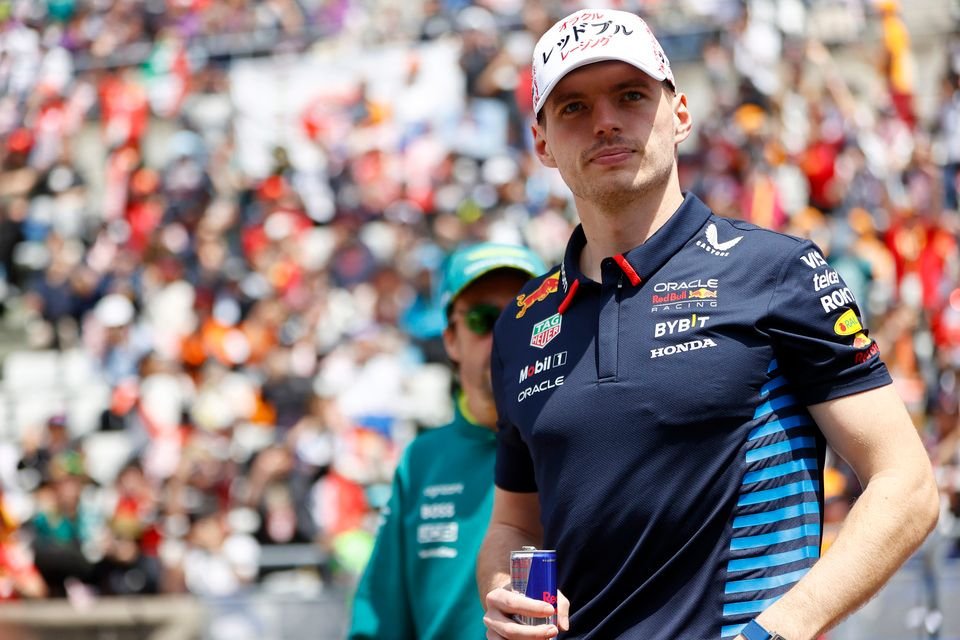
The Chaos of 2026: A Technical Breakdown
To understand why Verstappen is poised to dominate the new era, we first have to understand what is changing. The 2026 regulations are not just a facelift; they are a fundamental alteration of how F1 cars generate and deploy performance. The cars will be smaller, with reduced drag and less reliance on traditional downforce. But the biggest change lies in the power unit.
The new engines will feature a near 50/50 split between the internal combustion engine and electrical power. On paper, this sounds like a stride toward sustainability and efficiency. On the track, however, it translates to chaos. Electrical power delivery is non-linear. Unlike the smooth, progressive build of a combustion engine, electrical torque can arrive abruptly. Furthermore, the massive reliance on energy harvesting means that braking performance will fluctuate lap by lap, corner by corner, depending on the state of the battery.
This creates a vehicle dynamic that is inherently inconsistent. Drivers will face torque spikes that destabilize the car on corner exit and variable braking forces that make the car squirm on entry. In simple terms: the 2026 cars will be nervous, twitchy, and difficult to trust.
The “Standard” Driver vs. The Anomaly
This is where the problem arises for the rest of the grid. Modern racing drivers are, by and large, trained to seek stability. From the junior categories up to F1, the goal is usually to engineer a car that has a “neutral balance”—a planted rear axle that gives the driver the confidence to push without fear of spinning. When a car becomes unpredictable, most drivers lose time. They hesitate. They leave a margin of safety because they cannot trust what the machine will do next.
Max Verstappen is built differently. Throughout his career, from his aggressive karting days to his meteoric rise in F1, he has shown a distinct preference for a car that is “on the nose.” He wants a front end that turns instantly, even if it means the rear end is loose and sliding. This specific trait is why so many of his teammates—Pierre Gasly, Alexander Albon, and Sergio Perez—have looked bewildered in the same machinery. They weren’t bad drivers; they were simply trying to drive a car setup that only Max could handle. They needed stability to be fast; Max needed instability to be faster.
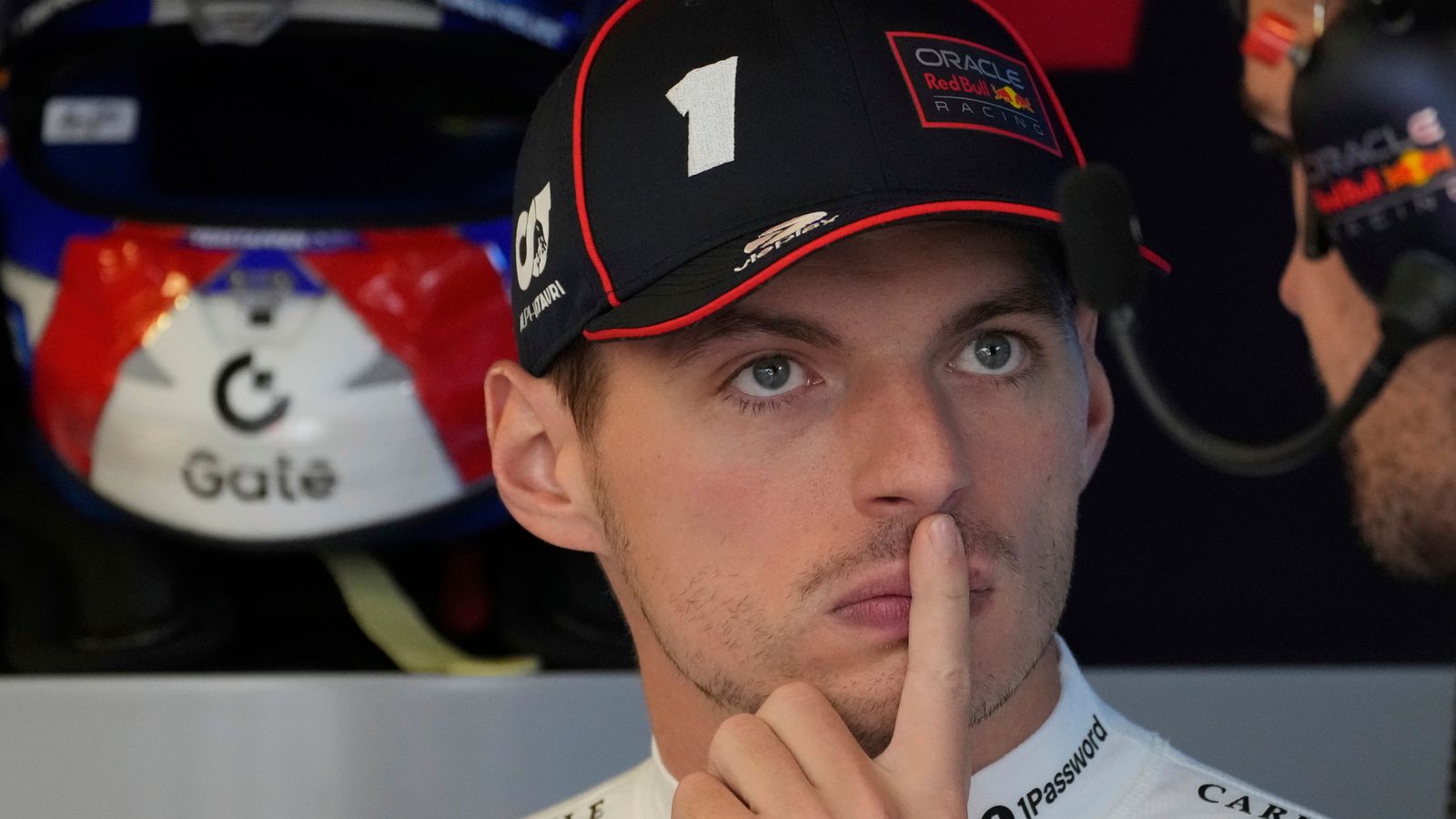
Why Instability Feeds Max’s Speed
The “unstable” characteristics predicted for 2026 mirror the exact handling traits Verstappen has spent years perfecting. While others react to a slide after it happens, Max anticipates it. His car control is not just about catching a snap; it’s about using that rotation to point the car where he wants it to go.
Consider the issue of torque delivery. The 2026 cars will require surgical throttle application to manage the sudden spikes in electric power without spinning the wheels. Verstappen is already widely regarded as having the most precise right foot on the grid. He doesn’t just stomp on the gas; he layers the power in with millisecond-perfect micro-adjustments, sensing the grip limit before the tires even give up. When the car tries to break loose, he doesn’t panic—he uses the slip angle to rotate the car and fire it out of the corner.
Then there is the braking. With energy harvesting changing the feel of the brake pedal throughout the race, drivers who rely on static braking markers and muscle memory will be constantly second-guessing themselves. Max, however, is one of the grid’s most aggressive “trail brakers.” He carries the brakes deep into the corner, deliberately unsettling the rear to help the car turn. A braking system that changes feel won’t faze a driver who already modulates his inputs based on pure instinct rather than rigid repetition.
The Psychological Warfare of the Reset
Beyond the physics, there is the mental aspect. Unstable cars punish mental weakness. When a driver doesn’t trust their car, doubt creeps in. Doubt leads to hesitation, and in Formula 1, hesitation is the death of speed.
Younger drivers who have grown up on the current generation of “ground effect” cars—which, while stiff, are generally planted—will face a steep learning curve. Veterans who have built careers on smooth consistency may find their driving styles obsolete. Engineers will be scrambling to dial out the instability, chasing a feeling of safety that the regulations simply won’t allow.
Verstappen won’t be chasing safety. He will be exploiting the danger.
Insiders are already whispering that 2026 could see a grid reset, but not in the way fans hope. Instead of bunching the field up, it could stretch it out based on adaptability. When the car becomes a difficult, living animal that fights you every step of the way, the advantage shifts from the machinery to the pilot.
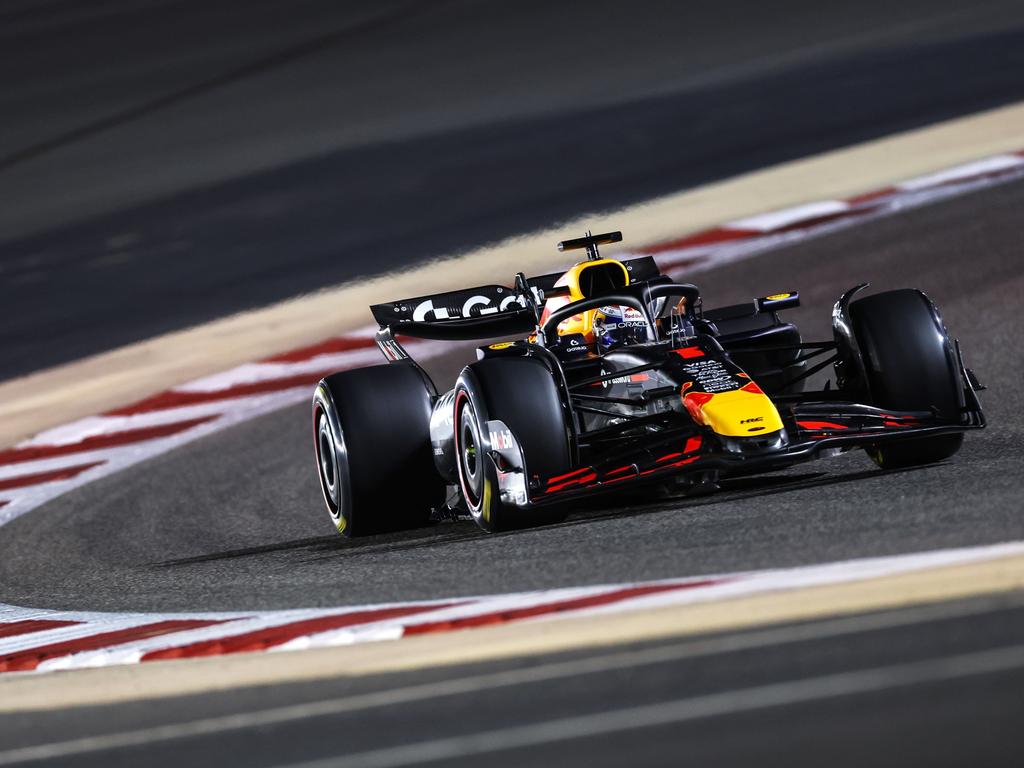
The Irony of the Future
It is a supreme irony that the regulations designed to shake up the sport might end up cementing the status quo. History tells us that regulation changes create chaos, and chaos always favors the most adaptable talent.
Max Verstappen’s emotional control and race IQ have only sharpened since his first title. He is no longer the reckless rookie; he is a refined weapon who knows exactly how to extract the maximum from a compromised package. If the 2026 cars are indeed as difficult to drive as predicted, they won’t meet a driver who is afraid of them. They will meet a driver who has been waiting for them his entire life.
So, while the rest of the paddock looks toward 2026 with a mix of excitement and trepidation, asking how they will tame these new beasts, Max Verstappen is likely sleeping soundly. The nightmare scenario for everyone else is just another Sunday drive for him. The “Great Reset” is coming, but for Max, it might just be the start of a whole new level of dominance.
News

Inside Shane Richie’s love life: Drug – fuelled orgy with six blondes; real reason he split from Coleen Nolan; six-year ‘affair with fan’
Inside Shane Richie’s love life: Orgy with six blondes; real reason he split from Coleen Nolan; six-year ‘affair with fan’ He’s popular with the ladies… Shane Richie…

SH0CKING REVELATI0N:A sh0cking behind-the-scenes secret revealed about Lizzie Rizzini, the woman replacing Carol Kirkwood on the 6pm weather bulletin
BBC viewers still reeling from the departure of Carol Kirkwood got another surprise last night when presenter Lizzie Rizzini appeared to flash her black lace stockings on…

HEARTBREAKING: Peter Andre’s Tearful Message to Son Junior After SHOCKING Revelation About How He Truly Feels Toward Mum Katie Price — Katie Price’s reaction scares fans.
Peter Andre’s emotional message to son Junior after it’s revealed how he really feels about mum Katie Pri… PETER Andre has shared an emotional message to his…

Ben Shephard opens up about the devastating health battle his wife is facing: “She wakes up crying every single morning…”
Inside This Morning Ben Shephard’s Life Including Rarely Seen Wife and Health Battle Ben Shephard is a name synonymous with British television, renowned for his engaging presentation…

🚨 LIVE TV HEARTBREAK: Good Morning Britain Host Announces ‘Devastating’ Dɘath of Guest Minutes Into Show
Viewers of Good Morning Britain were met with heartbreaking news just minutes into Friday’s (January 30) episode, as co-hosts Kate Garraway and Ranvir Singh reported the tragic…

Emmerdale legend Cain Dingle will never be the same again after a shock cancer diagnosis turns his world upside down
FROure Desk. Full Terms and conditions are available on the website http://www.itv.com/presscentre/itvpictures/terms Emmerdale wouldn’t be Emmerdale without the glowering, grunting embodiment of manliness that is Cain Dingle (Jeff Hordley) But…
End of content
No more pages to load






