The countdown to 2026 has begun, and with it comes the promise of the most radical transformation in modern Formula 1 history. For the past few years, we have grown accustomed to a specific hierarchy on the grid, dominated by the aerodynamic brilliance of Red Bull and the ruthless, aggressive precision of Max Verstappen. But as the sport prepares to pivot toward a 50/50 split between electric and internal combustion power, combined with active aerodynamics, the rulebook isn’t just being rewritten—it is being torn up.
The implications for the drivers are profound. The era of stiff, “boat-like” ground-effect cars that smashed drivers with 9G vertical loads over bumps is coming to a close. In its place, a new breed of agile, “nervous,” and technically demanding machines is emerging. These changes promise to reset the playing field, potentially punishing the very driving styles that dominate today while rewarding a skillset that has been undervalued in the current regulations. The question on everyone’s lips is no longer just about which team will build the best car, but which driver possesses the mental bandwidth to tame it.
The Death of “Point and Shoot”
To understand the magnitude of the shift, we must first look at what made a driver successful between 2022 and 2025. This era was defined by stiff suspensions and an obsession with ride height. To extract pace, drivers like Verstappen had to grapple with cars that were incredibly fast in high-speed corners—often taken flat-out—but sluggish and heavy in slow-speed sections. The quickest way around a track was often a “V-style” approach: brake deep, aggressively rotate the car on its nose (a trait Verstappen loves), and smash the throttle on exit to utilize the sheer power of the underfloor downforce.
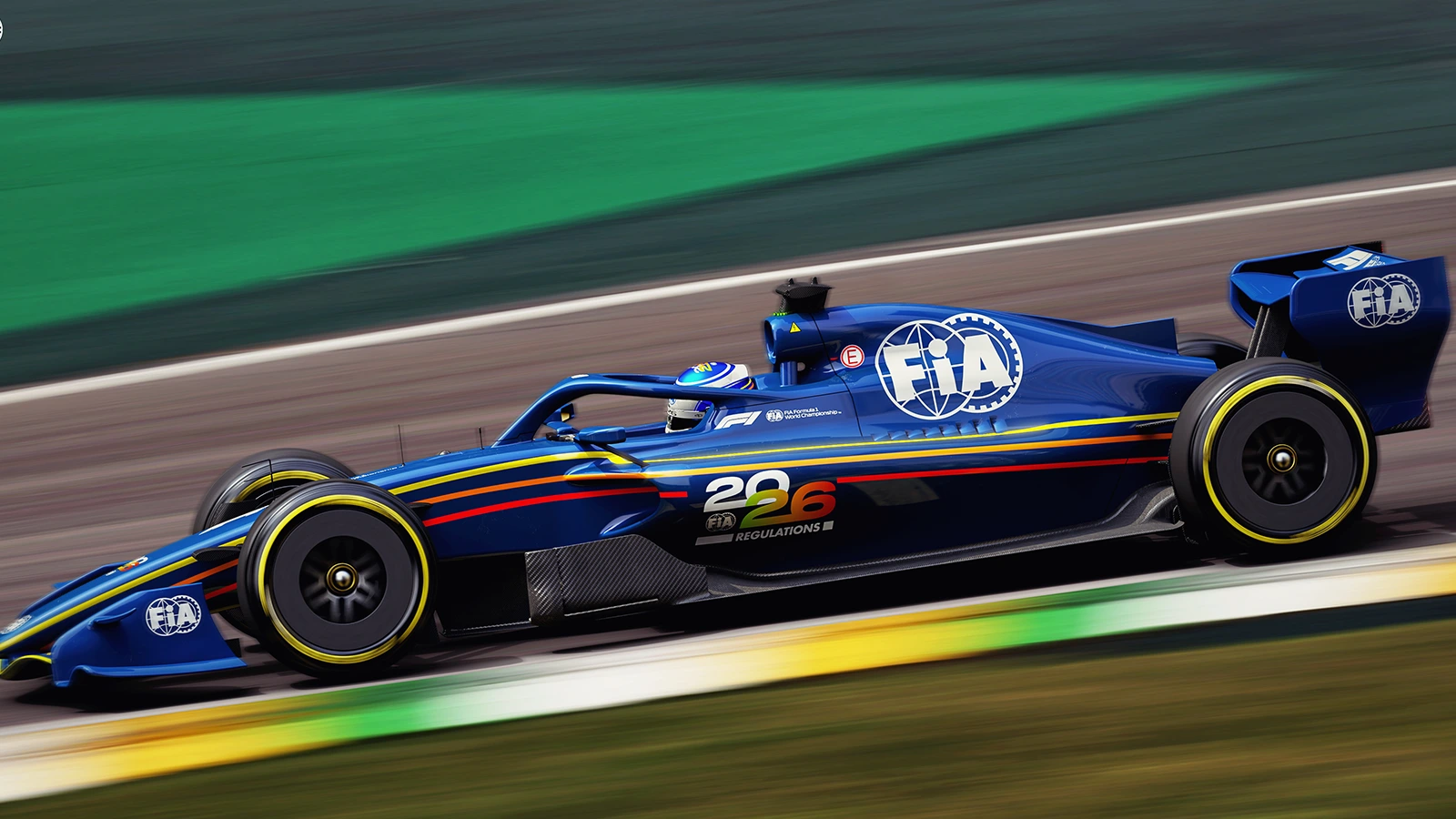
The 2026 regulations are set to dismantle this philosophy. The new cars will be lighter (eventually aiming to shed 30kg), smaller, and feature 30% less overall downforce. This reduction in aerodynamic grip means the cars will feel significantly less “planted.” The sensation of being glued to the track in high-speed corners will be replaced by a more “slidy” experience, with less mechanical grip to lean on.
Crucially, the days of relying purely on downforce to mask driving imperfections are over. The 2026 machines will require a return to “momentum driving.” Instead of the aggressive “stop-start” nature of the current cars, drivers will need to brake earlier, carry more minimum speed through the apex, and manage the car’s instability with delicate inputs rather than brute force. It is a shift from aggression to precision, from raw power to “smoothness.”
The Rise of the “Brain Game”
Perhaps the most daunting change for the grid is the introduction of complex energy management as a primary driving skill. With the power unit split evenly between the engine and the battery, the driver’s role becomes as much about resource management as it is about speed.
This isn’t the “lift and coast” we know today, which is used primarily to save fuel or preserve the plank. In 2026, lifting and coasting will be a tactical weapon used to harvest energy for the next attack. Drivers will need to constantly adjust their braking markers to regenerate battery power, sometimes even downshifting on straights to prepare for the next lap.
This adds a massive mental load to the cockpit. Drivers will need to manage active aerodynamic systems—movable front and rear wings—while simultaneously decoding energy maps and deciding when to deploy their battery for a “push to pass” moment. It demands a level of “brain power” that favors the veterans and the thinkers over the rookies who rely on pure instinct. The 2026 champion won’t just be the fastest driver; they will be the smartest manager of a finite resource at 200 mph.

The Surprise Contenders: Russell and Albon
So, who fits this new profile? If we move away from the aggressive, nose-heavy style of the current era, two names emerge as potential superstars of the 2026 regulations: George Russell and Alex Albon.
George Russell has long been compared to Jenson Button, a driver famous for his silky-smooth inputs and ability to carry speed without upsetting the car. Russell’s driving style is precise, calculated, and lacks the erratic aggression that can overheat tires or drain energy inefficiently. He prefers a balanced car rather than one that is constantly on a knife-edge of oversteer. In an era where maintaining momentum with lower downforce is key, Russell’s natural inclination toward smoothness could make him the benchmark. He is also known for his “technical brain,” frequently discussing energy deployment and setup nuances over the radio, a trait that will be invaluable when managing the complex 2026 systems.
Similarly, Alex Albon is being tipped as a dark horse for this new generation. His performance in the 2023 Williams offers a fascinating preview of 2026. The Williams was a car that lacked downforce and was difficult in corners, yet Albon dragged it into the points repeatedly. How? By mastering the exact style required for the future: braking early, settling the car, and carrying huge momentum onto the straights to maximize top speed. Albon has already proven he can extract performance from a “slippery” car with low grip, making his transition to the 2026 regulations potentially seamless compared to his rivals.
The Veteran Advantage: Alonso and Hamilton
While the younger generation adapts, the “old guard” of Fernando Alonso and Lewis Hamilton may find themselves with a renewed competitive edge. The 2026 regulations, with their emphasis on adaptability and mental capacity, play directly into the hands of the most experienced drivers on the grid.
Fernando Alonso, at 44, remains the king of adaptability. He is the driver who watches TV screens while racing to strategize against opponents. His ability to drive around a car’s problems—whether it has understeer or oversteer—is legendary. In a season where cars will likely start “overweight” and chemically unbalanced, Alonso’s talent for finding pace where none should exist will be a lethal weapon. Furthermore, his “gamer” mentality toward exploiting rule loopholes suggests he will be the first to find a trick with the regen systems that others miss.
Lewis Hamilton, meanwhile, could see a resurgence in his one-lap pace. The current ground-effect cars have never truly suited his style, which relies heavily on late, hard braking and a feeling of connection with the car’s rear. While 2026 requires earlier braking, Hamilton’s mastery of the brake pedal is second to none. This feel for the brakes will allow him to maximize energy regeneration (which happens under braking) more efficiently than anyone else. If he can adapt to the “momentum” style, his ability to manipulate the car on entry could see him return to the very top, free from the “boat-like” handling that has frustrated him since 2022.
The Max Factor: Can the King Adapt?
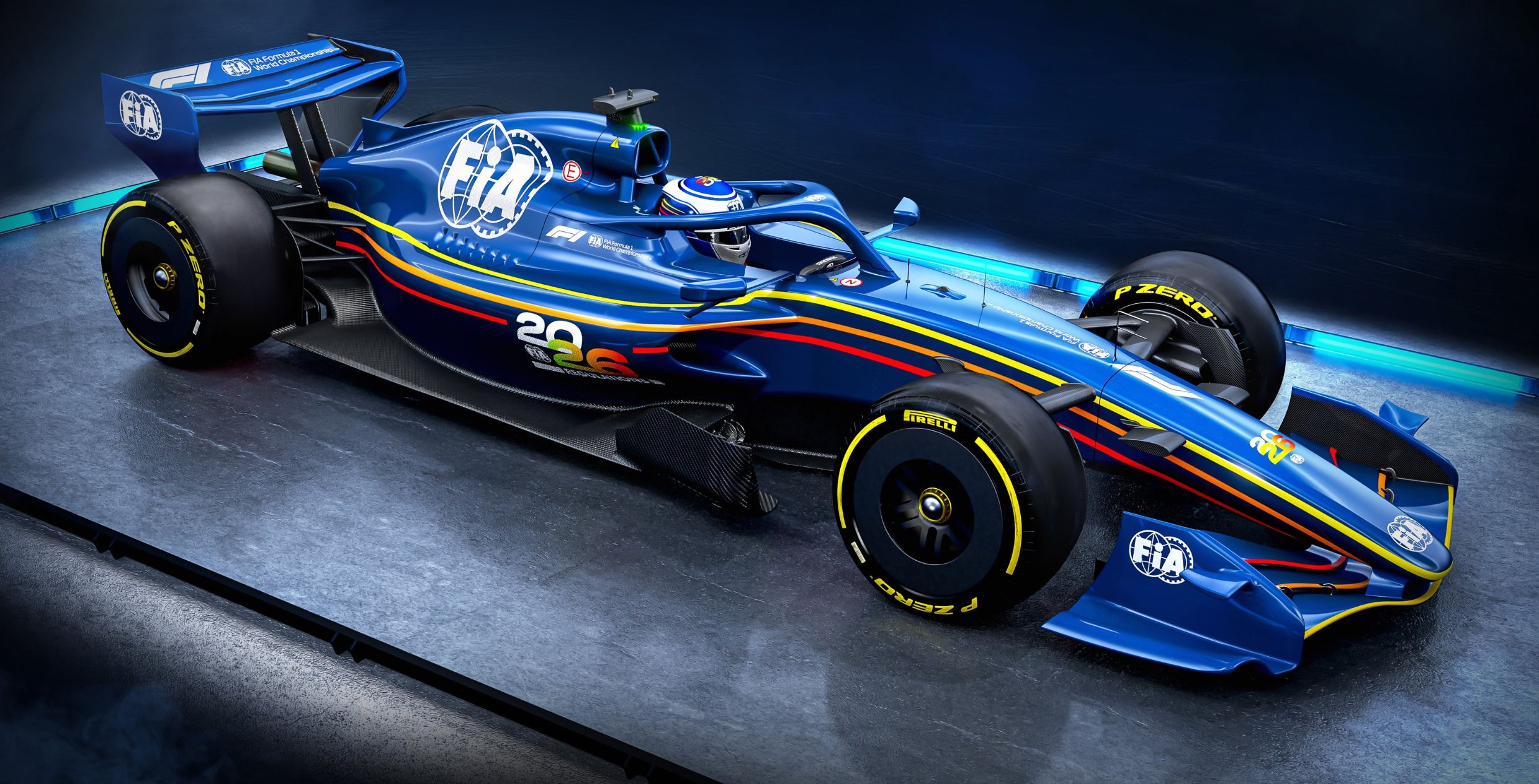
And then there is Max Verstappen. It seems foolish to bet against a talent as generational as the Dutchman, but the reality is that the 2026 cars move away from his natural preferences. Verstappen thrives in a car with a “pointy” front end—a car that turns sharply and requires him to manage a loose rear. The 2026 cars, with their active aero and neutral balance, may not offer that same sharp turn-in response.
However, Verstappen’s adaptability is often underestimated. This is a driver who can jump into a GT3 car and win immediately. While the natural advantage of his driving style might be blunted by the regulations, his raw car control is unparalleled. He may not have the car he “likes” in 2026, but he will almost certainly force it to do what he wants. The danger for Max is if the mental workload of the energy systems frustrates his desire to simply drive “balls to the wall.” He will need to embrace the “lift and coast” life, a discipline that contradicts his racer’s instinct.
Conclusion: A Level Playing Field?
Ultimately, 2026 promises to be the great equalizer. The advantage will shift from those with the bravest right foot to those with the sharpest strategic mind. It will be a battle of adaptability, where the smooth precision of a Russell or Albon could topple the aggressive dominance of the current hierarchy.
The first few races of 2026 will likely be chaotic, with drivers struggling to keep these agile, low-grip machines on the island while fiddling with steering wheel knobs every few seconds. In that chaos, the “thinkers” will thrive. Formula 1 is about to change forever, and for the first time in years, the question of “who is the best driver” might have a completely different answer. The stopwatch never lies, but come 2026, it might just favor the smartest driver over the fastest one.
News

Inside Shane Richie’s love life: Drug – fuelled orgy with six blondes; real reason he split from Coleen Nolan; six-year ‘affair with fan’
Inside Shane Richie’s love life: Orgy with six blondes; real reason he split from Coleen Nolan; six-year ‘affair with fan’ He’s popular with the ladies… Shane Richie…

SH0CKING REVELATI0N:A sh0cking behind-the-scenes secret revealed about Lizzie Rizzini, the woman replacing Carol Kirkwood on the 6pm weather bulletin
BBC viewers still reeling from the departure of Carol Kirkwood got another surprise last night when presenter Lizzie Rizzini appeared to flash her black lace stockings on…

HEARTBREAKING: Peter Andre’s Tearful Message to Son Junior After SHOCKING Revelation About How He Truly Feels Toward Mum Katie Price — Katie Price’s reaction scares fans.
Peter Andre’s emotional message to son Junior after it’s revealed how he really feels about mum Katie Pri… PETER Andre has shared an emotional message to his…

Ben Shephard opens up about the devastating health battle his wife is facing: “She wakes up crying every single morning…”
Inside This Morning Ben Shephard’s Life Including Rarely Seen Wife and Health Battle Ben Shephard is a name synonymous with British television, renowned for his engaging presentation…

🚨 LIVE TV HEARTBREAK: Good Morning Britain Host Announces ‘Devastating’ Dɘath of Guest Minutes Into Show
Viewers of Good Morning Britain were met with heartbreaking news just minutes into Friday’s (January 30) episode, as co-hosts Kate Garraway and Ranvir Singh reported the tragic…

Emmerdale legend Cain Dingle will never be the same again after a shock cancer diagnosis turns his world upside down
FROure Desk. Full Terms and conditions are available on the website http://www.itv.com/presscentre/itvpictures/terms Emmerdale wouldn’t be Emmerdale without the glowering, grunting embodiment of manliness that is Cain Dingle (Jeff Hordley) But…
End of content
No more pages to load






