The world of Formula 1 is bracing for its most seismic shift in a decade. As the dust settles on a historic 2025 season that saw Lando Norris crowned World Champion, the sport is gearing up for 2026—a year defined by massive technical regulation changes, new engine manufacturers, and, most excitedly, the expansion of the grid to 11 teams and 22 drivers. It is a fresh start for everyone, from the giants of Maranello to the ambitious newcomers from Detroit. The paddock is buzzing with anticipation, uncertainty, and the promise of a spectacle unlike anything we have seen before.
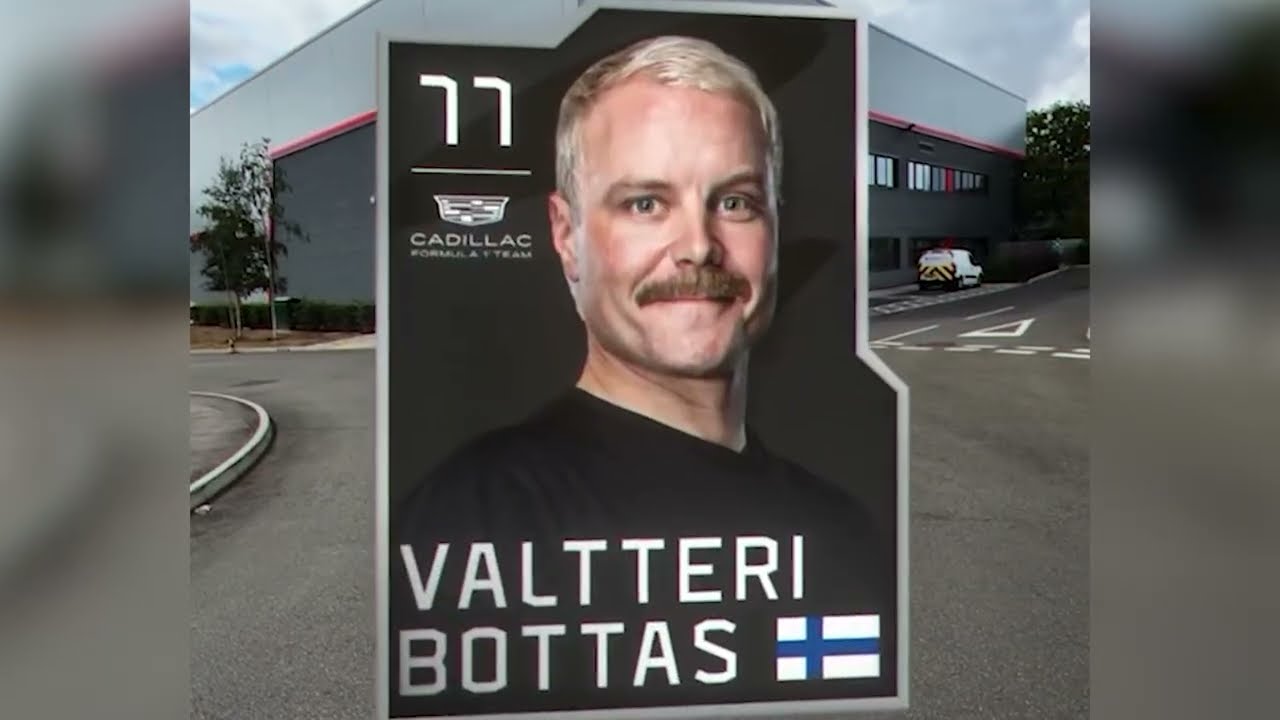
The American Dream: Cadillac Joins the Fray
Perhaps the biggest headline going into 2026 is the arrival of the Cadillac Formula 1 Team. After a drawn-out saga involving the FIA’s expression of interest process, the American giant was finally confirmed late in 2024. Branding themselves as the “United States of America’s team,” they are entering the sport with serious intent. While they will initially run Ferrari engines before switching to their own General Motors power units, their driver lineup is a statement of stability mixed with experience.
Valtteri Bottas returns to the grid after a stint as a Mercedes development driver, paired with Sergio “Checo” Perez, who finds a lifeline after being dropped by Red Bull. Both drivers are fighting for their careers, knowing that American sensation Colton Herta is being groomed for a seat in 2027. For Perez, this is a chance to rebuild his reputation after a rollercoaster end to his Red Bull tenure, while Bottas brings the technical know-how from his years at Mercedes.
The Champions and The Challengers: McLaren vs. Red Bull
At the sharp end of the grid, McLaren enters the new era as the team to beat. Lando Norris, fresh off his first Driver’s Championship title, has cemented his status as the team’s “main man.” However, the dynamic within the team is fascinating. Oscar Piastri, who finished third in the standings, will be looking to dethrone his teammate. The internal battle at Woking will be intense, especially with the uncertainties of the new car regulations.
Red Bull Racing, meanwhile, is a team in transition. Gone are the stalwarts Christian Horner, Adrian Newey, and Helmut Marko. The team is stepping into a bold new future with Ford as an engine partner. Max Verstappen, who narrowly lost the 2025 title by just two points after a miraculous recovery drive, remains the benchmark. But the biggest shock comes in the second seat: young Frenchman Isack Hadjar has been promoted to what is often called the most high-pressure seat in F1. Hadjar impressed in the junior team, but partnering Verstappen is a task that has broken many careers. He will need to hit the ground running to avoid the “meat grinder” that consumed his predecessors.
Ferrari’s High-Stakes Gamble
Over at Maranello, the pressure is reaching a boiling point. The dream pairing of Charles Leclerc and Lewis Hamilton didn’t quite deliver the fairytale start in 2025. Hamilton, the sport’s most successful driver, endured a difficult debut season in red, setting an unwanted record for the most race starts before a first podium for the Scuderia.
However, 2026 offers a clean slate. Hamilton has had significant input into the new car’s design and will be desperate to chase that elusive eighth world title. But patience is wearing thin for Leclerc. The Monégasque star has hinted that if Ferrari cannot deliver a championship-contending car this year, he may look elsewhere. With two alpha drivers and a team desperate to return to the top, the internal politics at Ferrari will be a key storyline to watch.
The Midfield Shake-Up: Audi, Alpine, and Williams
The midfield is unrecognizable. Audi officially takes over the Sauber entry, bringing German engineering might to the grid. They have paired the reliable Nico Hülkenberg with exciting Brazilian rookie Gabriel Bortoleto. Bortoleto, a winner of both F3 and F2 in his debut seasons, is one of the most hyped rookies in years.
Alpine undergoes a major philosophy shift, ditching the Renault engine program to become a Mercedes customer team. Pierre Gasly is joined by Franco Colapinto, the Argentine driver who brings massive financial backing and a point to prove after a tough run of form in 2025.
Williams, arguably the feel-good story of 2025, looks to build on their resurgence. Under James Vowles, the team finished fifth in the constructors’ championship. Their lineup of Alex Albon and Carlos Sainz is one of the strongest on the grid. Sainz, in particular, shone last season with two podiums, proving his worth after being let go by Ferrari.
The Youth Movement
2026 also sees a wave of young talent eager to make their mark. At Mercedes, the “Italian Senna” Andrea Kimi Antonelli enters his second season alongside George Russell, looking to live up to the immense hype surrounding his junior career. Meanwhile, the newly branded Racing Bulls (Red Bull’s second team) will field Liam Lawson alongside 18-year-old sensation Arvid Lindblad, a driver identified early by Red Bull as a “generational talent.” At Haas, Oliver Bearman partners Esteban Ocon, with the young Briton looking to continue his impressive form that saw him outscore his teammate in 2025.
Conclusion: A Season into the Unknown
The 2026 season represents a complete reset for Formula 1. With the new engine regulations leveling the playing field, no one truly knows who will come out on top. Could Aston Martin, with Adrian Newey at the helm and Honda power, finally give Fernando Alonso the championship-contending car he deserves? Will Cadillac shock the world on their debut? Or will the established giants of McLaren and Red Bull continue their duel?
One thing is certain: with 22 drivers fighting for their futures and 11 teams pushing the limits of technology, 2026 is shaping up to be the most unpredictable and thrilling season in Formula 1 history. Buckle up.
News

Inside Shane Richie’s love life: Drug – fuelled orgy with six blondes; real reason he split from Coleen Nolan; six-year ‘affair with fan’
Inside Shane Richie’s love life: Orgy with six blondes; real reason he split from Coleen Nolan; six-year ‘affair with fan’ He’s popular with the ladies… Shane Richie…

SH0CKING REVELATI0N:A sh0cking behind-the-scenes secret revealed about Lizzie Rizzini, the woman replacing Carol Kirkwood on the 6pm weather bulletin
BBC viewers still reeling from the departure of Carol Kirkwood got another surprise last night when presenter Lizzie Rizzini appeared to flash her black lace stockings on…

HEARTBREAKING: Peter Andre’s Tearful Message to Son Junior After SHOCKING Revelation About How He Truly Feels Toward Mum Katie Price — Katie Price’s reaction scares fans.
Peter Andre’s emotional message to son Junior after it’s revealed how he really feels about mum Katie Pri… PETER Andre has shared an emotional message to his…

Ben Shephard opens up about the devastating health battle his wife is facing: “She wakes up crying every single morning…”
Inside This Morning Ben Shephard’s Life Including Rarely Seen Wife and Health Battle Ben Shephard is a name synonymous with British television, renowned for his engaging presentation…

🚨 LIVE TV HEARTBREAK: Good Morning Britain Host Announces ‘Devastating’ Dɘath of Guest Minutes Into Show
Viewers of Good Morning Britain were met with heartbreaking news just minutes into Friday’s (January 30) episode, as co-hosts Kate Garraway and Ranvir Singh reported the tragic…

Emmerdale legend Cain Dingle will never be the same again after a shock cancer diagnosis turns his world upside down
FROure Desk. Full Terms and conditions are available on the website http://www.itv.com/presscentre/itvpictures/terms Emmerdale wouldn’t be Emmerdale without the glowering, grunting embodiment of manliness that is Cain Dingle (Jeff Hordley) But…
End of content
No more pages to load






