The Formula 1 landscape is bracing for a seismic shift. While fans and pundits often debate aerodynamic tweaks or tire compounds, the looming 2026 regulations represent something far more radical. We are barreling toward a “reset” that won’t just change the cars—it threatens to expose the drivers in ways we haven’t seen in the modern era. At the heart of this revolution is a staggering technical change: a 50/50 power split between the internal combustion engine and electric power. It sounds fair on paper, but on the tarmac, it promises to be absolutely brutal.
For the first time in decades, a driver’s lap time won’t be primarily built by downforce or raw horsepower. Instead, it will be defined by how well they can survive a high-speed balancing act without their machine turning into what some are fearfully calling a “rechargeable shopping trolley” on corner exit. And in this looming chaos, one name stands out: Max Verstappen. Paradoxically, this era of uncertainty might be exactly where the Dutchman cements his legacy—not through speed, but through his terrifying ability to weaponize discomfort.
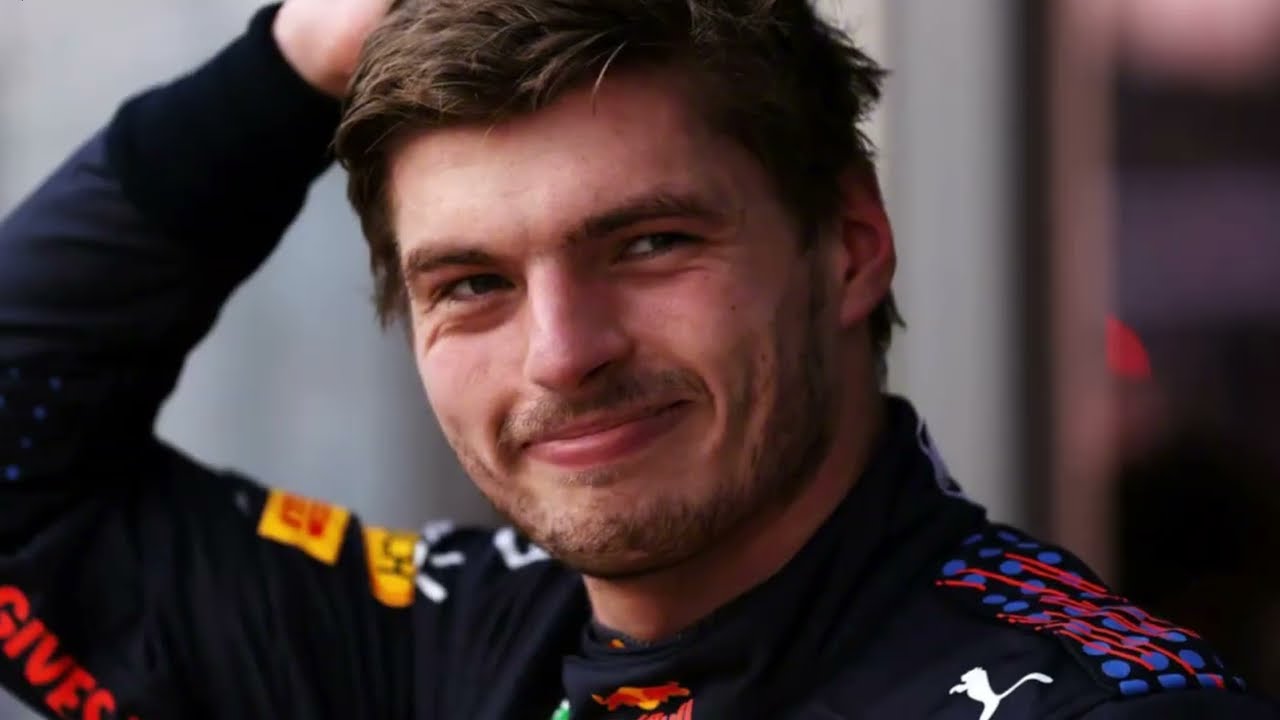
The 50/50 Shock: A New Kind of Beast
To understand the gravity of 2026, you have to look at the numbers. Under the upcoming technical regulations, the MGU-K (Motor Generator Unit-Kinetic) will deliver an eye-watering 350kW of electrical power. To put that in perspective, that is nearly triple the current era’s 120kW output.
This isn’t a “boost button” or a side feature anymore. The electric motor effectively becomes a second engine. This fundamental shift transforms the car from a pure racing machine into a complex energy management system. The 50/50 split implies balance, but the reality is a jagged edge. The car will ask the driver a brutal, relentless question every single lap: Do you want speed now, or speed later?
It’s a trap. If a driver gets greedy and deploys too much power early in the lap to defend a position or close a gap, they risk draining their “deployment” banks. The result? They become a “sitting duck” on the straights, powerless to stop rivals from breezing past. Conversely, if they save too much energy, they lose track position and may never get it back.
The Driver’s Dilemma: Adaptation is King
This creates a new psychological battlefield. In 2026, the grid won’t just be separated by who has the highest peak horsepower, but by who can manage this chaotic energy flow without losing their rhythm. The FIA and F1 are introducing terms like “boost mode,” “overtake mode,” “active aero,” and “recharge” into the everyday lexicon of the sport. These aren’t just buzzwords; they represent a fundamental change in driving style.
The uncomfortable truth is that the 2026 cars will likely feel schizophrenic. They will shift personalities constantly—oscillating between high downforce and low drag, attack mode and recharge mode. The smooth, planted feel of the current ground-effect cars may be replaced by a machine that feels inconsistent and demanding.
This is where the “civil war” begins—not just on the track, but inside the teams. The power unit engineers will demand optimal harvesting targets to keep the battery alive. The strategists will want clean deployment windows to undercut rivals. The aerodynamicists will want trim levels that protect efficiency. And the driver? The driver just wants a car that behaves like a normal racing car. These goals will conflict, and the drivers who can adapt without complaining will wield the most power within their garages.
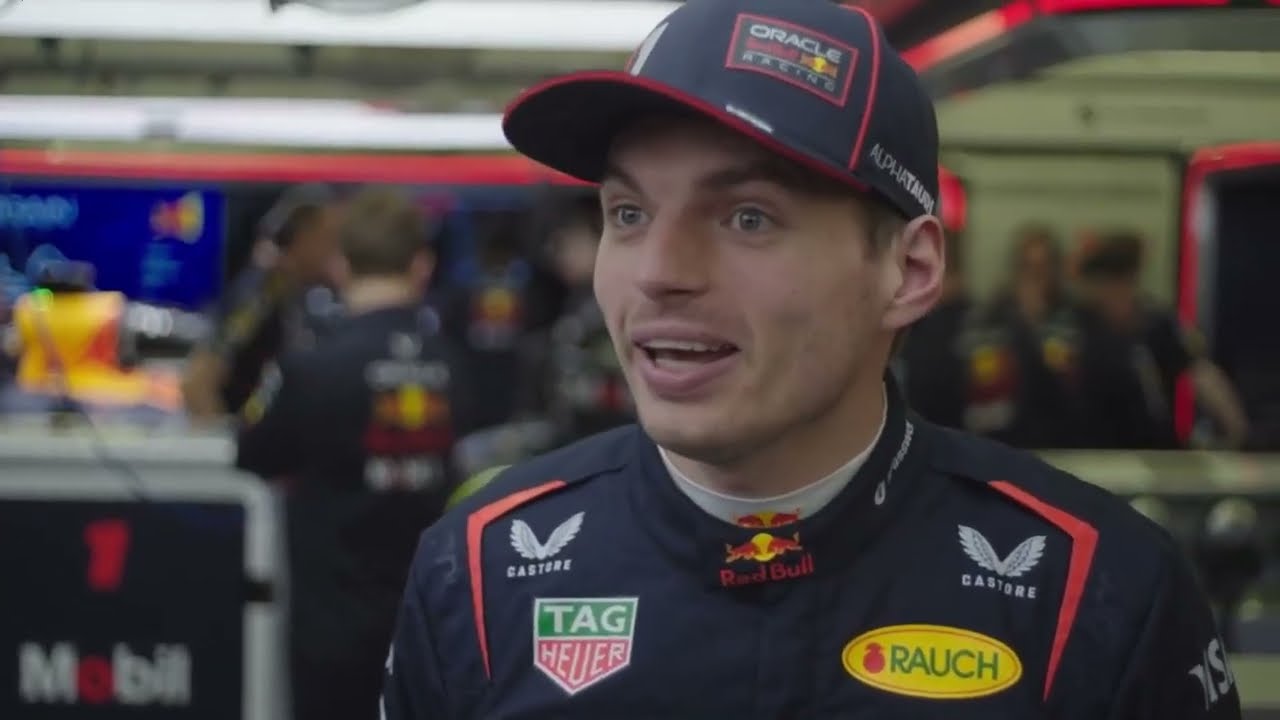
Why This is Max Verstappen’s Playground
So, where does the three-time World Champion fit into this electro-mechanical puzzle?
Conventional wisdom might suggest that such a complex system would level the playing field. However, history suggests otherwise. Max Verstappen’s career hasn’t just been built on aggression; it has been built on an uncanny ability to process information while driving at the limit. He thrives on “control”—control of space, control of timing, and control of pressure.
The 2026 regulations turn “pressure” into a currency. If overtaking becomes less about a simple DRS breeze-past and more about choosing the perfect split-second to unleash a 350kW boost, the mental load on drivers will skyrocket. Verstappen has proven time and again that he can win while feeling uncomfortable. He can drive a car with a loose rear end, a car that snaps, or a car that requires constant adjustment.
If the 2026 cars are indeed difficult to drive—requiring drivers to lift and coast, harvest energy in awkward places, or manage inconsistent braking zones due to energy regeneration—Verstappen becomes the favorite. He doesn’t just pass opponents; he makes them pay for existing. He forces them into compromising lines that ruin their tire prep or energy deployment. In an era where energy management is everything, Verstappen’s capacity to force others to waste their energy could be his deadliest trait.
The Red Bull Gamble: A Dynasty at Risk?
However, there is a massive “if” hanging over this narrative.
Red Bull Racing is not just defending a title in 2026; they are debuting their own in-house engine project, Red Bull Powertrains, in partnership with Ford. This is a monumental risk. They are moving away from the safety net of an established manufacturer like Honda to build the most complex power unit in F1 history from scratch.
No matter how confident the team sounds in press releases, the reality is uncertain. Max Verstappen could walk into 2026 facing the most complicated driving challenge of his life while strapped into a power unit that is unproven. If the deployment maps are wrong, or the reliability isn’t there, even his talent might not be enough to bridge the gap.
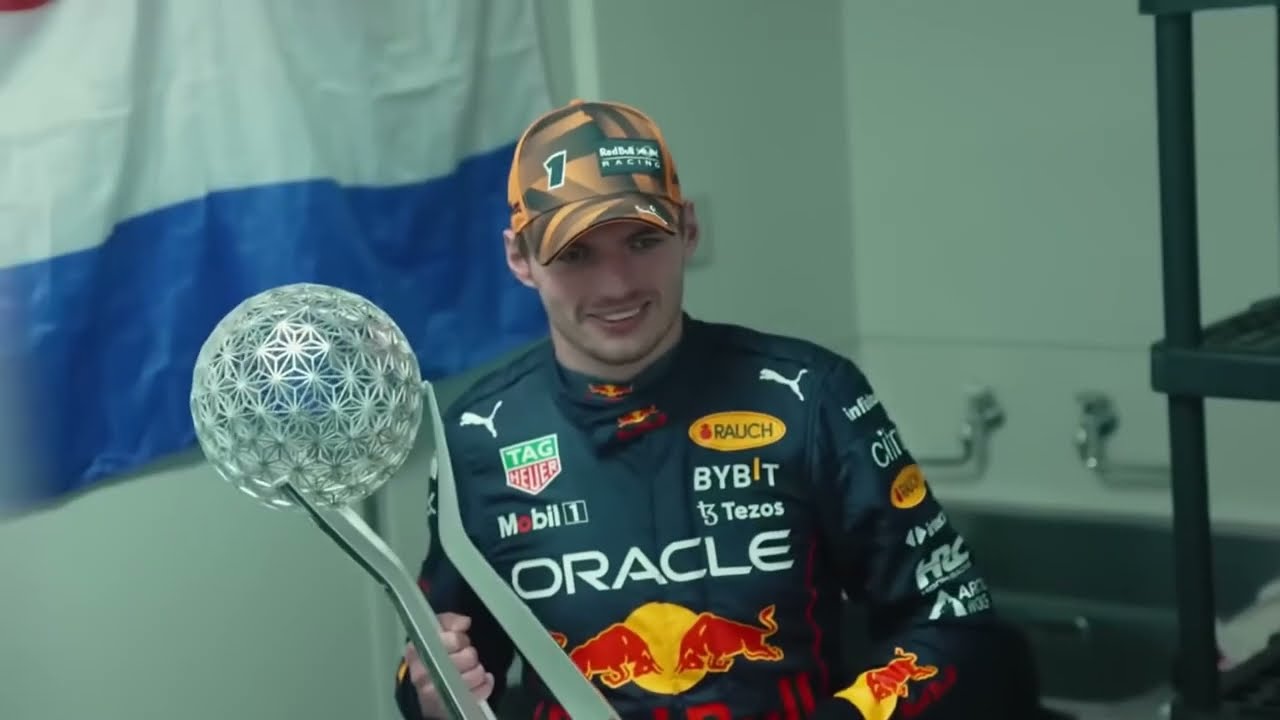
The Verdict: Domination or Disaster?
We are entering “Act Two” of the Verstappen era. If Red Bull nails the engine and Max adapts first, we aren’t looking at parity. We are looking at a new kind of domination where he wins not just because he is faster, but because he out-thinks the grid, managing his 50/50 split with a predator’s precision.
But if he fails to adapt, or if the machinery falls short, the 2026 rules punish impatience. The system is designed to catch drivers out, to force mistakes through energy desperation. For the first time in years, the car might demand the one thing Max has rarely needed to rely on: patience.
One thing is certain: come 2026, the driver who wins won’t just be the one with the heaviest foot. It will be the one who can solve the 350kW equation at 200 miles per hour while everyone else is still trying to figure out the question.
News

Inside Shane Richie’s love life: Drug – fuelled orgy with six blondes; real reason he split from Coleen Nolan; six-year ‘affair with fan’
Inside Shane Richie’s love life: Orgy with six blondes; real reason he split from Coleen Nolan; six-year ‘affair with fan’ He’s popular with the ladies… Shane Richie…

SH0CKING REVELATI0N:A sh0cking behind-the-scenes secret revealed about Lizzie Rizzini, the woman replacing Carol Kirkwood on the 6pm weather bulletin
BBC viewers still reeling from the departure of Carol Kirkwood got another surprise last night when presenter Lizzie Rizzini appeared to flash her black lace stockings on…

HEARTBREAKING: Peter Andre’s Tearful Message to Son Junior After SHOCKING Revelation About How He Truly Feels Toward Mum Katie Price — Katie Price’s reaction scares fans.
Peter Andre’s emotional message to son Junior after it’s revealed how he really feels about mum Katie Pri… PETER Andre has shared an emotional message to his…

Ben Shephard opens up about the devastating health battle his wife is facing: “She wakes up crying every single morning…”
Inside This Morning Ben Shephard’s Life Including Rarely Seen Wife and Health Battle Ben Shephard is a name synonymous with British television, renowned for his engaging presentation…

🚨 LIVE TV HEARTBREAK: Good Morning Britain Host Announces ‘Devastating’ Dɘath of Guest Minutes Into Show
Viewers of Good Morning Britain were met with heartbreaking news just minutes into Friday’s (January 30) episode, as co-hosts Kate Garraway and Ranvir Singh reported the tragic…

Emmerdale legend Cain Dingle will never be the same again after a shock cancer diagnosis turns his world upside down
FROure Desk. Full Terms and conditions are available on the website http://www.itv.com/presscentre/itvpictures/terms Emmerdale wouldn’t be Emmerdale without the glowering, grunting embodiment of manliness that is Cain Dingle (Jeff Hordley) But…
End of content
No more pages to load






